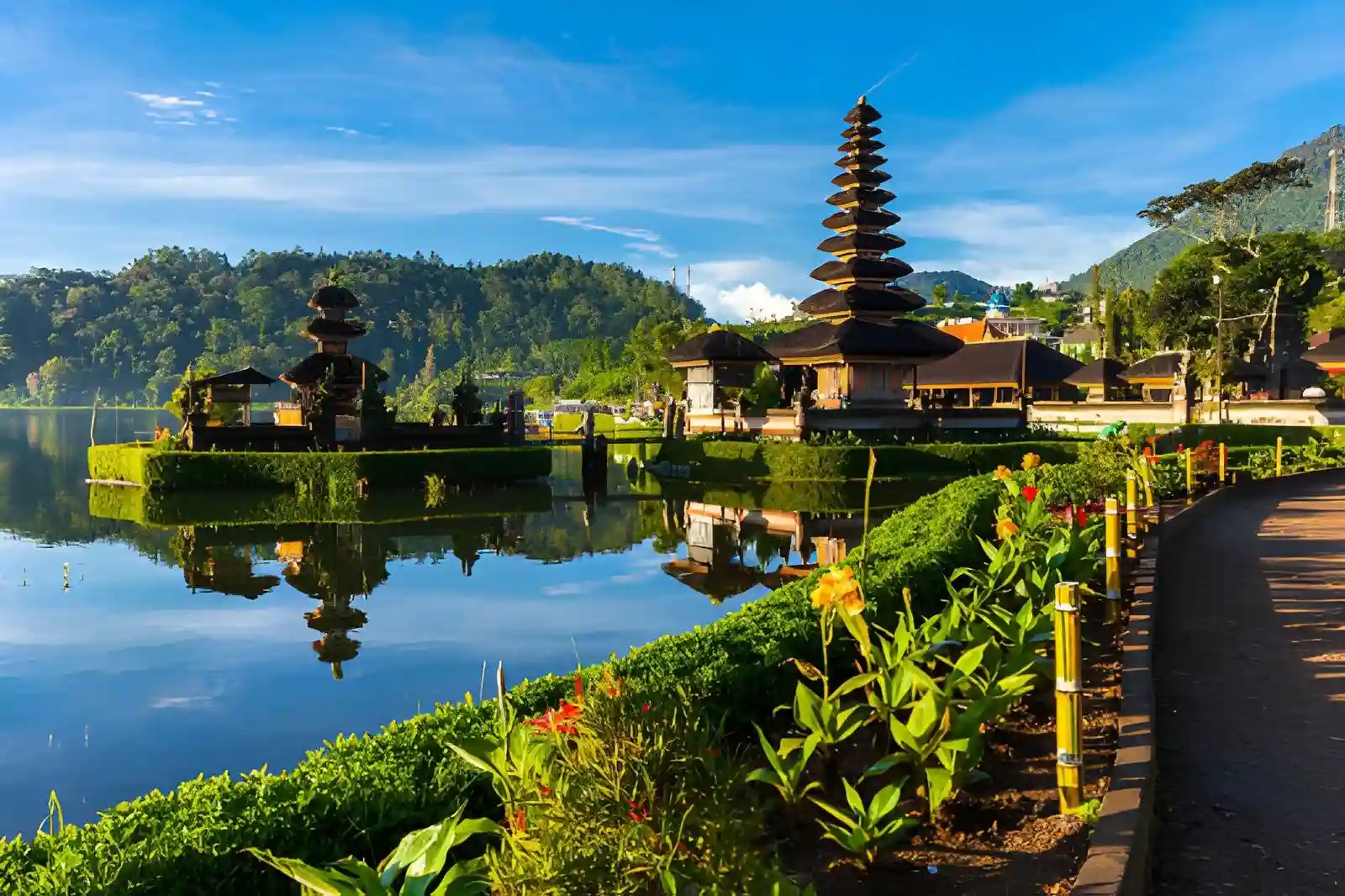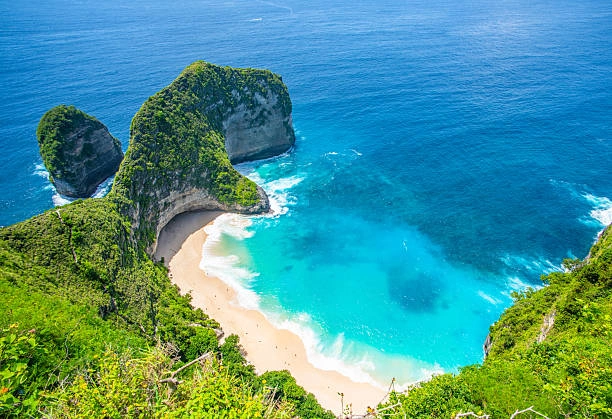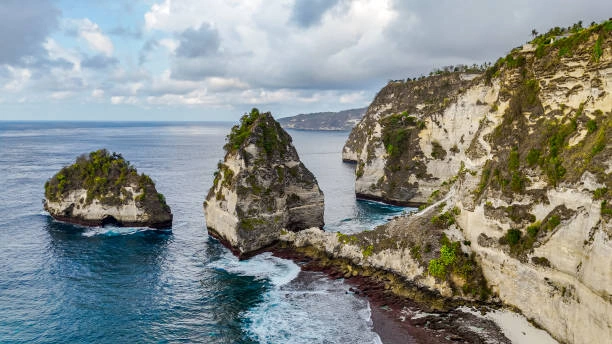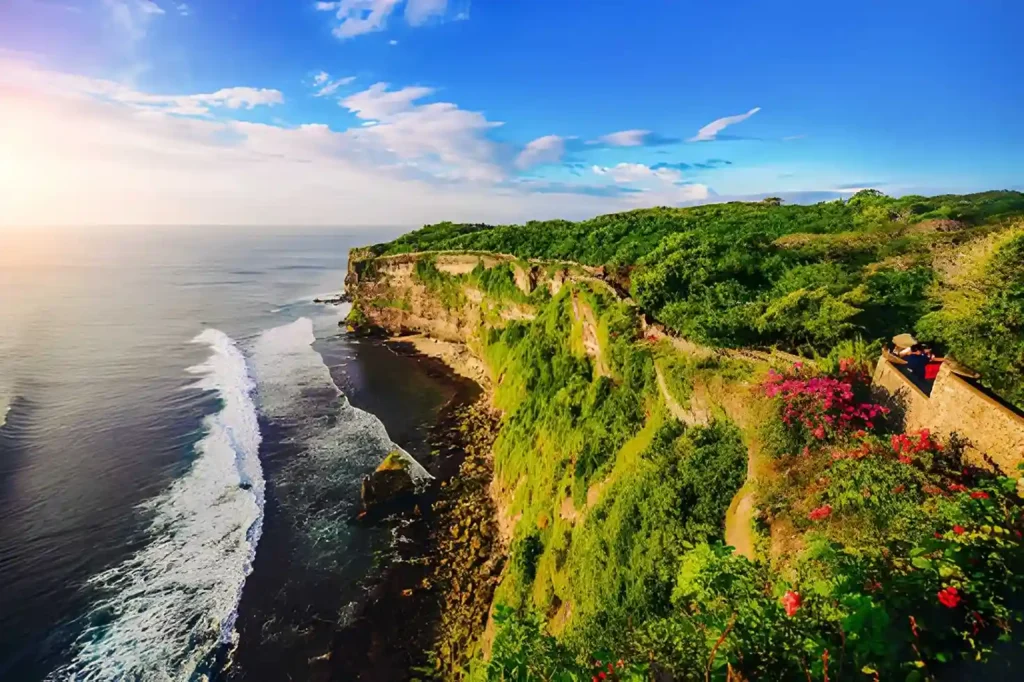

Planning a trip during high season in Bali? July and August are the island’s busiest travel months, offering sunny weather, ideal conditions for outdoor activities, and a lively atmosphere across popular destinations.
Bali also experiences a second peak during Christmas and New Year, when holiday demand increases and accommodation prices can rise. While these periods are among the most popular times to visit Bali, knowing when to travel, where to stay, and what to expect can make a significant difference to your holiday.
In this guide, discover when Bali’s peak season happens, the best months to visit, seasonal weather, accommodation prices, and travel costs.
You’ll also find practical tips for avoiding the busiest areas, choosing the right destinations, and planning your itinerary around Bali’s seasonal conditions so you can make the most of your trip.
Bali High Season at a Glance
Bali welcomes visitors throughout the year, but demand tends to increase during a few particular periods. The dry season attracts travelers looking for outdoor activities and beach days, while the year-end holidays bring a separate wave of visitors despite the wetter weather.
| Travel period | Typical conditions | What to expect |
|---|---|---|
| April to June | Early to middle dry season | Generally good outdoor conditions and more flexibility before the main peak |
| July to August | Main high season | Higher visitor demand, busier attractions, and stronger accommodation demand |
| September to October | Late dry season | Often a good balance between weather and visitor numbers |
| November to mid-December | Wet season begins | More rainfall, greener landscapes, and generally quieter travel conditions |
| Around December 20 to early January | Christmas and New Year peak | Holiday events, higher accommodation demand, and busy popular areas |
| January to March | Wet season | More frequent rain and potentially better accommodation value outside holiday dates |
If you want the best balance of weather and visitor numbers, consider May, June, or September. July and August are still excellent months for outdoor activities, but you’ll need to plan accommodation and popular experiences further ahead.
When Is High Season in Bali?

Bali has two main travel peaks: the July–August dry-season period and the Christmas–New Year holidays. They offer different experiences, so it’s worth understanding what each one means before choosing your travel dates.
July and August: Bali’s Main High Season
July and August are generally the busiest months for international travel to Bali. They coincide with summer holidays in parts of Europe and school holiday periods in Australia, making the island particularly attractive to families, couples, and groups planning longer holidays.
The weather is another reason these months are popular. July and August fall within Bali’s dry season, with relatively low rainfall and good conditions for many outdoor experiences.
Tourism figures reflect this demand. Bali recorded 697,809 direct international visitor arrivals in July 2026 and 685,994 in August 2026, according to Indonesia’s statistics agency, BPS.
For your trip, that higher demand can translate into:
- More competition for popular accommodation. Well-reviewed villas, beachfront resorts, and properties in sought-after areas may have fewer available rooms.
- Busier attractions. Places such as Uluwatu Temple, Tegallalang Rice Terrace, and popular waterfalls can feel more crowded during the middle of the day.
- More activity around beach destinations. Canggu, Seminyak, and Uluwatu tend to attract visitors looking for restaurants, beach clubs, surfing, and nightlife.
- More planning around transport. A route that looks short on a map may take considerably longer when roads are busy.
Our advice: If you’re visiting in July or August, choose your accommodation location carefully and arrange your most important activities in advance. You don’t need to schedule every hour, but having a clear plan for your main experiences can make a noticeable difference.
You may also want to read this: Bali Travel Tips for July & August 2026: Everything You Should Know Before You Go
Christmas and New Year: Bali’s Second Peak Travel Period
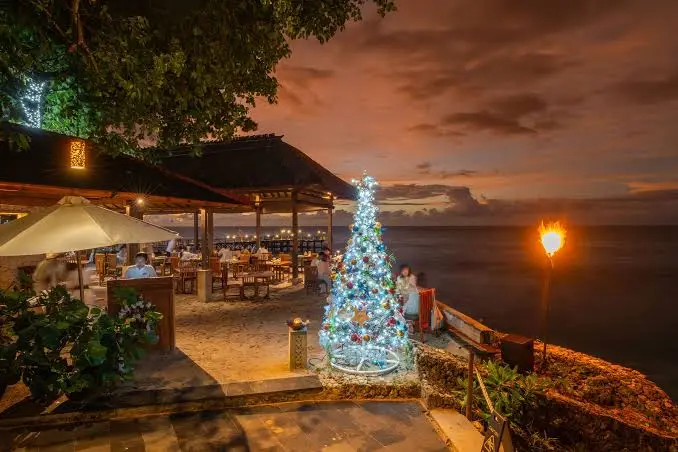
The Christmas and New Year period brings a different atmosphere to Bali. From around December 20 to the first days of January, international holidaymakers and domestic travelers arrive for festive celebrations, resort stays, and end-of-year breaks.
Unlike July and August, this period falls during the wet season. You can still enjoy plenty of outdoor experiences, but rainfall becomes a more important part of your travel planning.
What to expect during the year-end holiday period:
- Higher accommodation demand: Resorts and villas in Seminyak, Canggu, Uluwatu, and Nusa Dua can experience stronger demand.
- Festive dining and events: Hotels, restaurants, and beach clubs often arrange Christmas dinners, New Year’s Eve celebrations, and special packages.
- Additional booking conditions: Some properties may apply festive surcharges, minimum-stay requirements, or compulsory event dinners. Always check the final booking details.
- Wet-season weather: Expect more humidity and a greater chance of rain, so leave some flexibility in your outdoor plans.
- Busy holiday dates: Demand is often concentrated around Christmas week and New Year’s Eve rather than being equally high throughout December.
If you want to experience Bali in December without the busiest holiday atmosphere, consider traveling during the first half of the month. You can still enjoy the island’s festive preparations while potentially having more accommodation options.
You may also want to read this: 15 Things to Do in Bali in December 2026: Christmas to New Year
Are There Other Busy Periods in Bali?
July, August, and the year-end holidays are the main periods to watch, but they’re not the only times when Bali can become busy.
Visitor numbers can also increase around:
- Easter holidays: Some international travelers use the long weekend for a short tropical getaway.
- Chinese New Year: Demand can rise around the holiday, particularly among visitors from parts of Asia.
- Indonesian school holidays: Domestic family travel can increase, especially at popular attractions and family-friendly resorts.
- Eid al-Fitr holidays: The extended holiday period can bring more domestic visitors to Bali.
- Long weekends: Public holidays can create short bursts of higher demand, particularly for accommodation and transport.
These periods do not necessarily create the same island-wide demand as July and August. However, if your dates overlap with a major holiday, it’s worth checking accommodation availability and local travel conditions before booking.
You may also want to read this: Bali Public Holidays 2026: Full Dates, Nyepi Guide & Travel Tips
Why Does Bali Get So Busy During High Season?
Bali’s high season is shaped by a combination of weather, international holiday calendars, and the type of experiences visitors want.
The dry season makes outdoor activities easier to plan. Travelers can spend more time at the beach, explore rice terraces, visit temples, hike Mount Batur, or take boat trips to nearby islands.
At the same time, school holidays in several countries make July and August convenient for families and longer international trips.
The year-end period works differently. Many travelers choose Bali for Christmas and New Year celebrations, even though December is part of the wet season.
What Does High Season Mean for Different Areas in Bali?
Not every destination in Bali experiences the same level of activity. Some areas are known for beach clubs and nightlife, while others offer a slower pace or more space to enjoy nature.
Understanding these differences can help you choose an accommodation base that suits the kind of holiday you want.
| Area | What makes it popular | What to consider during high season |
|---|---|---|
| Canggu | Cafés, beach clubs, surfing, nightlife | Busy roads, popular restaurants, and high accommodation demand |
| Seminyak | Dining, shopping, beach clubs, resorts | Popular streets and dining venues can become crowded |
| Uluwatu | Clifftop resorts, beaches, surfing, sunset views | Allow extra driving time between beaches and restaurants |
| Ubud | Rice terraces, culture, wellness, nature | Central streets and popular attractions can be busy |
| Nusa Dua | Resorts, family holidays, beaches | Resort demand can increase during school holidays |
| Sanur | Relaxed coastal atmosphere, family-friendly stays | Popular beachfront accommodation may book up early |
| Kintamani | Mount Batur, lake views, cooler highland scenery | Sunrise tours and popular viewpoints attract visitors |
Canggu and Seminyak: For Dining, Beach Clubs, and Nightlife
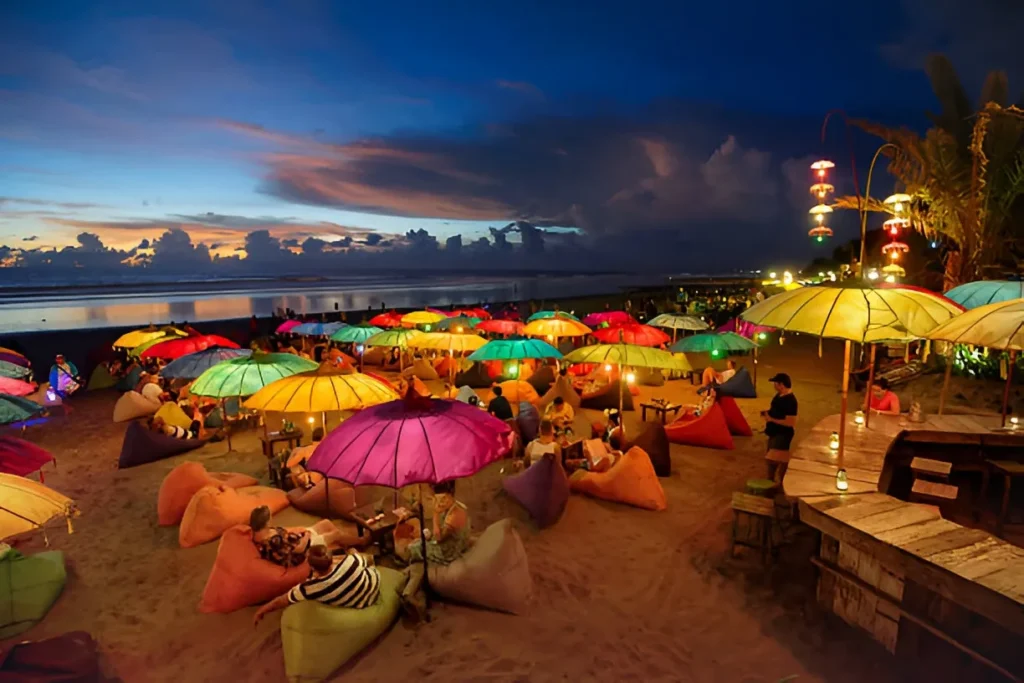
If you want a holiday filled with restaurants, cafés, shopping, and beach clubs, Canggu and Seminyak are two of Bali’s most popular choices.
During high season, the areas can become particularly active around popular dining streets and beach venues. Traffic is also worth considering, especially if you plan to move between Canggu, Seminyak, and other parts of South Bali.
These areas are a good fit if you enjoy a social atmosphere and want plenty of places to visit without traveling far for every meal or evening activity.
Read more:
- 12 Best Things to Do in Canggu (Beaches, Cafes & Hidden Spots)
- 14 Best Things to Do in Seminyak: Bali’s Most Lively Coastal Area
Uluwatu: For Clifftop Views and Beach Experiences
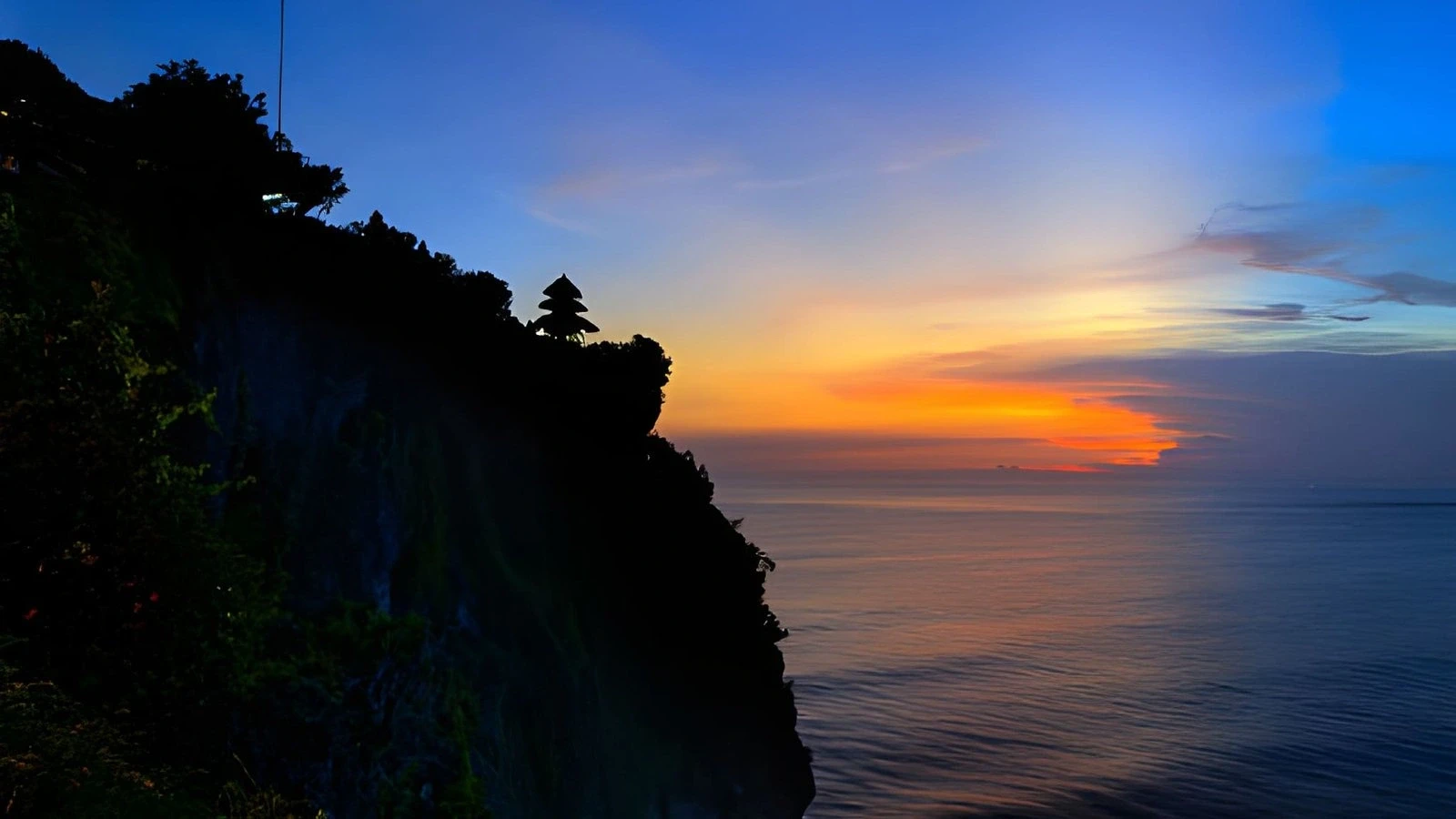
Uluwatu offers a different coastal experience, with limestone cliffs, beach clubs, surf spots, and dramatic sunset views.
During the dry-season peak, its beaches and well-known sunset locations can attract plenty of visitors. Some beaches also require walking down steep paths or stairs, so consider the time and physical effort involved when planning your day.
If you’re staying in Uluwatu, group nearby beaches, restaurants, and attractions together rather than crossing the peninsula several times in one day.
Read more: 15 Best Things to Do in Uluwatu for Beaches, Sunsets, and Unforgettable Experiences
Ubud: For Culture, Rice Terraces, and Nature

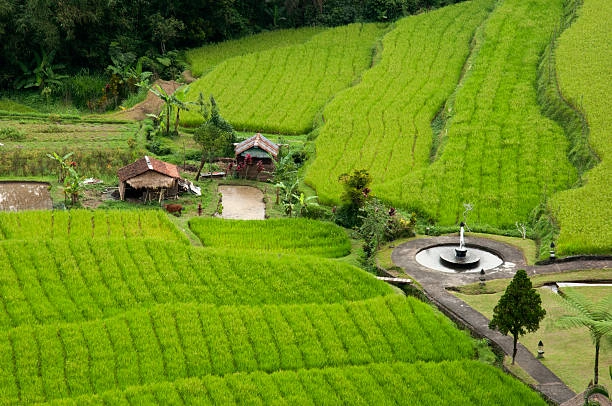
Ubud is a popular choice if you want to experience Bali beyond the coastline. Its surroundings offer rice terraces, temples, traditional villages, waterfalls, wellness experiences, and art spaces.
The town center can become busy during peak travel periods, particularly around popular streets and attractions. However, staying slightly outside the center can give you a quieter base while keeping Ubud’s main experiences within reach.
Read more: 20 Things to Do in Ubud When You Want a Deeper Bali Experience
Nusa Dua and Sanur: For a More Relaxed Coastal Stay
Nusa Dua is known for its resort environment, managed beach areas, and family-friendly accommodation. Sanur offers a more laid-back coastal atmosphere, with a beachfront promenade and a slower pace than some of Bali’s busier southern destinations.
Both areas can be appealing if you prefer a comfortable hotel stay rather than being close to nightlife.
During high season, the main consideration is accommodation availability. If you have a particular resort or beachfront property in mind, it’s worth booking before your preferred dates become limited.
How Much Does Bali Cost During High Season?

One of the biggest considerations when planning a high-season holiday is the budget. Accommodation usually deserves the most attention because prices vary significantly depending on location, property type, and travel dates.
Accommodation Prices in Bali
| Accommodation type | Indicative price per night | Typical experience |
|---|---|---|
| Hostel or shared accommodation | US$8–20 | Shared facilities and a budget-friendly stay |
| Budget hotel or homestay | US$25–50 | Private room with basic facilities |
| Mid-range resort or villa | US$60–150 | More facilities, boutique stays, or selected private-pool options |
| Luxury resort or private villa | US$250+ | Premium facilities, private pools, and higher-end service |
These ranges are broad planning benchmarks. The same accommodation category can cost more in Canggu, Seminyak, and Uluwatu than in some parts of Ubud or Sanur.
During July, August, and the Christmas–New Year period, popular properties may also charge more than their rates during quieter months.
Food and Dining Costs
Bali offers plenty of dining choices, from local warungs to beachfront restaurants and fine dining venues.
Your daily food budget will depend on where you eat and how often you choose premium dining experiences.
| Dining choice | What to expect |
|---|---|
| Local warungs | Usually the most economical option for everyday meals |
| Cafés and casual restaurants | Higher prices, especially in popular tourist areas |
| Beach clubs | Food, drinks, and possible minimum-spend requirements |
| Fine dining | Premium menus, tasting experiences, and reservation-based dining |
If you’re traveling during high season, consider making reservations for popular restaurants and special dinners. This is particularly useful around Christmas and New Year’s Eve, when some venues operate with set menus or event packages.
Transport and Getting Around
Transport costs depend on how far you travel, the type of vehicle you choose, and how frequently you move between areas.
For a short stay in one neighborhood, ride-hailing services may be sufficient. If you’re planning a full day of sightseeing across several destinations, a private car with a driver can make the journey easier to organize.
During high season, the biggest consideration is not always the transport fare. It’s the time required to reach each destination.
A practical way to manage your transport budget is to group nearby attractions together. For example, you could combine Uluwatu Temple with nearby beaches and a sunset dinner rather than planning several separate trips across South Bali.
Activities and Entrance Fees
Your activity budget will depend on the experiences you choose.
Some activities involve relatively small entrance fees, while others require a guided tour, private transport, equipment, or boat transfers.
Examples include:
- Temple visits and cultural attractions
- Rice terrace experiences and waterfall visits
- Mount Batur sunrise trekking
- ATV rides and outdoor adventures
- Snorkeling and diving trips
- Boat excursions to Nusa Penida or Nusa Lembongan
- Private sightseeing tours
When comparing activity prices, check what is included. A tour that appears more expensive may already cover transport, equipment, entrance fees, or a guide.
For popular experiences during July, August, and the year-end holidays, booking ahead can also help you secure your preferred departure time.
How to Manage Your Bali Travel Budget During High Season
You don’t necessarily need a luxury budget to enjoy Bali during high season. A few decisions can make a meaningful difference to your overall spending.
- Choose your accommodation area carefully. Staying closer to the experiences you want can reduce unnecessary transport expenses.
- Compare several property types. A boutique hotel, guesthouse, and private villa offer different benefits depending on your group size.
- Check the total accommodation price. Include taxes, service charges, breakfast, and any compulsory festive fees.
- Mix local and premium dining. You can enjoy Bali’s restaurant scene without choosing expensive venues for every meal.
- Group your sightseeing stops. A well-planned route can save time and reduce repeated transport costs.
- Reserve special experiences early. This is particularly important for limited-capacity tours and holiday dining events.
For a more detailed breakdown of everyday expenses, accommodation choices, and transport, see our guide to High Season Trip Cost in Bali: Budget Guide for 2026
Bali Weather During High Season
Bali’s high season overlaps with two different weather patterns. July and August fall within the dry season, while Christmas and New Year take place during the wet season.
This distinction matters because the weather can influence what you do, how you travel, and how much flexibility you need in your itinerary.
July and August: The Dry Season
July and August are among the driest months of the year in the Denpasar and Ngurah Rai area.
Japan Meteorological Agency climate normals show average monthly rainfall of approximately 27.6 mm in July and 36.4 mm in August at this weather station. Average temperatures are around 26.5°C and 26.3°C respectively.
For travelers, these conditions generally make it easier to plan:
- Beach days and coastal sightseeing
- Sunrise trips to Mount Batur
- Outdoor adventures and countryside excursions
- Rice terrace visits
- Boat trips, subject to daily sea conditions
Keep in mind that these are long-term climate averages for one station, not a guarantee of daily weather across the island. Conditions in the highlands can be cooler, cloudier, or wetter than those along the southern coast.
Christmas and New Year: The Wet Season
December is part of Bali’s wet season. Rainfall becomes more frequent, humidity increases, and tropical showers can affect outdoor plans.
That doesn’t mean your holiday will be rainy from morning to night. You may still have clear mornings and plenty of opportunities to explore, but it’s sensible to leave room for changes.
A few practical adjustments can help:
- Plan outdoor sightseeing earlier in the day when possible.
- Keep indoor activities available as alternatives.
- Allow extra time for driving when heavy rain affects road conditions.
- Check sea and boat conditions before traveling to nearby islands.
- Bring light rain protection and comfortable footwear.
If your holiday includes several outdoor activities, avoid scheduling every experience on consecutive days without any flexibility.
Bali’s Average Monthly Weather
The table below uses Japan Meteorological Agency climate normals for the Denpasar/Ngurah Rai station. It gives you a useful reference for seasonal rainfall, but conditions can differ between coastal and highland destinations.
| Month | Average temperature | Average rainfall |
|---|---|---|
| January | 27.9°C | 350.7 mm |
| February | 28.0°C | 289.8 mm |
| March | 28.0°C | 231.1 mm |
| April | 28.1°C | 107.4 mm |
| May | 27.8°C | 94.7 mm |
| June | 27.2°C | 67.9 mm |
| July | 26.5°C | 27.6 mm |
| August | 26.3°C | 36.4 mm |
| September | 26.8°C | 59.4 mm |
| October | 27.6°C | 64.4 mm |
| November | 28.2°C | 131.2 mm |
| December | 28.0°C | 327.4 mm |
What does this mean for your trip?
- May to September: Generally favorable for outdoor activities, with July and August among the driest months.
- October: Often a useful transition month, although rainfall can begin to increase.
- November to March: More frequent rainfall, but also greener scenery and opportunities for a different kind of Bali holiday.
- January and February: Usually among the wettest months, so flexible planning is particularly useful.
Is High Season the Best Time to Visit Bali?
That depends on what you want from your holiday.
High season offers some of the most favorable conditions for outdoor activities, but it also comes with higher demand and busier popular destinations. Visiting outside the main peak can give you more flexibility, even if the weather is less predictable.
Visit During High Season If You Want:
- More consistently dry weather during July and August.
- Good opportunities for outdoor sightseeing and beach experiences.
- A lively atmosphere around popular restaurants and beach clubs.
- A holiday that coincides with international school breaks.
- Christmas and New Year celebrations in a tropical destination.
Consider Shoulder Season If You Prefer:
- A balance between favorable weather and visitor numbers.
- More flexibility when choosing accommodation.
- A slightly less hectic experience at popular attractions.
- More room to adjust your itinerary without competing with peak holiday demand.
Our recommendation: May, June, and September are worth considering if your dates are flexible. They generally offer a useful balance between dry-season conditions and the busiest holiday periods.
If you can only travel in July, August, or late December, don’t let the crowds put you off. The key is choosing the right base, allowing enough travel time, and arranging important experiences before you arrive.
You may also want to read this: Best Time to Visit Bali Discover the Perfect Month for Your Island Vacation
How to Plan a Bali Holiday During High Season
A good high-season itinerary is not necessarily one with the most attractions. It’s one that gives you enough time to enjoy each destination without spending too much of your holiday in traffic.
Here are a few things to consider before you book.
1. Choose Your Accommodation Based on Your Travel Plans
Start by deciding which part of Bali best suits your holiday.
If you want restaurants, cafés, and beach clubs, consider Canggu or Seminyak. If you prefer coastal scenery and clifftop resorts, Uluwatu may be a better fit. For culture and nature, consider Ubud.
You can also split your stay between two areas if you have enough time. This can help you experience different sides of Bali without making long return journeys every day.
2. Book Flights and Accommodation in Advance
For July, August, and Christmas–New Year, it’s sensible to start comparing accommodation as soon as your dates are confirmed.
Booking early is particularly helpful if you:
- Need multiple rooms for a family or group.
- Want a specific villa or resort.
- Prefer beachfront or central locations.
- Have fixed arrival and departure dates.
- Plan to stay during Christmas or New Year’s Eve.
Before paying, check cancellation terms and whether special holiday conditions apply.
3. Plan Your Sightseeing by Area
Bali may look compact on a map, but travel times can vary considerably.
Rather than visiting destinations in different parts of the island on the same day, organize your activities by location.
For example:
| Travel area | Experiences you can combine |
|---|---|
| Uluwatu | Uluwatu Temple, nearby beaches, coastal viewpoints, sunset dining |
| Ubud | Ubud Palace, local markets, rice terraces, nearby temples |
| Kintamani | Mount Batur viewpoints, Lake Batur, highland experiences |
| East Bali | Tirta Gangga, traditional villages, scenic countryside |
| South Bali | Jimbaran, Nusa Dua, Sanur, and selected coastal attractions |
This approach gives you more time at each destination and reduces unnecessary driving.
4. Arrange Popular Experiences Before You Arrive
Some experiences have limited departure times or require advance coordination.
Consider arranging these before your trip:
- Mount Batur sunrise trekking
- Nusa Penida day trips
- Private sightseeing tours
- ATV adventures
- Diving and snorkeling excursions
- Special restaurant or beach club reservations
Always confirm the meeting point, duration, inclusions, and cancellation conditions before booking.
5. Leave Space in Your Itinerary
It’s tempting to fill every day with activities, particularly when you’re visiting Bali for the first time.
However, high-season traffic, weather changes, and the distance between destinations can make an overly ambitious schedule difficult to enjoy.
Try leaving some free time between major activities. A slower afternoon at your hotel, an unplanned café stop, or an extra hour at the beach can make the trip feel much more relaxed.
6. Consider a Private Driver for Full-Day Sightseeing
If you’re planning to explore several destinations in one day, a private driver can make the experience easier to manage.
You won’t need to arrange separate transport for every stop, and you can organize the route around your interests.
This can be especially useful for longer sightseeing days around Ubud, Kintamani, East Bali, or other areas outside your accommodation base.
The best approach is to agree on the itinerary, duration, and inclusions before the trip.
Plan Your Bali Holiday Around the Experience You Want with Bali Island Vacations
Bali’s high season doesn’t have to mean a rushed or overcrowded holiday. With the right timing, accommodation, and travel plan, you can still enjoy the island’s beaches, cultural destinations, countryside, and outdoor experiences at a comfortable pace.
The most important thing is to plan around what you want to experience rather than trying to visit as many places as possible. A few well-chosen destinations, realistic travel times, and enough flexibility can make a much better holiday.
At Bali Island Vacations, we believe a memorable Bali trip starts with understanding what matters to you. Whether you want to explore Ubud’s cultural side, enjoy the coast around Uluwatu, discover the highlands of Kintamani, or combine several destinations in one journey, our team can help you plan a route that fits your interests, available time, and preferred travel style.
Frequently Asked Questions About High Season in Bali
When is high season in Bali?
Bali’s main high season generally falls in July and August, during the dry season. A second busy period takes place around Christmas and New Year, usually from approximately December 20 to the first days of January.
Is July or August busier in Bali?
Both months are busy. July recorded approximately 697,809 direct international visitor arrivals in 2026, while August recorded 685,994. Actual crowd levels vary by destination, holiday dates, and local events.
Is Bali expensive during high season?
Accommodation and some popular experiences can cost more during high season, especially in sought-after areas such as Canggu, Seminyak, and Uluwatu. Your overall budget will depend on where you stay, how you travel, and the activities you choose.
Is Bali worth visiting during high season?
Yes. July and August offer generally favorable dry-season conditions for beaches, outdoor adventures, and sightseeing. Christmas and New Year can also be enjoyable if you want a festive atmosphere. The main consideration is planning ahead for accommodation, transport, and popular activities.
What is the best month to visit Bali without large crowds?
May, June, and September are often good options if you want a balance between weather and visitor numbers. They fall outside the main July–August peak and generally offer favorable conditions for outdoor activities.
Is December a good time to visit Bali?
December can be a good time to visit, but it depends on your travel dates and expectations. The first part of the month is generally quieter, while Christmas and New Year bring higher demand. December is also part of the wet season, so flexible outdoor plans are useful.
Should I book accommodation early for Bali high season?
Yes, especially if you have fixed travel dates or want a particular villa, resort, or location. Booking early gives you more options to compare and helps reduce the risk of your preferred property becoming unavailable.
Does Bali get crowded everywhere during high season?
No. Crowds are concentrated around popular tourist areas, attractions, and certain travel periods. You can still find quieter places, particularly if you explore beyond the busiest parts of South Bali and choose your travel times carefully.
Is the rainy season cheaper than high season in Bali?
Accommodation can offer better value during quieter parts of the wet season, particularly from January to March. However, prices can rise around major holidays, including Christmas and New Year, so it’s important to check your exact dates.
Reference
- BPS Bali – Tourism Overview, July 2026: International arrivals and hotel occupancy data. https://bali.bps.go.id/id/pressrelease/2026/09/01/718060/perkembangan-pariwisata-provinsi-bali-juli-2026.html
- BPS Bali – Tourism Overview, August 2026: International arrivals and hotel occupancy data. https://bali.bps.go.id/en/pressrelease/2026/10/01/718067/tourism-overview-of-bali-province–august-2026.html
- Japan Meteorological Agency – Denpasar/Ngurah Rai Climate Normals: Monthly temperature and rainfall averages. https://ds.data.jma.go.jp/gmd/tcc/tcc/products/climate/normal/parts/NrmMonth_e.php?stn=97230
- ShopBack – Bali Hotel and Villa Prices, 2026: Indicative accommodation price benchmarks. https://discover.shopback.com/travel/hotels/bali