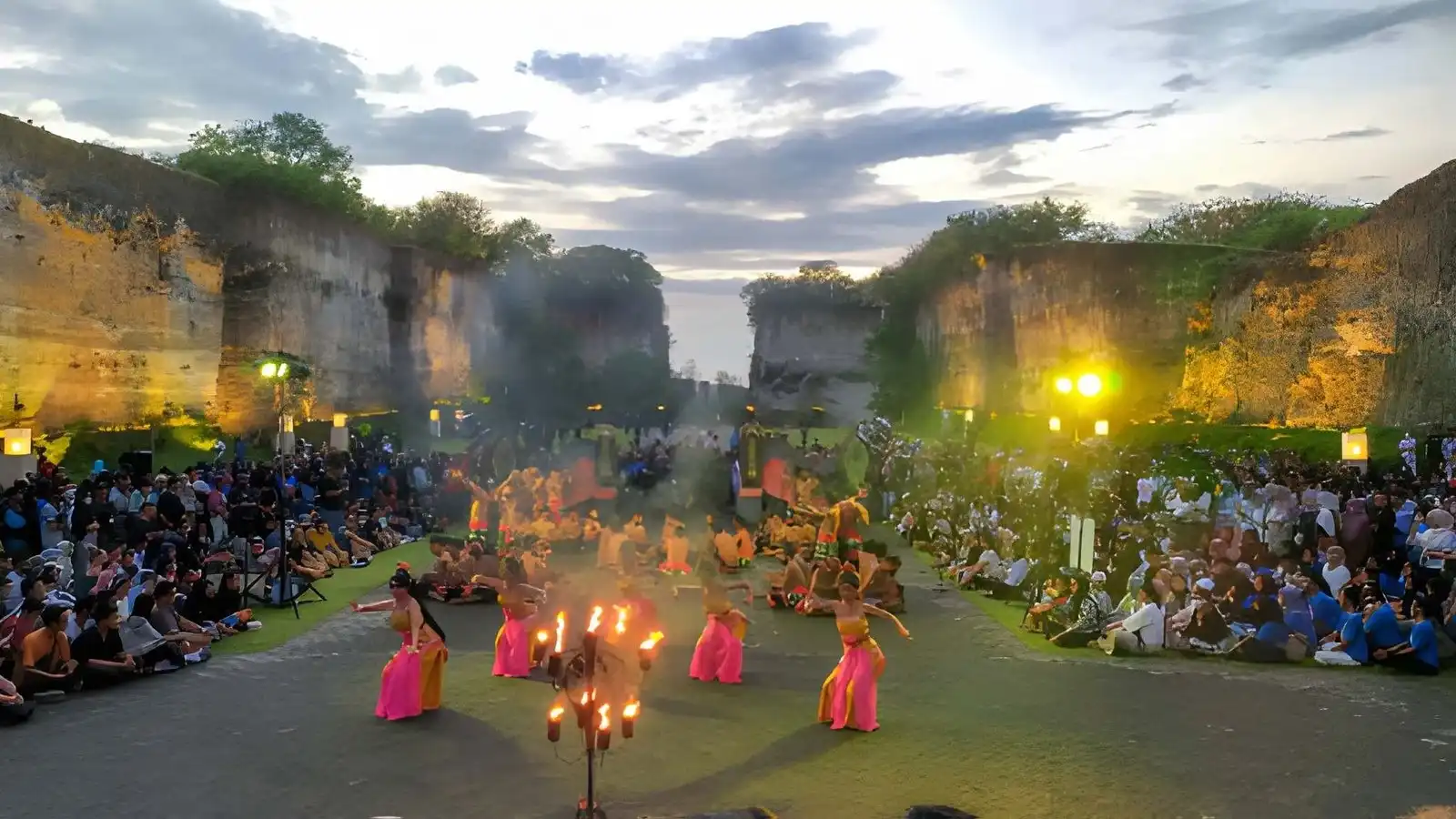
Planning your trip to Bali gets much easier once you understand when the island hits its busiest season. High season is when Bali feels at its most alive, sunny days, vibrant beach scenes, and a constant flow of travelers across popular spots.
But that energy comes with trade-offs. Prices go up, crowds build quickly, and flexibility becomes limited if you don’t plan ahead. If you want to get the best out of your trip, knowing exactly when high season happens, and how to move around it, makes all the difference.
Quick Overview of High Season in Bali
High season in Bali is defined by the best weather conditions and peak international travel periods, making it the most popular time to visit, but also the busiest.
Here’s a quick breakdown to help you plan:
- Main high season months: June to August (dry season peak)
- Secondary peak period: mid-December to early January (Christmas & New Year)
- Weather conditions: sunny, low rainfall, lower humidity, ideal for outdoor activities
- Crowd level: high, especially in areas like Ubud, Uluwatu, and South Bali beaches
- Price level: higher than usual for hotels, tours, and transport
- Best for: beaches, surfing, island hopping, outdoor experiences
- Main challenge: crowds, traffic, and limited availability if not booked early
When Is High Season in Bali?
High season in Bali generally happens during the dry season and major holiday periods, when the weather is at its best and international travel peaks.
Here are the main high season periods to keep in mind:
- June to August: peak dry season with sunny days, lower humidity, and ideal conditions for beaches, sightseeing, and outdoor activities
- Christmas & New Year (mid-December to early January): one of the busiest times of the year, with a festive atmosphere across the island
- International school holidays: shorter peak periods throughout the year, especially around July and late December
During these times, you can expect the island to feel more vibrant and active, but also more crowded compared to other months.
Why Bali Gets Busy During High Season
High season in Bali isn’t random. It happens when several factors align at the same time. The biggest driver is the weather. During the dry season, the island experiences more sunshine, lower humidity, and minimal rain, which makes it the most comfortable time for outdoor activities.
At the same time, this period overlaps with major international travel windows. School holidays in Europe and Australia, along with year-end holidays, bring a large number of visitors to Bali all at once.
A few key reasons why Bali gets noticeably busier:
- best weather conditions: sunny days, clearer skies, and ideal beach conditions
- international holidays: peak travel season for global visitors
- surfing season: consistent waves, especially along the west coast like Uluwatu
- events and festivals: cultural ceremonies and beach events add to the island’s energy
When all of these overlap, Bali naturally shifts into its most active and crowded period.
What to Expect During High Season in Bali
If you’re visiting Bali during high season, the experience feels more vibrant, but also more demanding if you’re not prepared. The island becomes busier across almost every major area, especially in popular destinations.
Here’s what you’ll realistically notice:
- Crowded attractions: places like Ubud, Uluwatu, and well-known beaches tend to get busy, especially midday
- Higher prices: accommodation, tours, and transport costs usually increase due to demand
- Traffic in South Bali: areas like Seminyak and Canggu can experience heavier traffic, particularly in the afternoon
- More lively atmosphere: beach clubs, cafes, and nightlife spots feel more active and social
Overall, high season gives you the most energetic version of Bali, but it also requires better planning if you want to avoid crowds and make the most of your time.
You may also want to read this: Best and Worst Time to Visit Bali: Complete Guide for Weather, Crowds & Prices
Top Activities to Enjoy During Bali’s High Season
High season in Bali isn’t just about bigger crowds, it’s also when the island is at its best in terms of weather and outdoor experiences. With more consistent sunshine and clearer skies, this is the time when many of Bali’s most iconic activities feel the most rewarding.
Instead of trying to avoid the season, the better approach is knowing what actually works best during this period. Here are some of the top experiences that naturally fit Bali’s high season.
1. Surfing and Water Activities in Clear Conditions
The dry season, especially from July to August, brings more reliable waves and clearer water conditions, particularly along the west coast. Areas like Canggu and Uluwatu become some of the most active surf spots, whether you’re just starting out or already experienced.
If you’re more into underwater experiences, this is also a great time to head to Nusa Penida or Amed, where visibility is typically better for snorkeling and diving. You’ll have a higher chance of seeing marine life, including manta rays, in calmer and clearer conditions.
Read Also: Surfing Beaches in Bali That Match Your Level, Timing, and Comfort in the Water
2. Mount Batur Sunrise Trek in Dry Weather
Climbing Mount Batur is one of the most popular experiences in Bali, and high season offers the most stable conditions for it. The trek usually starts early, around 3 AM, so you can reach the summit in time for sunrise.
What makes it worth it is the view at the top. On clear mornings, you’ll see layers of mountains, Lake Batur, and even Mount Agung in the distance. The dry season reduces the chance of clouds blocking the view, making the experience more consistent.
3. Beach Clubs and Sunset Atmosphere
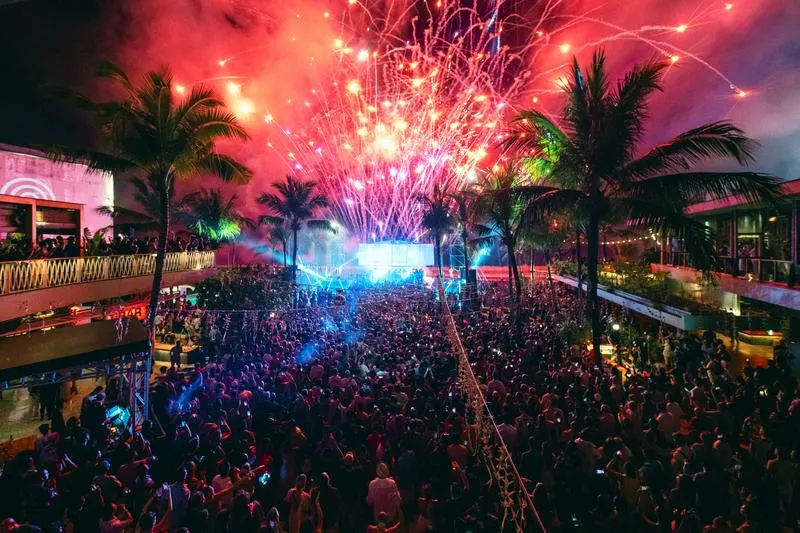
High season is when Bali’s beach club scene feels the most alive. Places like Finns Beach Club and Potato Head Beach Club are at their peak, especially in the late afternoon leading into sunset.
Instead of going midday when it’s hotter and busier, arriving a bit earlier in the afternoon gives you time to settle in before the atmosphere builds. By sunset, the energy naturally shifts, music, lighting, and ocean views all come together in a way that feels very different from daytime.
4. Cultural Experiences Around Ubud
If you’re looking to balance out the beach and outdoor activities, spending time in Ubud offers a completely different pace. High season is a good time to explore temples, walk through rice fields, or visit places like Sacred Monkey Forest Sanctuary.
You can also experience traditional rituals such as a purification ceremony at Tirta Empul Temple, which adds a more cultural and spiritual layer to your trip.
5. Island Hopping to Nusa Islands
With calmer seas and better weather, high season is one of the most reliable times to explore the nearby islands. From Sanur, you can take a fast boat to Nusa Lembongan or Nusa Penida.
These islands offer a different landscape—white sand beaches, dramatic cliffs, and clearer water for snorkeling. It’s a great way to add variety to your trip, especially if you want something beyond mainland Bali.
6. Seasonal Festivals and Cultural Events
High season also overlaps with some of Bali’s most visible cultural events. Around June and July, the Bali Arts Festival showcases traditional dance, music, and crafts, mostly held in Denpasar.
In July, you may also come across the Bali Kite Festival, where large, traditional kites fill the skies along the coast. These events give you a glimpse into local culture beyond the usual tourist experiences.
Read More: Bali Festivals In 2026: Full Calendar of Events, Dates & Cultural Highlights
Tips for Enjoying High Season in Bali
High season in Bali works best when you move with the flow of the island, not against it. Instead of trying to avoid crowds completely, these small adjustments can make your trip feel noticeably smoother and more enjoyable:
- Leave space in your itinerary
Not every hour needs to be planned. A bit of flexibility lets you adjust based on traffic, weather, or simply staying longer somewhere you enjoy. - Plan your route by area, not by list
Group places that are close to each other (for example: Ubud for one day, Uluwatu for another). This avoids long drives and unnecessary backtracking, which can easily drain your day. - Start earlier than you think you need to
Popular spots feel completely different before 9 AM – quieter, cooler, and easier to explore. By midday, the same places can feel crowded and slower to move through. - Treat midday as a break, not exploration time
Instead of forcing more stops, use this time to relax at a cafe, beach club, or hotel. You’ll avoid peak heat and crowds, and still have energy for late afternoon and sunset. - Avoid moving between areas in the late afternoon
Traffic builds up most noticeably around 4 – 7 PM, especially in Canggu and Seminyak. Staying in one area during this window saves time and stress. - Secure key bookings a few days ahead
For popular experiences (sunrise treks, beach clubs, or day tours), availability fills quickly in high season. Booking early gives you better time slots and smoother planning.
You may also want to read this: When Is Bali Low Season? Full Guide to Weather, Crowds & Best Months
Plan Your Bali Trip Around High Season the Right Way
Experiencing Bali during high season can feel incredibly vibrant when everything is planned with the right flow. Instead of trying to avoid the crowds completely, it’s about knowing when to go, where to slow down, and how to move between places more efficiently.
With a well-structured route through Bali Island Vacations, you can still enjoy Bali comfortably, without feeling rushed, overwhelmed, or stuck in the busiest moments.
To help you plan your Bali trip more smoothly, continue reading these related Bali travel guides below.
- Bali Tourist Attractions in 2026: 20 Best Places to Visit Across the Island
- Summer Holidays in Bali: Best Places, Weather, Things to Do & Travel Tips
- Bali Travel Trends in 2026: What Is Changing and What It Means for You
FAQ About High Season in Bali
What months are high season in Bali?
High season in Bali typically occurs from June to August and during the Christmas and New Year period (mid-December to early January).
Is Bali crowded during high season?
Yes, popular areas like Ubud, Uluwatu, and South Bali beaches tend to be more crowded, especially during midday.
Is Bali expensive during high season?
Prices for hotels, tours, and transport usually increase due to higher demand, so booking in advance is recommended.
Should you avoid Bali in high season?
Not necessarily. High season offers the best weather and a lively atmosphere, but it requires better planning to avoid crowds and higher costs.
What is the busiest time in Bali?
The busiest periods are July – August and the Christmas–New Year holidays, when international travel peaks.