

Choosing between Ubud and Uluwatu depends on what you want your Bali holiday to feel like. Ubud is an inland destination known for rice terraces, temples, traditional arts, wellness retreats, and green river valleys. Uluwatu, on the southern Bukit Peninsula, offers dramatic limestone cliffs, surf beaches, ocean views, and sunset spots overlooking the Indian Ocean.
If you want to explore Balinese culture, spend time in nature, and enjoy a mix of local experiences and wellness activities, Ubud is likely the better fit. If your ideal holiday revolves around beaches, surfing, cliffside accommodation, and sunset dining, Uluwatu deserves a closer look. Both offer excellent dining and accommodation options, but the daily experiences they provide are quite different.
Here’s how Ubud and Uluwatu compare across the factors that matter most, from activities and beaches to travel time, accommodation, and the type of itinerary each destination suits best.
Ubud vs Uluwatu at a Glance
Before choosing where to stay, consider how each destination fits your priorities. The main difference is not simply scenery; it is how you are likely to spend your time each day.
| Travel factor | Ubud | Uluwatu |
|---|---|---|
| Overall setting | Inland town, rice fields, river valleys, and tropical greenery | Southern peninsula, limestone cliffs, beaches, and ocean views |
| Best known for | Culture, temples, arts, nature, and wellness | Beaches, surfing, sunsets, and coastal scenery |
| Beach access | No beach in Ubud itself | Multiple beaches and coastal coves |
| Cultural experiences | Traditional dance, crafts, temples, markets, and village visits | Uluwatu Temple, Kecak performances, and selected cultural attractions |
| Outdoor activities | Rice terrace walks, cycling, rafting nearby, and nature excursions | Surfing, beach visits, coastal walks, and ocean-view dining |
| Wellness | Yoga, spas, retreats, and wellness-focused stays | Spas, resort relaxation, and ocean-view retreats |
| Evening atmosphere | Restaurants, cafés, cultural performances, and relaxed bars | Sunset venues, beach clubs, restaurants, and cliffside bars |
| Getting around | Central areas can be explored on foot, but surrounding attractions require transport | Attractions are spread across the peninsula, so transport is often necessary |
| Best accommodation setting | Central town stays, jungle villas, and rice-field retreats | Beachside stays, cliffside resorts, and private villas |
| Main consideration | No direct beach access, plus traffic in central Ubud | Some beaches involve steep steps, strong surf, or tide-dependent access |
The short answer: choose Ubud for an inland cultural and nature-focused holiday, or Uluwatu for a coastal holiday centred on beaches, surfing, and sunsets. If your schedule allows enough time, combining both gives you a broader experience of Bali.
Choose Ubud for Culture, Rice Terraces, and Inland Nature

Ubud is a strong choice if you want your trip to include more than scenic accommodation and restaurant visits. The town and its surrounding villages offer access to Balinese arts, temples, traditional markets, rice-field landscapes, and wellness experiences, with different options depending on whether you stay in the centre or the greener outskirts.
Explore Balinese Culture and Traditional Arts
Ubud is closely associated with Balinese painting, crafts, dance, and other artistic traditions. You can visit galleries, browse local markets, watch traditional performances, or arrange experiences that introduce you to local customs and creative practices.
Temples and cultural sites around the wider Ubud area also provide opportunities to understand how religion, community life, and the surrounding landscape are connected. The experience is not limited to visiting attractions; it can also involve learning about the traditions that continue to shape everyday life in Bali.
If you who want cultural experiences to be a meaningful part of their itinerary, Ubud offers a convenient starting point.
1. Spend Time Among Rice Terraces and Green Valleys
The landscapes around Ubud include rice fields, river valleys, tropical vegetation, and rural villages. Tegallalang is one of the best-known places to see terraced rice fields, while areas beyond the busy town centre offer a different atmosphere, with walking routes and accommodation surrounded by greenery.
Balinese rice terraces are also part of a wider cultural landscape shaped by the traditional subak irrigation system. Recognised by UNESCO, this system connects water management, farming communities, temples, and religious practices.
If you enjoy landscape photography, countryside walks, or simply spending time in a greener environment, Ubud provides access to these experiences without needing to travel to Bali’s coast.
2. Make Wellness Part of Your Holiday
Ubud has a well-established selection of yoga studios, spas, meditation sessions, and wellness retreats. You can plan a full retreat or simply fit a massage, yoga class, or slower morning into a sightseeing itinerary.
The setting is particularly appealing if you prefer to unwind among rice fields or tropical vegetation rather than beside the ocean. Some retreats are located outside the centre, so check their exact location and transport arrangements before booking.
3. Know the Trade-Offs of Staying in Ubud
Ubud’s reputation for greenery and relaxation does not mean every part of town is quiet. Central streets can be busy, particularly around popular shopping and sightseeing areas. Accommodation outside the centre may provide more privacy, but you might need a driver, scooter, or hotel shuttle to reach restaurants and attractions.
The most important limitation is beach access. Ubud is inland, so a visit to the coast generally requires a substantial drive. If you want to swim in the sea or spend several afternoons on the beach, staying in Ubud alone may not suit your plans.
Ubud is best for: travellers who prioritise Balinese culture, inland scenery, wellness, local arts, and a varied selection of day trips.
You may also want to read this guide: 20 Things to Do in Ubud When You Want a Deeper Bali Experience
Choose Uluwatu for Beaches, Surfing, and Ocean Views

Uluwatu offers a different side of Bali, with a coastline shaped by limestone cliffs, secluded coves, surf breaks, and views across the Indian Ocean. It suits travellers who want the sea to be a central part of their holiday, whether that means surfing, visiting different beaches, enjoying sunset views, or staying in a coastal resort.
1. Discover Beaches Along the Bukit Peninsula
The wider Uluwatu area includes several beaches, each with its own setting and access conditions. Padang Padang is known for its compact sandy cove and surf culture, Bingin combines a beach setting with a laid-back dining scene, and Melasti offers a striking coastal approach beneath high limestone cliffs.
These beaches are not all interchangeable. Some require descending long staircases, and access or usable beach space can change with the tide. Surf conditions also vary, so a beach that looks inviting in photographs may not be suitable for casual swimming on a particular day.
If your holiday revolves around coastal scenery, beach visits, and time by the sea, Uluwatu gives you more direct access to those experiences than Ubud.
2. Watch the Sunset from Uluwatu Temple
Pura Luhur Uluwatu stands on a cliff overlooking the Indian Ocean and is one of the area’s most recognised cultural landmarks. Alongside its religious significance, the temple is known for its coastal views and traditional Kecak dance performances.
Visiting the temple provides an opportunity to combine cultural interest with the landscape that makes southern Bali distinctive. The Kecak performance is a popular option around sunset, so it is worth checking the current schedule and ticket arrangements before planning your evening.
Remember that Uluwatu Temple remains an active sacred site. Visitors should follow local dress requirements, respect worshippers, and observe the rules of the temple grounds.
3. Enjoy Sunset Dining and Coastal Venues
Uluwatu has a growing selection of restaurants, bars, resorts, and beach clubs positioned to take advantage of the coastline. You can spend the afternoon at a beach, return to your accommodation to freshen up, and head out again for sunset or dinner.
The atmosphere varies between venues. Some are designed for a relaxed meal with an ocean view, while others focus on music, drinks, and a more social beach-club experience. Check the venue’s location, entry conditions, and transport options if you plan to visit after dark.
4. Understand Uluwatu’s Practical Limitations
Although Uluwatu is a coastal destination, it is not always easy to explore without transport. Beaches, restaurants, resorts, and attractions are spread across the peninsula, and walking between them may be impractical because of distance, road conditions, or changes in elevation.
Beach access can also be physically demanding in some locations. If you are travelling with young children, older family members, or anyone who prefers easy access to the sea, check the route down to the beach rather than choosing based on photographs alone.
Uluwatu is best for: beach lovers, surfers, couples, sunset seekers, and travellers who want coastal accommodation and ocean views to shape their holiday.
You may also want to read this: 15 Best Things to Do in Uluwatu for Beaches, Sunsets, and Unforgettable Experiences
Ubud or Uluwatu for Beaches and Swimming?
If beach time is a priority, Uluwatu is the clear choice. Ubud is inland and has no beach of its own, while Uluwatu provides access to a variety of coastal settings across the Bukit Peninsula.
However, choosing Uluwatu does not automatically mean every beach will be suitable for swimming. Many of the area’s beaches are known for surfing, reef breaks, waves, or dramatic access routes. Water conditions can change with tides and swell, so check local guidance before entering the sea.
For a more relaxed beach day, look into the conditions and facilities at individual beaches before deciding where to spend your time. If calm swimming and easy shoreline access are more important than cliffs or surf, it may also be worth comparing other coastal areas in Bali rather than assuming every Uluwatu beach will meet those needs.
Choose Ubud if beaches are a secondary consideration and you would rather spend your days exploring temples, rice terraces, local markets, and wellness experiences. Choose Uluwatu if you want coastal scenery and beach visits to be a regular part of your itinerary.
Ubud or Uluwatu for Culture, Nature, and Outdoor Activities?

Both destinations offer culture and nature, but the experiences differ in focus.
Ubud is the stronger base for exploring Balinese arts, traditional performances, temples, rice-field landscapes, and inland excursions. You can build a day around a cultural attraction, a countryside walk, and a meal in town without needing to head towards the coast.
Uluwatu offers its own cultural landmark in Pura Luhur Uluwatu, alongside the Kecak performance, coastal viewpoints, surfing, and beach visits. Its outdoor experiences are more closely tied to the sea and the southern peninsula’s terrain.
Consider the activities you genuinely want to do, rather than choosing based on a general impression of either place. If your plans include yoga, cultural performances, and rice terraces, Ubud makes more sense. If you want to surf, explore coastal coves, and spend evenings overlooking the ocean, Uluwatu is the more practical base.
If you want both sets of experiences, splitting your stay between the two areas is often more convenient than trying to travel between them repeatedly.
You may also want to read this: 10+ Unique Cultural Experiences in Bali You Can Truly Feel
Ubud or Uluwatu for Couples and Honeymoons?

Both destinations can work well for couples, but the setting creates a different kind of holiday.
Ubud suits couples who want a slower itinerary with spa treatments, green landscapes, cultural experiences, private villas, and dinners surrounded by tropical scenery. It can be a good fit for couples who enjoy exploring during the day and returning to a quieter setting in the evening.
Uluwatu suits couples who picture a coastal stay, with cliffside accommodation, ocean-view dining, beach afternoons, and sunset experiences. It can also work well for couples who want a few relaxed days at a resort without filling every day with sightseeing.
Rather than assuming one destination is inherently more romantic, compare the location of the accommodation, the experiences you want to share, and how much time you plan to spend outside your hotel.
For a honeymoon or anniversary trip with enough nights, combining Ubud and Uluwatu can create a natural contrast between inland scenery and the coast.
You may also want to read this: 10 Romantic Sunset Spots in Bali for Couples & Honeymooners
Ubud or Uluwatu for Families?
The better choice depends on the ages of your children, the type of accommodation you prefer, and how much travel you want to include in each day.
Ubud can suit families who want cultural activities, nature excursions, family-friendly accommodation, and time around the town and its surroundings. When booking a villa outside the centre, check pool safety, access roads, stairs, and the distance to restaurants and medical services.
Uluwatu can work for families who prefer a coastal stay, a private pool, and selected beach outings. However, not every beach is easy to reach with young children, and some have steep steps or surf conditions that are unsuitable for swimming.
For either destination, choose accommodation based on its exact location rather than the broad area name alone. A centrally located property may make everyday outings easier, while a secluded villa may require more transport planning.
If calm swimming, flat walking routes, and easy beach access are your family’s main priorities, consider whether another coastal base in Bali may be more suitable.
You may also want to read this: 7 Best Bali Family Destinations for a Fun & Easy Holiday
Ubud or Uluwatu for Food, Cafés, and Nightlife?
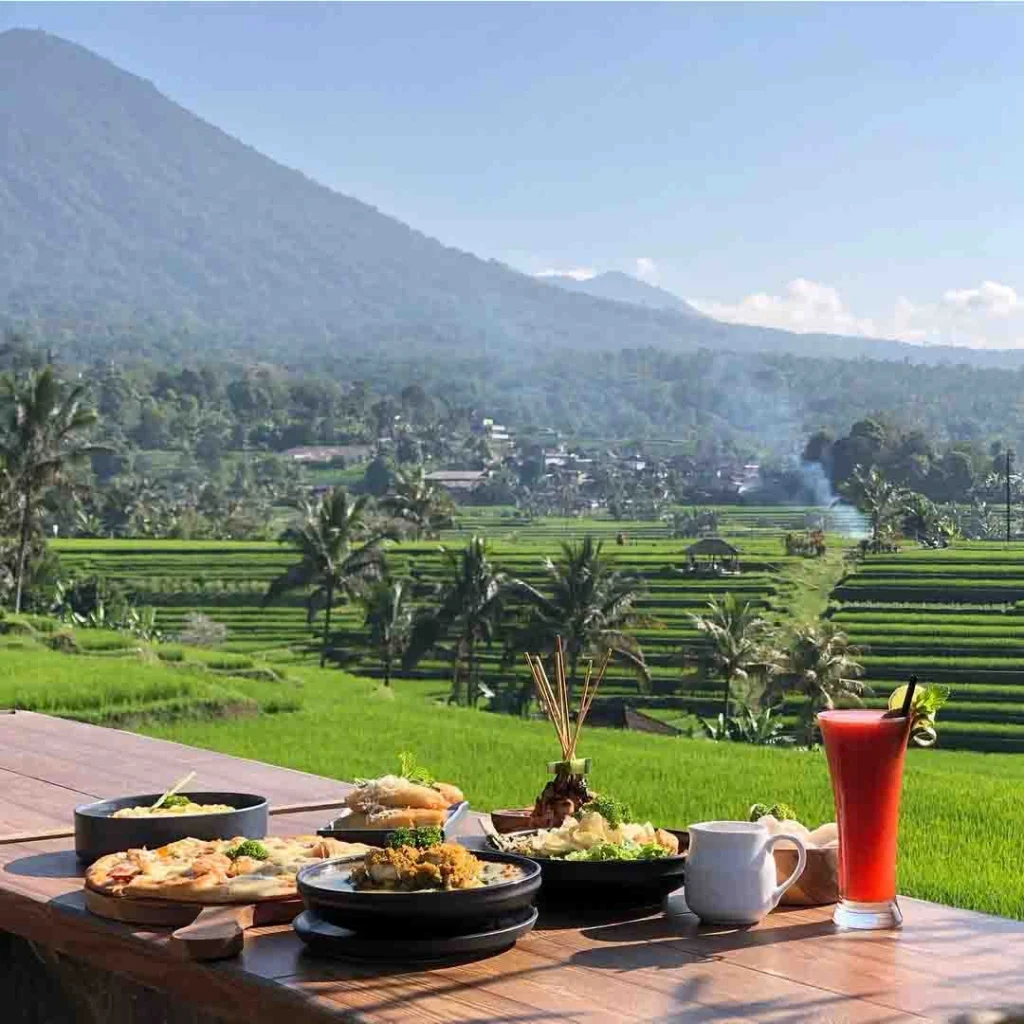
Both areas have plenty of places to eat, but their dining and evening scenes tend to complement different travel styles.
Ubud offers traditional Indonesian food, Balinese dishes, cafés, international restaurants, and a strong selection of vegetarian and wellness-oriented dining. You can combine a meal with a market visit, an evening performance, or a relaxed walk around the centre.
Uluwatu has a coastal dining scene shaped by surf culture, international cuisine, sunset restaurants, bars, and beach clubs. It is particularly appealing if you want to make an ocean-view meal or sunset drink part of your evening plans.
Neither destination should be treated as Bali’s main nightlife district. If late-night clubs and a more intense party scene are your priority, other areas may suit you better. In both Ubud and Uluwatu, the exact location of your accommodation can make a significant difference to how convenient it is to go out and return at night.
You may also want to read this: 7 Best Ubud Cafes with Rice Field Views for a Relaxing Break
Ubud or Uluwatu for Accommodation and Budget?
You can find a range of accommodation in both destinations, from simpler guesthouses to private villas and luxury resorts. The more useful comparison is not which area is universally cheaper, but what your preferred style of stay will cost once location and daily transport are included.
In Ubud, accommodation ranges from central guesthouses and boutique hotels to villas overlooking rice fields or river valleys. Staying near the centre can make restaurants and selected attractions easier to reach on foot, while a secluded villa may offer more privacy at the expense of convenience.
In Uluwatu, options include cliffside resorts, private villas, boutique stays, and accommodation near individual beaches. Properties with dramatic ocean views or close access to popular coastal venues may command higher rates, but prices vary considerably by season, property, and booking dates.
When comparing accommodation, look beyond the nightly rate. Consider whether breakfast is included, how far you will travel for meals and activities, whether a shuttle is available, and how much you may spend on drivers or other transport.
The best value is the place that fits your itinerary without creating unnecessary daily travel or paying for facilities you will rarely use.
How Many Days Should You Spend in Ubud or Uluwatu?
There is no fixed number of days that suits every traveller. The right amount of time depends on whether you want a relaxed stay, a packed sightseeing itinerary, or several days focused on a particular activity.
One to Two Days in Ubud
A short stay can cover selected cultural attractions, a market visit, a traditional performance, or a nearby rice-field landscape. Prioritise a few experiences instead of trying to visit every attraction in the surrounding region.
Three to Four Days in Ubud
This gives you more room to combine cultural experiences with countryside excursions, wellness activities, and slower mornings. It is a useful starting point if inland scenery and Balinese culture are major reasons for your visit.
One to Two Days in Uluwatu
A short coastal stay can include a selected beach visit, sunset at Uluwatu Temple, and dinner overlooking the ocean. Choose beaches carefully and account for access time rather than trying to fit too many into one day.
Three to Four Days in Uluwatu
A longer stay gives you time to explore different beaches, try surfing if conditions and experience allow, enjoy coastal dining, and leave room for unplanned time at your accommodation.
Staying in Both Ubud and Uluwatu
If your overall trip is long enough, dividing your stay between Ubud and Uluwatu can offer more variety than choosing one as a base for the entire holiday. The right split depends on your interests: spend more time inland if you want culture and nature, or more time on the coast if beaches and surfing are central to your plans.
Should You Choose Ubud or Uluwatu, or Visit Both?
If you have limited time, choose the destination that matches your main reason for visiting Bali. Staying in one area and exploring its surroundings can be more rewarding than spending a large part of your holiday travelling between distant attractions.
Choose Ubud if you want an inland base for cultural experiences, rice terraces, wellness, and nature. Choose Uluwatu if you want to focus on beaches, surfing, sunsets, and coastal accommodation.
If you have enough nights to make a change of base worthwhile, consider combining both destinations. The contrast between Ubud’s green inland landscape and Uluwatu’s limestone coastline adds variety to your trip without requiring you to fit every experience into a single area.
A Simple Itinerary for Visiting Both
- Start in Ubud: Spend the first part of your stay exploring cultural attractions, rice-field landscapes, local dining, and the surrounding countryside. Keep your schedule flexible so you can enjoy the area without rushing between stops.
- Move to Uluwatu: Continue south for the coastal part of your trip. Choose a few beaches that match your interests, plan a visit to Uluwatu Temple, and leave time for sunset dining or simply relaxing by the ocean.
- Plan the transfer thoughtfully: Because travel times vary, avoid scheduling a long list of activities on the day you move between the two areas. A private transfer can make the change of base easier, especially if you are travelling with luggage or a group.
This approach gives each destination its own place in your itinerary rather than treating one as a rushed day trip from the other.
Plan Your Bali Stay Around the Experiences You Want
Choosing between Ubud and Uluwatu becomes easier when you start with the experiences that matter most to you. Ubud offers access to Balinese culture, rice-field landscapes, and inland nature, while Uluwatu brings you closer to the island’s southern beaches, limestone cliffs, and sunset views.
At Bali Island Vacations, we believe a well-planned Bali trip should reflect your interests, pace, and travel priorities rather than follow a one-size-fits-all itinerary.
Whether you prefer the cultural and natural surroundings of Ubud, the coastal setting of Uluwatu, or a combination of both, choosing the right base helps you make better use of your time on the island.
Frequently Asked Questions About Ubud or Uluwatu
Is Ubud or Uluwatu better for first-time visitors to Bali?
Neither is automatically better for every first-time visitor. Ubud is a strong choice if you want to explore Balinese culture, rice terraces, temples, and inland nature. Uluwatu is better suited to a beach-focused trip with surfing, coastal scenery, and sunset experiences. If your schedule allows, visiting both provides a broader introduction to Bali.
Is Ubud or Uluwatu better for beaches?
Uluwatu is the better choice for beach access because it sits on Bali’s southern coastline. Ubud is inland and has no beach of its own. However, conditions in Uluwatu vary, and some beaches have strong surf, reef breaks, steep access steps, or tide-dependent conditions.
Is Ubud or Uluwatu more relaxing?
It depends on the kind of relaxation you prefer. Ubud offers wellness retreats, green landscapes, spas, and cultural activities, while Uluwatu offers ocean views, coastal accommodation, and time by the sea. Both can be busy in certain areas, so accommodation location matters.
Is Ubud or Uluwatu better for couples?
Both are good options for couples. Ubud suits couples who enjoy wellness, culture, and green surroundings, while Uluwatu suits those who prefer coastal stays, beaches, and sunset dining. Couples with enough time can combine the two for a more varied trip.
Is Uluwatu close to Ubud?
Ubud and Uluwatu are in different parts of Bali, and the drive can take roughly two hours or longer depending on traffic and the exact locations. A day trip is possible, but staying in both areas is often more practical if you want to explore each in depth.
Can you visit Ubud and Uluwatu in one trip?
Yes. Many itineraries can combine both, provided you allow enough time for travel and avoid moving accommodation too frequently. Ubud works well for inland experiences, while Uluwatu adds a coastal stay.
Is Ubud or Uluwatu better for families with children?
Either can work, depending on your family’s interests and mobility needs. Ubud offers cultural and nature-based activities, while Uluwatu provides beach outings and coastal accommodation. Families should check beach access, swimming conditions, property safety, and transport requirements before booking.
Which is better for a honeymoon: Ubud or Uluwatu?
Choose Ubud for a honeymoon focused on wellness, green scenery, and cultural experiences. Choose Uluwatu for cliffside accommodation, ocean views, and beach days. Combining both can create a varied honeymoon if you have enough time.