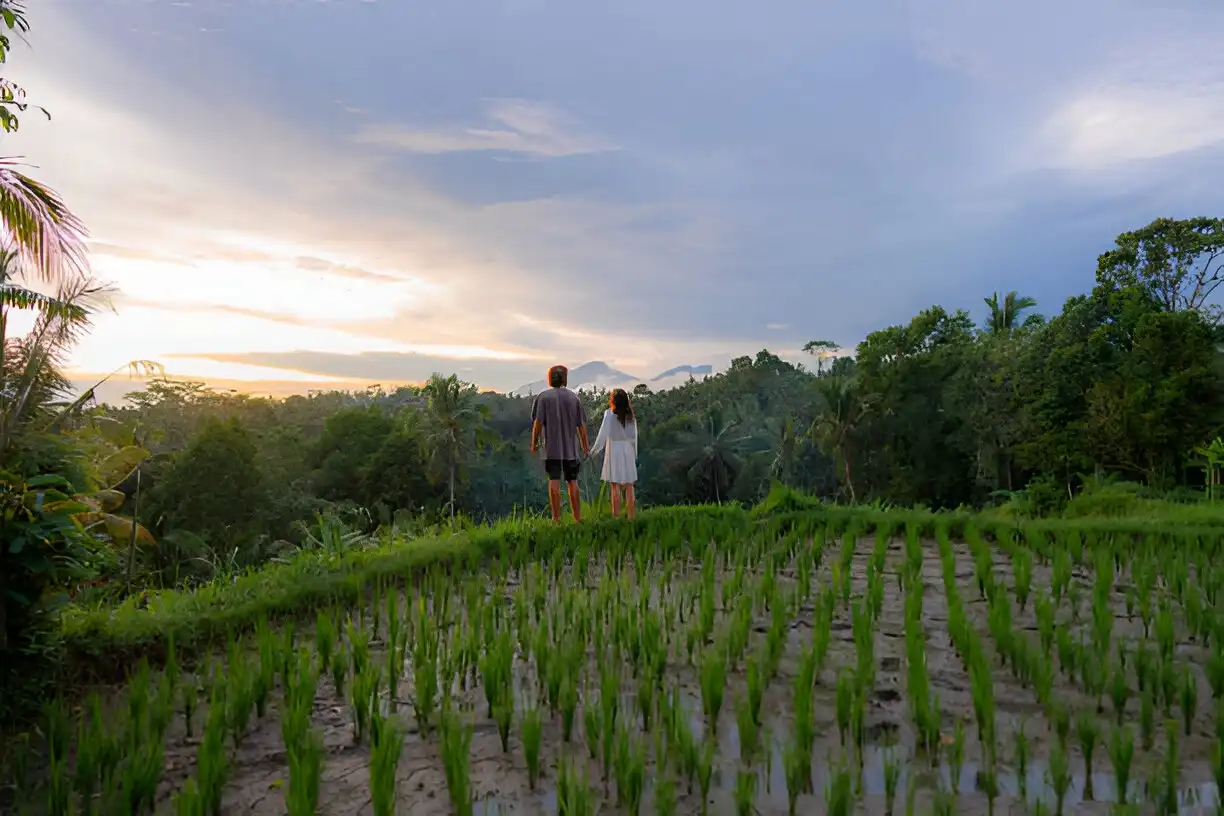
A Bali coffee plantation experience is much more than a simple coffee tasting. While the island is best known for its beaches, temples, and rice terraces, its volcanic highlands are also home to thriving coffee-growing regions where you can learn about traditional farming, sample locally grown coffee, and enjoy spectacular mountain scenery in one visit.
If you’re looking for an activity that combines nature, local culture, and authentic flavors, visiting a coffee plantation is well worth adding to your itinerary.
Is a Bali Coffee Plantation Experience Worth It?
Yes. A Bali coffee plantation experience is absolutely worth it if you want to discover a different side of the island beyond its beaches and popular tourist attractions.
It’s an opportunity to learn how coffee is grown and processed, enjoy fresh local flavors, and experience Bali’s beautiful highland landscapes, all in a relaxed visit that typically takes less than two hours.
Quick Overview
| Category | Details |
|---|---|
| Best For | Coffee lovers, couples, families, cultural experiences, scenic day trips |
| Experience Includes | Coffee farm walk, traditional roasting demonstrations, coffee tasting, mountain scenery, local guide, coffee shopping |
| Typical Duration | 45–90 minutes |
| Best Regions | Kintamani, Ubud, Munduk |
What to Expect During a Bali Coffee Plantation Experience
While every plantation has its own character, the overall experience follows a similar journey, from seeing where coffee is grown to tasting the finished product. Here’s what you can typically expect during your visit.
1. Walk Through a Working Coffee Farm
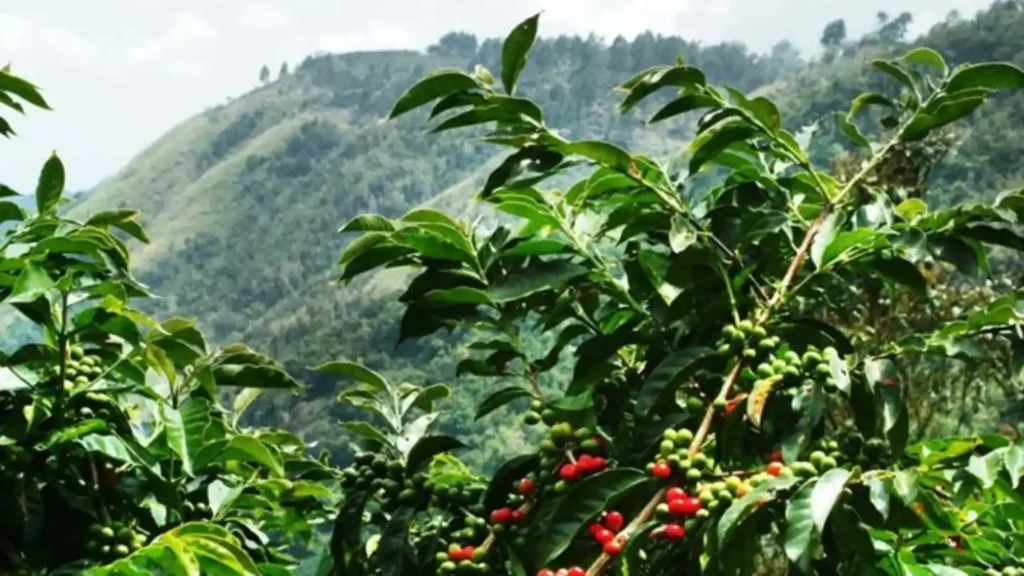
Your experience usually begins with a guided walk through the plantation itself, where you’ll see coffee growing in its natural environment rather than in neatly arranged commercial fields.
Depending on the location, you’ll find both Arabica and Robusta coffee varieties. The most famous is Kintamani Arabica, which thrives in the cooler volcanic highlands around Mount Batur and is known for its bright acidity, smooth body, and subtle citrus notes. Robusta, which is grown in warmer areas at lower elevations, offers a stronger, fuller-bodied flavor that many locals enjoy.
As you walk through the gardens, your guide will often explain:
- How coffee trees are planted and maintained
- The difference between Arabica and Robusta beans
- When coffee cherries are harvested
- How volcanic soil contributes to coffee quality
- Why Bali’s climate creates favorable growing conditions
You’ll also notice that many plantations grow more than coffee. Vanilla, cacao, cloves, cinnamon, tropical fruits, and spices are often cultivated alongside coffee trees, reflecting Bali’s long tradition of mixed farming.
Because coffee harvesting follows seasonal cycles, the appearance of the plantation changes throughout the year. During harvest season, you’ll often see ripe red coffee cherries on the branches, while at other times the focus shifts to cultivation and processing.
2. Learn How Coffee Goes From Cherry to Cup
One of the most valuable parts of visiting a coffee plantation is seeing how coffee is transformed from a fresh fruit into the drink served in your cup.
Rather than simply explaining the process, many plantations demonstrate each stage using traditional methods that have been passed down through generations.
A typical introduction covers:
- Harvesting ripe coffee cherries by hand
- Washing and sorting the beans
- Drying them naturally under the sun
- Roasting over traditional wood-fired or gas roasters
- Grinding the roasted beans
- Brewing fresh coffee for tasting
These demonstrations help you appreciate just how much work goes into producing quality coffee. You’ll also gain a better understanding of why factors such as altitude, rainfall, soil conditions, and roasting techniques all influence the final flavor.
At family-run plantations, guides often share personal stories about their farming traditions, adding cultural context that makes the experience feel far more authentic than a standard coffee tasting.
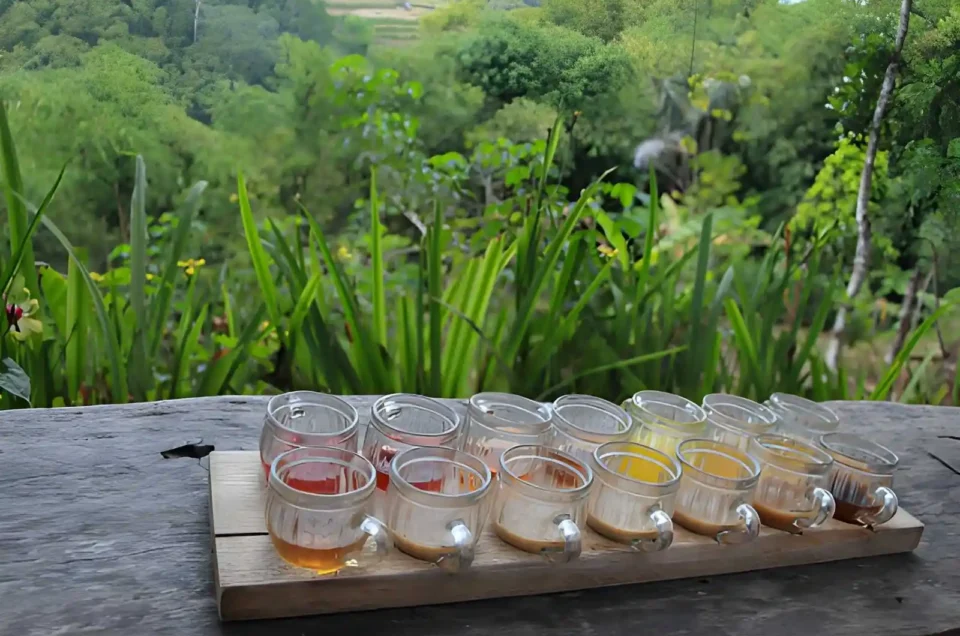
3. Taste Different Balinese Coffees and Herbal Drinks
After learning how coffee is produced, you’ll usually be invited to a tasting session featuring several locally made beverages.
While every plantation offers a slightly different selection, many tastings include:
- Kintamani Arabica coffee
- Traditional Balinese coffee
- Fresh ginger tea
- Lemongrass tea
- Chocolate drinks
- Vanilla coffee
- Herbal infusions made from locally grown ingredients
This is one of the highlights for many visitors because it allows you to compare different flavors side by side rather than ordering a single cup.
If you’re visiting a plantation in Kintamani, don’t miss the opportunity to try Kintamani Arabica. Grown in volcanic soil at higher elevations, it has earned international recognition for its clean, balanced flavor and distinctive citrus notes, making it one of Indonesia’s most respected specialty coffees.
Most plantations also allow you to purchase freshly roasted beans if you discover a variety you’d like to enjoy at home.
4. Understand the Story Behind Kopi Luwak
No coffee plantation experience in Bali is complete without learning about Kopi Luwak, one of the world’s most famous coffees.
Kopi Luwak is produced using coffee cherries that have been eaten and naturally fermented inside the digestive system of the Asian palm civet before the beans are collected, cleaned, roasted, and brewed.
Many plantations explain the history behind this unique production method, but it’s important to understand that not every coffee plantation produces or serves Kopi Luwak. Some choose to focus entirely on high-quality Arabica and Robusta coffees instead.
When considering a Kopi Luwak tasting, it’s also worth being aware of ethical concerns. Responsible plantations are transparent about where their beans come from and prioritize the welfare of civets rather than keeping them in poor conditions for tourism.
In recent years, many coffee enthusiasts have actually chosen Kintamani Arabica over Kopi Luwak, appreciating its award-winning quality, sustainable production, and distinctive flavor profile without the ethical questions associated with civet coffee.
Choosing a plantation that emphasizes quality, transparency, and responsible farming practices often results in a more meaningful and authentic experience.
5. Enjoy the Scenic Highland Environment
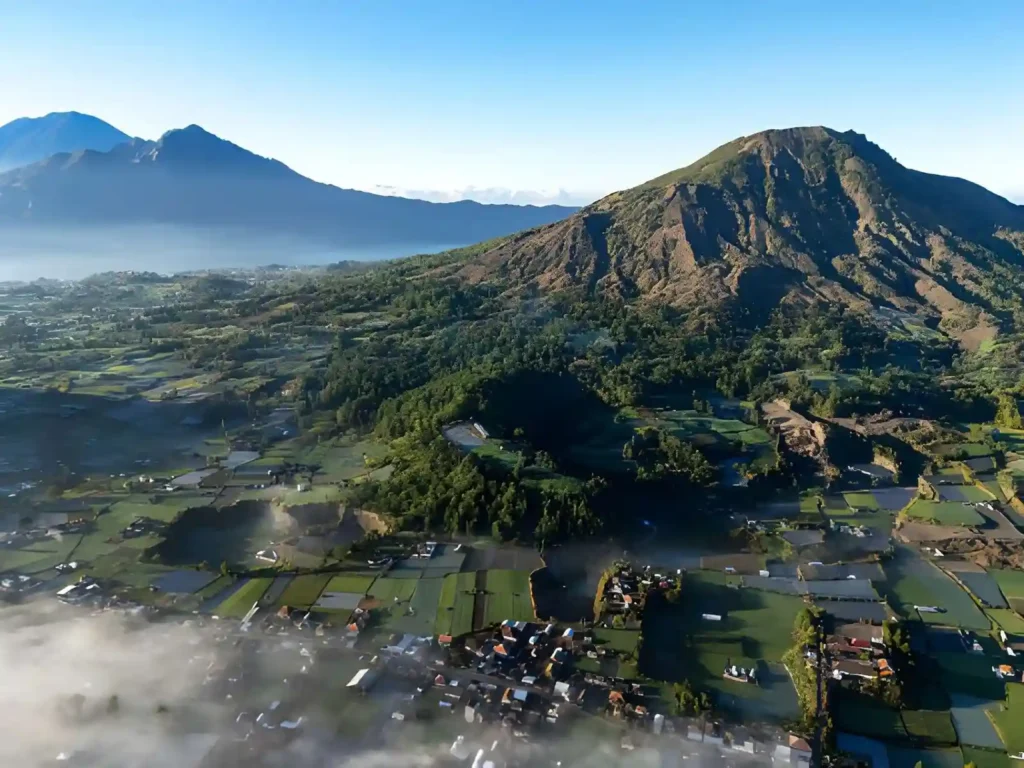
A coffee plantation visit isn’t just about coffee, it’s also an opportunity to experience some of Bali’s most beautiful rural landscapes.
Many plantations are located in the island’s cooler highland regions, where the scenery becomes part of the experience itself. Depending on where you visit, you may find yourself surrounded by:
- Lush tropical gardens
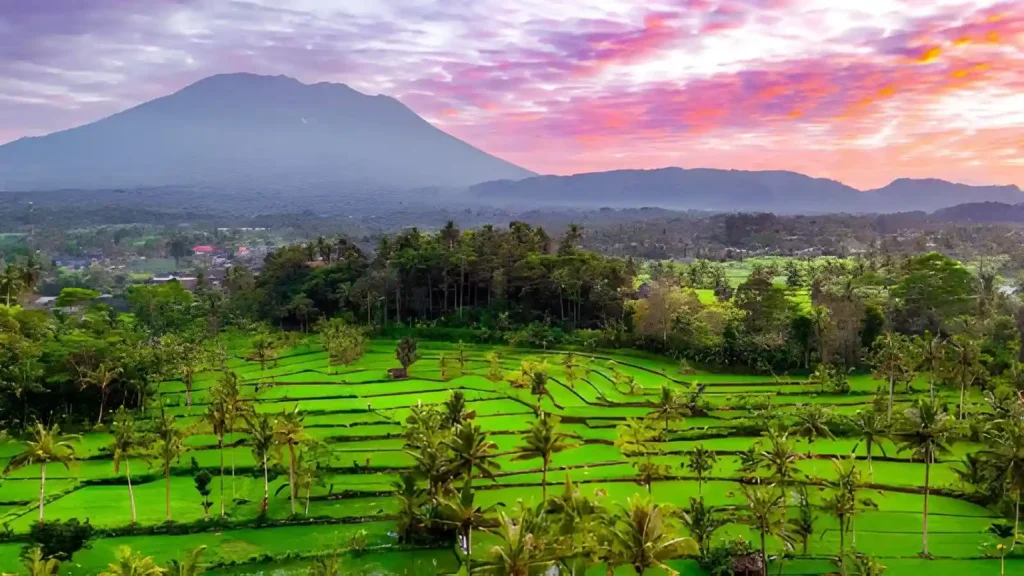
- Terraced rice fields
- Dense forests
- Rolling hills
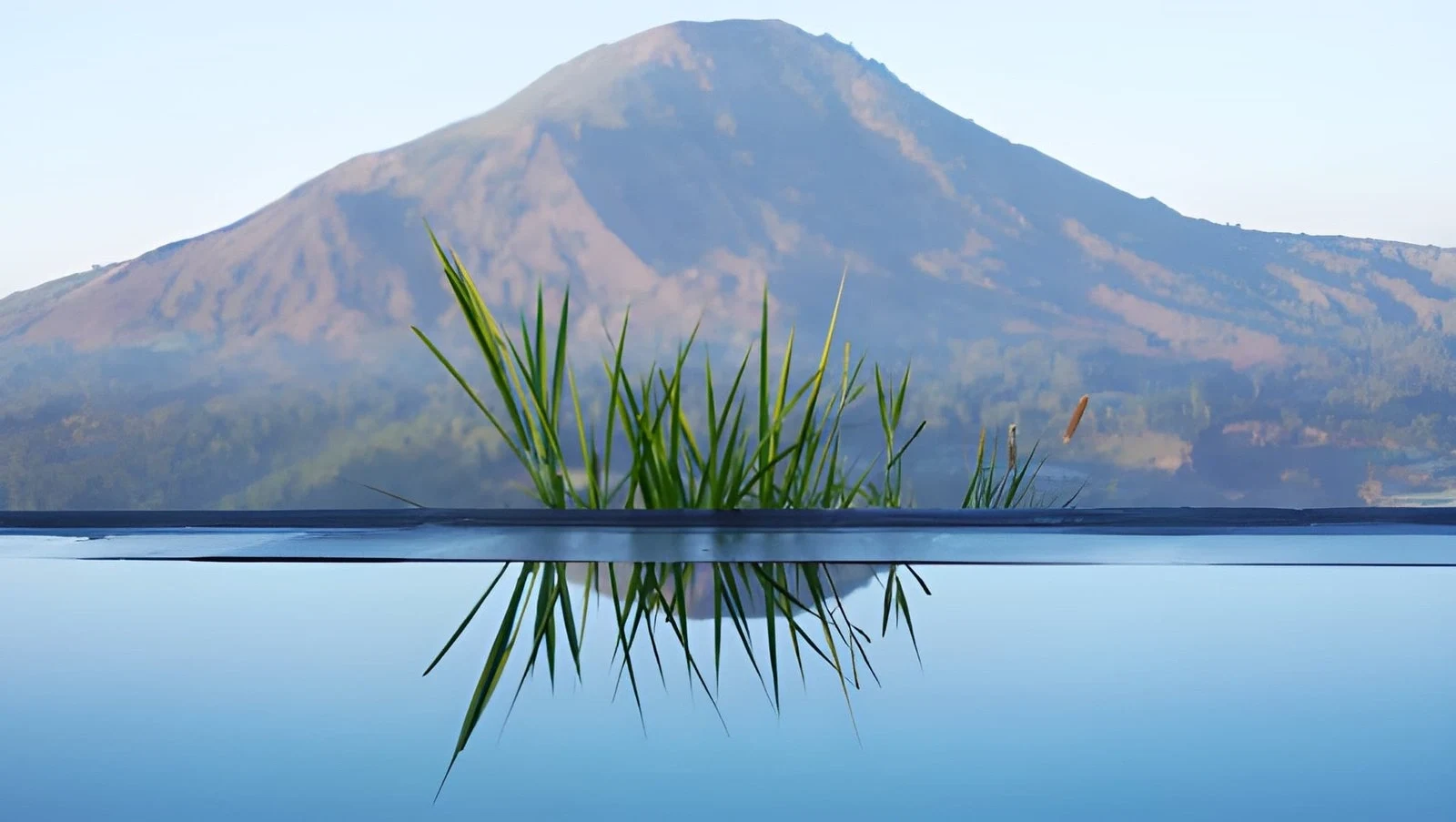
- Panoramic views of Mount Batur
- Fresh mountain air that’s noticeably cooler than Bali’s southern coast
These peaceful settings encourage visitors to slow down, enjoy the surroundings, and spend time taking photographs or relaxing with a freshly brewed cup of coffee.
For many people, this combination of local hospitality, beautiful scenery, and traditional farming is what makes a Bali coffee plantation experience so memorable. It offers a chance to step away from the island’s busiest tourist areas and discover a quieter side of Bali that’s deeply connected to its agricultural heritage and everyday rural life.
Best Areas in Bali for a Coffee Plantation Experience
If you’re planning to include a coffee plantation in your itinerary, these three regions consistently provide the most rewarding experiences.
1. Kintamani – The Best Place for Authentic Balinese Coffee
If you can only visit one coffee-growing region in Bali, Kintamani is the strongest choice.
Located in Bali’s volcanic highlands, Kintamani is home to the island’s most famous coffee-producing area and is internationally recognized for its GI-certified (Geographical Indication) Arabica coffee. The combination of rich volcanic soil, higher elevations, and a cooler climate creates ideal growing conditions that give Kintamani coffee its distinctive bright acidity, smooth body, and subtle citrus finish.
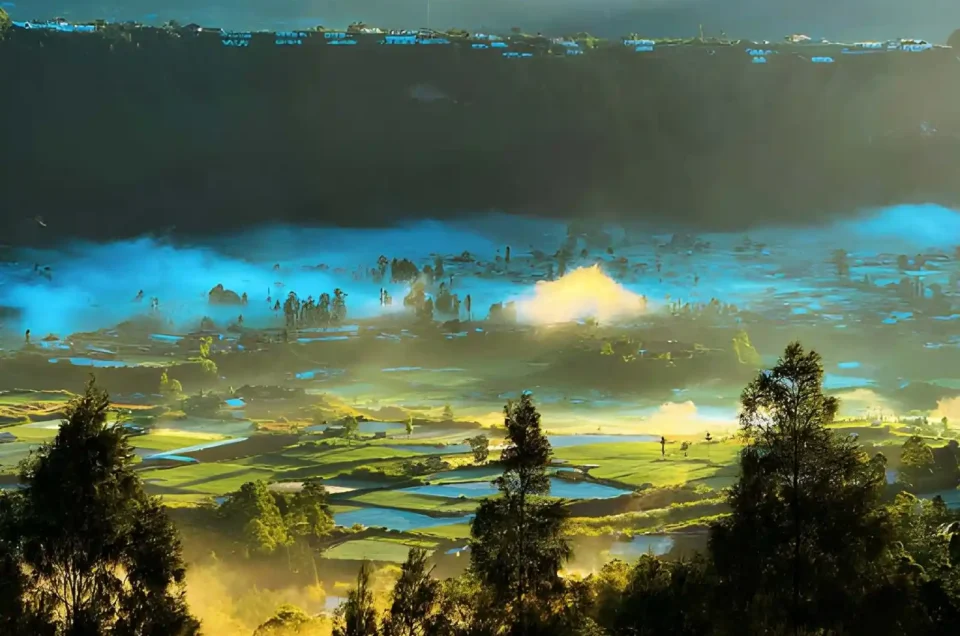
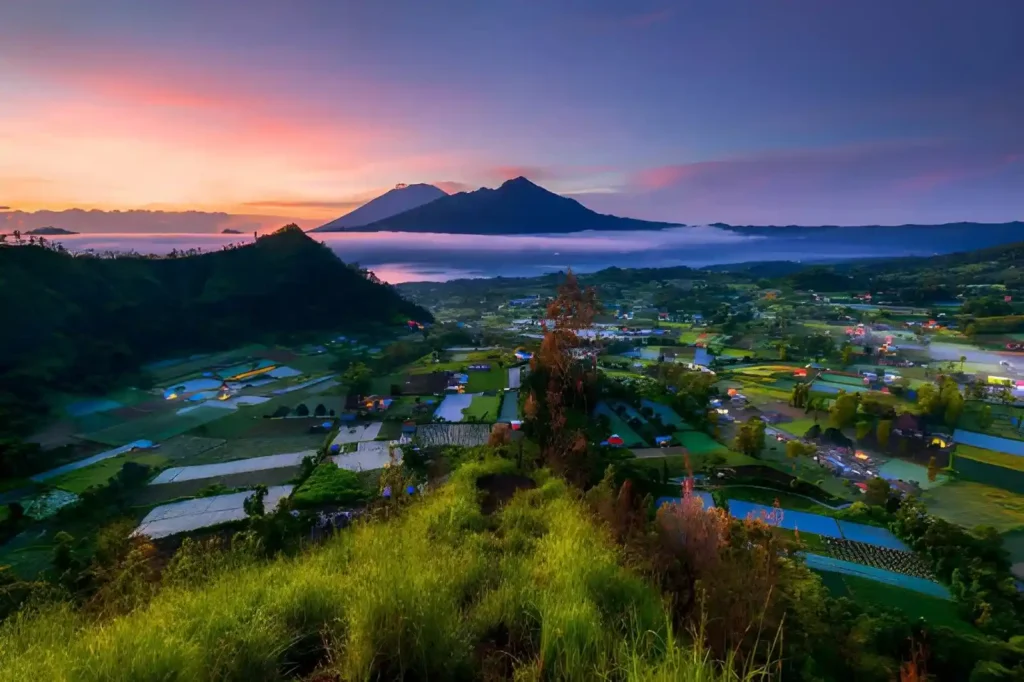
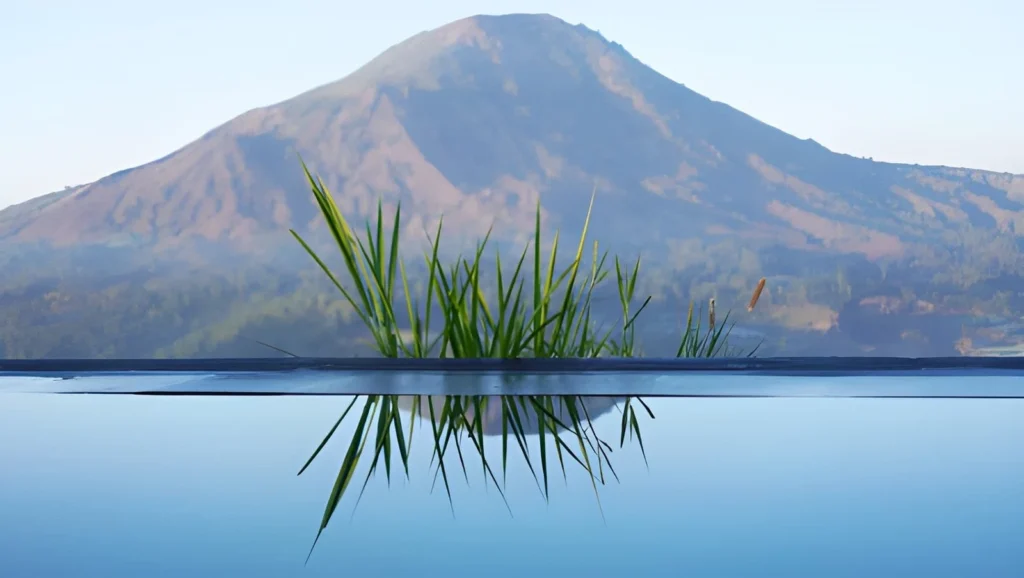
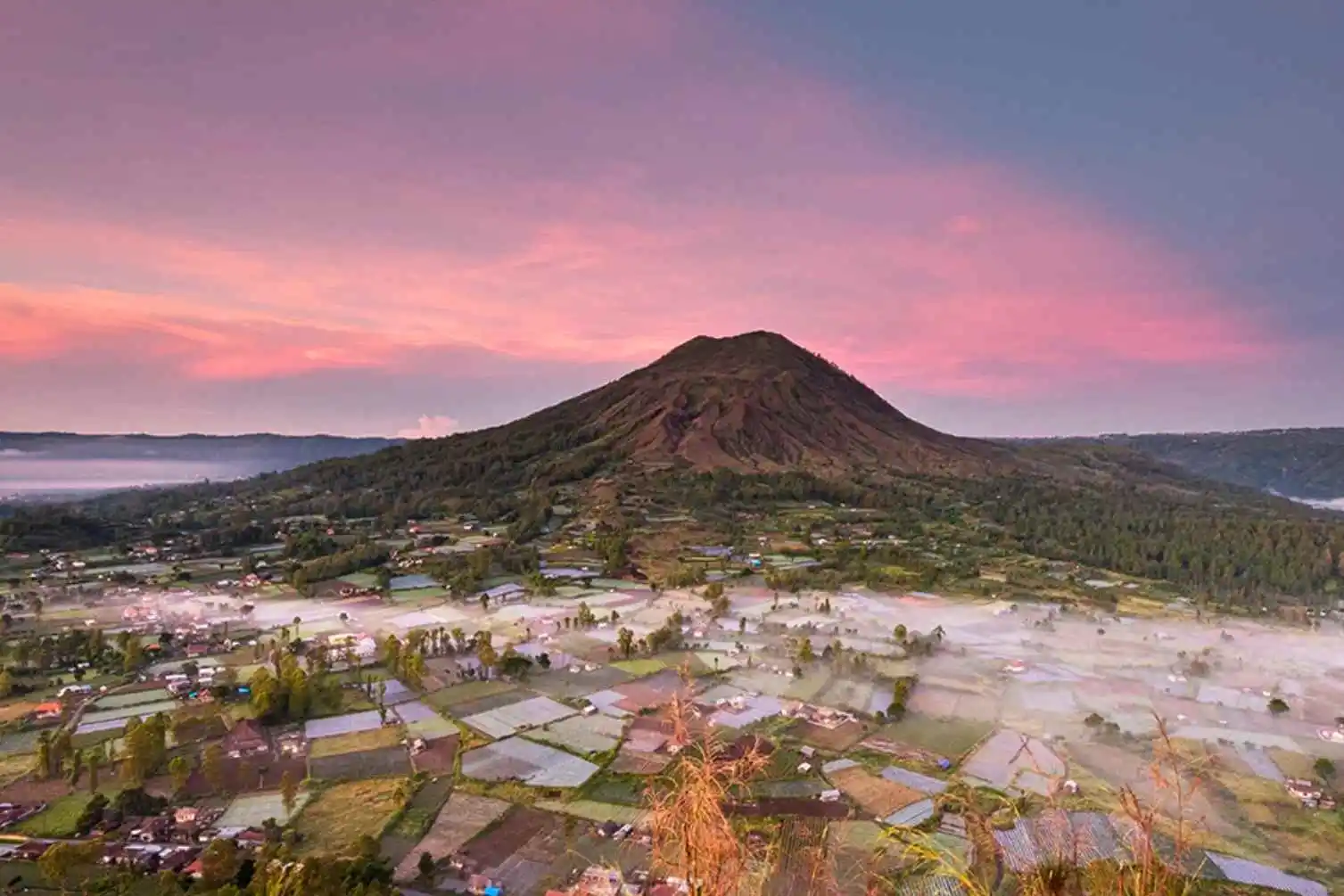
Unlike many lower-altitude plantations, a visit here also rewards you with spectacular scenery. Many coffee plantations are surrounded by panoramic views of Mount Batur, Lake Batur, rolling hills, and lush agricultural landscapes, making the journey just as memorable as the tasting itself.
A coffee plantation visit fits naturally into a full-day Kintamani itinerary and can easily be combined with:
- Mount Batur sunrise trekking
- Natural hot springs
- Scenic cafés overlooking the caldera
- Black Lava Jeep adventures
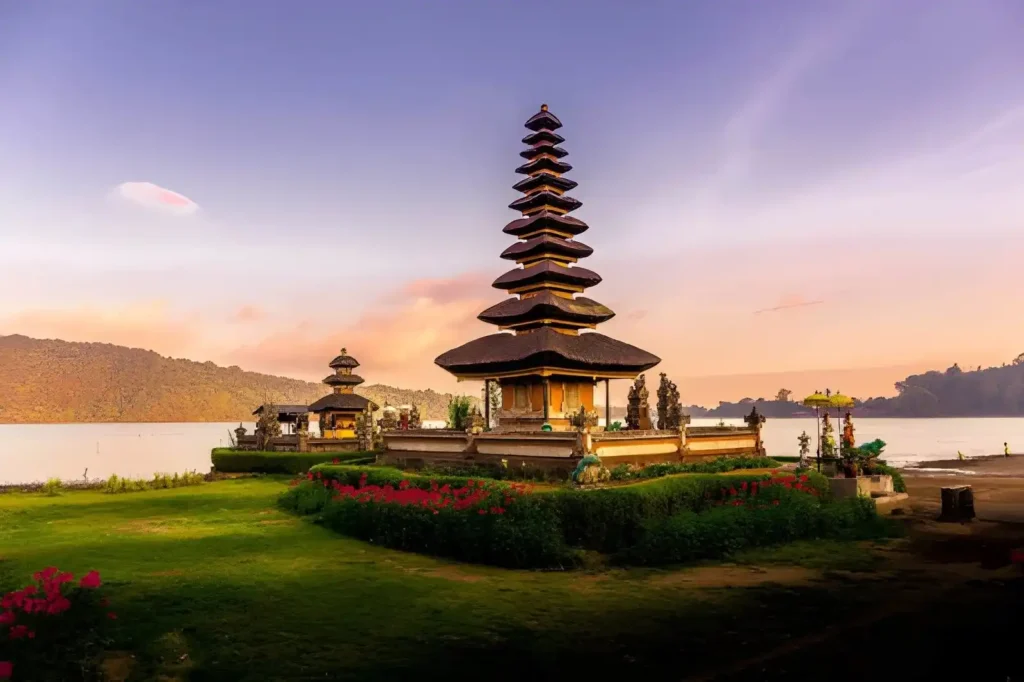
- Ulun Danu Batur Temple
Because you’re already exploring Bali’s central highlands, adding a plantation visit requires very little extra travel time.
For visitors seeking the most authentic coffee experience in Bali, Kintamani remains the benchmark.
You may also want to read this: Visiting Kintamani in 2026: Everything You Need to Know Before You Go
2. Ubud – The Most Convenient Coffee Plantation Experience
If you’re staying in central Bali, Ubud offers the easiest and most accessible way to experience a coffee plantation without traveling far from your accommodation.
The surrounding countryside is home to numerous family-run agrotourism plantations where you can walk through coffee gardens, learn about traditional roasting methods, and sample a wide variety of locally produced coffees and herbal drinks.
One of Ubud’s biggest advantages is flexibility. A plantation visit can easily be incorporated into a day of sightseeing, allowing you to combine several experiences without feeling rushed.
Popular nearby attractions include:
- Tegalalang Rice Terrace
- Tegenungan Waterfall
- Sacred Monkey Forest
- Traditional villages
- Art galleries and craft markets
This makes Ubud an excellent option for first-time visitors who want to experience Bali’s coffee culture while exploring some of the island’s best-known cultural and natural attractions.
Although the scenery differs from Kintamani’s volcanic landscapes, Ubud’s lush forests, river valleys, and rice terraces create an equally relaxing environment for a leisurely coffee stop.
Read more: 7 Best Ubud Cafes with Rice Field Views for a Relaxing Break
3. Munduk – A Quiet Highland Escape for Coffee Lovers
For those looking to escape Bali’s busiest tourist areas, Munduk offers one of the island’s most peaceful and authentic coffee experiences.
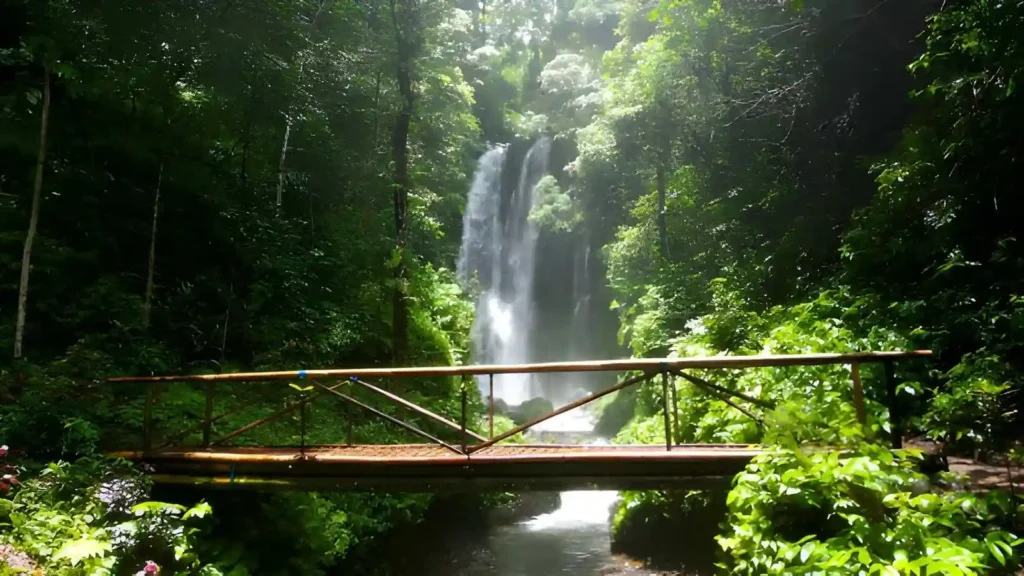
Located in the mountains of North Bali, Munduk is known for its cooler temperatures, misty forests, waterfalls, and traditional farming communities. Coffee plantations here tend to feel less commercial, with many remaining closely connected to local agricultural life.
Instead of large tasting areas designed for tour groups, you’ll often find smaller farms where the focus is on coffee cultivation, local hospitality, and the surrounding natural environment.
A visit to Munduk can also be combined with several nearby attractions, including:
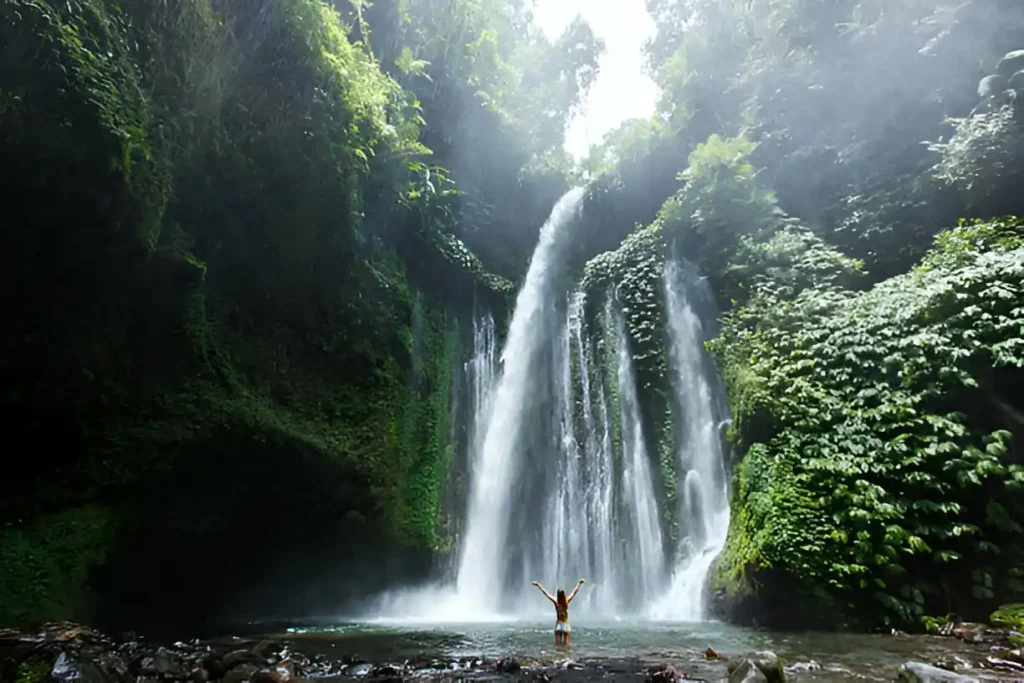
- Banyumala Twin Waterfall
- Ulun Danu Beratan Temple
- Twin Lakes viewpoints
- Forest hiking trails
- Scenic mountain drives through North Bali
The slower pace is one of Munduk’s greatest strengths. Rather than rushing between attractions, visitors often spend more time talking with local producers, enjoying freshly brewed coffee, and appreciating the quieter atmosphere.
If your idea of a Bali coffee plantation experience involves beautiful mountain scenery, fewer crowds, and a stronger connection to local farming traditions, Munduk is one of the island’s most rewarding destinations.
Add a Coffee Plantation to Your Bali Day Trip
Whether you’re exploring Kintamani’s volcanic highlands, discovering Ubud’s rice terraces, or combining coffee plantations with waterfalls and cultural attractions, Bali Island Vacations can help you create customized itineraries, arrange private drivers, and design day trips that let you experience Bali at a comfortable pace.
Continue exploring Bali with our related guides below..
- The Ultimate Bali Itinerary for First Timers (7 Days in Bali)
- 5 Best Kintamani Hot Springs for Relaxing Lake Views
- Food to Try in Bali for an Authentic Local Experience
Frequently Asked Questions
Is a Bali coffee plantation worth visiting?
Yes. A Bali coffee plantation offers much more than coffee tasting. You’ll learn how coffee is grown and processed, explore scenic plantations, sample locally produced drinks, and experience a side of Bali that’s closely connected to its agricultural heritage.
Where is the best coffee plantation in Bali?
Kintamani is widely considered the best region thanks to its GI-certified Arabica coffee, volcanic soil, and spectacular mountain scenery. Ubud is ideal for convenience, while Munduk offers a quieter and more authentic highland experience.
What happens during a coffee plantation tour?
Most visits include a guided walk through the plantation, an introduction to traditional coffee production, demonstrations of roasting and brewing, a tasting session featuring coffee and herbal drinks, and the opportunity to purchase locally produced coffee.
Is kopi luwak included in coffee tastings?
It depends on the plantation. Some include Kopi Luwak as part of their tasting experience, while others offer it as an optional upgrade or choose to focus entirely on Arabica and Robusta coffee. Availability varies between plantations.
Is Kintamani coffee different from regular coffee?
Yes. Kintamani Arabica is internationally recognized for its bright acidity, smooth body, and light citrus notes. The unique flavor comes from the region’s volcanic soil, cooler temperatures, and high-altitude growing conditions.
How long does a coffee plantation visit take?
Most coffee plantation experiences take between 45 and 90 minutes, although many visitors stay longer if they want to enjoy the scenery or relax with a freshly brewed cup of coffee.
Can children visit coffee plantations?
Absolutely. Most plantations are family-friendly and children can enjoy walking through the gardens, learning about coffee farming, and sampling non-coffee drinks such as hot chocolate or herbal teas.
Can I buy coffee directly from the plantation?
Yes. Nearly every plantation has a small shop where you can purchase freshly roasted coffee beans, ground coffee, herbal teas, chocolate products, and locally made souvenirs to take home.