Tanah Lot Temple is one of Bali’s most recognizable cultural landmarks, set on an offshore rock formation along the coast of Tabanan. The temple is especially famous for its dramatic sunset views, but the experience goes beyond the iconic silhouette you see in photographs.
A visit to Tanah Lot also gives you the chance to explore a wider temple area, see other sacred sites along the coast, and experience how the landscape changes with the tide.
Here’s what you should know about Tanah Lot Temple, including its history, what to see, and the best way to plan your visit.
What Is Tanah Lot Temple Known For?
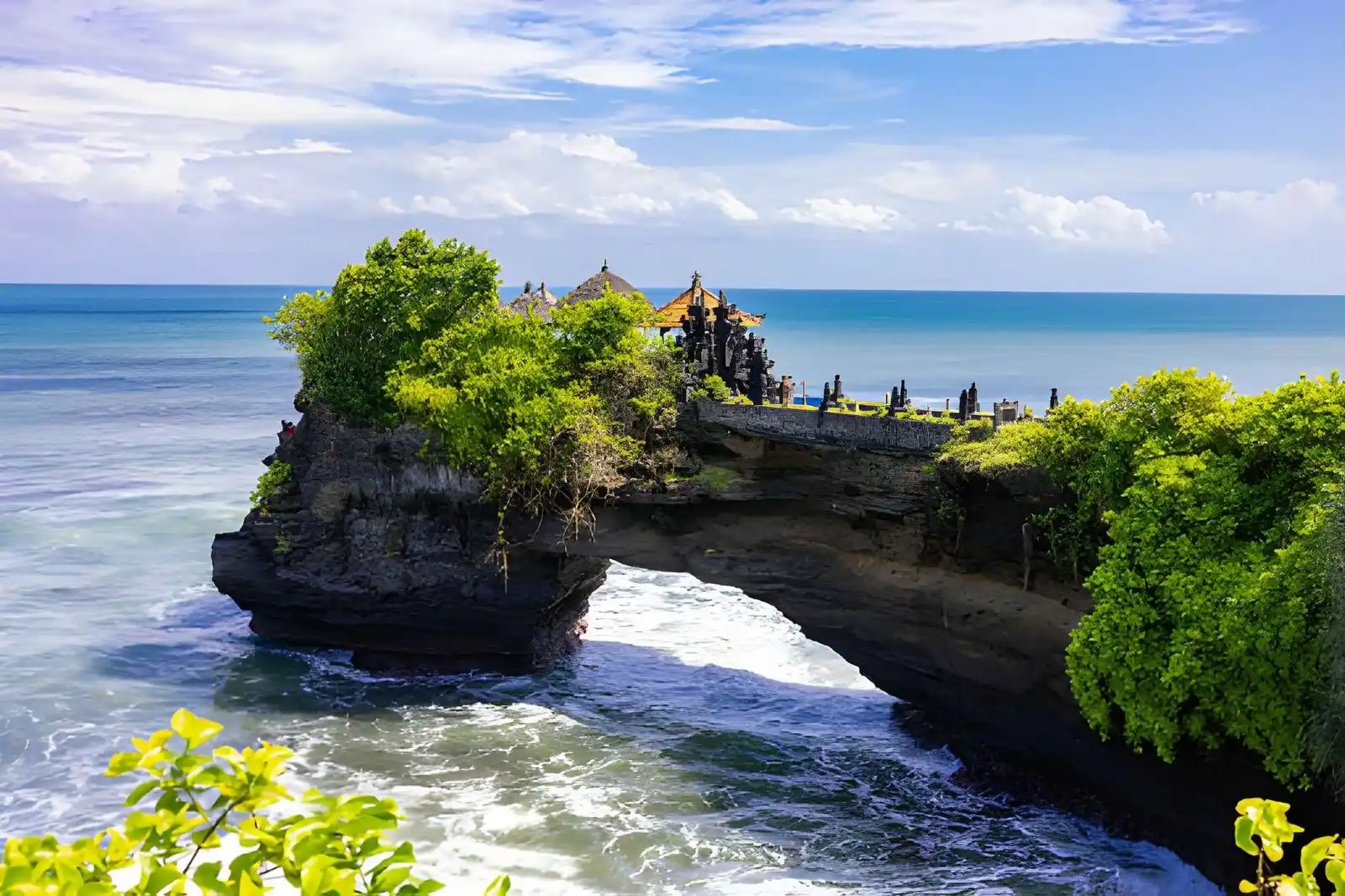
Tanah Lot is a Hindu sea temple located in Beraban Village, Kediri, Tabanan, on Bali’s southwest coast. The main temple stands on an offshore rock formation that sits roughly 300 meters from the shoreline, creating the distinctive setting that has made Tanah Lot one of Bali’s most photographed landmarks.
The temple is closely associated with the sea and is traditionally linked to Bhatara Segara, the deity of the sea. Its position also creates a changing visual experience throughout the day.
At lower tide levels, the rock and surrounding coastal area are more exposed, while higher tides can make the temple appear more isolated from the mainland.
Tanah Lot Temple at a Glance
| Tanah Lot Temple | |
|---|---|
| Location | Beraban, Tabanan, Bali |
| Known for | Sea temple, coastal scenery & sunset |
| Setting | Offshore rock formation |
| Main attraction | Pura Tanah Lot |
| Nearby temple | Pura Batu Bolong |
| Best experience | Late afternoon and sunset |
| Best for | Culture, photography & coastal scenery |
| Recommended time | Around 1.5–2 hours |
The History & Meaning of Tanah Lot Temple
Tanah Lot’s history is traditionally connected with Dang Hyang Nirartha, a revered Hindu priest associated with the spread of Hindu teachings in Bali. According to the Dwijendra Tattwa tradition, Nirartha traveled along Bali’s southern coast and eventually reached the area now associated with Tanah Lot.
The Story of Dang Hyang Nirartha
According to local tradition, Nirartha recognized the spiritual significance of the rocky offshore location and established a temple there. The temple became associated with Bhatara Segara, or the deity of the sea.
The story also describes opposition from the local leader of Beraban before Nirartha’s teachings eventually gained acceptance. These accounts form an important part of the cultural story surrounding Tanah Lot, although they should be understood as traditional and religious narratives rather than modern historical records.
The Legend of the Sacred Sea Snakes
One of Tanah Lot’s best-known legends involves sacred snakes believed to protect the temple. According to the traditional story, Nirartha created the snakes from his sash to guard the temple against unwanted intruders.
The snakes are therefore part of Tanah Lot’s cultural mythology and are traditionally regarded as guardians of the sacred site.
Why Tanah Lot Is Built by the Sea
The coastal setting is central to the identity of Tanah Lot. Rather than being a temple simply placed beside the ocean, the offshore rock formation gives the temple a strong connection with the sea and creates the distinctive landscape seen today.
This setting is also why tide matters so much when you visit. The relationship between the temple, rock, shoreline, and ocean changes throughout the day, giving you different views depending on the conditions.
What to See at Tanah Lot Temple
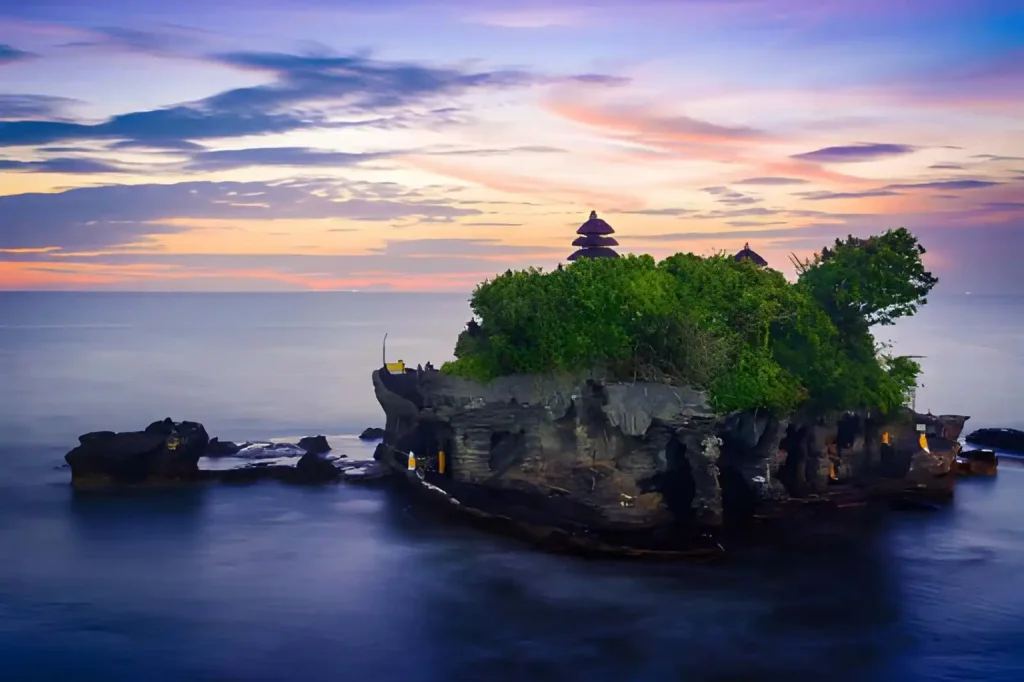
The most famous image of Tanah Lot is the main temple rising above the ocean, but there is more to explore around the site. Here’s where you can focus your time if you want to experience more than the classic sunset viewpoint.
1. Pura Tanah Lot
The main temple is the centerpiece of the area, positioned on an offshore rock formation facing the Indian Ocean. Its silhouette against the sea is what makes Tanah Lot instantly recognizable, particularly around sunset.
The temple itself remains an active sacred site, so the experience is primarily about appreciating its setting and surrounding area rather than treating it like a conventional tourist attraction.
2. Pura Batu Bolong
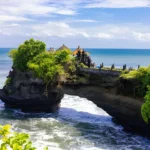
Pura Batu Bolong is another important temple in the Tanah Lot area, built on a rocky outcrop with a natural opening beneath it. Its elevated coastal position provides a different perspective from the main Tanah Lot viewpoint.
Because Batu Bolong is part of the wider Tanah Lot area, adding it to your visit gives you another coastal viewpoint without requiring a separate long journey.
3. The Coastal Viewpoints
Several points around the Tanah Lot area provide views toward the main temple, ocean, and surrounding coastline. These viewpoints become particularly popular in the late afternoon when the light begins to change.
Rather than staying in one place for the entire visit, walk around the designated areas and look for different perspectives before sunset. This also gives you a better sense of how the temple sits within the wider coastal landscape.
4. The Holy Spring
A holy spring is located around the Tanah Lot temple area and is associated with the religious significance of the site. Access and activities around sacred areas can depend on local conditions and religious practices, so follow the instructions of temple staff and local officials when you visit.
5. The Wider Temple Area
If you have extra time, look beyond the main temple for other sacred sites within the Tanah Lot complex. The area includes Pura Pekendungan, Pura Jro Kandang, Pura Enjung Galuh, and Pura Batu Mejan, each with its own cultural associations and local traditions.
This wider setting is one reason it is worth arriving before sunset. You can explore the area first instead of arriving just before the sun disappears and spending the entire visit in one crowded viewpoint.
Best Time to Visit Tanah Lot Temple
The best time to visit Tanah Lot depends on what you want from the experience. Late afternoon is ideal if your priority is sunset, while morning can be better if you prefer a quieter atmosphere and softer conditions for exploring and photography.
Best Time for Sunset
If sunset is your main reason for visiting, plan to arrive well before sunset rather than timing your arrival for the exact moment the sun goes down.
Arriving earlier gives you time to enter the area, explore the temple surroundings, walk toward Batu Bolong, and choose a suitable viewpoint. It also gives you a buffer for traffic and crowds, which can become heavier toward the end of the afternoon.
A good approach is to arrive around 1.5–2 hours before sunset, giving you enough time to explore without turning the visit into a rushed photo stop.
Is Morning a Good Time to Visit Tanah Lot?
Yes. Morning is a good alternative if sunset crowds are not your priority.
You can enjoy a calmer atmosphere, explore the temple surroundings at a more relaxed pace, and photograph the coastal landscape without waiting for the late-afternoon crowd. The lighting is also very different from sunset, giving you another way to experience the landscape.
How Does the Tide Affect Tanah Lot?
Tide can significantly change how Tanah Lot looks and how close you can get to parts of the rocky shoreline.
At lower tide levels, more of the surrounding rock and shoreline becomes visible, creating a different perspective of the temple. During higher tide, waves surround more of the rock formation, making the temple appear more isolated from the mainland.
This is why checking the tide alongside the sunset time can make your visit more rewarding. If you want the classic image of Tanah Lot appearing dramatically surrounded by the sea, higher water can create a striking scene.
If you want to see more of the rocky base and coastal area, lower tide may offer a different experience.
Best Things to Do at Tanah Lot
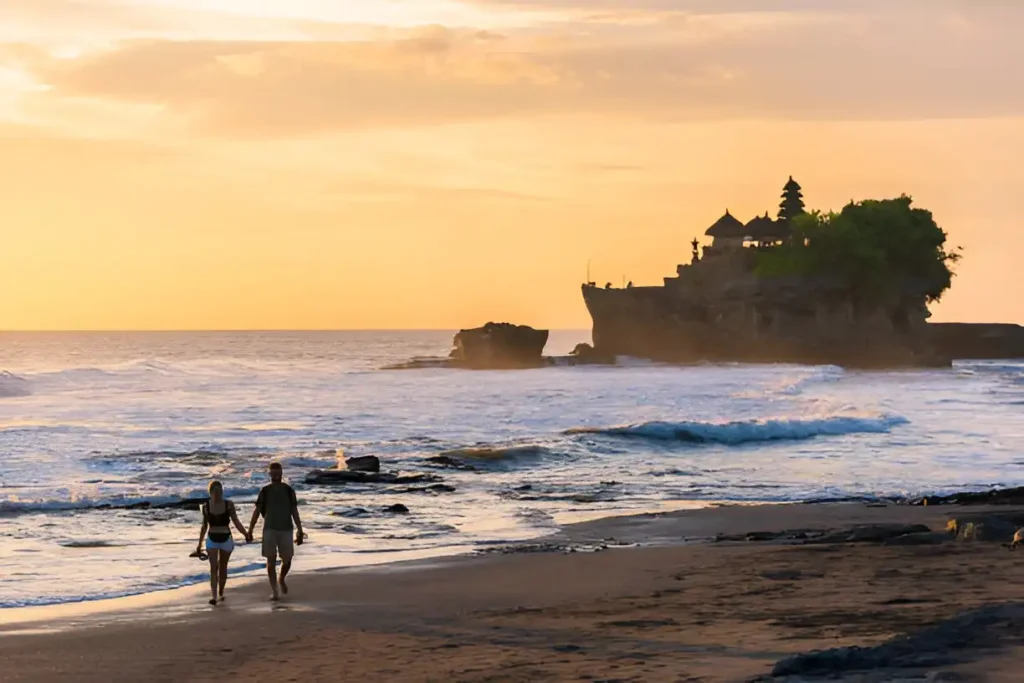
Once you have explored the main temple area, there are several ways to make your visit more than a quick photo stop. Here’s where you can focus your time depending on what you want to experience.
1. Walk Around the Temple Complex
Take time to explore the designated paths around the Tanah Lot area instead of heading directly to the most famous viewpoint. Walking gives you different perspectives of the temple, coastline, rock formations, and surrounding landscape.
The area is also equipped with facilities including parking, toilets, restaurants, shops, an information center, and other visitor services, making it easy to spend a few hours around the attraction.
2. Visit Pura Batu Bolong
Pura Batu Bolong is one of the key places to add to your visit. Built on a rocky coastal formation with a natural opening beneath it, the temple provides a different setting and perspective from Pura Tanah Lot.
Because it sits within the wider Tanah Lot area, you can visit both without adding another long drive to your itinerary.
3. Experience the Holy Spring Area
The holy spring is associated with the religious identity of Tanah Lot and is located around the base of the temple area. If access is available during your visit, follow the local rules and instructions rather than treating the spring as a conventional attraction.
Conditions around the rocky area can change with the tide, so do not attempt to cross slippery rocks or enter restricted areas simply to get closer to the temple.
4. Explore the Local Shops and Food
The area around Tanah Lot includes art shops, local products, restaurants, and food stalls, making it easy to combine sightseeing with a meal or a short break.
This is particularly useful if you arrive early for sunset. Instead of waiting at one viewpoint for hours, you can explore the surrounding area and take a break before returning to the coast for the evening light.
5. Photograph Tanah Lot From Different Angles
Tanah Lot is one of those places where moving a few minutes along the coastline can completely change your composition. Try photographing the temple with the ocean in the foreground, use the surrounding cliffs and rocks to frame the scene, and look for wider views that show the temple within the coastal landscape.
If you are planning a commercial photo or video shoot, note that the official management asks people conducting photo sessions, drone flights, filming, or other commercial activities to report to management.
Tanah Lot Temple Entrance Fee & Opening Hours
Planning your visit around the ticket price and operating hours is straightforward, but it is worth checking the latest information before you go. The official Tanah Lot management currently lists separate admission rates for domestic and foreign guests.
Current Entrance Fee
Foreign guests:
- Adult: IDR 75,000
- Child: IDR 40,000
Domestic guests:
- Adult: IDR 30,000
- Child aged 5–10: IDR 20,000
Vehicle parking:
- Motorcycle: IDR 3,000
- Car: IDR 5,000
- Larger vehicle: IDR 10,000
These are the rates currently published by the official Tanah Lot management. Since entrance fees can change, check the latest rate before your visit.
Opening Hours
Tanah Lot is generally open from the morning through the evening, with the main sightseeing period extending toward sunset. Indonesia Travel currently lists the attraction as operating from morning to sunset, while another current Indonesia Travel guide lists 06:00–19:00 WITA.
For the best experience:
- Morning: quieter atmosphere and easier sightseeing
- Late afternoon: best for exploring before sunset
- Sunset: busiest period and most popular for photography
- Arrive early: recommended if sunset is your main goal
Tip: If you plan to visit specifically for sunset, don’t arrive at the last minute. Give yourself enough time to enter, walk through the complex, explore Batu Bolong, and find a suitable viewing position.
Tanah Lot Temple Dress Code & Visitor Etiquette
Tanah Lot is both a major cultural attraction and an active Balinese Hindu site, so you should treat the temple area with the same respect you would give other sacred places in Bali. You can enjoy the scenery and surrounding complex, but some areas are reserved for religious activities.
What Should You Wear?
Choose comfortable clothing that is respectful of the temple environment:
- Cover your shoulders and knees when entering temple areas
- Bring a sarong and sash if you plan to visit other temples during the same day
- Wear comfortable footwear with good grip
- Avoid overly revealing beachwear around the temple grounds
Indonesia Travel recommends modest clothing that covers the shoulders and knees when entering temple grounds, with sarongs and sashes commonly provided at temple entrances.
Temple Etiquette to Follow
A few simple rules will help you enjoy Tanah Lot without disturbing its religious function:
- Follow signs and instructions from temple staff
- Do not enter restricted or sacred areas
- Do not climb temple structures or sacred rocks
- Avoid stepping on canang sari and other offerings
- Keep your distance from religious ceremonies
- Speak quietly around worshippers and ceremonial areas
- Ask permission before photographing people involved in religious activities
Photography & Drone Rules
Photography for personal use is generally part of the Tanah Lot experience, but commercial photography, filming, and drone activities require additional attention. The official Tanah Lot management asks visitors conducting photo sessions, drone flights, filming, or other commercial activities to report to management.
The easiest rule to remember is simple: enjoy the views, but treat Tanah Lot as a living temple rather than just a photo spot.
For more ideas on Bali temples, cultural attractions, and places to include in your itinerary, explore our related Bali travel guides below.
- Guide to Besakih Temple: Fees, Etiquette, What to See & More
- Ulun Danu Beratan Temple: Complete Guide to Bali’s Floating Lake Temple
- 10+ Unique Cultural Experiences in Bali You Can Truly Feel
Make Tanah Lot More Than a Sunset Stop
Tanah Lot is worth adding to your Bali itinerary if you want to combine one of the island’s most recognizable temples with coastal scenery, local culture, and a memorable sunset.
The experience becomes much more rewarding when you arrive early enough to explore the surrounding temple area, visit Batu Bolong, and pay attention to how the coastline changes with the tide rather than treating Tanah Lot as a quick photo stop.
If you want to include Tanah Lot as part of a wider Bali route, Bali Island Vacations can help you connect the temple with other destinations that fit naturally into your itinerary.
Whether you are planning a West Bali day trip or combining Tanah Lot with nearby cultural and coastal attractions, giving each stop the right amount of time can make your Bali experience feel much more relaxed and well planned.
Frequently Asked Questions About Tanah Lot Temple
What is Tanah Lot Temple famous for?
Tanah Lot is famous for its Hindu temple set on an offshore rock formation, dramatic coastal scenery, and sunset views. It is one of Bali’s most recognizable cultural landmarks.
Where is Tanah Lot Temple located?
Tanah Lot Temple is located in Beraban Village, Kediri District, Tabanan Regency, on Bali’s southwest coast.
What is the best time to visit Tanah Lot?
Late afternoon is the best time if you want to experience the famous sunset. Arrive around 1.5–2 hours before sunset so you have time to explore the area and find a good viewpoint.
Is Tanah Lot better at high tide or low tide?
Both offer different experiences. Higher tide can make the temple appear more isolated by the sea, while lower tide exposes more of the surrounding rock and shoreline. Your preferred experience should determine which conditions you look for.
Can you enter Tanah Lot Temple?
The main temple is an active sacred site, and access to its inner areas is restricted. You can explore the surrounding temple complex and designated viewpoints while following local rules and staff instructions.
How much is the entrance fee to Tanah Lot Temple?
The official Tanah Lot management currently lists admission at IDR 75,000 for foreign adults and IDR 40,000 for foreign children. Domestic rates are IDR 30,000 for adults and IDR 20,000 for children aged 5–10. Rates can change, so check the latest information before your visit.
How long do you need at Tanah Lot?
Around 1.5–2 hours is enough for a basic visit. Allow additional time if you want to explore Batu Bolong, visit other areas of the complex, have a meal, or stay for sunset.
What should you wear to Tanah Lot Temple?
Wear respectful clothing that covers your shoulders and knees when required in temple areas. Comfortable footwear is also recommended because you will be walking through the attraction and around uneven coastal areas.
Is Tanah Lot crowded at sunset?
Yes. Sunset is the most popular time to visit, so the area can become considerably busier in the late afternoon. Arriving early gives you more time to explore and choose a viewing position before the crowds build up.
Can you visit Tanah Lot and Batu Bolong together?
Yes. Pura Batu Bolong is part of the wider Tanah Lot area, so you can include both in the same visit without making a separate long journey.
Is Tanah Lot worth visiting?
Yes, especially if you enjoy cultural sites, coastal scenery, photography, and sunset experiences. It is particularly worthwhile when you give yourself enough time to explore beyond the main temple viewpoint.