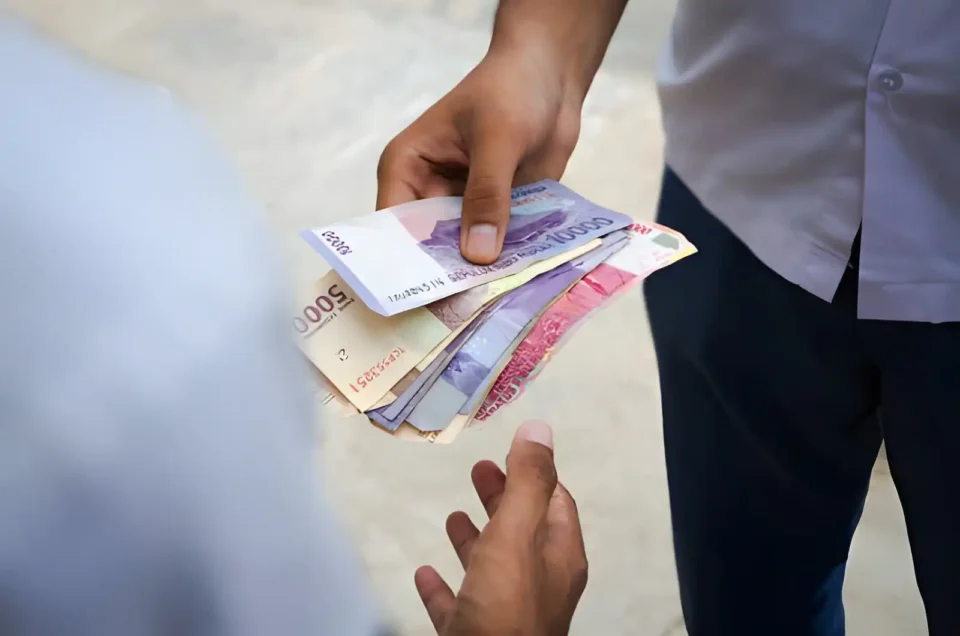
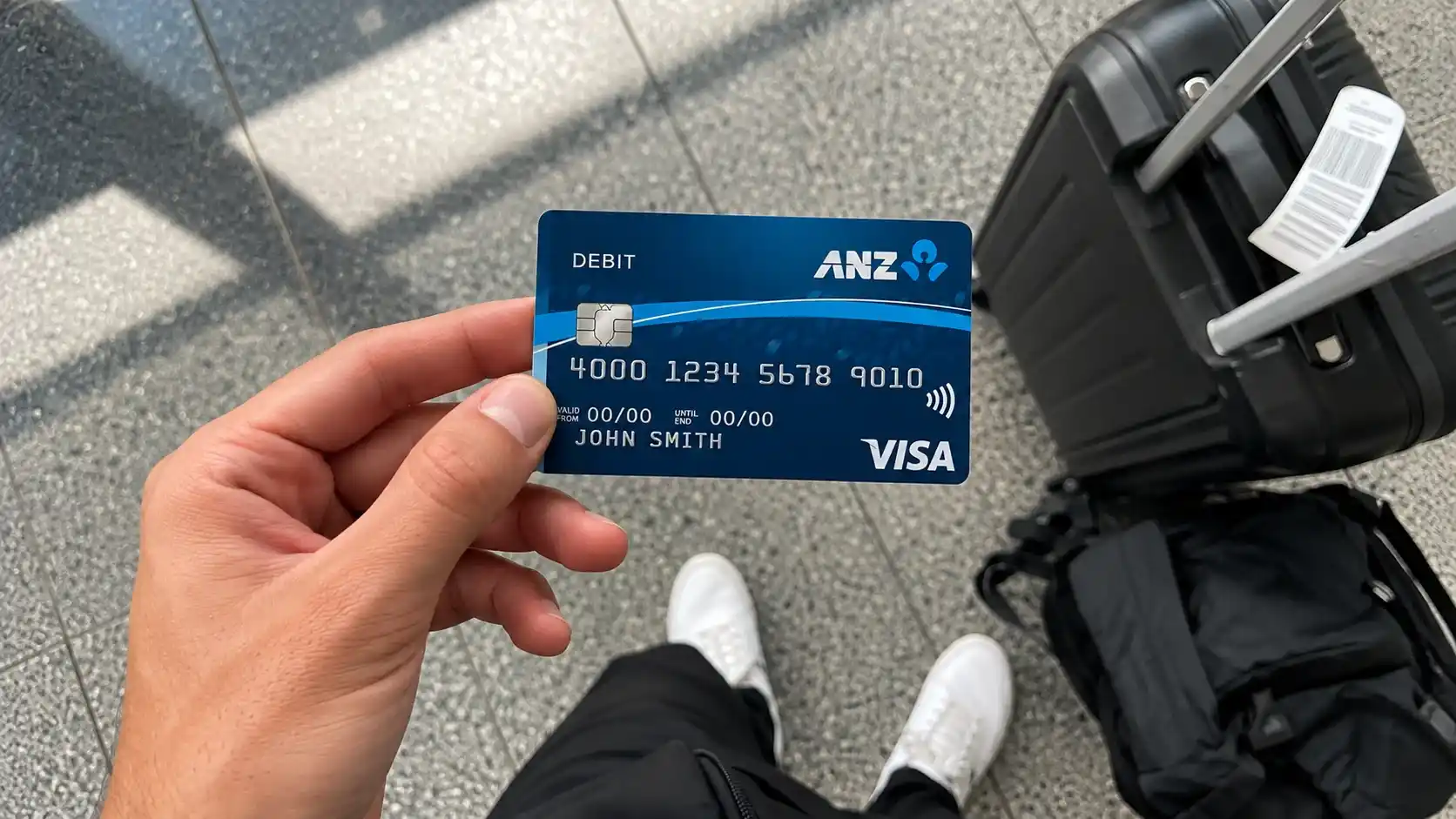
If you’re using New Zealand cards in Bali, you can generally pay with your NZ debit or credit card at many hotels, restaurants, shops, and tourist businesses. However, card acceptance and overseas transaction fees vary, so it’s worth knowing how your card works before you arrive.
The key is to understand when to use your card, when to carry Indonesian rupiah (IDR), and how to avoid unnecessary currency conversion costs. Here’s what you need to know about using New Zealand cards in Bali, so you can manage your money with confidence throughout your holiday.
Can You Use New Zealand Cards in Bali?
Yes, most New Zealand Visa and Mastercard debit and credit cards can be used in Bali wherever the corresponding payment network is accepted. You can use them for eligible card purchases and, if your card and account support international ATM withdrawals, to withdraw Indonesian rupiah.
However, card acceptance is not universal. Bali has a mix of international hotels, modern shopping centres, independent businesses, family run restaurants, market stalls, and small local shops. Their payment facilities can differ considerably.
Here’s what to expect:
| Where you’re spending | What to expect |
|---|---|
| Hotels and established resorts | Cards are commonly accepted, although deposits or incidental charges may apply |
| Established restaurants and beach clubs | Visa and Mastercard are commonly accepted |
| Supermarkets and shopping centres | Card payments are widely available |
| Small warungs and local markets | Cash is often the practical choice |
| Street vendors and smaller independent shops | Payment options vary; carry rupiah |
| ATMs | International cards may work when the ATM supports your card network |
| Taxis and local transport | Payment methods vary by operator and booking platform |
The practical approach: use your card for larger purchases where acceptance is confirmed, and keep some Indonesian rupiah available for smaller expenses. You won’t need to depend entirely on cash, but you shouldn’t assume you can pay by card everywhere.
Which New Zealand Cards Can You Use in Bali?
The most useful starting point is the payment network printed on your card. After that, check your bank’s overseas usage rules, account balance, transaction limits, and fees.
1. Visa and Mastercard debit cards
A New Zealand Visa or Mastercard debit card is a practical option for everyday spending and withdrawing cash from compatible ATMs.
Purchases are generally taken from the linked account, subject to the card’s terms and available balance. When withdrawing rupiah, the transaction may involve both your bank’s overseas fees and any charge imposed by the ATM operator.
Before travelling, confirm that international transactions and ATM withdrawals are enabled. Check your daily withdrawal and purchase limits, too, particularly if you expect to pay for accommodation or other large expenses.
2. Visa and Mastercard credit cards
Credit cards can be useful for hotels, restaurants, shopping, and other larger purchases. Depending on your card, overseas purchases may also earn rewards or avoid a foreign currency conversion fee.
However, a credit card that is inexpensive for purchases may be expensive for cash withdrawals. Withdrawing cash on a credit card is usually treated as a cash advance, which may incur a cash advance fee and interest from the transaction date. BNZ, for example, explicitly warns that interest accrues immediately on cash advances.
For that reason, a debit card is generally the more practical choice when you need rupiah from an ATM, provided its withdrawal costs and limits are suitable.
3. Apple Pay and Google Pay
If your eligible New Zealand card is connected to Apple Pay or Google Pay, you may be able to use your phone or smartwatch at compatible contactless terminals in Bali.
Availability depends on your card, device, and the merchant’s terminal. A digital wallet does not automatically eliminate the overseas fees attached to your underlying card.
Carry your physical card as a backup. A phone battery can run flat, some businesses may not accept contactless payments, and an ATM may require a physical card.
You may also want to read this: Cash or Card in Bali? Payments, ATMs, Fees & QRIS Guide
What Fees Do New Zealand Banks Charge When You Use Cards in Bali?
This is where comparing your options becomes worthwhile. The cost of using a New Zealand card overseas depends on the specific product, not simply the name of the bank.
You may encounter three separate costs:
- Foreign currency conversion fee: charged by your card issuer on eligible transactions in a foreign currency.
- ATM withdrawal or cash advance fee: charged by your card issuer, depending on the card and type of withdrawal.
- Local ATM access fee: charged by the ATM operator for using its machine with a foreign card, where applicable.
The exchange rate itself also matters. A transaction converted at a less favourable rate can cost more even if the stated transaction fee is low.
Examples of New Zealand card fees
The following examples illustrate why you should check your actual card terms before departure.
| New Zealand card issuer or product | Published foreign currency fee | What to know |
|---|---|---|
| ANZ personal Visa credit cards covered by its 2026 update | 0% currency conversion charge | Applies to eligible personal credit cards from 24 June 2026 |
| ANZ personal Visa Debit | 1.3% | Overseas ATM withdrawals can also attract this currency conversion charge |
| BNZ credit and debit cards | 2.25% | Calculated on the NZ dollar value of eligible foreign currency transactions |
| Westpac personal credit and debit cards | 1.83% | The Fee Free Mastercard is an exception with no foreign currency fee |
How much could a foreign currency fee cost?
A percentage-based fee can make a noticeable difference over a holiday.
For example, suppose you spend the equivalent of NZ$1,000 on eligible foreign currency purchases:
| Foreign currency fee | Fee on NZ$1,000 |
|---|---|
| 0% | NZ$0 |
| 1.3% | NZ$13 |
| 1.83% | NZ$18.30 |
| 2.25% | NZ$22.50 |
These figures illustrate the percentage fee only. They exclude any additional exchange rate margin, ATM operator fee, or other applicable charge.
A useful rule: check the overseas fee for purchases and the cost of ATM withdrawals separately. They are not necessarily the same.
You may also want to read this: Bali Travel Cost Breakdown in 2026: What You Actually Spend
How to Withdraw Indonesian Rupiah from ATMs in Bali
Even if you plan to pay for most expenses by card, having access to cash is important. You may need rupiah for small restaurants, local markets, parking, or businesses that do not accept international cards.
ATMs are available in Bali’s main tourist areas, including popular parts of South Bali and Ubud. However, the machine you choose can affect your withdrawal cost and the security of the transaction.
Step 1: Look for a compatible ATM
Check the logos on your card and the ATM. Visa cards commonly use the Plus network, while Mastercard cards may use Cirrus or Maestro, depending on the card and ATM.
Use an ATM operated by a recognised bank where possible. Machines inside bank branches or established shopping centres are often a sensible choice because their surroundings are easier to assess and help may be more accessible.
Avoid unfamiliar or poorly maintained machines if something about them looks suspicious.
Step 2: Check the displayed fee before confirming
Some ATMs charge a local access fee for withdrawals made with foreign-issued cards. The fee should be displayed before you confirm the transaction.
For example, Bank Mandiri’s published notice states that its foreign-card ATM access fee is Rp50,000 per withdrawal, with an announced increase to Rp100,000 from 6 November 2026. The fee applies to eligible foreign-issued Visa and Mastercard cash withdrawals and is separate from charges imposed by your New Zealand card issuer. <Cite refs={[“turn320121search0”]}/>
Because fees and policies can change, check the ATM screen and the bank’s current notice before proceeding. If the fee is too high, cancel the transaction and consider another compatible ATM.
Important: a local ATM fee is not necessarily the same as your New Zealand bank’s overseas withdrawal fee. Both may apply to the same transaction.
Step 3: Choose an appropriate withdrawal amount
A withdrawal can involve fixed charges as well as percentage-based charges. Where a fixed fee applies, making several small withdrawals may cost more than withdrawing a suitable amount less frequently.
That does not mean you should withdraw more cash than you can safely carry. Balance the potential savings against your spending needs, withdrawal limits, and personal security.
Also check the withdrawal limit displayed by the ATM. Limits can vary by machine and transaction, and your own bank may impose a separate daily limit.
Step 4: Decline unfavourable currency conversion offers
If the ATM offers to convert the withdrawal into New Zealand dollars, read the screen carefully before accepting.
You may see wording such as:
- Charge or convert in NZD.
- Continue in IDR.
- Accept or decline the ATM’s conversion rate.
When given a choice, generally select Indonesian rupiah (IDR) and decline the ATM’s conversion into NZD. This usually allows your card network or issuer to handle the currency conversion rather than accepting the ATM operator’s offered rate.
The exact wording varies by ATM. Always check the amount and terms shown before confirming.
Step 5: Keep the transaction secure
Cover the keypad when entering your PIN, check that the machine looks intact, and put your cash and card away before leaving.
Keep your transaction receipt if you need to reconcile the withdrawal later. If a machine retains your card, do not accept help from strangers who approach unexpectedly; contact the bank or card issuer using an official number.
You may also want to read this: Bali Currency Exchange Tips: Where to Exchange & Get Better Rates
Should You Pay in Indonesian Rupiah or New Zealand Dollars?
When a Bali payment terminal or ATM offers to charge you in either Indonesian rupiah or New Zealand dollars, it is usually better to choose IDR.
This decision relates to dynamic currency conversion (DCC). With DCC, the merchant or ATM provider converts the transaction into your home currency and presents a rate for you to accept. That rate can include a markup.
If you choose IDR, the transaction is generally converted by your card network or issuer under the terms of your card. Your bank may still charge a foreign currency fee, but you avoid accepting a separate conversion offer simply for the convenience of seeing the price in NZD.
A simple example
Imagine a restaurant bill is Rp1,000,000.
At checkout, the terminal offers two choices:
- Pay Rp1,000,000 in IDR: your card issuer or network processes the currency conversion.
- Pay a displayed NZD amount: the merchant’s payment provider converts the bill using its offered rate.
The NZD amount may look convenient, but convenience does not guarantee a better rate. Compare the offered conversion rate and any disclosed markup before accepting it.
You do not need to calculate the exact market exchange rate at every checkout. In most situations, selecting the local currency is the straightforward way to avoid accepting an unfamiliar DCC rate.
Is It Better to Use a Card or Cash in Bali?
For most New Zealand travellers, a combination of both is more practical than relying entirely on either method.
Cards are convenient for larger purchases and established businesses. Cash gives you flexibility when visiting local shops, buying small items, or paying a provider that does not accept cards.
| Situation | Practical payment option | Why |
|---|---|---|
| Hotel or resort bill | Card, where accepted | Convenient for larger transactions |
| Established restaurant | Card or cash | Check acceptance and any applicable surcharge |
| Small warung | Cash | Card facilities may not be available |
| Traditional market | Cash | Small vendors often prefer rupiah |
| Local parking or small purchases | Cash | Exact change can be useful |
| ATM withdrawal | Debit card, subject to fees | Usually more suitable than a credit card cash advance |
| Online booking | Card or supported digital payment | Check the provider’s payment terms |
How to Avoid Extra Card Fees in Bali
You cannot eliminate every cost associated with overseas spending, but a few checks can help you avoid unnecessary charges.
1. Compare your cards before travelling
If you have more than one eligible card, compare their foreign currency fees, ATM charges, exchange rate terms, and overseas transaction limits. A card with no foreign currency fee on purchases may be useful for larger bills, while another card may offer more suitable ATM withdrawal terms.
Do not assume a bank’s credit and debit cards have identical fees.
2. Check your bank’s overseas withdrawal rules
Confirm whether your card can withdraw rupiah, whether you need to enable overseas transactions, and whether the bank charges a separate withdrawal fee.
Check the terms for cash advances if you are considering a credit card. A low purchase fee does not make a cash advance inexpensive.
3. Choose IDR at payment terminals and ATMs
Decline unnecessary conversion into NZD when given a choice. Letting your card issuer process an IDR transaction generally avoids accepting the merchant’s or ATM’s DCC rate.
4. Avoid repeated small withdrawals where possible
If your ATM charges a fixed access fee, multiple withdrawals can add up. Plan your cash needs sensibly, while avoiding carrying more cash than you are comfortable keeping secure.
5. Keep a backup payment method
Carry a second card from a different account or issuer if possible, and store it separately from your main wallet. If your primary card is lost, blocked, or retained by an ATM, you will have another way to access money.
6. Review your transactions
Turn on transaction notifications if available and check your banking app regularly. If a transaction looks unfamiliar, contact your issuer promptly through its official channels.
You may also want to read this: Bali Tourist Tax 2026: Cost, Payment & Latest Update
Is It Safe to Use New Zealand Cards in Bali?
Using an international bank card in Bali is a normal part of travel, but basic precautions still matter. The goal is to protect your card details, reduce the risk of unauthorised transactions, and make sure you can access your money if something goes wrong.
Follow these practical steps:
- Use ATMs in reputable locations, such as bank branches or established shopping centres.
- Inspect the card slot and keypad for anything unusual before inserting your card.
- Cover your PIN when entering it.
- Keep your physical card in sight when a business processes a payment, where practical.
- Enable banking notifications and check your transactions.
- Save your bank’s official international contact number before departure.
- Carry a backup card and keep it separate from your main card.
- Contact your issuer immediately if your card is lost, retained, or used without your permission.
Be cautious if someone offers unsolicited assistance at an ATM or asks you to share your PIN or banking verification code. Your bank should never need you to disclose your PIN to a stranger.
It is also worth checking whether your bank offers temporary card locking through its app. This can be useful if you misplace your card and need to secure it while you investigate.
What to Do Before Leaving New Zealand
A little preparation before your flight can prevent avoidable payment problems once you arrive.
Use this checklist before travelling to Bali:
- Confirm that your card is valid throughout your trip.
- Check your bank’s latest overseas purchase and ATM withdrawal fees.
- Confirm that international transactions and cash withdrawals are enabled.
- Review daily purchase and withdrawal limits.
- Set up transaction notifications and check that you can access your banking app overseas.
- Save your bank’s official contact details in case your card is lost or blocked.
- Bring a backup card and store it separately.
- Plan to carry some Indonesian rupiah for cash-only purchases.
- Remember to select IDR rather than NZD when declining an unfamiliar currency conversion offer.
- Check whether your bank recommends any additional travel security steps.
If you rely on a mobile wallet, make sure your physical card is available as a backup. Do not assume your phone will work at every terminal or ATM.
Final Thoughts on Using NZ Cards in Bali
The last thing you want during your Bali holiday is to be caught without cash or surprised by unexpected card fees. Before you leave New Zealand, take a few minutes to check your card’s overseas charges, make sure you can withdraw Indonesian rupiah, and pack a backup card. Keep some cash handy for small local purchases, and choose IDR whenever a payment terminal or ATM offers to convert the amount into NZD.
Once your money is sorted, you can focus on what you came to Bali for: discovering places you’ve never seen, enjoying local food, and making the most of your time on the island.
And when you’re ready to plan your days, Bali Island Vacations can help you discover experiences that fit the kind of Bali holiday you have in mind.
Frequently Asked Questions
Can I use my New Zealand debit card in Bali?
Yes, most New Zealand Visa and Mastercard debit cards work at compatible terminals and ATMs in Bali. Acceptance depends on the card network, the merchant or ATM, and your bank’s overseas usage rules. Check your fees and keep some rupiah available for cash-only businesses.
Can I use my New Zealand credit card in Bali?
Yes, eligible New Zealand credit cards are commonly accepted at hotels, established restaurants, shops, and other businesses that support the relevant network. Foreign currency fees depend on your specific card. Avoid using a credit card for cash withdrawals unless you understand the cash advance fees and interest.
Do I need to tell my New Zealand bank before travelling to Bali?
Requirements vary by bank. Check your issuer’s current travel guidance and make sure international transactions are enabled if required. Review your security settings, spending limits, and contact details before departure.
What currency should I choose when paying by card in Bali?
Choose Indonesian rupiah (IDR) when a terminal or ATM offers a choice between IDR and NZD, unless you have a specific reason to accept the alternative conversion. Paying in local currency generally avoids accepting a merchant’s or ATM provider’s dynamic currency conversion rate. Your own bank’s fees may still apply.
Are there fees for using New Zealand cards at Bali ATMs?
There can be. Your New Zealand issuer may charge foreign currency or withdrawal fees, while the Indonesian ATM operator may apply a separate access fee. Check the amount displayed before confirming the withdrawal, and remember that credit card cash advances may also incur immediate interest.
Can I rely entirely on my New Zealand card in Bali?
It is better not to. Cards are widely accepted in many tourist areas, but smaller warungs, markets, and independent businesses may require cash. Carry a sensible amount of rupiah and keep a backup card in case your main payment method fails.
Is it better to exchange New Zealand dollars for rupiah before arriving?
That depends on the exchange rate, fees, and convenience offered by your available options. You can compare exchanging cash in advance with withdrawing rupiah from an ATM after arrival. Include any card issuer fees and local ATM charges in the comparison rather than judging by the advertised exchange rate alone.
Can I use Apple Pay or Google Pay in Bali?
You may be able to use an eligible New Zealand card through Apple Pay or Google Pay at compatible contactless terminals. Acceptance varies by business and terminal, so carry your physical card and some cash as alternatives.