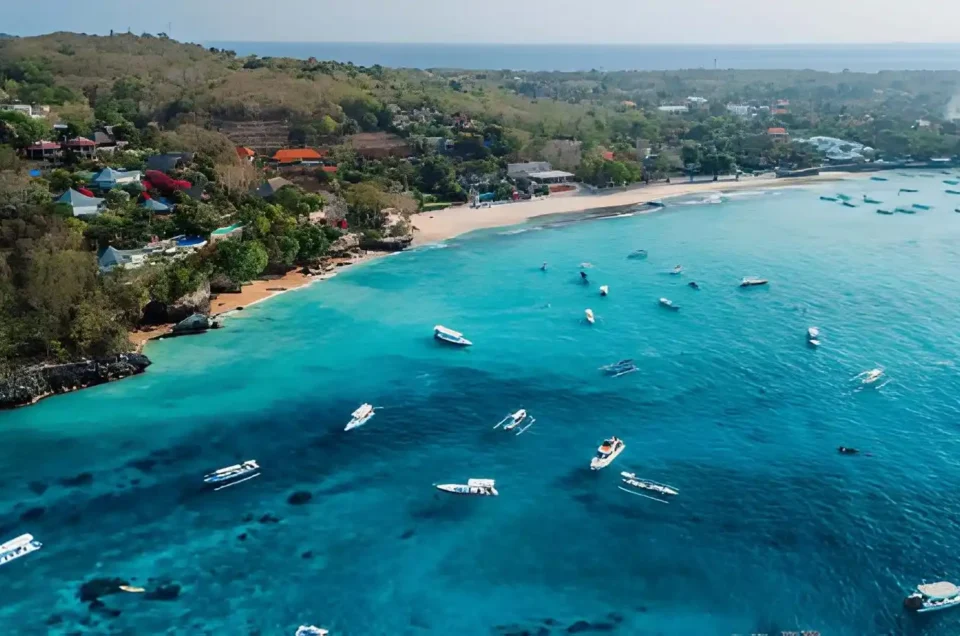

Tulamben is one of East Bali’s most distinctive coastal destinations, where a quiet fishing village meets some of Bali’s most accessible underwater experiences. Set along the northeast coast of Karangasem, Tulamben is known for its volcanic coastline, traditional fishing boats, early morning views, and the USAT Liberty shipwreck just offshore.
The destination is especially popular for diving and snorkeling, but you can experience Tulamben at a slower pace too. Start the day with sunrise by the coast, explore the local village, enjoy Balinese food, or use Tulamben as a base for discovering more of Karangasem. Its quieter atmosphere also makes it a good alternative to the busier areas of southern Bali.
Here’s how to experience Tulamben Bali, from the best dive sites and things to do to the best time to visit, practical travel tips, and how to choose between Tulamben and nearby Amed.
Where Is Tulamben in Bali?
Tulamben Location at a Glance
| Detail | Information |
|---|---|
| Region | East Bali |
| Regency | Karangasem |
| District | Kubu |
| Village | Tulamben |
| Coast | Northeast Bali |
| Best known for | Diving and snorkeling |
| Main attraction | USAT Liberty shipwreck |
| Nearby destination | Amed and other East Bali attractions |
Best Dive Sites in Tulamben
Tulamben is particularly appealing because several underwater sites can be reached from the local coastline, giving you different diving experiences without having to travel far between them.
Here are the main sites to know before planning your dives:
1. USAT Liberty Wreck – The signature dive in Tulamben
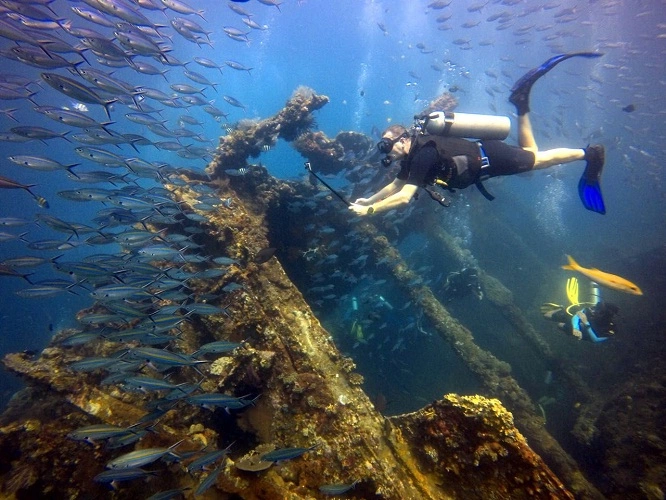
The USAT Liberty is a former American cargo ship that was torpedoed during World War II. The wreck eventually came to rest off Tulamben after being moved by the 1963 eruption of Mount Agung, and it is now covered with coral and surrounded by marine life.
Why dive here:
- Historic shipwreck
- Extensive coral growth
- Large schools of fish
- Macro marine life
- Accessible shore diving
- Suitable sections for different diving experience levels
The wreck extends through different depths, with shallow sections making it possible to experience part of the site without immediately committing to a deep wreck dive.
2. Coral Garden – Best for reef scenery and marine life
Coral Garden is one of the main dive sites officially highlighted for Tulamben. It offers a reef environment with coral formations and a variety of marine life, making it a useful alternative or addition to a Liberty Wreck dive.
What to expect:
- Coral formations
- Reef fish
- Shallow reef areas
- Underwater photography opportunities
- A different experience from the Liberty Wreck
3. Noisy Reefs
Best for fish schools and live coral
Noisy Reefs is another key Tulamben dive site highlighted by Indonesia Travel. It is known for schools of fish, living coral formations, and pelagic species.
Why consider it:
- Fish schools
- Live coral
- Pelagic species
- Reef scenery
- Good complement to a wreck dive
4. Tulamben Drop Off – Best for deeper reef scenery
The Drop Off provides a different underwater profile from the shallower reef areas. It is better approached according to your certification, experience, and current conditions rather than treating every dive site as suitable for every diver.
5. Seraya Secrets – Best for macro photography
Seraya Secrets is known among divers for its macro focused underwater environment. If you enjoy searching for smaller marine creatures rather than only looking for large schools of fish, this type of dive can add variety to a Tulamben trip.
6. Boga Wreck – Best for another wreck experience
The Boga Wreck offers another artificial reef and wreck environment in the wider Tulamben diving area. It gives experienced divers an additional site to consider when building a multi dive itinerary.
Quick Guide to Tulamben Dive Sites
| Dive Site | Best Known For | Experience |
|---|---|---|
| USAT Liberty Wreck | Historic wreck, coral, marine life | Beginner to experienced, depending on dive plan |
| Coral Garden | Coral and reef fish | Beginner friendly conditions can vary |
| Noisy Reefs | Fish schools and pelagic species | Depends on conditions |
| Tulamben Drop Off | Deeper reef scenery | More suitable with appropriate experience |
| Seraya Secrets | Macro marine life | Great for macro focused dives |
| Boga Wreck | Wreck and artificial reef | Depends on dive plan |
The exact conditions of each site can vary with weather, currents, visibility, and the day’s sea state. Always follow your dive operator’s briefing and choose sites according to your certification and experience.
Best Things to Do in Tulamben
Here are the best things to do in Tulamben.
1. Go Scuba Diving
Scuba diving is the main reason to visit Tulamben, with several dive sites concentrated along its coastline.
- Explore the famous USAT Liberty Wreck
- Dive shallow reef areas around Coral Garden
- Look for schooling fish and pelagic species at Noisy Reefs
- Choose additional sites based on your certification and dive experience
- Join a local dive operator for equipment, guides, and site briefings
Tulamben works well for both first time divers and experienced divers because different sites offer different depths, underwater landscapes, and marine life.
2. Snorkel at the Liberty Wreck
You do not need scuba certification to experience Tulamben’s underwater highlights. The Liberty Wreck is also one of the area’s established snorkeling spots, along with Coral Garden and Noisy Reefs.
For a first snorkeling experience, focus on the shallower areas and follow local conditions and safety advice. Visibility, waves, and currents can vary, so local guidance is still important.
3. Watch the Sunrise
Tulamben faces east, making sunrise one of the area’s most natural experiences.
Wake up early and head toward the coast before the sun appears above the horizon. On a clear morning, you can enjoy the changing colors over the sea while traditional fishing boats begin their daily activities.
This is also a practical way to start a diving day, especially if you prefer to combine an early coastal experience with your first dive.
4. Explore Tulamben’s Fishing Village
Tulamben still has a strong connection to its coastal village identity. Traditional fishing boats, locally known as jukung, can be seen along the shoreline, reflecting the area’s long relationship with the sea.
Instead of treating Tulamben only as a dive destination, take some time to:
- Walk along the coastal area
- Observe the traditional boats
- See local activity around the shoreline
- Explore quieter village streets
- Experience a slower side of East Bali
5. Experience Local Fishing Culture
For a more hands on experience, fishing offers a different way to understand Tulamben’s relationship with the ocean.
Local fishing experiences can involve heading out in a traditional jukung, learning about small scale fishing practices, and seeing the coastline from the water. Some experiences also combine fishing with an early morning departure, giving you the chance to watch sunrise at sea.
This is particularly interesting if you want an activity that feels different from the usual diving and snorkeling itinerary.
6. Try Local Balinese Food
After spending the morning in the water, local food is an easy way to add another layer to your Tulamben experience.
Look beyond international menus and try Balinese dishes served at local eateries around the area. Depending on what is available, you may find dishes featuring grilled fish, rice, vegetables, sambal, and traditional Balinese spice blends.
Karangasem’s local food scene also includes regional specialties such as blayag and seafood based dishes, giving you a chance to explore flavors associated with East Bali.
7. Visit the Local Market
A local market can give you a more everyday view of the area than a dedicated tourist attraction.
Go in the morning when local activity is typically more noticeable and browse stalls selling fresh produce, ingredients, snacks, and other daily necessities.
Keep expectations realistic: the appeal is not a major sightseeing attraction, but the chance to see how local communities shop, eat, and go about their daily routines.
8. Relax by the Coast
Not every moment in Tulamben needs to be planned around an activity.
After diving or snorkeling, slow down along the coast, enjoy the sea views, and give yourself time between activities. Tulamben’s quieter atmosphere makes it well suited to a relaxed East Bali itinerary rather than a packed schedule.
This is especially useful if you are staying for more than one night and want to balance underwater activities with time to simply enjoy the destination.
Best Time to Visit Tulamben
There is no single “best month” for every Tulamben experience. Your ideal timing depends on whether you are coming primarily for diving, snorkeling, sunrise, or a more relaxed coastal stay.
Tulamben’s underwater sites can be experienced throughout the year, but sea conditions, visibility, weather, and your preferred time of day can all influence the experience.
Best Months for Diving
For diving, prioritize periods when sea conditions and underwater visibility are favorable rather than choosing a season based only on rainfall.
Some diving references identify April to July and October to November as particularly suitable periods, while diving remains possible outside these months depending on local conditions.
A practical approach is:
| Period | Diving Consideration |
|---|---|
| April–July | Generally favorable diving period |
| August–September | Can still be suitable; check conditions |
| October–November | Another favorable period |
| December–March | Wetter period; conditions can be more variable |
Always check the latest sea conditions with your dive operator before confirming a dive schedule.
Best Time for Snorkeling
For snorkeling, calm water and good visibility matter more than simply choosing the dry season.
Morning is generally the strongest choice because conditions are often more suitable earlier in the day, while starting early also gives you more time to combine snorkeling with other activities.
For the best experience:
- Start early
- Check visibility and sea conditions
- Follow local safety guidance
- Avoid entering the water when conditions are unsuitable
- Allow flexibility if weather changes
Tulamben’s main snorkeling areas include the Liberty Wreck, Coral Garden, and Noisy Reefs.
Dry Season vs Wet Season
The dry season is usually the easier choice if you want to combine diving, snorkeling, sunrise, and outdoor sightseeing in one trip.
However, wet season does not automatically mean you should avoid Tulamben. Marine conditions can change from day to day, and the actual sea state matters more than the calendar alone.
| Season | What to Expect | Best For |
|---|---|---|
| Dry season | Generally more reliable weather | Diving, snorkeling, sunrise, outdoor activities |
| Wet season | Higher chance of rain and changing conditions | Flexible itineraries, quieter periods |
| Transition months | Conditions can vary | Flexible dive and sightseeing plans |
The key is to avoid planning your entire itinerary around a rigid weather assumption. Keep some flexibility, particularly if diving or snorkeling is the main purpose of your trip.
Best Time of Day to Dive
Early morning is usually the best starting point for a Tulamben dive day.
An early dive lets you take advantage of the morning conditions and gives you more flexibility for additional dives or other activities later in the day.
Morning also works particularly well if you want to combine:
Sunrise → Breakfast → First Dive → Lunch → Second Dive
For night diving, the experience is different altogether. Some Tulamben sites can offer a completely different perspective after dark, so your choice should depend on your certification, experience, and the dive plan arranged with your operator.
Best Time to See the Sunrise
Early morning is the clear choice.
Tulamben faces east, so the coastline naturally looks toward the direction of sunrise. This makes sunrise more relevant here than trying to build your itinerary around sunset.
For the best experience:
- Arrive at the coast before sunrise
- Choose a clear viewpoint facing east
- Check the local sunrise time for your travel date
- Allow extra time afterward for breakfast or your first dive
- Combine sunrise with a morning fishing or diving experience if available
If sunset is a priority, consider pairing Tulamben with nearby Amed, which also faces east but offers a broader range of coastal spots and experiences for different times of day.
Tulamben vs Amed
Tulamben and Amed are close enough to combine in one East Bali itinerary, but they suit different types of trips. Tulamben is the stronger choice if diving is your main priority, while Amed offers a broader coastal experience with snorkeling, beaches, village life, and more places to relax.
| Tulamben | Amed | |
|---|---|---|
| Best for | Scuba diving | Coastal stays and mixed activities |
| Main highlight | USAT Liberty Wreck | Beaches, reefs, and Jemeluk Bay |
| Diving | Excellent | Excellent |
| Snorkeling | Excellent | Excellent |
| Sunrise | Excellent | Excellent |
| Village atmosphere | Quiet fishing village | Coastal villages and fishing culture |
| Accommodation | Dive focused stays | Wider choice of resorts and stays |
| Ideal trip style | Dive focused itinerary | Relaxed East Bali escape |
Choose Tulamben if the USAT Liberty Wreck and multiple dive sites are the main reason for your trip.
Choose Amed if you want to combine snorkeling, coastal scenery, local culture, relaxation, and a wider range of accommodation in one stay. Amed also has established snorkeling and diving areas such as Jemeluk Bay and Lipah Beach.
You may also want to read this: Amed Beach Bali: Things to Do on Bali’s Northeast Coast
Conclusion: So, Is Tulamben Worth Visiting?
Is Tulamben worth visiting? Yes, especially if you enjoy scuba diving, snorkeling, marine life, and quieter coastal destinations in East Bali. The USAT Liberty Wreck is the main attraction, but sunrise views, local fishing culture, Balinese food, and nearby Karangasem destinations make Tulamben more than just a dive stop.
For a diving-focused trip, spending 2–3 days in Tulamben gives you enough time to explore without rushing. If you want help combining Tulamben with Amed and other Bali destinations, Bali Island Vacations can arrange an itinerary based on your interests, travel style, and available time.
For more ideas on where to go in Bali, explore our related destination guides below:
- Nusa Lembongan Bali: Complete Travel Guide for Your Trip
- Nusa Penida Day Trip: Best Places to Visit + Sample Itinerary
- Best Things to Do in Candidasa for an East Bali Escape
- 8 Best Bedugul Lake Attractions for Scenic Highland Routes!
Frequently Asked Questions About Tulamben Bali
Is Tulamben worth visiting?
Yes. Tulamben is particularly worth visiting if you are interested in scuba diving, snorkeling, marine life, and quieter coastal destinations in East Bali. The USAT Liberty Wreck is its signature attraction, while the surrounding dive sites add more variety to a multi dive itinerary.
What is Tulamben famous for?
Tulamben is most famous for the USAT Liberty Wreck and its surrounding underwater ecosystem. The area is also known for several diving and snorkeling sites along its coastline.
Can beginners dive in Tulamben?
Yes. Tulamben has dive sites with different depths and conditions, making it possible to plan dives according to your certification and experience. Beginners should always follow the dive operator’s briefing and choose sites appropriate for their training level.
Can you snorkel in Tulamben?
Yes. Snorkeling is one of Tulamben’s main marine activities, with the Liberty Wreck, Coral Garden, and Noisy Reefs among the established snorkeling areas. Conditions can vary, so check the sea state and local guidance before entering the water.
How many days do you need in Tulamben?
Two to three days is a practical amount of time if diving is your main purpose. It gives you enough time for multiple dives while still leaving room for sunrise, snorkeling, local experiences, or a nearby East Bali excursion.
What is the best time to visit Tulamben?
Tulamben can be visited throughout the year, but diving conditions and visibility can vary. For diving, some sources identify April to July and October to November as favorable periods. Always check current sea conditions with your local dive operator before planning specific dive sites.
Is Tulamben better than Amed?
Neither is universally better. Tulamben is better for a dive focused trip, especially if the USAT Liberty Wreck is high on your list. Amed is better for a broader coastal holiday combining snorkeling, beaches, local culture, relaxation, and different accommodation options.
Is Tulamben good for non divers?
Yes, although diving remains its strongest attraction. You can snorkel, watch the sunrise, explore the fishing village, experience local food and culture, or simply relax along the coast.
How far is Tulamben from Amed?
Amed is approximately 12 km from Tulamben, making it practical to combine both destinations in an East Bali itinerary.
What should you bring to Tulamben?
For a marine focused trip, bring swimwear, reef appropriate sunscreen, a towel, drinking water, comfortable footwear, and basic sun protection. If you are diving, your operator will normally advise you about equipment and anything else required for your dive plan.
Is Tulamben good for a day trip?
Yes, especially if you have limited time and want to focus on one or two major experiences. However, staying overnight is more comfortable if diving is your priority because you can start early and avoid trying to fit too many activities into one day.