

Watching a traditional dance performance is one of the most engaging ways to discover Bali’s cultural heritage. From the hypnotic chanting of Kecak to the intricate movements of Legong and the dramatic masks of Barong, each performance offers a different way to experience the island’s stories, music, and artistic traditions.
You can watch a sunset performance overlooking the Indian Ocean, spend an evening at a royal palace in Ubud, or explore several styles of Balinese dance at a cultural park. The best choice depends on the kind of experience you want and where your Bali itinerary takes you.
Here are the best traditional dance performances and cultural shows worth considering, including what makes each one distinctive and where you can look for it during your trip.
Understanding Traditional Dance Performances in Bali
Traditional Balinese dance is closely connected to the island’s history, Hindu traditions, community life, and performing arts. Dancers use expressive hand gestures, precise eye movements, intricate footwork, elaborate costumes, and gamelan music to communicate stories and emotions.
Not every dance has the same purpose. Some are performed as part of religious ceremonies, while others have developed into public cultural performances. This distinction matters when choosing what to see: a ticketed stage show is different from a dance presented as part of a temple ritual.
8 Traditional Dance Performances to See in Bali
Each performance has its own character, from story-driven dance dramas to elegant classical choreography and energetic group performances. Here is what to look for and where to start.
1. Kecak Dance: A Dramatic Performance at Sunset

Where to watch: Uluwatu Temple, Pecatu, South Kuta, Badung Regency.
Best for: Dramatic storytelling, rhythmic chanting, and an open-air cultural experience.
Kecak is one of Bali’s most recognisable dance performances, distinguished by a large chorus of male performers chanting rhythmic cak sounds instead of relying on a conventional gamelan orchestra. The voices create the musical pulse while the dancers act out episodes associated with the Ramayana, including the story of Rama and Sita.
At Uluwatu Temple, the performance takes place in an open-air amphitheatre overlooking the Indian Ocean. The setting adds another dimension to the experience, especially as daylight fades and the performance continues into the evening.
The Uluwatu version is a popular choice for travellers who want to combine a cultural show with coastal scenery. It is also a useful option if you are staying around the Bukit Peninsula, Jimbaran, or southern Bali.
Planning tip: The Uluwatu performance is commonly scheduled around sunset, but the exact programme can change. Check the official ticket information for your travel date and arrive early enough to enter the venue and find your seat. Temple admission and the dance ticket may be charged separately.
2. Legong Dance: Classical Balinese Elegance

Where to watch: Ubud Palace, also known as Puri Saren Agung, in central Ubud; selected performances also take place at ARMA Museum and other cultural venues.
Best for: Classical choreography, elaborate costumes, and expressive movement.
Legong is a classical Balinese dance style known for its refined movements, detailed finger gestures, expressive eyes, and carefully controlled posture. The dancers’ movements are closely coordinated with the rhythms and accents of the accompanying gamelan music.
Some Legong performances tell stories drawn from traditional literature and royal narratives. One well-known example is Legong Lasem, which follows a dramatic story involving King Lasem and Princess Rangkesari.
For visitors, a palace courtyard performance in Ubud offers a convenient introduction to classical Balinese dance. The setting places the dancers within a traditional architectural environment, while the costumes and choreography make the details of the performance easier to appreciate.
Planning tip: Check the programme at Ubud Community or the venue before choosing your evening. Not every venue presents Legong every night, and the exact dance may vary by date.
3. Barong Dance: A Story of the Struggle Between Good and Evil

Where to watch: Batubulan village, Gianyar Regency, and selected cultural venues around Ubud, including ARMA Museum.
Best for: Masked characters, dramatic storytelling, and a clear introduction to Balinese mythology.
Barong dance-drama centres on the conflict between Barong, a protective figure often associated with good, and Rangda, a powerful figure associated with destructive forces. Their confrontation explores the continuing tension between opposing forces rather than presenting a simple story in which one side permanently eliminates the other.
The performance is especially recognisable for its elaborate masks, expressive character movements, and energetic gamelan accompaniment. In some versions, the drama includes the Kris dance, which adds another layer to the theatrical presentation.
Batubulan, a village in Gianyar, is widely associated with staged Barong performances. If you are travelling between southern Bali and Ubud, it can be a practical cultural stop. You can also look for Barong performances at venues such as ARMA Museum, which publishes its own programme.
Planning tip: Morning performances are common at some Batubulan venues, but schedules vary. Confirm the specific show, starting time, ticket conditions, and duration before arranging transport.
4. Pendet Dance: A Welcoming Introduction to Balinese Dance
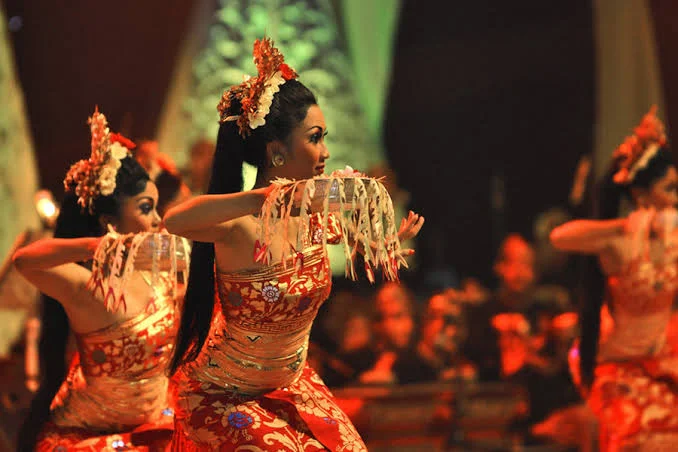
Where to watch: Selected cultural performances at Garuda Wisnu Kencana Cultural Park and other venues presenting Balinese dance programmes.
Best for: Visitors interested in graceful movements, flower offerings, and the cultural symbolism of dance.
Pendet is known for its graceful movements and the use of flower petals, which dancers scatter as part of the choreography. The dance has roots in Balinese Hindu ritual traditions and is also performed in adapted forms for cultural presentations and welcoming occasions.
Because Pendet can appear in different contexts, it is important to distinguish a staged cultural performance from a ritual version presented as part of a religious ceremony. The setting influences what visitors may observe and whether photography or audience participation is appropriate.
For travellers who want to learn about Balinese dance without following a long dramatic narrative, a Pendet performance can be a good introduction to the relationship between movement, offerings, and cultural expression.
Planning tip: Check the current programme at GWK Cultural Park if you are planning to visit its cultural venues. The park presents multiple types of performances, but the schedule and exact repertoire can change.
You may also want to read this: 8 Meaningful Balinese Ceremonies to Experience in Bali
5. Joged Bumbung: An Energetic Dance Accompanied by Bamboo Music

Where to watch: Selected cultural events, community performances, and traditional entertainment programmes around Bali.
Best for: Travellers interested in lively music, social dance, and a different side of Balinese performance.
Joged Bumbung combines dance with music played on bamboo instruments. Its sound is distinct from the gamelan orchestras commonly heard in many classical Balinese performances, giving it a lighter and often more playful character.
The dance is associated with social entertainment and can include interaction between a dancer and members of the audience. The style and level of audience participation depend on the performance and local setting.
For visitors, Joged Bumbung provides a contrast to the tightly choreographed storytelling of Legong or the dramatic chorus of Kecak. It also shows that Balinese dance traditions include forms intended for social enjoyment as well as ceremonial and theatrical purposes.
Planning tip: Joged Bumbung is less reliably available as a daily ticketed attraction than major Kecak or palace performances. Look for cultural festivals, local performance programmes, or events at your destination rather than assuming it will be staged every evening.
6. Janger Dance: Rhythmic Group Singing and Movement
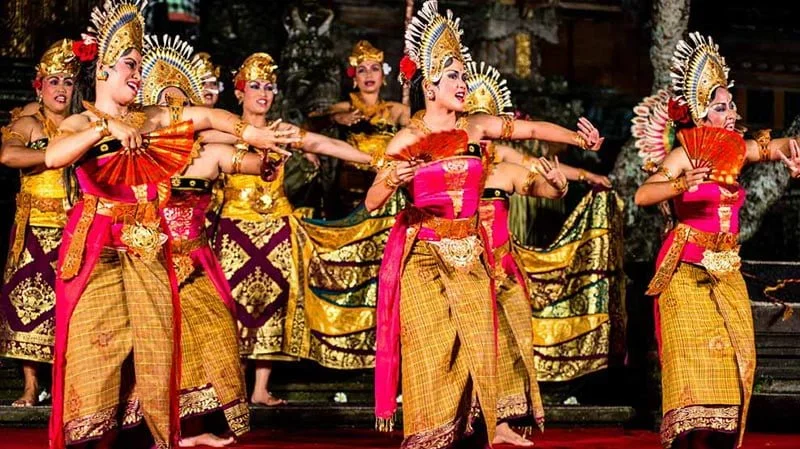
Where to watch: Selected cultural performances and community arts events, including programmes that may be held in Ubud.
Best for: Group choreography, rhythmic singing, and a lively ensemble performance.
Janger is a group dance traditionally associated with young men and women performing coordinated movements alongside rhythmic singing. Its ensemble format creates a different atmosphere from solo or small-group classical dances, with the interaction between performers forming an important part of the presentation.
The dance combines movement, vocal rhythm, and group coordination. Depending on the version, the performance may include different arrangements of the dancers and variations in musical accompaniment.
Janger is worth considering if you want to explore beyond Bali’s best-known tourist performances. It offers another perspective on the island’s performing arts and the role of group participation in cultural expression.
Planning tip: Janger is not guaranteed to appear in the regular programme at a particular venue. Check the current listings for cultural shows and festivals, especially if this dance is a priority for your visit.
7. Baris Dance: A Powerful Display of Precision and Strength

Where to watch: Selected cultural performances, including programmes at venues such as ARMA Museum and other Balinese arts stages.
Best for: Strong body movements, precise footwork, and dances associated with warrior traditions.
Baris is a family of Balinese dances associated with the image of a warrior. Its movements can include firm steps, focused expressions, deliberate shifts in posture, and gestures that convey readiness and courage.
Different forms of Baris serve different purposes. Some are associated with religious ceremonies, while other versions are presented as cultural performances. The style, costume, and choreography can therefore vary depending on the particular dance being shown.
For visitors, a staged Baris performance offers an opportunity to appreciate the physical control and precision required in Balinese dance. Its more forceful movements provide a clear contrast to the refined gestures of Legong.
Planning tip: If you want to see Baris during a public performance, check the programme at ARMA Museum or another established cultural venue. Do not assume that a ceremonial version is open to general visitors.
8. Devdan Show: A Contemporary Stage Production Inspired by Indonesian Culture

Where to watch: Bali Nusa Dua Theatre, ITDC Complex, Nusa Dua, Bali.
Best for: Travellers who want a large-scale theatrical experience combining dance, costumes, choreography, and stage effects.
Devdan is different from the traditional Balinese dance performances in the previous sections. It is a contemporary theatrical production that showcases cultural influences from across the Indonesian archipelago, including Bali, through choreography, costumes, acrobatics, and stage effects.
The production follows two young travellers who discover a collection of cultural treasures, taking the audience on a theatrical journey through Indonesia’s diverse traditions. For visitors who enjoy large productions, it offers a broader introduction to Indonesian performing arts than a single regional dance style.
Its location in Nusa Dua makes it a practical option for travellers staying in the resort area or planning an evening around the ITDC complex.
Planning tip: Check the official Devdan Show website for the current schedule, ticket categories, and booking details. The published programme lists performances on selected evenings, so confirm the date before making dinner or transport arrangements.
You may also want to read this: 10+ Unique Cultural Experiences in Bali You Can Truly Feel
Tips for Watching Traditional Dance in Bali
A little planning can help you choose the right performance and enjoy it without rushing between venues.
- Choose a dance that matches your interests. Kecak is a strong choice for rhythmic chanting and dramatic storytelling, Legong for classical movement, and Barong for masked characters and mythology.
- Choose the venue around your itinerary. Uluwatu works well for a sunset performance in southern Bali, while Ubud offers several options for evening cultural shows. GWK is useful if you want to explore a larger cultural park alongside a performance.
- Check the exact programme before booking. Dance schedules, ticket prices, and show times can change. Use the official venue’s current information rather than relying solely on older travel guides.
- Arrive early for popular shows. This gives you time to find the entrance, confirm your ticket, and settle into your seat before the performance starts.
- Read a short synopsis beforehand. Knowing the basic story can make performances such as Kecak and Barong easier to follow, especially if the show is presented primarily through movement and music.
- Follow photography rules. Some venues allow non-flash photography, while others may impose restrictions. Avoid obstructing performers or other audience members.
- Respect sacred settings. A staged performance for visitors is not the same as a temple ceremony. If you encounter a dance as part of a religious event, follow local guidance and do not assume that all areas or activities are open to spectators.
- Plan transport realistically. Popular performances may finish after dark, and travelling between Uluwatu, Ubud, and Nusa Dua can take considerable time depending on traffic. Choose a show that fits your accommodation base whenever possible.
You may also want to read this: 10+ Year-End Holiday Ideas for Your Bali Getaway
Conclusion: Discover Bali Through Its Traditional Dance
From the rhythmic chants of Kecak at Uluwatu to the graceful movements of Legong in Ubud and the dramatic storytelling of Barong, Bali offers traditional dance performances for different interests and travel styles.
Choose a show that fits your itinerary, check the latest schedule, and enjoy a closer look at the island’s cultural heritage.
At Bali Island Vacations, we believe the best cultural experiences are those that fit naturally into your journey. Pair a traditional dance performance with your exploration of Bali’s temples, villages, and local traditions to discover more of what makes the island distinctive.