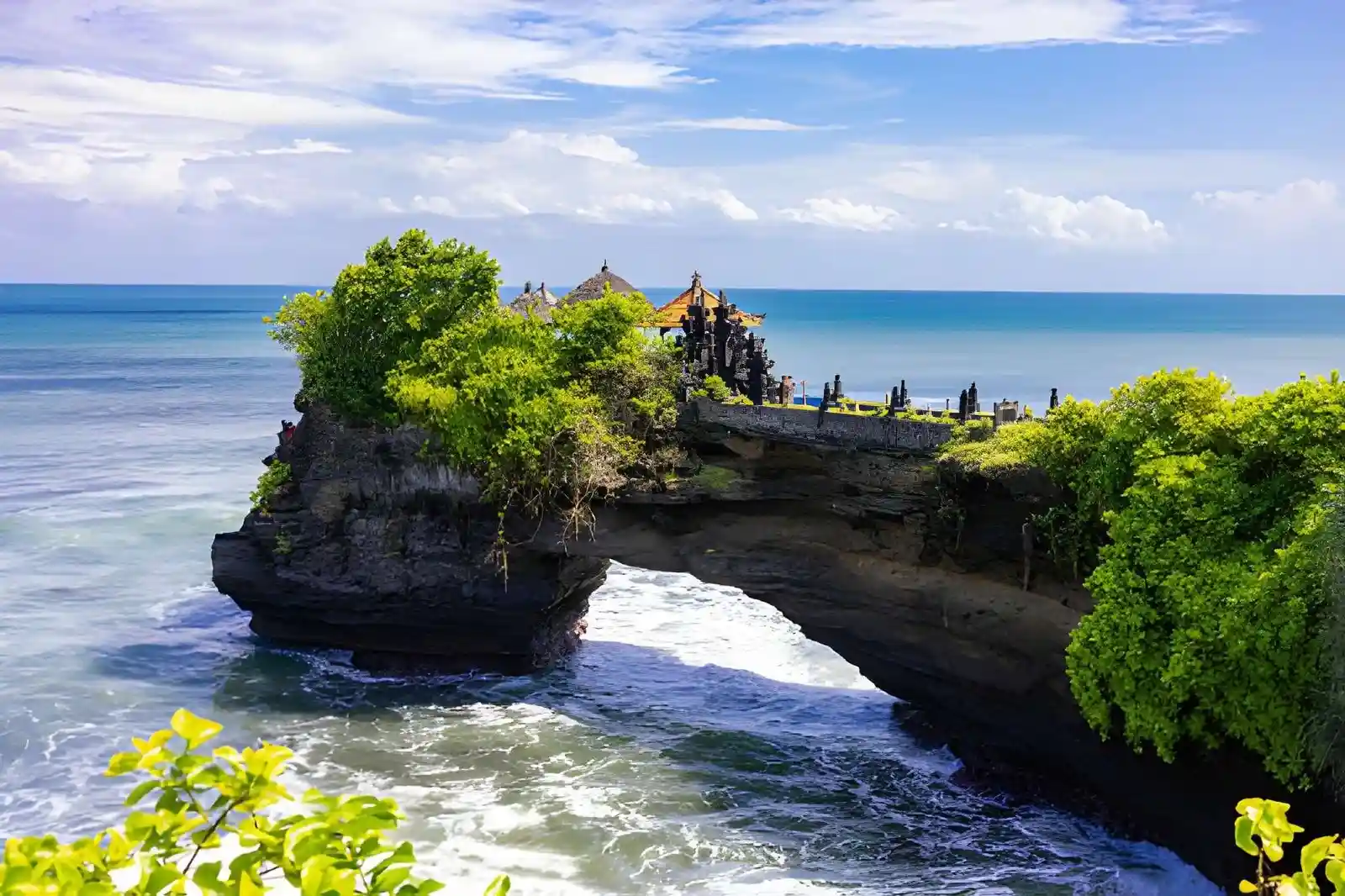
August is one of the best months to visit Bali if you’re looking for sunny weather and reliable conditions for outdoor activities. As part of the island’s peak dry season, it offers excellent opportunities for beaches, island trips, surfing, sightseeing, and sunset experiences across many parts of Bali.
However, August is also one of the busiest times of the year. Popular destinations become more crowded, accommodation demand increases, and traffic is more noticeable in South Bali.
If you’re planning a trip during this peak-season period, here’s what you should realistically expect and how to make the most of it.
Why Bali in August Is So Popular
If you’re looking for some of the most reliable weather conditions of the year, August is one of the strongest months to visit Bali.
This period sits right in the middle of Bali’s dry season, which means you can generally expect more sunshine, fewer rain interruptions, and better conditions for spending time outdoors. For many visitors, that alone is enough reason to plan a trip during August.
What makes August especially attractive:
- Longer sunny days for beaches, sightseeing, and outdoor activities
- Lower rainfall compared to most other months
- Clearer skies for coastal views and sunsets
- Better conditions for island trips like Nusa Penida and Nusa Lembongan
- More reliable weather for hiking, surfing, snorkeling, and day tours
- Lively atmosphere across Bali’s most popular destinations
Another reason August becomes so busy is timing. It overlaps with summer holidays in many countries, particularly Australia and parts of Europe, making Bali a popular choice for mid-year travel.
If you enjoy a vibrant atmosphere and want to maximize your chances of sunny weather, August is easily one of the most attractive months to visit Bali.
What Is the Weather Like in Bali in August?

One of the biggest advantages of visiting Bali in August is the climate.
While Bali stays warm throughout the year, August is typically one of the driest months on the calendar. Humidity is often more comfortable than during the wet season, and rain showers are generally less frequent.
You can usually expect:
- Daytime temperatures: around 27–31°C (81–88°F)
- Warm evenings with comfortable coastal breezes
- Low rainfall compared to the wet season
- Plenty of sunshine throughout most days
- Good visibility for beaches, coastal viewpoints, and island scenery
That said, Bali is still a tropical island. Short rain showers can occasionally happen, but they are usually brief and far less disruptive than during the rainy season.
Overall, August offers some of the most consistent travel conditions of the year, which is why many visitors specifically target this month.
What to Expect in Bali in August
The weather may be close to ideal, but August is also one of the busiest months on the island.
Knowing what to expect beforehand will help you plan more realistically and avoid common peak-season frustrations.
Here are the main things you’ll notice:
- Busier beaches in areas like Canggu, Seminyak, and Uluwatu
- Higher accommodation demand, especially for villas and popular resorts
- More traffic throughout South Bali during peak hours
- Higher prices compared to quieter months
- Popular tours and activities filling up faster
- A more energetic atmosphere in restaurants, cafés, beach clubs, and nightlife areas
The upside is that Bali feels incredibly alive during August. Beach clubs are operating at full energy, sunset spots are buzzing, tours are running daily, and many destinations feel at their most vibrant.
If you’re comfortable with a busier atmosphere and plan ahead, August can be one of the most rewarding times of the year to experience Bali.
What to Do in Bali in August
One of the biggest advantages of visiting Bali in August is that the weather allows you to enjoy experiences that are sometimes less predictable during other parts of the year.
With clearer skies, lower rainfall, and generally more stable conditions, August is one of the best months to spend time outdoors.
Here are some of the best things to do while visiting Bali in August.
1. Enjoy Peak Beach Season in Canggu & Seminyak

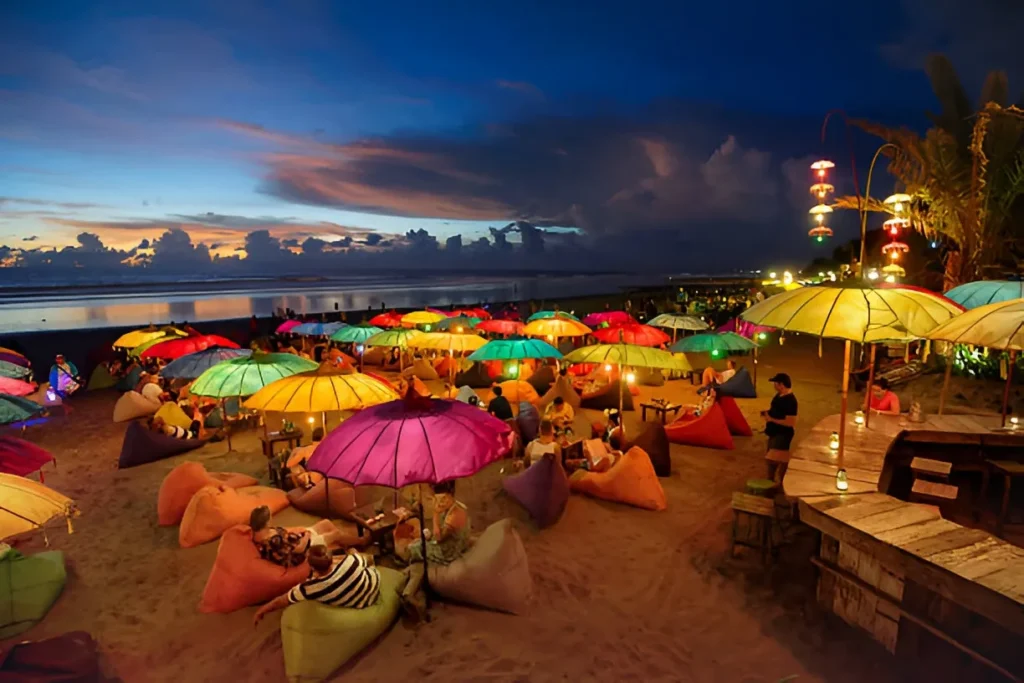
If spending time by the ocean is one of the main reasons you’re visiting Bali, August is one of the best months to do it.
Areas like Canggu and Seminyak typically experience long sunny days and relatively little rainfall during this period, making beach time far more reliable than during the wet season.
What makes August especially enjoyable for beach lovers:
- More consistent sunshine throughout the day
- Comfortable conditions for beach walks and sunset sessions
- Better visibility for swimming and ocean views
- Lively cafés, restaurants, and beachfront venues
Instead of rushing between attractions, this is one of the few times of year when simply spending a full afternoon by the beach can feel like a highlight of your trip.
2. Watch Clear Sunset Views in Uluwatu & Jimbaran
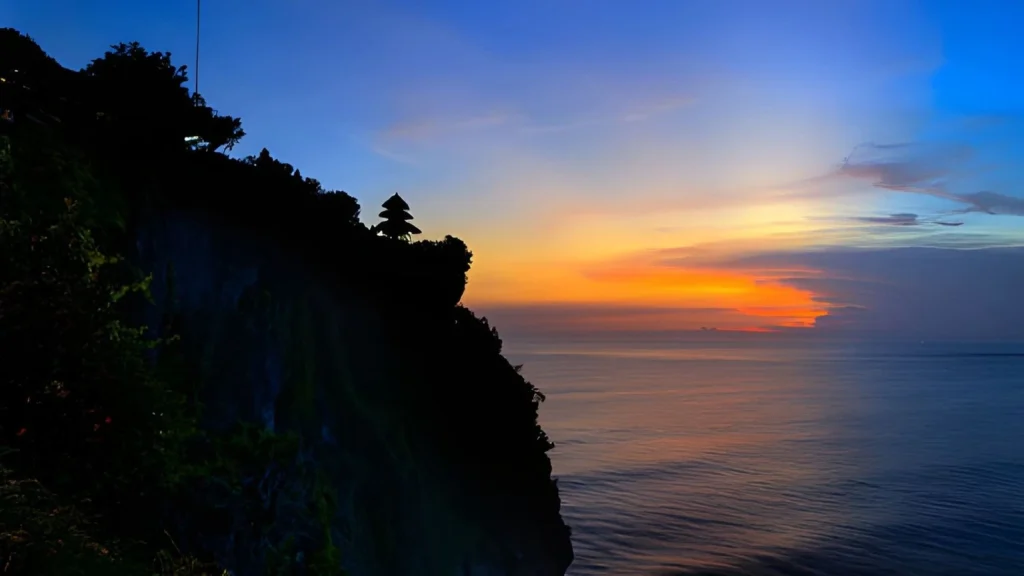
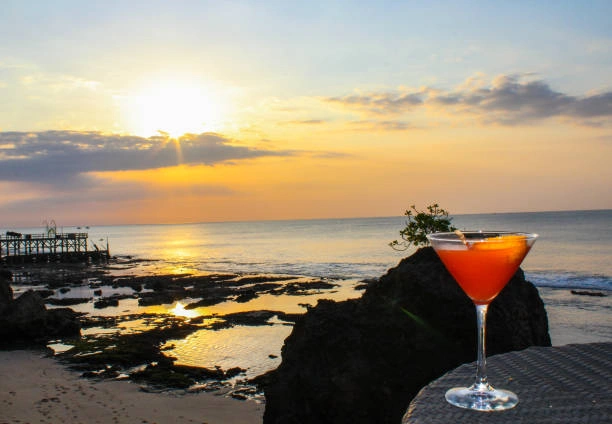
August is also one of the best months for sunset chasing.
With fewer clouds and lower chances of evening rain, sunset viewpoints across Bali often become more spectacular during the dry season.
Two areas stand out in particular:
- Uluwatu for dramatic cliffside panoramas
- Jimbaran for relaxed beachfront sunsets and seafood dining
One of the advantages of visiting in August is that visibility is often much clearer, allowing you to fully appreciate Bali’s coastal scenery as the light changes throughout the evening.
If you only have time for a few sunset experiences during your trip, this is the month when they’re most likely to deliver exactly what you’re hoping to see.
3. Go Island Hopping to Nusa Penida & Nusa Lembongan
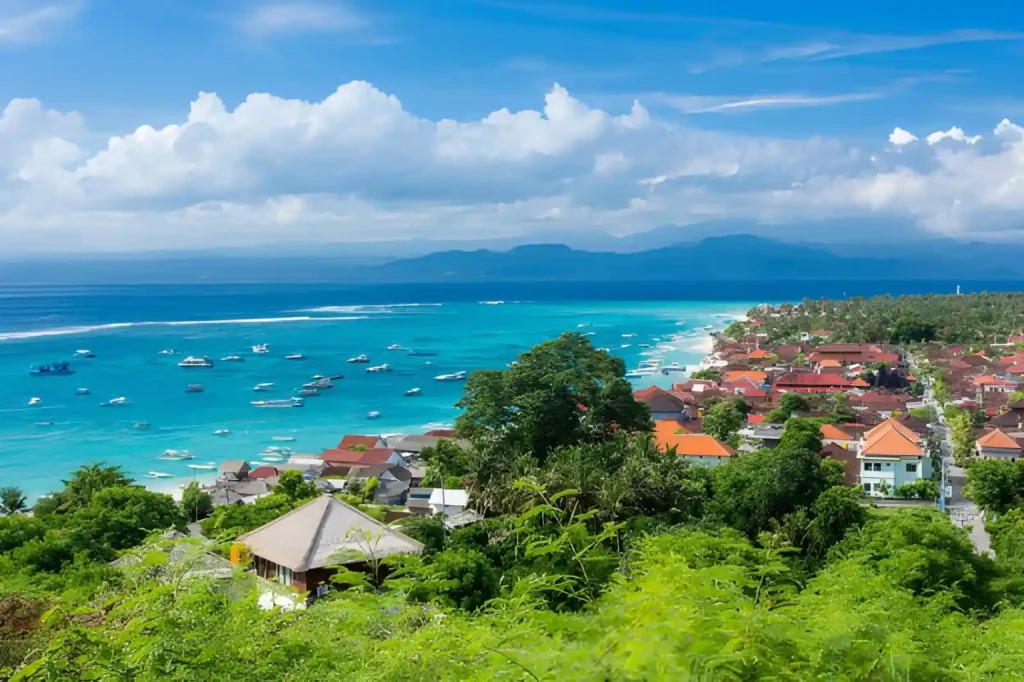
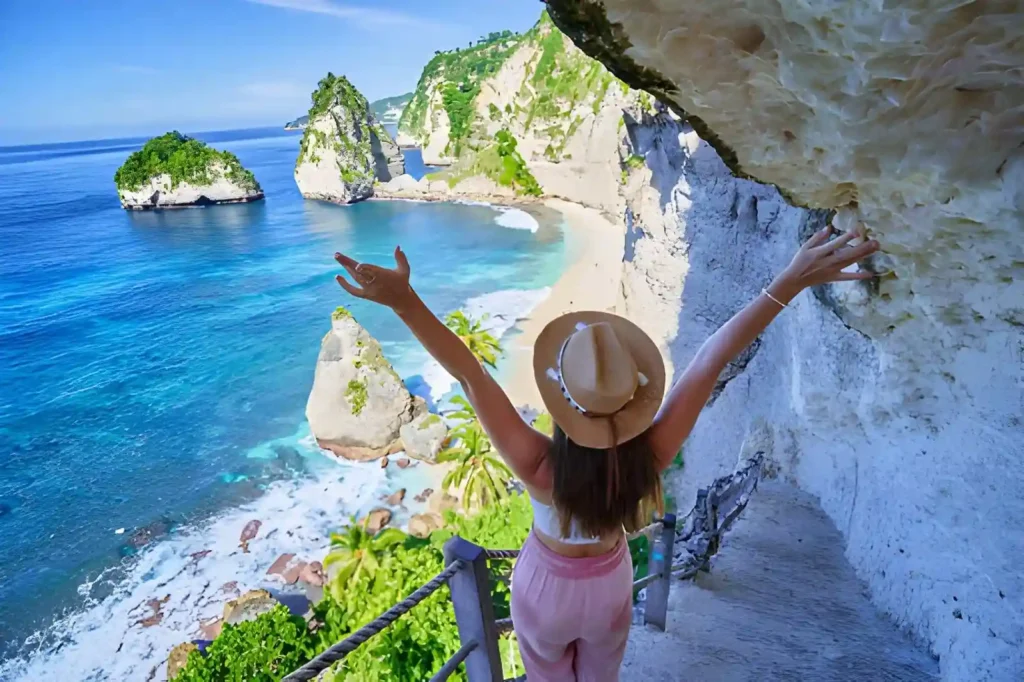
For many visitors, an island trip becomes one of the most memorable parts of their Bali holiday.
August is generally considered one of the best periods for visiting both Nusa Penida and Nusa Lembongan because sea conditions are often more favorable than during wetter months.
This creates better opportunities for:
- Coastal sightseeing
- Snorkeling excursions
- Beach exploration
- Day trips and overnight stays
- Visiting famous cliff viewpoints
Clearer skies also help showcase the islands at their best, especially at iconic coastal locations where visibility plays a huge role in the overall experience.
If island scenery is high on your Bali bucket list, August is one of the strongest months to make it happen.
4. Try Surfing in Bali’s Best Wave Conditions

Bali has earned a global reputation as one of the world’s most famous surf destinations, and August sits right in the heart of the island’s prime surf season.
During this period, many breaks along Bali’s west and southwest coastline receive consistent swell, attracting everyone from first-time surfers to experienced riders.
Why August is popular for surfing:
- More consistent wave conditions
- Active surf schools across popular beaches
- Wide range of beginner and advanced surf spots
- Stable weather for longer sessions on the water
Even if you’ve never surfed before, August is often considered one of the easiest times to try your first lesson thanks to the predictable conditions available in many beginner-friendly areas.
5. Explore Ubud’s Rice Terraces & Jungle Landscapes

While Bali’s coastline receives much of the attention during August, inland areas can be just as rewarding.
Ubud tends to be especially beautiful during the dry season because outdoor exploration becomes far more comfortable without frequent rain interruptions.
This is a great time to enjoy:
- Rice terrace walks
- Scenic jungle viewpoints
- Countryside cafés
- Nature-focused day trips
- Cultural attractions surrounded by greenery
The drier weather also makes it easier to spend full days exploring without needing to constantly adjust plans around changing conditions.
If you want a balance between nature, culture, and slower-paced experiences, Ubud remains one of the strongest additions to an August itinerary.
6. Take Early Morning Waterfall Trips Around Ubud & East Bali
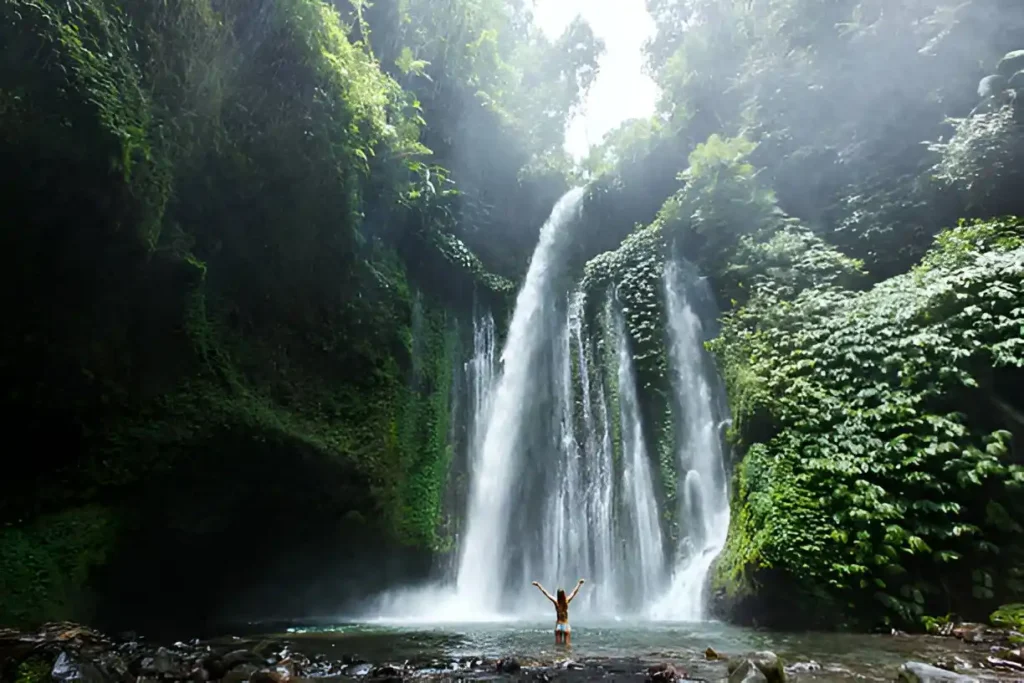
If you enjoy nature but want a break from Bali’s busiest beaches, August is one of the best times to explore the island’s waterfalls.
The dry season doesn’t necessarily mean waterfalls stop flowing. Instead, you’ll often find easier access conditions, less muddy trails, and more comfortable weather for exploring multiple locations in a single day.
Some of the most popular choices include:
- Tibumana Waterfall for a peaceful jungle setting
- Kanto Lampo Waterfall for its unique rock formations
- Tegenungan Waterfall for easy accessibility near Ubud
- Waterfalls throughout East Bali for a quieter experience away from larger crowds
The key is timing. If you arrive early in the morning, you’ll usually enjoy cooler temperatures, softer lighting, and fewer people compared to midday visits.
For many visitors, waterfall trips become one of the easiest ways to experience Bali’s natural side beyond the coastline.
7. Experience Mount Batur Sunrise Trek

If you’re looking for something that feels genuinely memorable during your Bali trip, a sunrise trek on Mount Batur is often high on the list.
August’s dry-season conditions make this experience particularly appealing because visibility tends to be better and the chances of weather-related disruptions are lower than during the rainy season.
The experience starts long before sunrise. Most hikes begin in the early hours of the morning, allowing you to reach the summit just as daylight starts appearing over the surrounding landscape.
What makes the trek special is the combination of:
- Sunrise views above the clouds
- Panoramic scenery across Bali’s volcanic region
- Cooler mountain temperatures
- A completely different perspective from Bali’s beaches and coastal areas
It requires an early wake-up call, but many visitors consider it one of the most rewarding outdoor experiences available on the island.
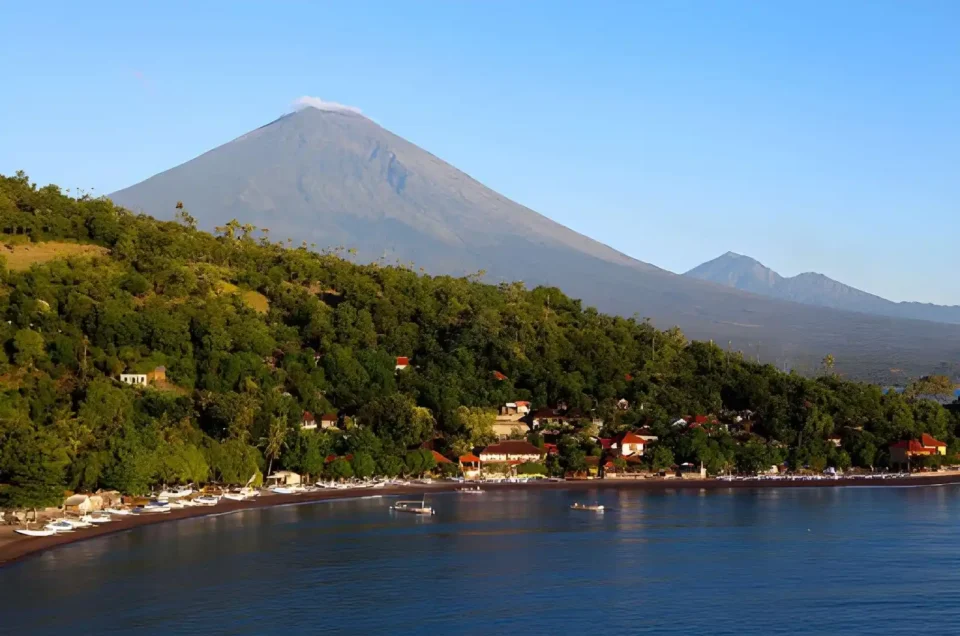
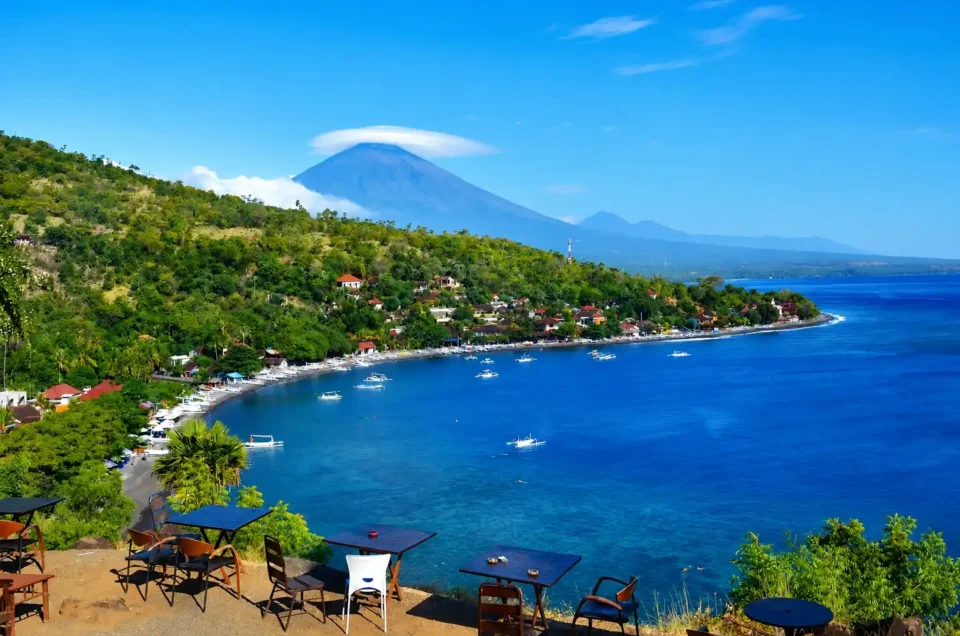
8. Discover a Quieter Side of Bali in Sidemen & Amed
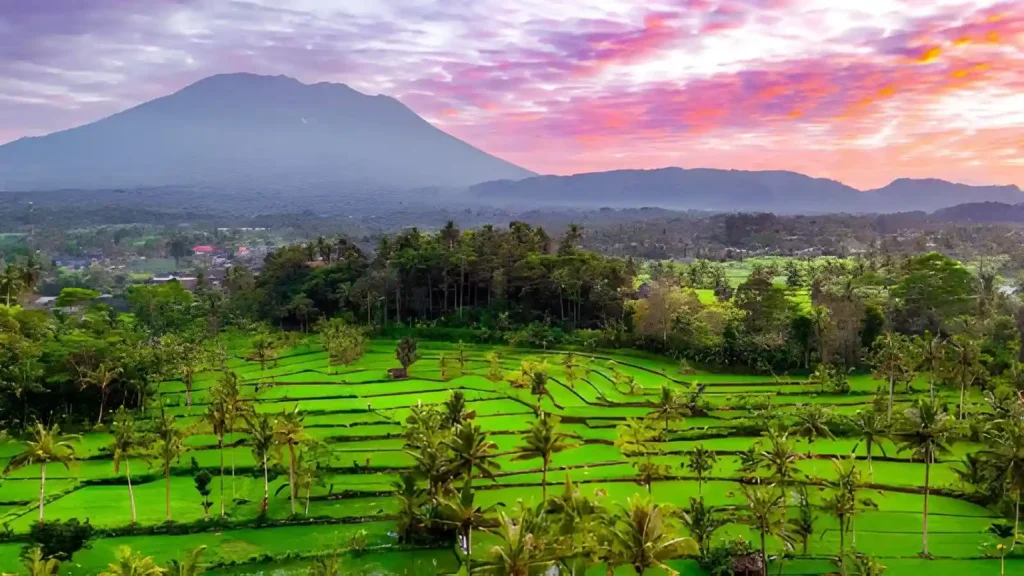
While many visitors focus on South Bali during August, some of the most rewarding experiences can actually be found in quieter regions.
If you start feeling overwhelmed by traffic or crowds, places like Sidemen and Amed offer a completely different atmosphere.
In Sidemen, you’ll find:
- Rice valley landscapes
- Mount Agung views
- Traditional village surroundings
- Slower-paced countryside experiences
Meanwhile, Amed offers:
- Relaxed coastal scenery
- Snorkeling opportunities
- Black-sand beaches
- A quieter alternative to Bali’s busier beach destinations
These areas are especially appealing if you’re visiting Bali for more than a few days and want to balance popular attractions with something that feels calmer and less commercialized.
9. Enjoy Bali’s Cultural & Temple Experiences
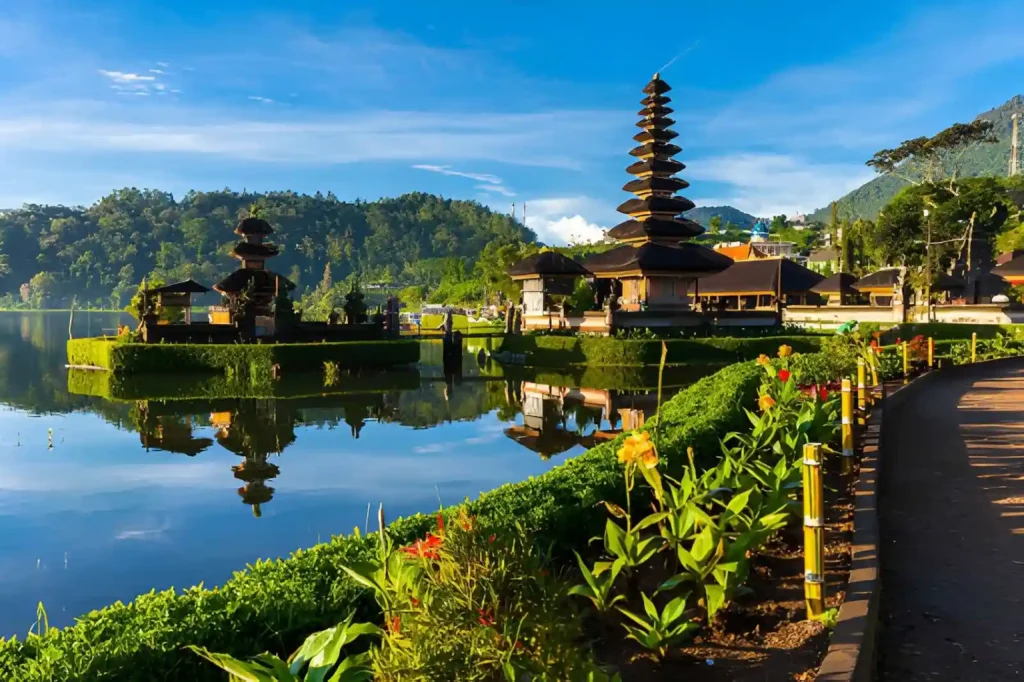

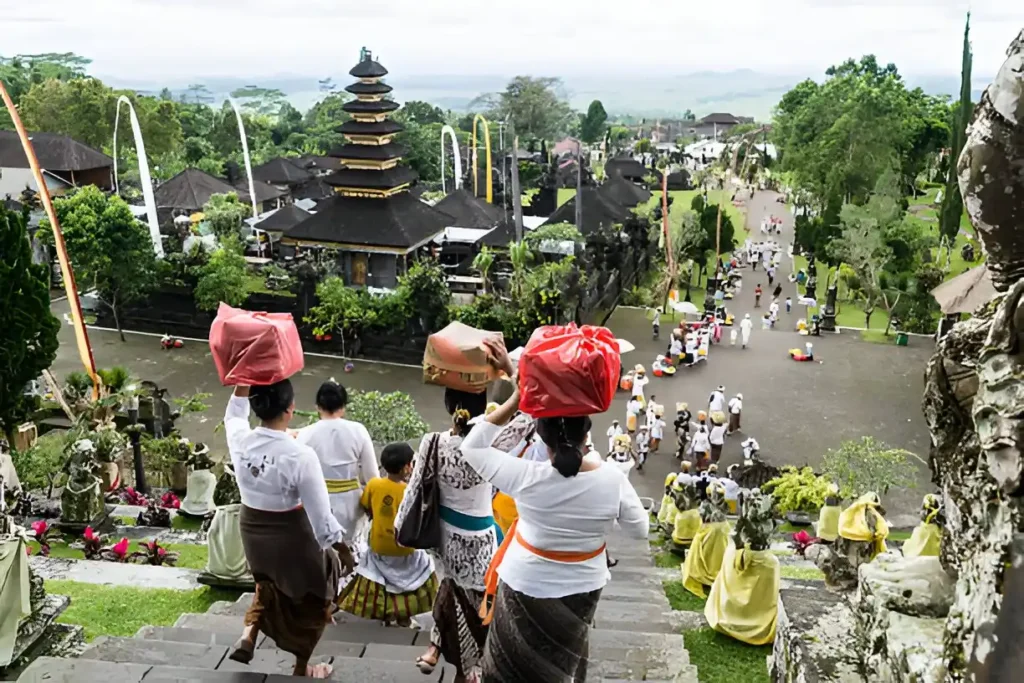
Beyond the beaches and outdoor adventures, August is also a fantastic time to explore Bali’s cultural side.
The dry season makes temple visits more comfortable, especially when you’re spending several hours exploring historical and spiritual sites across different regions of the island.
Depending on your itinerary, you may want to include places such as:
- Uluwatu Temple
- Tirta Empul Temple
- Besakih Temple
- Ulun Danu Beratan Temple
August also falls during a period when Bali feels particularly active and vibrant. While ceremonies and religious events vary throughout the year, you’ll often notice how closely daily life remains connected to local traditions, offerings, and temple culture.
Rather than treating temples as simple sightseeing stops, you’ll gain a much deeper appreciation for the cultural identity that makes Bali feel different from many other tropical destinations.
Together with the excellent weather conditions, these experiences help explain why August continues to be one of the most sought-after months to visit Bali.
You may also want to read this: Best Places to Visit in Bali in Summer for the Perfect Island Escape
Travel Tips for Visiting Bali in August
By now, you’ve probably noticed a pattern: August offers some of the best weather conditions of the year, but it also attracts some of the largest visitor numbers.
The good news is that most peak-season frustrations can be avoided with a little planning. If you’re visiting Bali in August, these simple tips can help you enjoy the benefits of the season while avoiding many of the common mistakes first-time visitors make.
Keep These August Travel Tips in Mind
- Book accommodation as early as possible
Popular villas, resorts, and boutique hotels in areas like Ubud, Seminyak, Canggu, and Uluwatu often fill up weeks or even months in advance. - Avoid overplanning your daily itinerary
Trying to squeeze too many attractions into one day usually leads to more time in traffic and less time enjoying Bali. - Start activities earlier in the morning
Beaches, waterfalls, viewpoints, and popular attractions are often quieter and more enjoyable before the midday crowds arrive. - Expect traffic in South Bali
Areas such as Canggu, Seminyak, Uluwatu, and Jimbaran can become congested during late afternoons and around sunset hours. - Reserve popular experiences in advance
Beach clubs, Nusa Penida tours, Mount Batur treks, snorkeling trips, and private drivers often have limited availability during peak season. - Stay longer in fewer areas
Instead of changing hotels every day, choose two or three main bases and explore each region more comfortably.
A little flexibility goes a long way in August. The less time you spend rushing between locations, the more enjoyable your Bali experience tends to be.
You may also need to read this: Bali in Summer: 10 Reasons Why June – August Is the Best Time for Your Bali Holiday
So, Is Bali in August Worth Visiting?
Yes, if you’re looking for sunny weather, outdoor adventures, beach days, island trips, and some of the most reliable travel conditions of the year, August is one of the best times to visit Bali.
The dry season is usually at its peak, making it easier to enjoy everything from Uluwatu sunsets and Nusa Penida day trips to rice terrace walks and Mount Batur sunrises.
The trade-off is that August is also one of Bali’s busiest months. Popular areas can be crowded, accommodation fills up quickly, and traffic is more noticeable in South Bali.
However, with a bit of planning and a balanced itinerary, you’ll understand why so many visitors choose August for their Bali holiday. At Bali Island Vacations, we often find that choosing the right areas and travel pace makes all the difference during peak season.
To help you plan your Bali summer trip better, continue reading these related Bali travel guides below.
- Mid-Year Escape to Bali (June–August): What to Do & Where to Go
- Best and Worst Time to Visit Bali: Complete Guide for Weather, Crowds & Prices
- Bali Tourist Attractions in 2026: 20 Best Places to Visit Across the Island
- Bali Travel Mistakes to Avoid for a Smoother Trip
Frequently Asked Questions
Is August a good time to visit Bali?
Yes. August is widely considered one of the best months to visit Bali thanks to its dry-season weather, lower rainfall, and excellent conditions for beaches, sightseeing, island trips, and outdoor activities.
How crowded is Bali in August?
August is one of Bali’s busiest months. Popular areas such as Canggu, Seminyak, Uluwatu, and Ubud typically experience higher visitor numbers due to European and Australian holiday seasons.
What is the weather like in Bali in August?
You can generally expect sunny days, warm temperatures between 27–31°C (81–88°F), lower rainfall, and relatively stable weather conditions compared to wetter months.
Is Bali expensive in August?
Prices are often higher than during shoulder or low seasons, particularly for accommodation, private transport, and popular tours. Booking early usually provides more options and better rates.
Where should I stay in Bali in August?
That depends on your travel style:
- Canggu for beach lifestyle and social atmosphere
- Seminyak for convenience and dining
- Uluwatu for cliffs, sunsets, and resorts
- Ubud for culture and nature
- Sidemen or Amed for a quieter and more relaxed experience
What should I avoid in Bali in August?
Try to avoid booking accommodation at the last minute, changing hotels too frequently, and underestimating travel times in South Bali. Planning around traffic and peak-season demand can significantly improve your trip.