

Bali is a destination you can visit at any time of the year, but that doesn’t mean every month offers the same experience. Some months are ideal for beach days and island hopping, while others are better for lush landscapes, quieter attractions, and more affordable accommodation. The best time to visit ultimately depends on what you want from your trip.
Whether you’re planning a honeymoon, a family holiday, a surfing adventure, or simply your first visit to Bali, choosing the right season can make a noticeable difference to your itinerary. This guide will help you decide exactly when to visit Bali based on weather, crowds, prices, and the experiences you’re looking for.
Best Time to Visit Bali by Season
Rather than asking “What is the best month to visit Bali?”, it’s often more helpful to ask “What kind of holiday do I want?” Bali’s two main seasons each offer distinct advantages, and understanding the difference makes it much easier to plan a trip that matches your travel style.
Dry Season (April to October)

If you’re planning a trip focused on outdoor adventures, the dry season is generally considered the best time to visit Bali. Lower humidity, more sunshine, and relatively little rainfall create reliable conditions for exploring the island from morning until sunset.
This is when Bali’s beaches are at their best, hiking trails are typically drier and easier to navigate, and boat crossings to nearby islands are usually smoother. It’s also the most popular season for first-time visitors, which means you’ll find plenty of tours and activities operating every day—but you’ll also encounter larger crowds, especially between July and August.
The dry season is particularly well suited if your itinerary includes:
- Relaxing on Bali’s beaches and beach clubs
- Snorkeling and diving around Nusa Penida, Amed, or Menjangan Island
- Hiking Mount Batur at sunrise
- Exploring rice terraces, waterfalls, and scenic viewpoints
- Full-day sightseeing tours across the island
If you’re looking for the most predictable weather and want to spend as much time outdoors as possible, the dry season is difficult to beat.
Read more: 14 Best Things to Do in Bali During Dry Season for the Ultimate Island Experience
Wet Season (November to March)
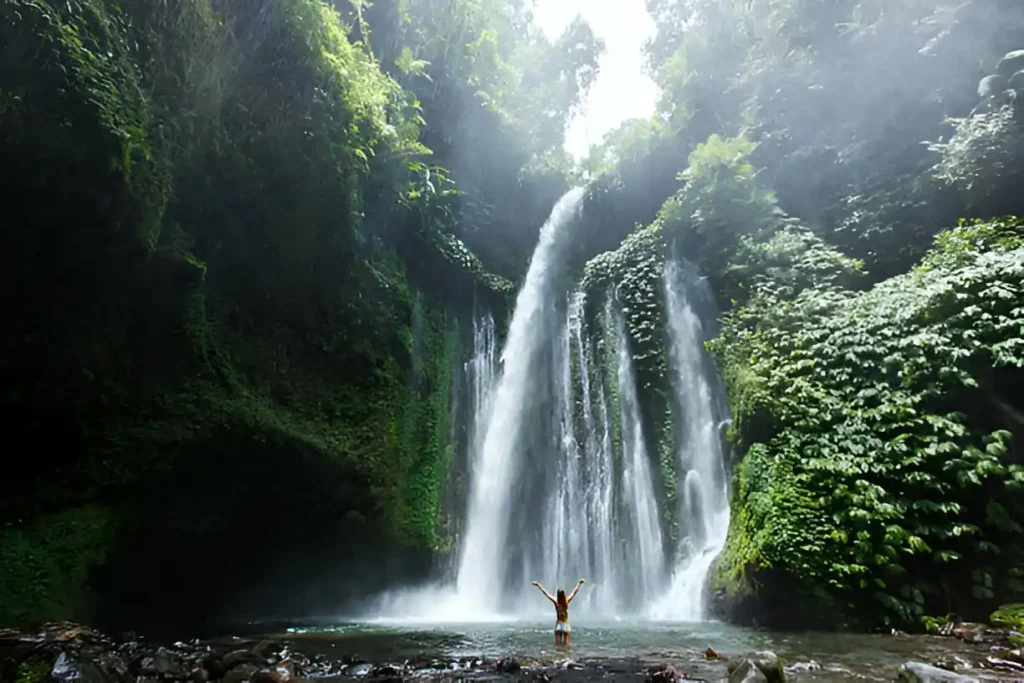
The wet season offers a different side of Bali, one that’s greener, quieter, and often more relaxed.
Although tropical showers are more common, they rarely last all day. Rain frequently falls during the afternoon or evening, leaving plenty of opportunities for sightseeing earlier in the day. Landscapes become noticeably more vibrant, rivers and waterfalls flow more strongly, and many popular attractions feel less crowded than during the peak dry season.
Another advantage is value. Outside of holiday periods such as Christmas and New Year, accommodation prices are often lower, making this an attractive time for longer stays or travelers looking to make the most of their budget.
The wet season is an excellent choice if you enjoy:
- Lush rice terraces and tropical scenery
- Visiting Bali’s waterfalls at their most impressive
- A quieter atmosphere at many attractions
- Better hotel deals outside peak holiday weeks
- A more flexible, slower-paced itinerary
While weather can be less predictable than during the dry season, many travelers find that the quieter surroundings and greener landscapes create a completely different—but equally rewarding—Bali experience.
Month-by-Month Bali Guide
Every month in Bali offers a slightly different experience. Weather, crowd levels, accommodation prices, and outdoor conditions change throughout the year, so the “best” month really depends on what you’re hoping to do during your trip.
Here’s what you can expect month by month, along with the types of holidays each period is best suited for.
1. January
January falls in the middle of Bali’s wet season, making it one of the greenest months of the year. Tropical showers are fairly common, but they often arrive in the afternoon or evening rather than lasting all day. Mornings can still be excellent for sightseeing if you start early.
Although it’s not the best month for beach-focused holidays, January is a rewarding time if you enjoy lush landscapes, quieter attractions, and lower accommodation prices after the New Year holiday period.
Best for:
- Budget-conscious travelers
- Waterfall visits
- Wellness retreats
- Cultural sightseeing
- Relaxed holidays
2. February
February continues the wet season, but visitor numbers are generally lower than during December and January. If you don’t mind occasional rain, it’s one of the quieter times to experience Bali.
The countryside remains beautifully green, cafés and attractions feel less crowded, and hotels frequently offer attractive rates. Building flexibility into your itinerary is the key to making the most of this month.
Best for:
- Budget travel
- Couples
- Spa and wellness holidays
- Ubud stays
- Flexible itineraries
3. March
March marks the transition toward the dry season. Rainfall usually begins to decrease, humidity gradually becomes more comfortable, and outdoor activities become increasingly reliable.
It’s an excellent month for travelers who want pleasant weather before Bali enters its busiest period. Beaches become more enjoyable, and many full-day tours operate under increasingly favorable conditions.
Best for:
- First-time visitors
- Sightseeing
- Island tours
- Photography
- Shoulder-season travel
4. April
April is widely considered the beginning of Bali’s dry season and one of the island’s most enjoyable months to visit.
Sunny days become more consistent, humidity drops, and the island hasn’t yet reached the peak-season crowds of mid-year. Whether you’re planning a Mount Batur sunrise trek, snorkeling around Nusa Penida, or relaxing on Bali’s beaches, April offers excellent conditions across the island.
For many experienced Bali visitors, April strikes one of the best balances between weather, crowd levels, and overall value.
Best for:
- Beaches
- Snorkeling
- Outdoor adventures
- First-time visitors
- Couples
5. May
May is often one of Bali’s best-kept secrets.
The dry season is fully underway, but the island is still noticeably quieter than July and August. Beaches are in excellent condition, visibility for snorkeling and diving is typically very good, and many attractions remain comfortably uncrowded.
If you’re looking for the benefits of dry-season weather without the busiest holiday crowds, May is one of the strongest months to consider.
Best for:
- Beach holidays
- Honeymoons
- Photography
- Nusa Penida day trips
- Active itineraries
6. June
June marks the beginning of Bali’s high season, with warm sunny weather attracting more international visitors as school holidays approach.
Despite increasing visitor numbers, June often feels more manageable than July and August. Outdoor conditions are excellent for hiking, surfing, snorkeling, and exploring Bali’s many cultural attractions, making it one of the most versatile months for almost every type of traveler.
Booking accommodation and popular tours in advance becomes increasingly important from this point onward.
Best for:
- Families
- Outdoor activities
- Surfing
- Snorkeling
- Multi-day Bali road trips
7. July
July is one of Bali’s busiest months, and for good reason. The dry season is in full swing, with sunny days, low humidity, and excellent conditions for almost every outdoor activity. Beaches, hiking trails, island tours, and cultural attractions are all at their best, making July a favorite among first-time visitors.
The trade-off is that you’ll be sharing the island with more people. Popular destinations such as Ubud, Seminyak, Uluwatu, and Nusa Penida become noticeably busier, while accommodation and tour demand increase significantly. Planning ahead makes a big difference during this time of year.
Best for:
- First-time visitors
- Beach holidays
- Surfing and snorkeling
- Family vacations
- Outdoor adventures
Read more: Bali Travel Tips for July & August 2026: Everything You Should Know Before You Go
8. August
August offers many of the same advantages as July, with consistently sunny weather and some of the best beach conditions of the year. It’s an excellent month for swimming, diving, island hopping, sunrise hikes, and exploring Bali’s coastline.
As one of the island’s peak travel months, however, you’ll encounter heavier traffic, higher hotel occupancy, and busier attractions. Starting your day early, making restaurant reservations, and booking accommodation well in advance will help you enjoy a much smoother experience.
Despite the crowds, August remains one of the best times to visit Bali if your priority is spending as much time outdoors as possible.
Best for:
- Beach lovers
- Snorkeling and diving
- Mount Batur sunrise treks
- Nusa Penida day trips
- Summer holidays
Read more: Bali in August 2026: Weather, Crowds, Things to Do & Travel Tips
9. September
Many experienced Bali travelers consider September one of the best months to visit the island.
The weather remains very similar to July and August, but visitor numbers begin to ease as international school holidays come to an end. That means you can still enjoy dry-season conditions while experiencing a more relaxed atmosphere at many beaches, restaurants, and popular attractions.
If you’re looking for the ideal balance between excellent weather and fewer crowds, September is difficult to beat.
Best for:
- Couples
- Honeymoons
- Photography
- Outdoor activities
- Travelers seeking fewer crowds
10. October
October marks the final month of Bali’s dry season and one of the island’s most underrated travel periods.
Sunny days are still common, ocean conditions remain favorable for many coastal activities, and popular destinations are generally less crowded than during the peak summer months. It’s also an excellent time to enjoy scenic drives, cultural sightseeing, and beach days before the wetter season gradually begins.
For many travelers, October offers outstanding value thanks to the combination of pleasant weather and more moderate demand.
Best for:
- Relaxed beach holidays
- Road trips
- Cultural sightseeing
- Couples
- Shoulder-season travel
11. November
November is a transition month as Bali gradually moves into the wet season.
While occasional rain becomes more frequent, it rarely prevents you from enjoying the island. Many mornings remain bright and sunny, with showers often arriving later in the day. The landscape also becomes noticeably greener, creating beautiful scenery across rice terraces, forests, and mountain regions.
With fewer visitors and more attractive hotel prices, November appeals to travelers who value flexibility over guaranteed sunshine.
Best for:
- Budget-friendly holidays
- Nature lovers
- Waterfalls
- Wellness retreats
- Longer stays
12. December
December offers two very different travel experiences depending on when you visit.
The first half of the month is generally quieter, with relatively moderate crowds and the start of the rainy season. By the middle of December, however, Bali enters one of its busiest periods as Christmas and New Year holidays attract visitors from around the world.
Festive events, lively beach clubs, and a vibrant holiday atmosphere make December an exciting time to visit, but booking accommodation, tours, and transportation well in advance is essential.
If you’re traveling over the festive season, expect higher prices and larger crowds, but also one of the island’s most energetic atmospheres.
Best for:
- Christmas and New Year holidays
- Families
- Festive celebrations
- Resort stays
- End-of-year vacations
Read more: Best Time to Visit Bali Discover the Perfect Month for Your Island Vacation
Best Time to Visit Bali for Different Travel Styles
The table below provides a quick overview, followed by a little more context to help you decide which season is the best fit for your travel plans.
| Travel Style | Best Time to Visit |
|---|---|
| Honeymoon | May–September |
| Families | June–August |
| Budget Travel | January–March |
| Surfing | May–September |
| Snorkeling & Diving | April–October |
| Waterfalls | December–March |
| Photography | May & September |
| First-Time Visitors | May, June & September |
When Is the Worst Time to Visit Bali?
The short answer is there isn’t a truly bad time to visit Bali.
Unlike destinations that experience harsh winters or extreme weather, Bali remains a year-round destination. Every month offers something worthwhile, it simply depends on what you want from your holiday.
Here are a few examples:
December
December isn’t a bad time to visit, but it becomes one of Bali’s busiest periods during Christmas and New Year. Hotels sell out quickly, popular restaurants require reservations, and traffic around tourism hotspots can be significantly heavier than usual.
January
January sits in the middle of the wet season, so you should expect more frequent tropical showers. While it’s still possible to enjoy beaches, sightseeing, and cultural attractions, outdoor plans may occasionally need to be adjusted around the weather.
July
July offers some of Bali’s best weather, but it’s also one of the island’s most expensive months. Accommodation rates increase, tours are in higher demand, and many of Bali’s best-known attractions become considerably busier.
August
August shares many of July’s advantages, including excellent beach conditions and reliable sunshine. However, it’s also one of the busiest months for road traffic, particularly around Seminyak, Canggu, Uluwatu, and Ubud. Starting activities earlier in the day and allowing extra travel time can make a noticeable difference.
Ultimately, there’s no single month you should avoid altogether. If you value sunshine above everything else, the dry season is likely your best choice. If you prefer quieter attractions, greener scenery, or better travel deals, the wet season may actually suit you better.
The key is choosing the time of year that aligns with the kind of Bali experience you’re looking for, rather than simply following the peak travel calendar.
Plan Your Bali Trip Around the Experience You Want
Whether you’re visiting Bali for the first time or returning to discover a different side of the island, Bali Island Vacations can help you create customized itineraries, arrange private drivers, organize island tours, and plan the perfect route based on the season, your interests, and your travel style.
Frequently Asked Questions
What is the best month to visit Bali?
For most travelers, May, June, and September offer the best overall experience. These months combine reliable dry-season weather with fewer crowds than the peak holiday period in July and August, making them ideal for sightseeing, beaches, and outdoor activities.
What is the worst month to visit Bali?
There isn’t a truly worst month to visit Bali. Some months simply suit certain travel styles better than others. January is wetter, while July, August, and late December are busier and generally more expensive due to peak holiday demand.
Is Bali worth visiting during the rainy season?
Yes. Bali remains a rewarding destination during the rainy season. Tropical showers are often short-lived, while the island becomes greener, waterfalls are at their most impressive, and accommodation prices are typically lower outside major holidays.
Is July or September better for Bali?
Both months offer excellent weather, but September is often the better choice if you prefer fewer crowds. July is ideal for travelers tied to school holidays, while September provides similar dry-season conditions with a more relaxed atmosphere.
Which month has the best weather in Bali?
The most consistently sunny weather is generally found between June and September, when the dry season brings lower humidity, minimal rainfall, and excellent conditions for beaches, hiking, snorkeling, and sightseeing.
When is Bali least crowded?
Outside holiday periods, February, March, October, and November are usually quieter than the peak travel months. May and September also offer an excellent balance between pleasant weather and moderate crowd levels.
When is Bali cheapest?
Travel costs are often lowest between January and March, excluding the Christmas and New Year holiday period. During these months, you’ll frequently find better deals on accommodation and some travel services.
Should I avoid Bali during the wet season?
Not at all. The wet season can be a great choice if you’re looking for greener scenery, fewer crowds, and better value. Planning outdoor activities in the morning and keeping a flexible itinerary is usually enough to make the most of your trip.
Continue exploring our Bali travel guides and practical tips to help you choose the perfect time for your trip.
- When Is Bali Low Season? Full Guide to Weather, Crowds & Best Months
- Where to Stay in Bali for First-Timers: 7 Best Areas to Choose
- 13 Bali Slow Travel Ideas for a Relaxed and Authentic Experience
- Solo Female Traveler Guide to Bali: 10 Tips for a Safe & Confident Trip
- High Season Trip Cost in Bali: Budget Guide for 2026