

The dry season is widely considered one of the best times to visit Bali. With more sunshine, lower rainfall, and generally stable weather, it’s much easier to enjoy the island’s beaches, outdoor attractions, and scenic landscapes without constantly adjusting your plans around the forecast.
The difference becomes noticeable once you start exploring. Island trips are usually smoother, viewpoints are clearer, and many outdoor activities become more enjoyable compared to wetter months. If you’re visiting Bali during the dry season, these are some of the best experiences to add to your itinerary..
Why Dry Season Is the Best Time to Explore Bali
One of the biggest advantages of visiting Bali during the dry season is how much easier it becomes to enjoy the island’s outdoor experiences. With more sunshine, lower rainfall, and generally more predictable weather patterns, planning your days often feels far more straightforward than during the wetter months.
The dry season typically runs from April to October, with the most stable conditions usually occurring between June and August. During this period, daytime temperatures often range between 27°C and 31°C (81°F–88°F). While Bali remains tropical and humid year-round, the dry season usually feels more comfortable because rainfall is less frequent and skies tend to stay clearer for longer periods.
Many of Bali’s most popular experiences are also highly dependent on weather conditions. Whether you’re exploring beaches, hiking volcanoes, visiting waterfalls, or taking a boat trip to nearby islands, stable weather can have a noticeable impact on the overall experience.
During the dry season, you can generally expect:
- More reliable weather for outdoor activities
- Lower rainfall compared to the wet season
- Daytime temperatures averaging around 27°C–31°C (81°F–88°F)
- Better sea conditions for island and boat trips
- Clearer visibility for scenery and photography
- More vibrant sunset views across coastal areas
- Easier access to hiking trails, viewpoints, and countryside routes
Another advantage is how versatile the season feels. You can spend the morning hiking Mount Batur, the afternoon relaxing on the beach, and the evening watching sunset in Uluwatu without constantly adjusting your plans around the weather.
Best Things to Do in Bali During Dry Season
The dry season creates some of the most reliable travel conditions you’ll experience in Bali. With clearer skies, lower rainfall, and better visibility across much of the island, many outdoor activities simply become more enjoyable during this time of year.
1. Watch Sunrise From the Summit of Mount Batur

Standing above the volcanic landscapes of Kintamani, Mount Batur offers one of Bali’s most iconic sunrise experiences. The early morning climb is already rewarding on its own, but dry-season conditions often make the views from the summit even more impressive.
As the sun rises, you’ll often be able to see Lake Batur, surrounding mountains, and even Mount Agung appearing above the horizon. Clearer skies can make a significant difference to the overall experience, especially if photography is part of your trip.
If you’re looking for an experience that combines adventure, scenery, and a memorable start to the day, Mount Batur is one of the strongest choices during Bali’s dry season.
Why it’s ideal during dry season:
- Better visibility from the summit
- Higher chance of clear sunrise views
- More comfortable trekking conditions
- Lower risk of weather disruptions
2. Take a Day Trip to Kelingking Beach and Nusa Penida’s Coastal Cliffs
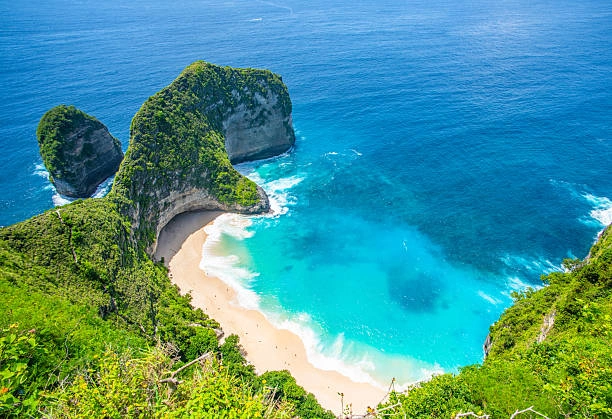
Few landscapes around Bali feel as dramatic as the coastal cliffs of Nusa Penida. Towering limestone formations, turquoise water, and rugged ocean scenery have turned the island into one of the region’s most sought-after day trips.
Dry-season weather often allows these viewpoints to look their best. Ocean colors appear more vibrant, visibility improves across the coastline, and boat crossings are generally more predictable than during wetter months.
If breathtaking scenery is high on your Bali wish list, Nusa Penida is one of those places that often lives up to the photos.
Highlights often include:
- Kelingking Beach
- Broken Beach
- Angel’s Billabong
- Crystal Bay
Read more: 12 Best Viewpoints in Nusa Penida for Epic Cliff & Ocean Views
3. Surf Bali’s Best Dry-Season Waves in Uluwatu and Canggu

Bali’s reputation as a world-class surf destination becomes especially noticeable during the dry season. Consistent swells arrive along the west and south coastlines, creating favorable conditions across many of the island’s most famous surf breaks.
Whether you’re planning to take your first lesson or already have surfing experience, this is generally considered one of the best times of year to get into the water.
Even if surfing isn’t your main goal, spending time around these coastal areas gives you a chance to experience one of the island’s most recognizable lifestyles.
Popular dry-season surf spots include:
- Uluwatu
- Canggu
- Balangan
- Padang Padang
4. Snorkel the Coral Reefs of Amed and Jemeluk Bay

Along Bali’s eastern coastline, Amed offers a quieter alternative to the busier beach destinations in the south. The area is known for its relaxed atmosphere, volcanic coastline, and some of the island’s most accessible snorkeling spots.
During the dry season, improved underwater visibility often makes a noticeable difference. Coral reefs become easier to appreciate, marine life is easier to spot, and conditions are generally more enjoyable for spending time in the water.
If part of your Bali trip involves slowing down and enjoying the ocean at a more relaxed pace, Amed is well worth considering.
Why many people include Amed during dry season:
- Clearer snorkeling conditions
- Better underwater visibility
- Healthy coral reef areas
- Relaxed coastal atmosphere
5. Walk Through the UNESCO Rice Terraces of Jatiluwih
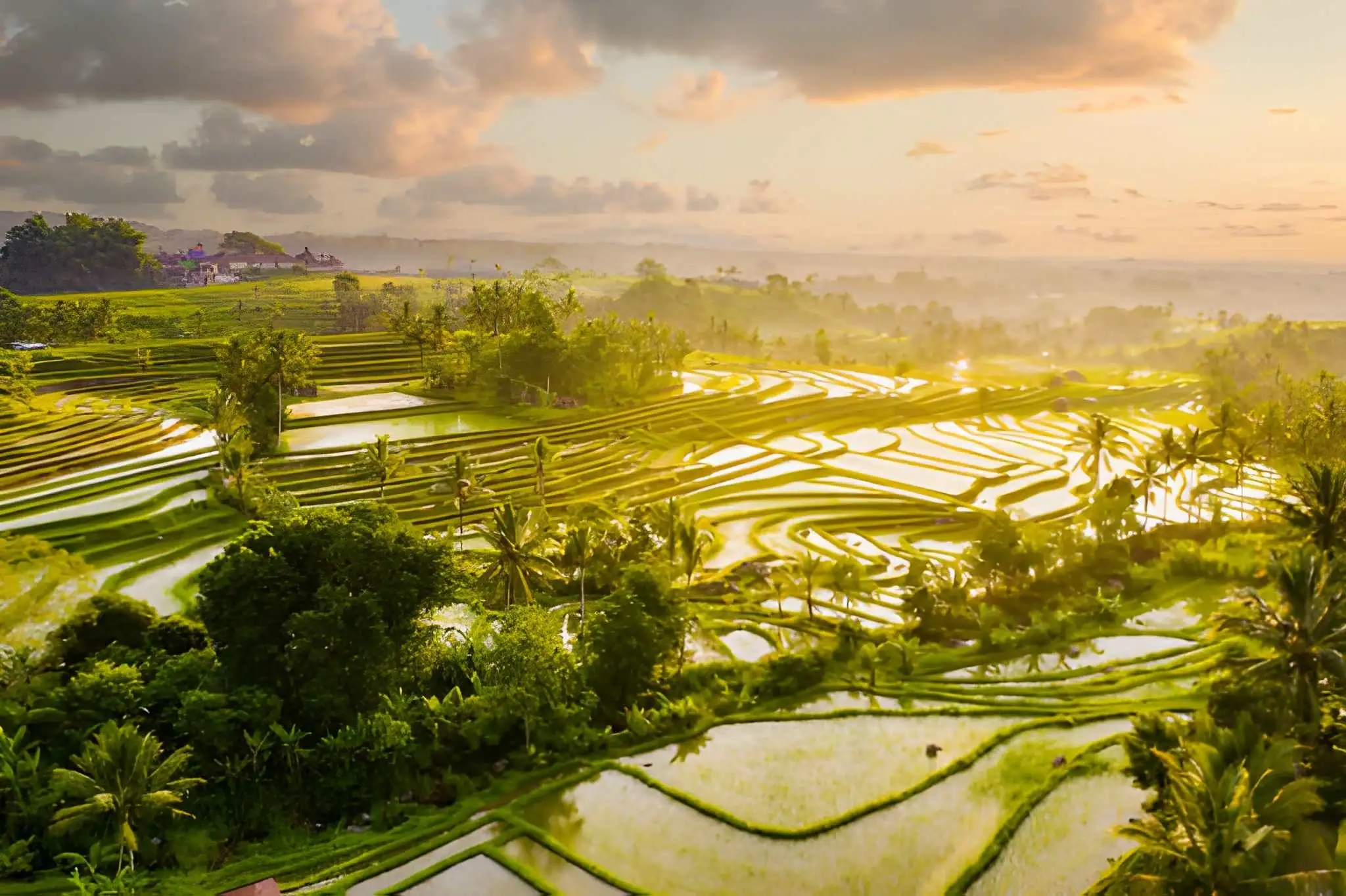
Stretching across the foothills of central Bali, Jatiluwih showcases some of the most impressive rice terrace scenery on the island. The landscape feels expansive, peaceful, and far less developed than many of Bali’s more heavily visited attractions.
Dry-season conditions make it easier to explore the area on foot or by bicycle, allowing you to spend more time enjoying the scenery without worrying about muddy trails or frequent rain interruptions.
If you’re hoping to experience Bali beyond beaches and coastal attractions, Jatiluwih offers one of the island’s most rewarding countryside experiences.
What makes Jatiluwih worth adding to your itinerary:
- UNESCO-recognized cultural landscape
- Scenic walking and cycling routes
- Expansive rice terrace views
- Slower countryside atmosphere
Read more: Jatiluwih Rice Terraces Bali: A Complete Guide to Experiencing UNESCO Rice Fields
6. Watch Sunset From Uluwatu’s Dramatic Cliffside Coastline

Towering limestone cliffs and uninterrupted ocean views have made Uluwatu one of Bali’s most iconic sunset destinations. As the day begins to cool down, the coastline transforms into one of the island’s most impressive places to watch the sun disappear into the Indian Ocean.
The dry season often brings clearer skies, which can create stronger sunset colors and longer visibility across the horizon. Combined with the dramatic cliff scenery, the experience feels every bit as memorable as its reputation suggests.
Whether you’re visiting a viewpoint, exploring the temple area, or enjoying dinner nearby, this is one of those moments that can easily become a highlight of your time in Bali.
Popular sunset locations include:
- Uluwatu Temple area
- Karang Boma Cliff
- Single Fin
- Cliffside cafés overlooking the ocean
7. Explore Tibumana, Banyumala, and Bali’s Most Scenic Waterfalls
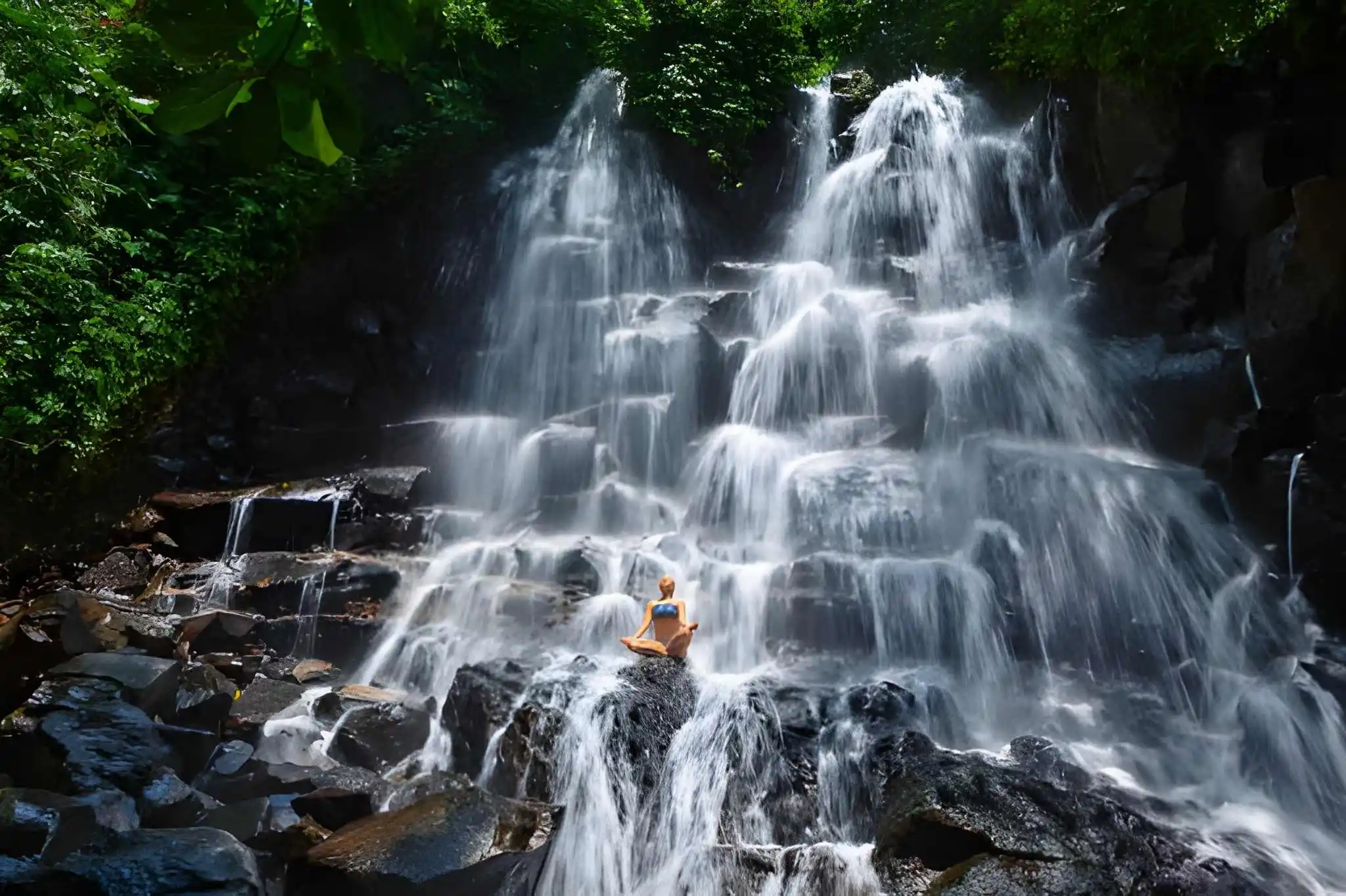
Beyond the beaches and coastline, Bali is home to dozens of waterfalls hidden among jungle valleys, river gorges, and forested hillsides. While waterfalls can be visited throughout the year, the dry season often makes the overall experience much more comfortable.
Trails are generally easier to navigate, river crossings tend to be safer, and you won’t have to worry as much about sudden downpours interrupting your plans. This allows you to spend more time enjoying the scenery rather than rushing between shelters or dealing with muddy conditions.
Some of the most rewarding waterfall experiences include:
- Tibumana Waterfall
- Banyumala Twin Waterfalls
- Leke Leke Waterfall
- Kanto Lampo Waterfall
If you’re looking to balance beach days with something more nature-focused, waterfall exploration is one of the easiest ways to experience a different side of Bali.
Why it’s ideal during dry season:
- Easier trail access
- More comfortable hiking conditions
- Better visibility for photography
- Lower chance of weather interruptions
Read more: 12+ Best Waterfalls in Bali for a Deeper Island Experience
8. Spend an Afternoon at Bali’s Most Famous Beach Clubs

Beach clubs have become a major part of Bali’s lifestyle scene, and dry season weather is exactly what makes them so enjoyable.
Long sunny afternoons, ocean views, poolside lounging, and sunset sessions all work best when the weather is predictable. During the dry season, you can comfortably spend hours outdoors without constantly checking the forecast.
Popular options include:
- Atlas Beach Club
- Finns Beach Club
- Savaya
- Café del Mar
Whether you’re relaxing by the pool, enjoying lunch with ocean views, or staying for sunset, beach clubs offer a completely different side of Bali compared to the island’s cultural and nature attractions.
If your ideal holiday includes slowing down for a few hours and simply enjoying the atmosphere, this is one experience that fits perfectly into a dry-season itinerary.
Why it’s ideal during dry season:
- More reliable beach weather
- Better sunset conditions
- Comfortable outdoor atmosphere
- Full beach club experience
9. Go White-Water Rafting on the Ayung River

Flowing through lush valleys north of Ubud, the Ayung River offers one of Bali’s most popular outdoor adventure experiences.
The rafting route takes you through jungle scenery, river canyons, waterfalls, and stretches of tropical landscape that are difficult to see from the road. The activity combines excitement with sightseeing, making it appealing even if you’re not normally drawn to adventure sports.
Dry-season conditions often make logistics simpler, with more predictable weather helping tours operate smoothly throughout the day.
Along the route, you’ll experience:
- Jungle-covered river valleys
- Scenic canyon walls
- Small waterfalls
- Traditional stone carvings along the riverbanks
If you’re looking for an activity that feels active without being overly extreme, rafting on the Ayung River is one of the easiest adventures to add to your Bali trip.
Why it’s ideal during dry season:
- More predictable operating conditions
- Comfortable weather throughout the day
- Easier transportation to rafting locations
- Excellent scenery along the route
10. Visit Tanah Lot, Uluwatu Temple, and Bali’s Iconic Cultural Landmarks
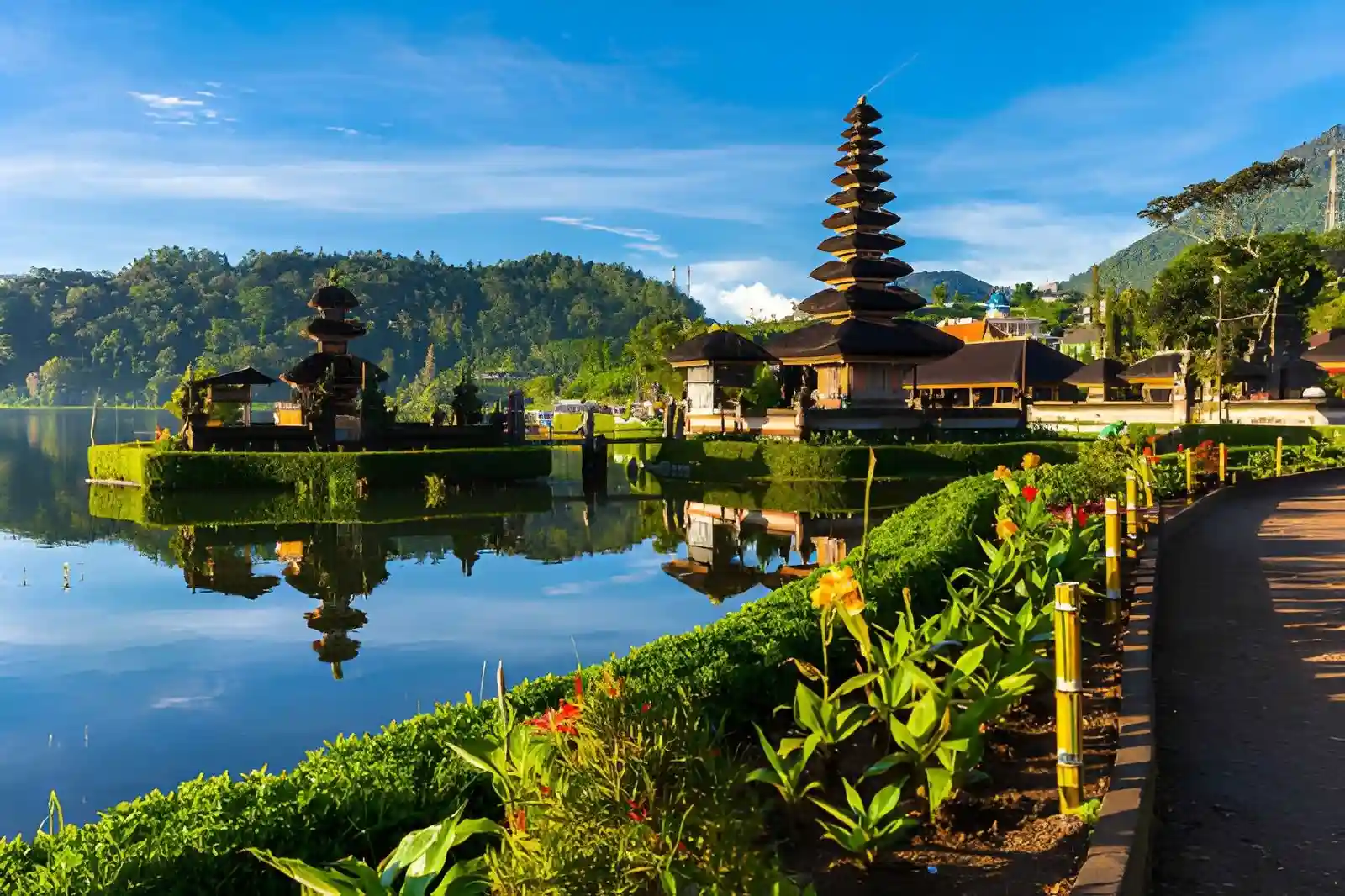
Some of Bali’s most famous attractions are deeply connected to the island’s culture, spirituality, and history. Many of these sites are primarily outdoor experiences, which is one reason the dry season can significantly improve your visit.
Clearer skies make coastal temples more photogenic, while lower rainfall allows you to explore larger temple grounds more comfortably.
Some of the most iconic cultural landmarks include:
- Tanah Lot Temple
- Uluwatu Temple
- Tirta Empul Temple
- Lempuyang Temple
Each offers a different perspective on Bali’s cultural identity, from cliffside ocean temples to sacred water sanctuaries in the island’s interior.
If cultural experiences are part of your Bali plans, the dry season provides some of the most enjoyable conditions for exploring them.
Why it’s ideal during dry season:
- Better sightseeing conditions
- Clearer views and photography opportunities
- More comfortable outdoor exploration
- Easier travel between cultural sites
11. Drive Through the Rice Valleys and Scenic Roads of Sidemen
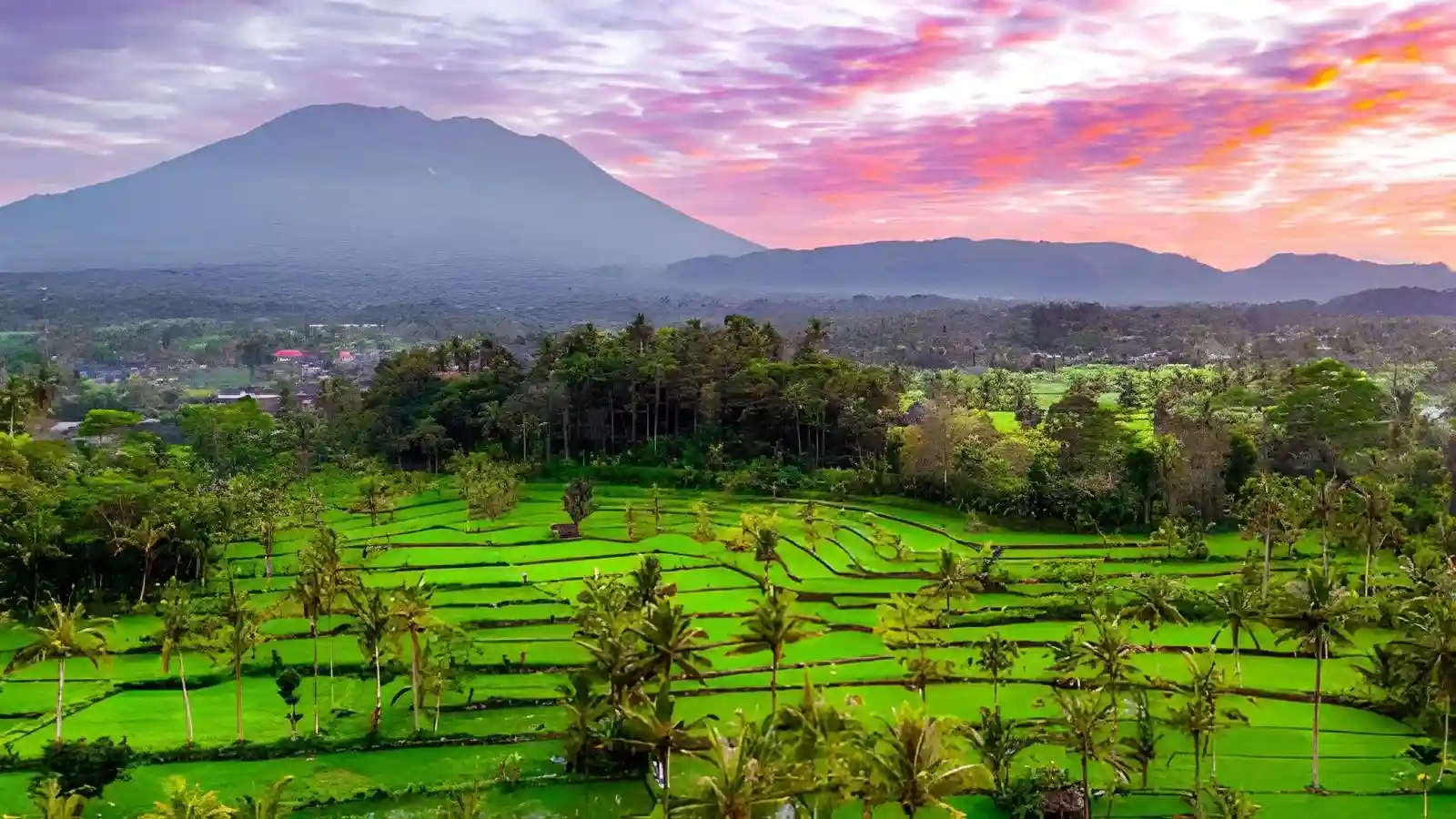
While South Bali often receives most of the attention, some of the island’s most beautiful scenery can be found in the countryside around Sidemen.
Winding roads pass through rice fields, traditional villages, river valleys, and landscapes dominated by the presence of Mount Agung. Unlike many of Bali’s busier destinations, the appeal here comes from simply slowing down and enjoying the journey itself.
Dry-season visibility often makes the scenery even more impressive, particularly during the morning when the mountain is often at its clearest.
A drive through Sidemen allows you to experience:
- Rice terrace landscapes
- Traditional village life
- Mountain scenery
- Quiet countryside roads
If you’re hoping to experience a calmer and less commercial side of Bali, Sidemen is one of the most rewarding places to explore.
Why it’s ideal during dry season:
- Clearer views of Mount Agung
- More enjoyable countryside drives
- Comfortable conditions for sightseeing
- Better photography opportunities
Read more: 10+ Best Things to Do in Sidemen for a Peaceful Bali Escape
12. Enjoy a Sunset Seafood Dinner on Jimbaran Beach
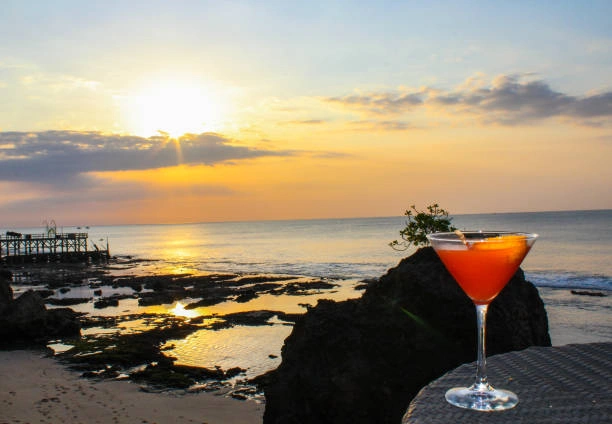
Jimbaran offers one of Bali’s classic evening experiences: fresh seafood served directly on the sand as the sun sets over the bay.
Unlike the dramatic cliffs of Uluwatu or the energetic atmosphere of Seminyak, Jimbaran feels more relaxed and focused on the simple combination of ocean views, fresh food, and a beautiful setting.
The experience becomes especially appealing during the dry season when outdoor dining conditions are at their most reliable.
A typical evening often includes:
- Sunset views across Jimbaran Bay
- Freshly grilled seafood
- Beachfront dining tables
- A relaxed coastal atmosphere
If you’re looking for an easy but memorable way to end a day in Bali, this remains one of the island’s most enjoyable dinner experiences.
Why it’s ideal during dry season:
- More reliable sunset views
- Comfortable beachfront dining
- Pleasant evening weather
- Better outdoor atmosphere
13. Paddleboard Along Sanur’s Calm Morning Coastline
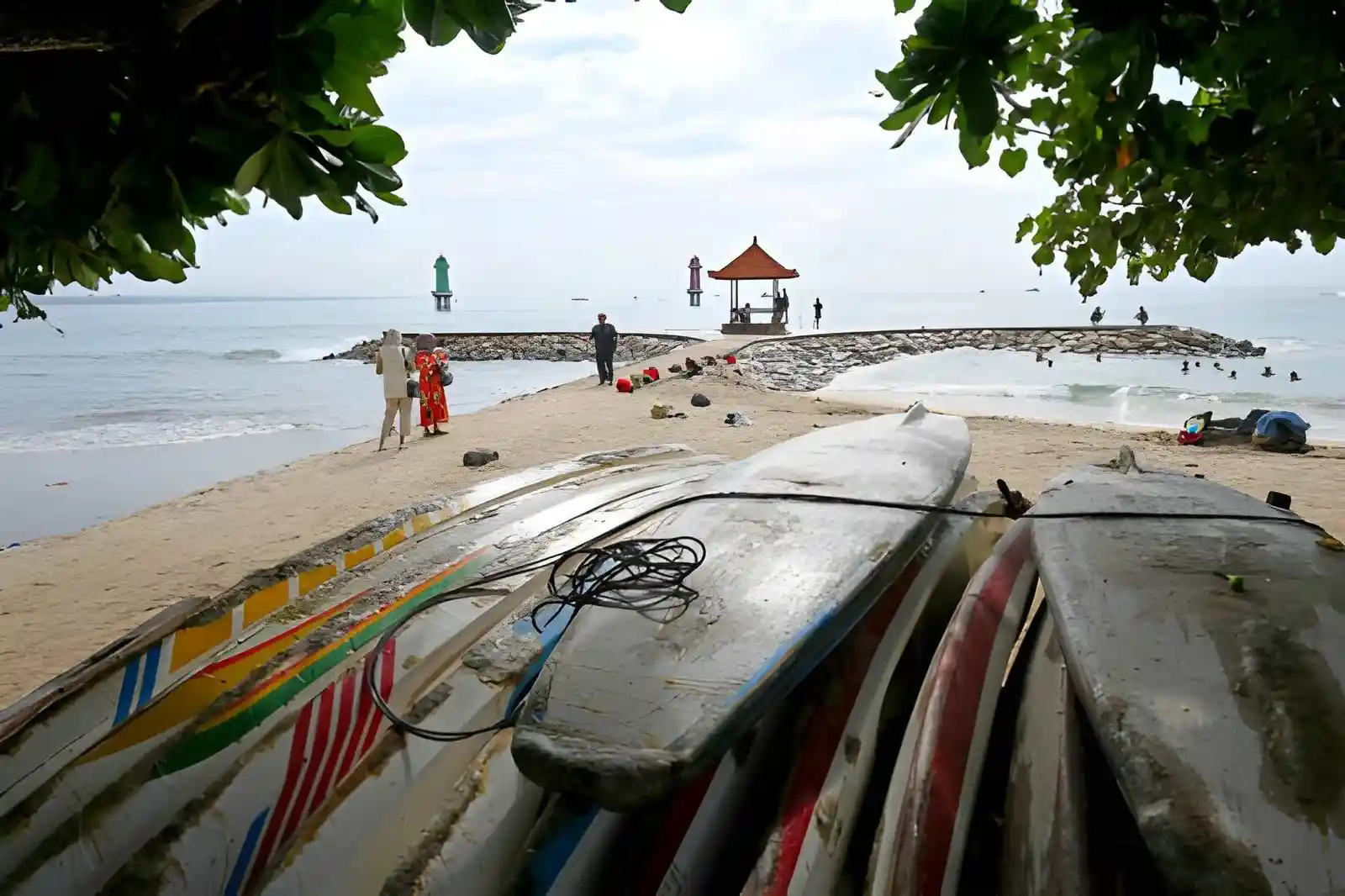
Sanur offers a very different beach experience from Bali’s surf-focused west coast. The coastline is known for its calmer waters, gentle waves, and peaceful atmosphere, particularly during the morning.
These conditions make it one of the best places on the island for stand-up paddleboarding.
Early in the day, the water is often at its calmest, creating ideal conditions for beginners while still being enjoyable for those with previous experience.
If you’re looking for a slower-paced ocean activity that allows you to enjoy Bali’s coastline from a different perspective, paddleboarding in Sanur is a great option.
Why it’s ideal during dry season:
- Calm morning sea conditions
- Better visibility on the water
- Comfortable weather
- Beginner-friendly environment
14. Cycle Through Ubud’s Villages and Countryside Landscapes
Beyond the cafés, markets, and cultural attractions, Ubud is surrounded by countryside roads that pass through rice fields, traditional villages, and scenic valleys.
Cycling provides an opportunity to explore these areas at a slower pace while experiencing parts of Bali that many people never see from inside a vehicle.
Dry-season weather makes the experience considerably more enjoyable, especially during the morning when temperatures are cooler and visibility is often at its best.
Along the route, you’ll often encounter:
- Rice terraces
- Small village roads
- Local temples
- Rural landscapes
If you’re looking for an active way to experience Bali’s interior without committing to a major adventure, cycling around Ubud offers a balance of scenery, culture, and outdoor exploration.
Why it’s ideal during dry season:
- Comfortable riding conditions
- Clear countryside views
- Less chance of weather disruptions
- Easier exploration of rural areas
Dry Season Travel Tips for Bali
After exploring some of Bali’s best dry-season experiences, a little planning can make a significant difference to how smoothly your trip unfolds. The weather is generally more reliable during this time of year, but it’s also one of the busiest periods across many parts of the island.
To make the most of your time in Bali, keep these practical tips in mind:
- Book accommodation early, especially if you’re traveling between June and August when demand is at its highest.
- Start outdoor activities early in the morning to enjoy cooler temperatures, lighter traffic, and clearer conditions for sightseeing.
- Expect larger crowds at popular attractions, particularly around sunset hotspots, major temples, and well-known beaches.
- Stay hydrated throughout the day, as dry-season sunshine can feel surprisingly intense, especially during outdoor activities.
- Combine popular destinations with quieter regions such as Sidemen, Amed, Munduk, or Pemuteran to create a more balanced itinerary.
- Leave some flexibility in your schedule instead of trying to fit too many attractions into a single day.
- Reserve popular tours and activities in advance if you’re visiting during peak dry-season months.
A well-planned itinerary isn’t about seeing the most places. It’s about giving yourself enough time to actually enjoy the experiences you’ve come to Bali for.
Make the Most of Bali’s Dry Season
Bali’s dry season is popular for a reason. Clearer skies, more reliable weather, and better conditions for outdoor exploration make it one of the most rewarding times of year to experience the island.
Whether you’re watching sunrise from Mount Batur, exploring the cliffs of Nusa Penida, snorkeling in Amed, or enjoying a sunset along Bali’s coastline, the season creates opportunities to experience many of the island’s highlights at their best.
The key is choosing experiences that match the type of trip you want to have. Rather than rushing between attractions, focusing on the right places and activities often leads to a much more enjoyable Bali experience.
At Bali Island Vacations, we believe the best trips come from balancing iconic experiences with time to slow down, explore, and enjoy the island at your own pace. With the right planning, Bali’s dry season can offer some of the most memorable travel experiences you’ll find anywhere in Southeast Asia.
To help you plan the perfect Bali dry-season itinerary, continue reading these related Bali travel guides below.
- Mid-Year Escape to Bali (June–August): What to Do & Where to Go
- Best and Worst Time to Visit Bali: Complete Guide for Weather, Crowds & Prices
- The Ultimate Bali Itinerary for First Timers (7 Days in Bali)y
- Best Places to Visit in Bali in Summer for the Perfect Island Escape
- Bali Travel Mistakes to Avoid for a Smoother Trip