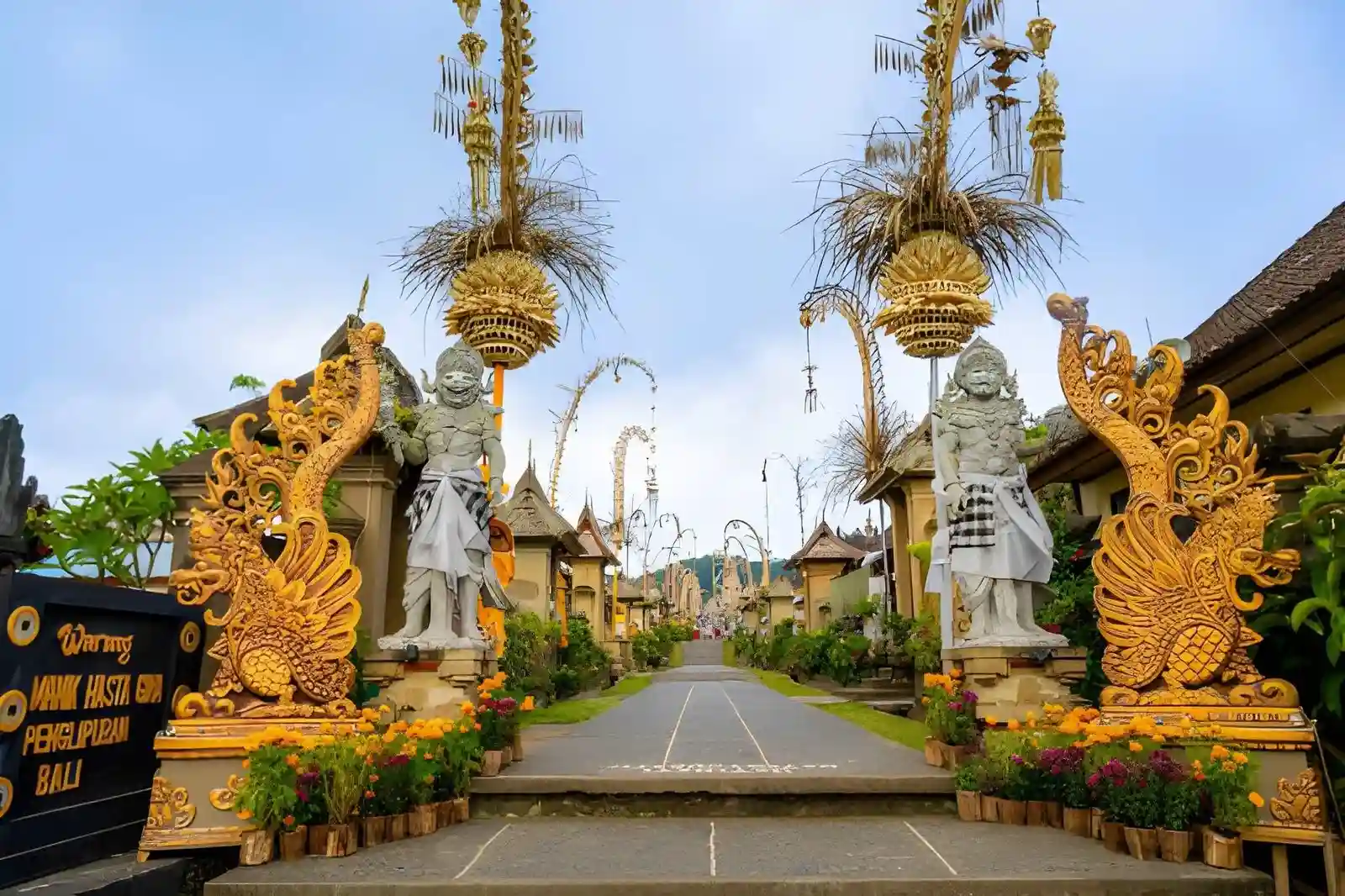
Penglipuran Village is known as one of the most well preserved traditional villages in Bali, where everything feels structured, calm, and deeply rooted in local life. When you visit on a regular day, the experience is quiet, scenic, and almost reflective.
That atmosphere shifts quite noticeably during the festival period. The village becomes more dynamic, filled with cultural performances, community activities, and a stronger sense of connection between visitors and local traditions.
If you are planning your trip around 2026 and want to experience Penglipuran beyond just sightseeing, the festival timing can completely change how the place feels.
QUICK OVERVIEW – PENGLIPURAN VILLAGE FESTIVAL 2026
The Penglipuran Village Festival 2026 offers a short but immersive cultural experience, combining tradition, community, and local creativity within one of Bali’s most iconic villages.
Here are the essential details:
- Dates: 10 to 12 July 2026
- Location: Penglipuran Village
- Timing: Mid year, aligned with Bali’s peak travel season
- Festival type: Annual community based cultural festival
- Main highlights:
- Cultural parades and traditional performances
- Balinese dance and live gamelan music
- Local culinary experiences
- Traditional craft workshops and folk games
- UMKM and village based exhibitions
- Theme 2026: Samskerti Bhumi Jana, focusing on harmony between culture, environment, and sustainable tourism
- Entry: Festival access is free, with standard village entrance ticket applied
What Festivals Happen In Penglipuran Village
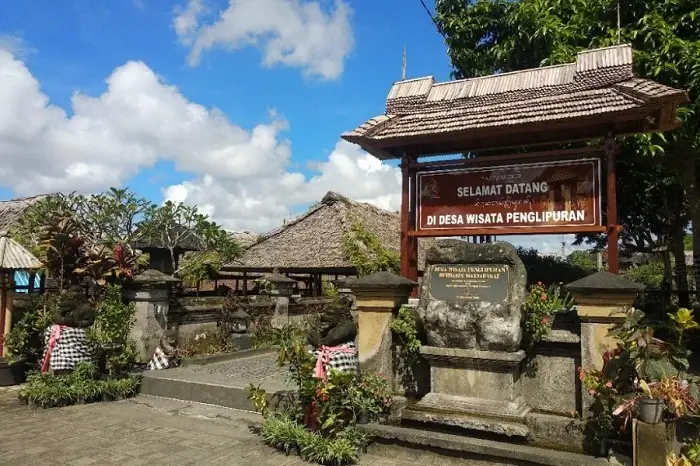
When you hear about festivals in Penglipuran Village, the main highlight is the Penglipuran Village Festival. This is the most consistent and visitor friendly cultural event, where the village opens itself in a more dynamic way without losing its original character.
During the festival period, the experience is not limited to one stage or one main show. Instead, activities are spread across the village, creating a more fluid and immersive atmosphere.
Here is what typically happens during the festival:
- Cultural performances
Traditional Balinese dances and live gamelan music performed within the village setting, not on a distant stage - Bamboo themed exhibitions
Installations and creative displays that reflect Penglipuran’s identity as a bamboo based village - Community activities and workshops
Local crafts, traditional games, and small interactive experiences - Traditional rituals (select moments)
You may witness ceremonial elements that are part of real village life, not staged specifically for visitors
What makes this different from many other cultural events in Bali is the context.
- You are not watching from the outside, but walking through the village as things happen
- There is no clear separation between performers and daily life
- The setting remains authentic because the village continues to function as usual
Because of this, the festival feels less like a performance and more like being present inside a living cultural environment, which is why many travelers find it more meaningful.
Everything You Need To Know About Penglipuran Village Festival 2026
The Penglipuran Village Festival is not just a scheduled event. It is a short window where the village shifts into a more expressive version of itself, while still staying rooted in its daily life.
Expected Dates and Timing
The Penglipuran Village Festival 2026 is officially scheduled for:
- 10 to 12 July 2026
- Duration: 3 days only
- Season: Mid-year peak travel period in Bali
Unlike many local events that are purely based on the Balinese calendar, this festival is organized as an annual public event, which makes the dates more predictable and easier to plan around. In previous years, the festival has consistently taken place around the same mid-year window.
That said, there are a couple of practical things you should keep in mind:
- The main festival dates are fixed, but
- Daily schedules can remain flexible, depending on community activities and ceremonial timing
- Certain performances or processions may start later or shift slightly without formal announcements
This is quite normal in Bali, where cultural flow often takes priority over rigid scheduling. Instead of expecting a strict timeline, it helps to approach the festival with a bit of flexibility.
What You Will Experience
During these three days, the village becomes a layered cultural space where multiple activities happen at the same time. You are not guided through a fixed route. You explore, and the experience unfolds around you.
Here are the key elements you will encounter:
- Cultural parades
Processions moving through the main pathway of the village, often involving traditional attire, symbolic elements, and community participation - Traditional dance and live gamelan music
Performed in open areas within the village, allowing you to watch from close range without feeling separated - Local culinary experiences
Small food stalls offering Balinese dishes prepared by local residents, giving you a more direct taste of everyday flavors - Crafts and community exhibitions
Handmade products, bamboo based creations, and UMKM showcases that reflect local creativity and small scale entrepreneurship - Moments of interaction with the village
Not necessarily structured, but naturally happening as you walk, observe, and occasionally engage with locals
What makes this experience stand out is how integrated everything feels. There is no clear boundary between “event” and “daily life”. The festival does not replace the village. It simply amplifies it.
How the Experience Changes Throughout the Day
To really get the most out of the festival, timing your visit within the day can make a noticeable difference. The atmosphere evolves gradually, and each period offers a slightly different experience.
Morning (around 08.00 – 11.00)
- The village still feels relatively calm
- Ideal for walking through the main street and observing the architecture
- Light activity begins, but not yet crowded
- Best moment if you prefer a more relaxed pace
Midday (around 11.00 – 15.00)
- Activities become more visible and frequent
- Workshops, small performances, and exhibitions start to attract attention
- Visitor numbers increase steadily
- The energy begins to build, but still manageable
Afternoon Peak (around 15.00 – 18.00)
- This is when the festival feels most alive
- Cultural parades and main performances typically take place
- The village becomes more crowded and social
- Best time if you want to experience the full energy of the festival
Evening (after 18.00)
- The atmosphere shifts into something more focused
- Cultural performances feel more intimate and visually engaging
- Lighting and ambiance create a different mood compared to daytime
- Suitable if you enjoy slower, more atmospheric experiences
What Makes This Festival Worth Planning Around
The value of visiting during the festival is not just about “seeing more things”. It is about experiencing a shift in how the village feels.
- You move from a quiet, structured environment into a more expressive cultural space
- You experience traditions not only as visuals, but as part of a living community
- You get multiple layers of experience within a single visit, from calm exploration to vibrant cultural moments
Because the festival only lasts for three days, it creates a sense of timing that can significantly shape your trip. If you happen to be in Bali during these dates, this is one of those moments where adjusting your itinerary can genuinely elevate your overall experience.
You may also need to read this guide: Bali Festivals In 2026: Full Calendar of Events, Dates & Cultural Highlights
Making the Most of Your Penglipuran Festival Experience
Experiencing the festival at Penglipuran Village is not just about showing up on the right dates. It is about choosing the right time of day, understanding how the atmosphere shifts, and fitting it naturally into your Bali itinerary so the visit feels smooth instead of rushed.
This is where Bali Island Vacations comes in as a local experience planner and curator. You get help aligning timing, transport, and nearby destinations, so your visit to Penglipuran is not just a stop, but a well planned part of your overall Bali experience.
If you are planning to explore more cultural and scenic areas around this region, you can continue discovering our related guides below.
- Bali Public Holidays 2026: Full Dates, Nyepi Guide & Travel Tips
- 10+ Unique Cultural Experiences in Bali You Can Truly Feel
Frequently Asked Questions About Penglipuran Village Festival 2026
When is the Penglipuran Village Festival 2026?
The festival is scheduled for 10 to 12 July 2026, making it a 3-day cultural event during Bali’s mid-year peak season.
Is the Penglipuran Village Festival free to attend?
Yes, the festival itself is free, but you still need to pay the standard entrance fee to Penglipuran Village.
What time should I visit during the festival?
Morning is best for a quieter experience, while afternoon (around 3 PM to 6 PM) is when the festival reaches its peak with parades and main performances.
Is Penglipuran Village very crowded during the festival?
Yes, especially in the afternoon. The village becomes significantly more crowded compared to normal days, particularly during main performances.
What can I expect at the festival?
You can expect cultural parades, traditional dance and music, local food, craft exhibitions, and community activities spread throughout the village.
How long should I spend at the festival?
Most visitors spend 2 to 4 hours, depending on whether they want a quick visit or a more immersive experience.
Is the festival suitable for families or kids?
Yes, the festival is generally family friendly, with open spaces, cultural activities, and interactive elements like traditional games and workshops.
Do I need to book tickets in advance?
No advance booking is required for the festival itself. You can visit freely, but arriving earlier helps avoid peak crowds.
How far is Penglipuran Village from Ubud?
It is 1 to 1.5 hours by car, depending on traffic and route conditions.
Can I combine Penglipuran Festival with other destinations?
Yes, many travelers combine it with nearby areas such as Kintamani, Bangli countryside, or waterfalls, making it a half-day or full-day trip.