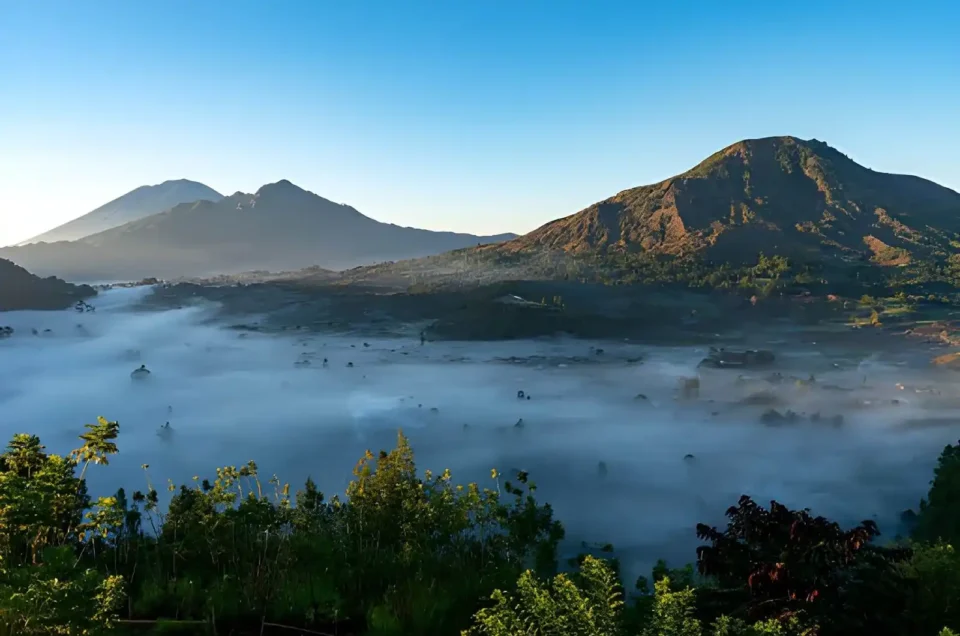
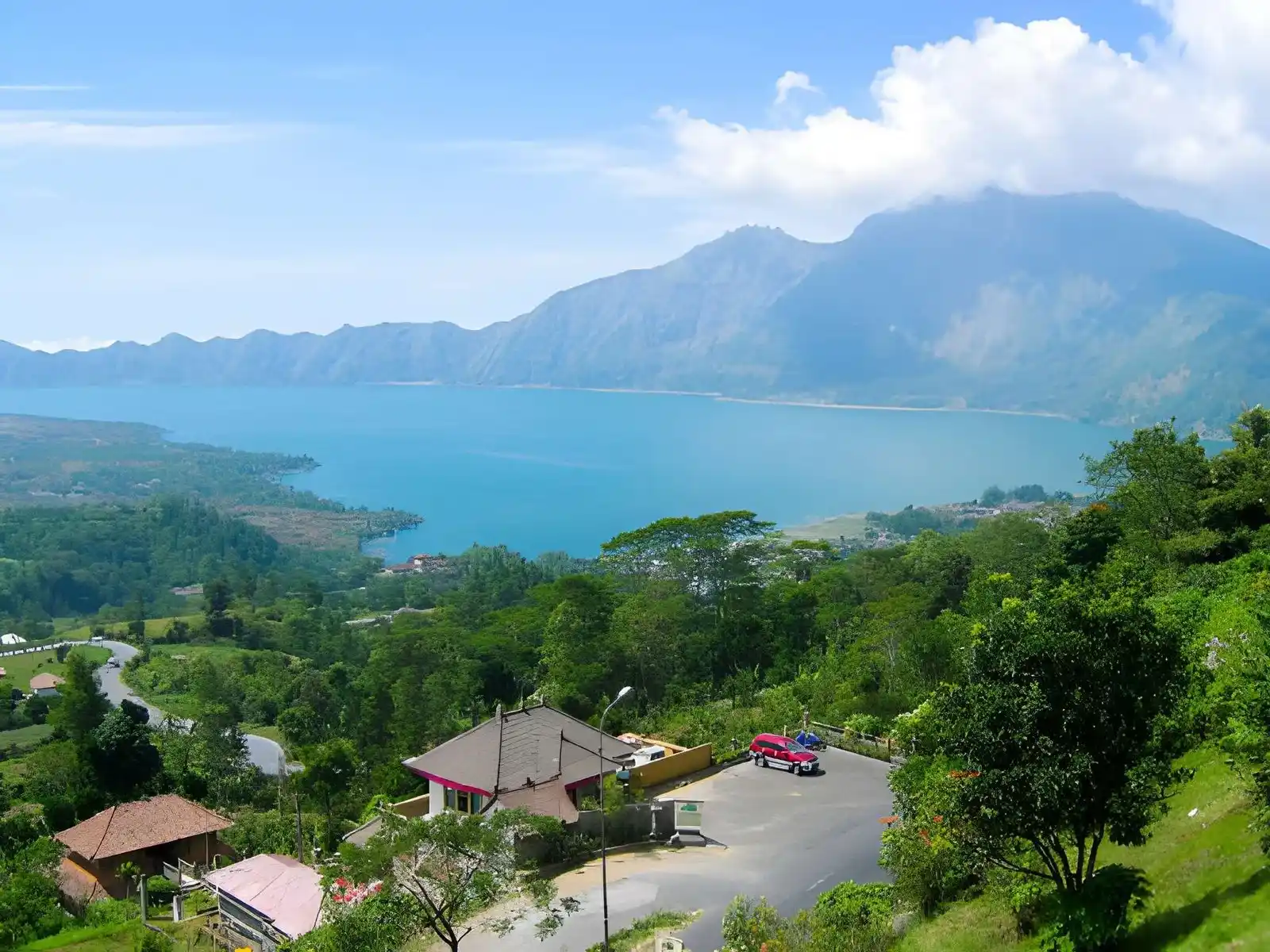
If you want to see Bali’s volcanic landscape without climbing a mountain, Penelokan Viewpoint in Kintamani gives you one of the clearest perspectives of Mount Batur, Lake Batur, and the vast caldera surrounding them.
Rather than being a single enclosed observation deck, Penelokan refers to the scenic area along the caldera rim, where viewpoints, cafés, and restaurants look across the volcanic landscape.
The setting is what makes Penelokan worth the journey. From the elevated rim, Mount Batur sits inside the ancient Batur caldera while Lake Batur curves around its base, creating a landscape that feels very different from Bali’s beaches, rice fields, and southern resort areas.
Here’s what you can actually see from Penelokan, when the views are clearest, and how to make the most of this Kintamani viewpoint.
What Can You See from Penelokan Viewpoint?
The main attraction is the relationship between the volcano and the caldera, rather than any single object in isolation.
Here’s what to look for when the weather is clear:
1. Mount Batur
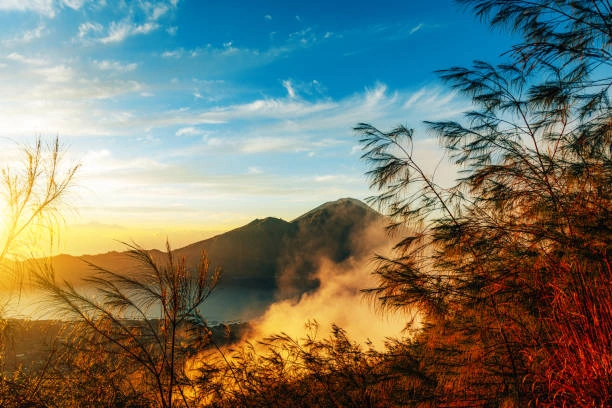
Mount Batur is the dominant feature directly across the caldera.
From Penelokan, the volcano appears as part of a much larger landscape rather than as an isolated peak. Depending on visibility, you can also make out the volcanic terrain and lava-covered sections around its slopes.
This is particularly useful if you’re considering a Mount Batur sunrise trek. Seeing the mountain from Penelokan gives you a completely different perspective from experiencing it on foot.
2. Lake Batur
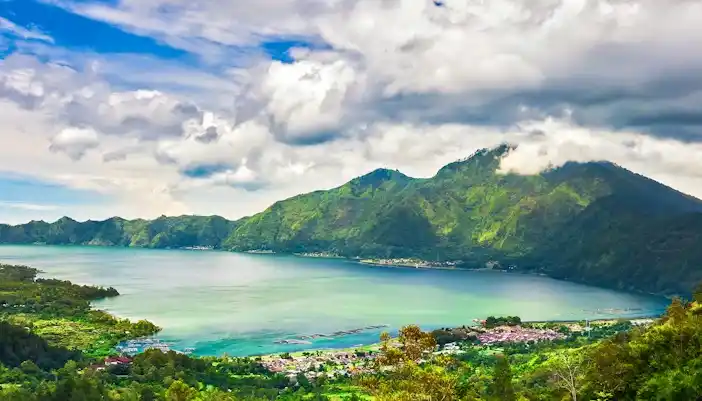
Lake Batur sits below the caldera rim and forms one of the defining elements of the panorama.
From Penelokan, you can see the lake from above rather than experiencing it at water level. The elevated perspective makes its position within the volcanic landscape much easier to understand.
If you later continue down toward the lakeside, the landscape changes considerably. Indonesia Travel specifically recommends continuing from Penelokan toward Lake Batur for a different perspective of the mountain and caldera.
3. Black Lava Landscape
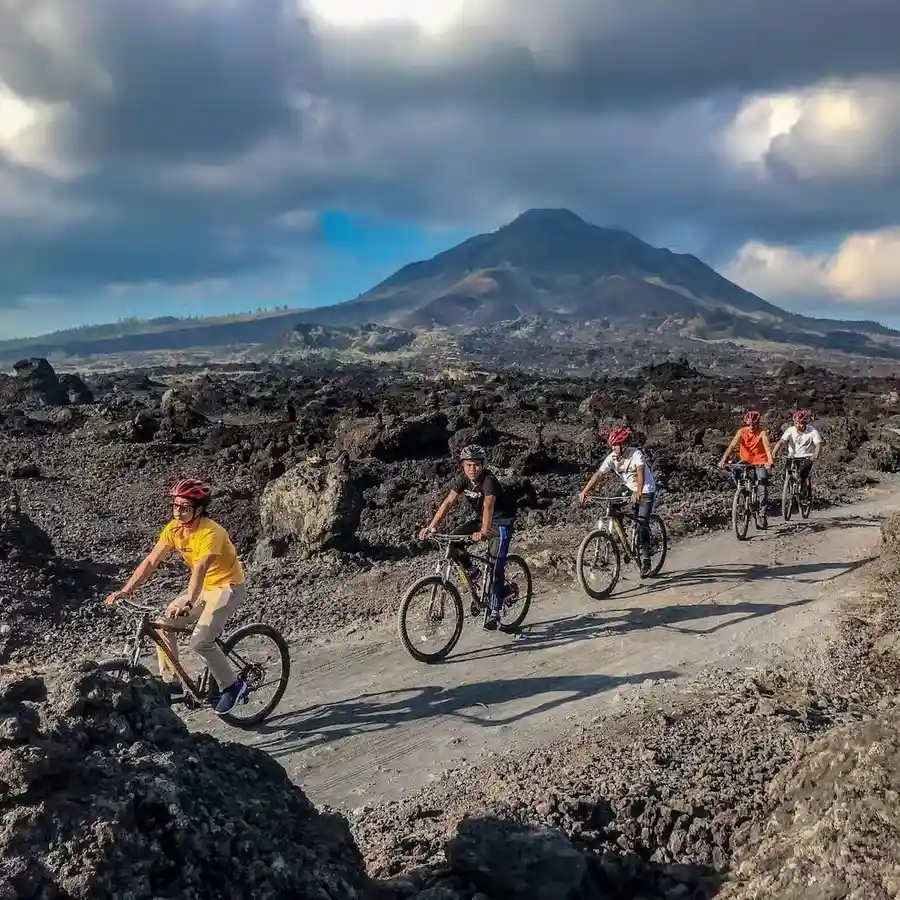
Look beyond the obvious mountain-and-lake composition and you’ll notice the darker volcanic terrain around Mount Batur.
These lava fields are part of the area’s volcanic history and add a striking contrast to the green slopes and blue-green water when visibility is good.
This is one reason wide-angle photography works particularly well from the Penelokan rim.
4. The Wider Caldera
The panorama extends beyond Mount Batur itself.
The Batur UNESCO Global Geopark encompasses a geological landscape formed by volcanic activity, with caldera walls, cones, and craters forming the wider setting around the viewpoint.
On particularly clear mornings, the broader mountain landscape becomes more visible, while cloud can quickly reduce the view to only the nearest slopes.
You may also want to read this: Visiting Kintamani in 2026: Everything You Need to Know Before You Go
Best Time to Visit Penelokan Viewpoint
Morning is generally the safest choice if your priority is seeing Mount Batur and Lake Batur clearly. Current destination guidance consistently recommends visiting Kintamani earlier in the day because cloud and mist can develop around the caldera later.
Here’s how to think about the timing:
Early Morning
Early morning offers the best combination of:
- Cooler highland temperatures
- Softer natural light
- Better chance of seeing Mount Batur clearly
- Lower risk of heavy cloud obscuring the volcano
- Comfortable conditions for photography
You don’t necessarily need to arrive before sunrise just to visit Penelokan. Unlike a Mount Batur sunrise trek, the viewpoint itself can be enjoyed after dawn.
That distinction matters: Penelokan is about the caldera panorama, not reaching a summit for sunrise.
Morning to Late Morning
A visit between roughly 7:00 AM and 10:00 AM can work particularly well if you want to combine the viewpoint with breakfast or coffee.
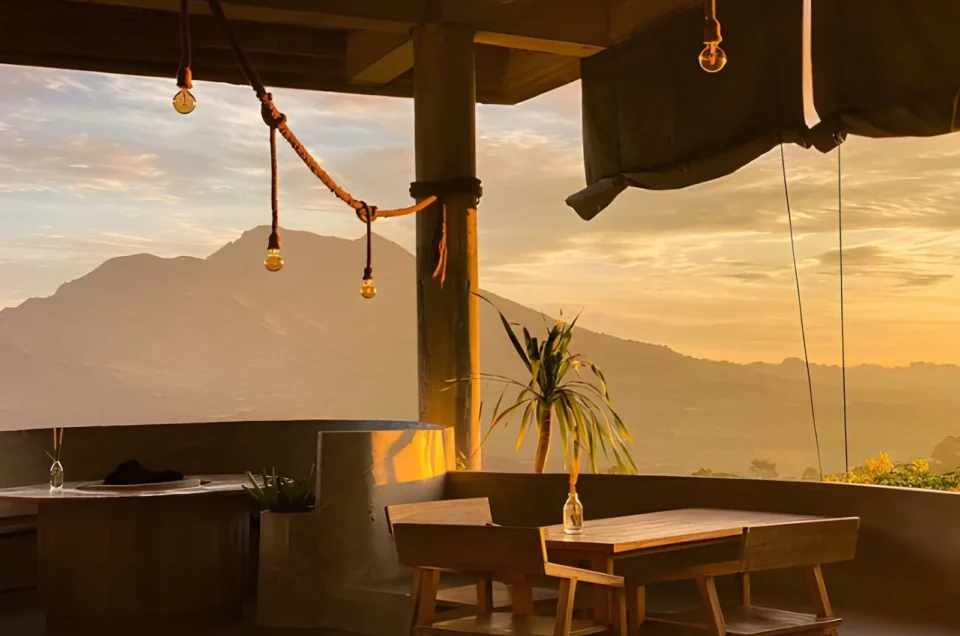
Several cafés and restaurants along Jalan Raya Penelokan open early, making it possible to sit down with a hot drink while watching the mountain landscape rather than treating the viewpoint as a five-minute photo stop. Indonesia Travel notes that coffee shops in the Penelokan area can open from around 5:30 AM.
Afternoon
The afternoon can still be worthwhile, particularly if your priority is enjoying the atmosphere rather than maximizing visibility.
However, cloud development becomes more of a consideration in the highlands. Current Kintamani guidance notes that Mount Batur is generally clearest before late morning, while later cloud can obscure parts of the panorama.
So if seeing Mount Batur and Lake Batur clearly is the main reason you’re coming, don’t make a late-afternoon visit your only opportunity.
Dry Season vs Wet Season
For the clearest mountain views, the drier months are generally more favorable. Indonesia Travel currently recommends May to September for Kintamani when clearer skies are more likely, particularly for sunrise-oriented experiences.
That does not mean Penelokan is unusable outside those months. Weather in the highlands can change quickly, and a cloudy morning can occur even during the dry season.
The practical approach is to check the local forecast and keep your Kintamani visit flexible whenever clear mountain visibility matters to you.
Is Penelokan Good for Sunrise?
Penelokan can be a good place for an early-morning mountain view, but it is important not to confuse it with the Mount Batur summit sunrise experience.
At the summit, sunrise is the main event: you hike before dawn and watch the sun rise from above the caldera.
At Penelokan, the experience is different.
You stay on the caldera rim and watch the morning light gradually reveal:
- Mount Batur
- Lake Batur
- The surrounding caldera
- Volcanic slopes
- Morning clouds and mountain atmosphere
That makes Penelokan a much easier choice if you want the landscape without the physical demands of a sunrise trek.
You may also want to read this: 5 Best Kintamani Sunrise Spots for the Most Stunning Morning Views in Bali
Things to Do at Penelokan Viewpoint
Penelokan is best enjoyed as a scenic stop within a Kintamani day rather than as an attraction that requires hours of sightseeing. You can combine the panorama with a relaxed breakfast, photography, or a wider route through the Batur area. Here’s how to make the stop worthwhile.
1. Take in the Kintamani Panorama
The simplest thing to do is also the reason most people come: slow down and take in the landscape.
Instead of arriving, taking one photo, and leaving immediately, give yourself enough time to appreciate the changing view. On a clear morning, the relationship between the caldera rim, volcanic slopes, lake, and surrounding landscape becomes much easier to appreciate.
A comfortable stop can take around 30 to 60 minutes, depending on whether you are simply sightseeing or combining the view with food and drinks.
2. Photograph Mount Batur & Lake Batur
Penelokan is particularly useful for wide landscape photography because you can capture several elements in one frame.
For better results:
- Arrive when the morning light is still soft
- Use a wider lens if you have one
- Include foreground vegetation, buildings, or the road for depth
- Take both landscape and portrait compositions
- Don’t photograph only the mountain; include the lake and caldera
3. Have Breakfast or Coffee With a View
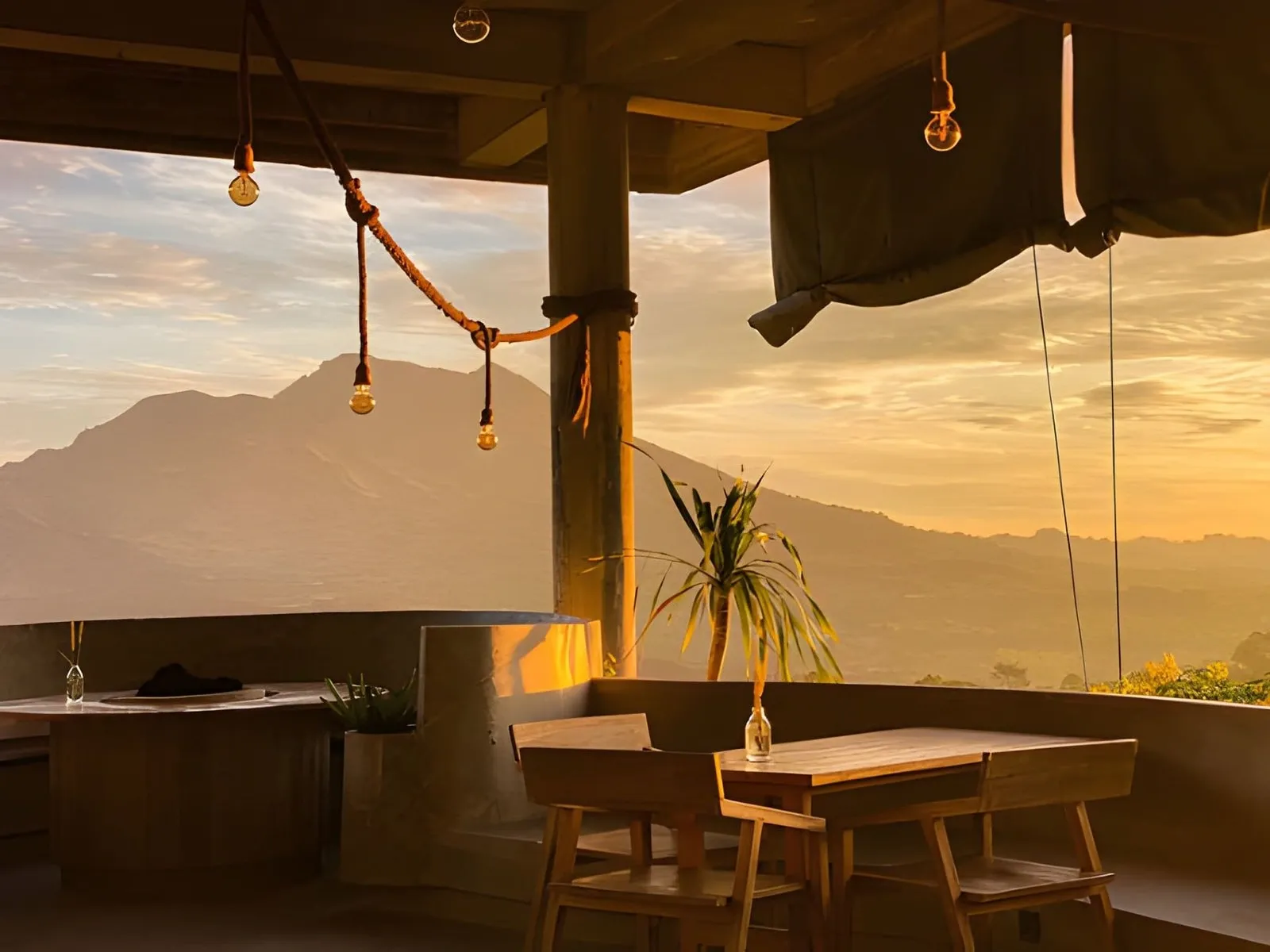
One of the easiest ways to enjoy Penelokan is to turn the viewpoint into a breakfast or coffee stop.
The main road around Penelokan has cafés and restaurants positioned toward the caldera, allowing you to sit down rather than simply standing at a roadside viewpoint. Indonesia Travel highlights the café and restaurant scene around the Penelokan area as part of the Kintamani experience.
This works especially well after an early departure from South Bali or Ubud.
Rather than scheduling Penelokan as a destination on its own, think of it as: early arrival → mountain panorama → breakfast or coffee → continue exploring Kintamani.
Read more: 6 Best Kintamani Cafes With Volcano Views in Bali
Penelokan Viewpoint Entrance Fee & Opening Hours
One practical detail to know before visiting Penelokan is that Penelokan Viewpoint is not a single gated attraction with one ticket counter and one fixed operating schedule. The scenic area stretches along the Kintamani caldera rim, with public viewing areas, cafés, restaurants, and roadside stops offering views toward Mount Batur and Lake Batur.
Is Penelokan Viewpoint Free?
The public Penelokan viewpoint itself is generally free to access. Indonesia Travel currently lists Penelokan as open 24 hours with no entrance ticket, although parking fees may apply depending on where you stop.
Keep in mind that your overall cost can still include other charges associated with the Kintamani area or the specific place where you stop.
| Cost | What to Expect |
|---|---|
| Penelokan viewpoint | Generally free |
| Parking | IDR 5,000 per car and IDR 2,000 per motorcycle |
| Café or restaurant | Pay for food and drinks |
| Other Kintamani attractions | Separate entrance fees may apply |
Opening Hours
The Penelokan viewpoint area is accessible 24 hours, so you are not restricted to conventional attraction hours.
However, 24-hour access to the viewpoint does not mean every café, restaurant, or viewing spot around Penelokan operates around the clock. Many businesses open early specifically for the morning Kintamani panorama; for example, Indonesia Travel currently lists several Penelokan cafés opening from around 05:30 WITA.
How to Get to Penelokan Viewpoint
Penelokan sits in Kintamani, Bangli, along the main caldera-rim road overlooking the Batur landscape.
The practical route depends on where you are staying.
1. From Ubud
Ubud is one of the most convenient bases for a Kintamani day trip.
The journey takes you from the cultural and rice-growing landscapes around central Bali toward the higher volcanic terrain of Bangli and Kintamani.
A morning departure is useful because you can reach Penelokan while visibility is still favorable.
2. From South Bali
From areas such as:
- Seminyak
- Canggu
- Kuta
- Jimbaran
- Nusa Dua
the journey is considerably longer.
For that reason, Penelokan works better as part of a full-day Kintamani itinerary rather than a quick detour from the beach areas.
Leaving early also makes the trip more worthwhile because you can combine Penelokan with several nearby experiences before returning south.
3. By Private Driver
For most first-time trips, a private driver is one of the simplest ways to visit Penelokan because the viewpoint naturally fits into a multi-stop Kintamani route.
You can combine: Penelokan → Lake Batur → hot spring → temple or village → return to your accommodation
without needing to arrange separate transport between every stop.
4. By Scooter
A scooter gives you more independence, but the route into Kintamani includes winding roads and changing weather conditions.
If you are not comfortable riding on mountain roads, especially in rain or fog, a car with an experienced local driver is the more practical choice.
Best Places to Visit Near Penelokan
Penelokan makes the most sense when combined with other Kintamani experiences. You don’t need to build a long attraction list; a few complementary stops are enough to create a well-paced day.
1. Mount Batur
If the view from Penelokan makes you want to experience the volcano rather than simply photograph it, a Mount Batur sunrise trek is the natural next step.
The two experiences are completely different:
- Penelokan → see the volcanic landscape from the rim
- Mount Batur trek → experience the landscape from the mountain itself
You can choose one based on how active you want your itinerary to be.
2. Lake Batur
After seeing Lake Batur from above, heading down toward the lakeside gives you a completely different sense of scale.
The drive from the rim toward the lake also changes the landscape from a panoramic viewpoint into a closer volcanic environment.
3. Kintamani Hot Springs
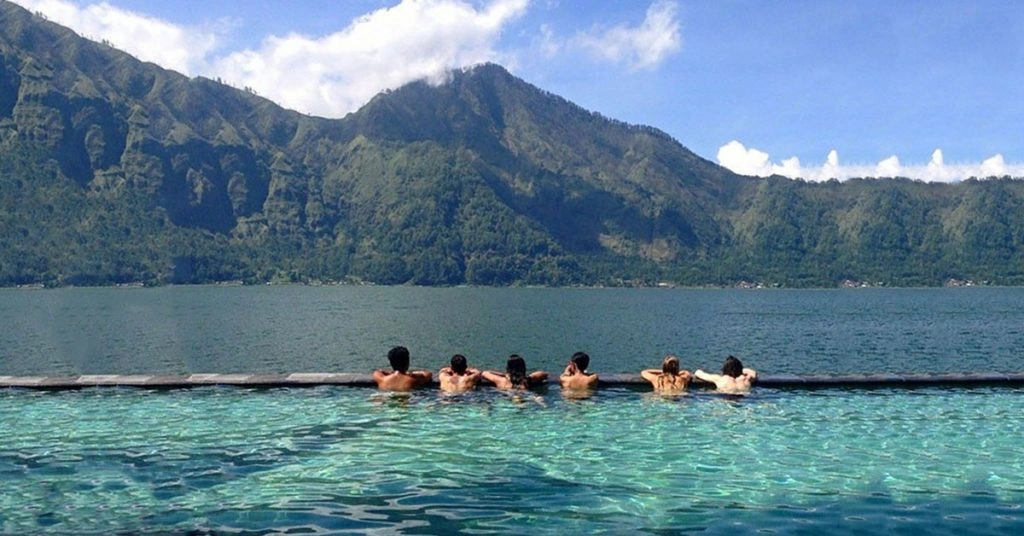
A hot spring visit works particularly well after an early Kintamani outing.
Toya Devasya and the hot springs around Toya Bungkah offer a way to slow down after sightseeing or hiking while staying within the Batur area.
You may also want to read this: 5 Best Kintamani View Points for Mount Batur and Lake Batur Views
4. Ulun Danu Batur Temple
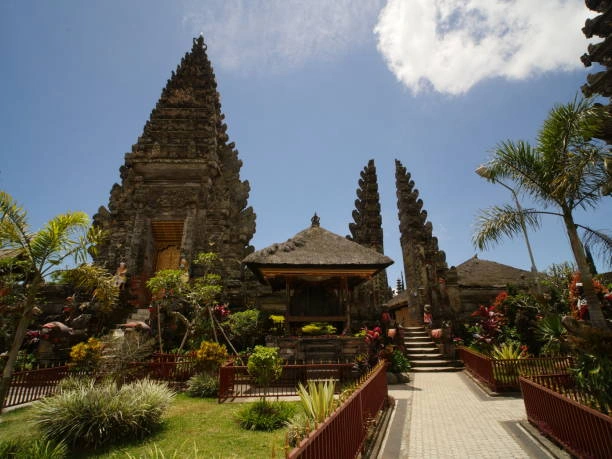
For a stronger cultural element, add Ulun Danu Batur Temple to the route.
The temple is dedicated to Dewi Danu and is associated with Lake Batur and the water systems that support agriculture in the region.
It adds a completely different dimension to a day otherwise dominated by volcanic scenery.
5. Pinggan Village
Pinggan is worth considering if sunrise photography is one of your main priorities.
Its elevated position provides a different perspective across the volcanic landscape, so it should not be treated as simply another version of Penelokan.
If photography is your priority, comparing the two viewpoints can make sense. If you’re simply looking for a relaxed Kintamani morning, adding both may be unnecessary.
For more mountain escapes and scenic destinations, explore our related Bali travel guides below.
- Best Wanagiri Hidden Hills Viewpoints with Scenic Twin Lake Views
- 8 Best Bedugul Lake Attractions for Scenic Highland Routes!
How Long Do You Need at Penelokan Viewpoint?
For the viewpoint itself, 30 to 60 minutes is usually enough.
You may want longer if you:
- Have breakfast with the view
- Take photography seriously
- Wait for clouds to clear
- Want to relax rather than rush
- Combine the stop with a café or restaurant
The important point is that Penelokan does not need to occupy an entire day.
Its real value comes from how naturally it connects with the wider Kintamani landscape.
So, Is Penelokan Viewpoint Worth Visiting?
So, is Penelokan Viewpoint worth visiting? Yes, if you want to see Mount Batur, Lake Batur, and the Batur caldera from above without committing to a mountain trek. It works especially well for photography, a relaxed breakfast or coffee stop, and as an introduction to Kintamani’s volcanic landscape.
You don’t need to spend an entire day here. Around 30 to 60 minutes is enough for the viewpoint itself, while combining it with Lake Batur, a hot spring, Ulun Danu Batur Temple, or another Kintamani stop makes the experience much more worthwhile. In that sense, Penelokan is less about ticking off another Bali attraction and more about seeing how the different parts of the Batur landscape fit together.
If you’re planning to explore Kintamani beyond a single viewpoint, Bali Island Vacations can help you build Penelokan into a wider Bali route that connects the mountain scenery with other destinations at a comfortable pace.
FAQ About Penelokan Viewpoint
What is Penelokan Viewpoint famous for?
Penelokan is famous for its panoramic views of Mount Batur, Lake Batur, and the surrounding volcanic caldera in Kintamani.
Can you visit Penelokan without hiking Mount Batur?
Yes. Penelokan is accessible by road and allows you to see the Batur landscape without climbing the mountain.
Is Penelokan good for sunrise?
Yes, particularly if you want early-morning light over Mount Batur and Lake Batur. However, it is different from watching sunrise from the summit of Mount Batur.
What is the best time to visit Penelokan?
Early morning is generally the best choice for cooler temperatures and a better chance of clear mountain views before cloud develops later in the day.
How long should you spend at Penelokan?
Around 30 to 60 minutes is enough for sightseeing and photography. Allow longer if you plan to have breakfast or coffee at a viewpoint restaurant.
Is there an entrance fee for Penelokan Viewpoint?
Penelokan is a scenic area rather than one single enclosed attraction, so there is no universal entrance fee that applies to every viewing location. Individual cafés, parking areas, and access points may have their own charges.
What can you visit near Penelokan?
Popular combinations include Lake Batur, Mount Batur, Kintamani hot springs, Ulun Danu Batur Temple, and Pinggan Village, depending on your itinerary.
Is Penelokan worth visiting if I don’t like hiking?
Yes. That is one of its main advantages. You can experience the scale of the Batur volcanic landscape from the caldera rim without taking a mountain trail.