
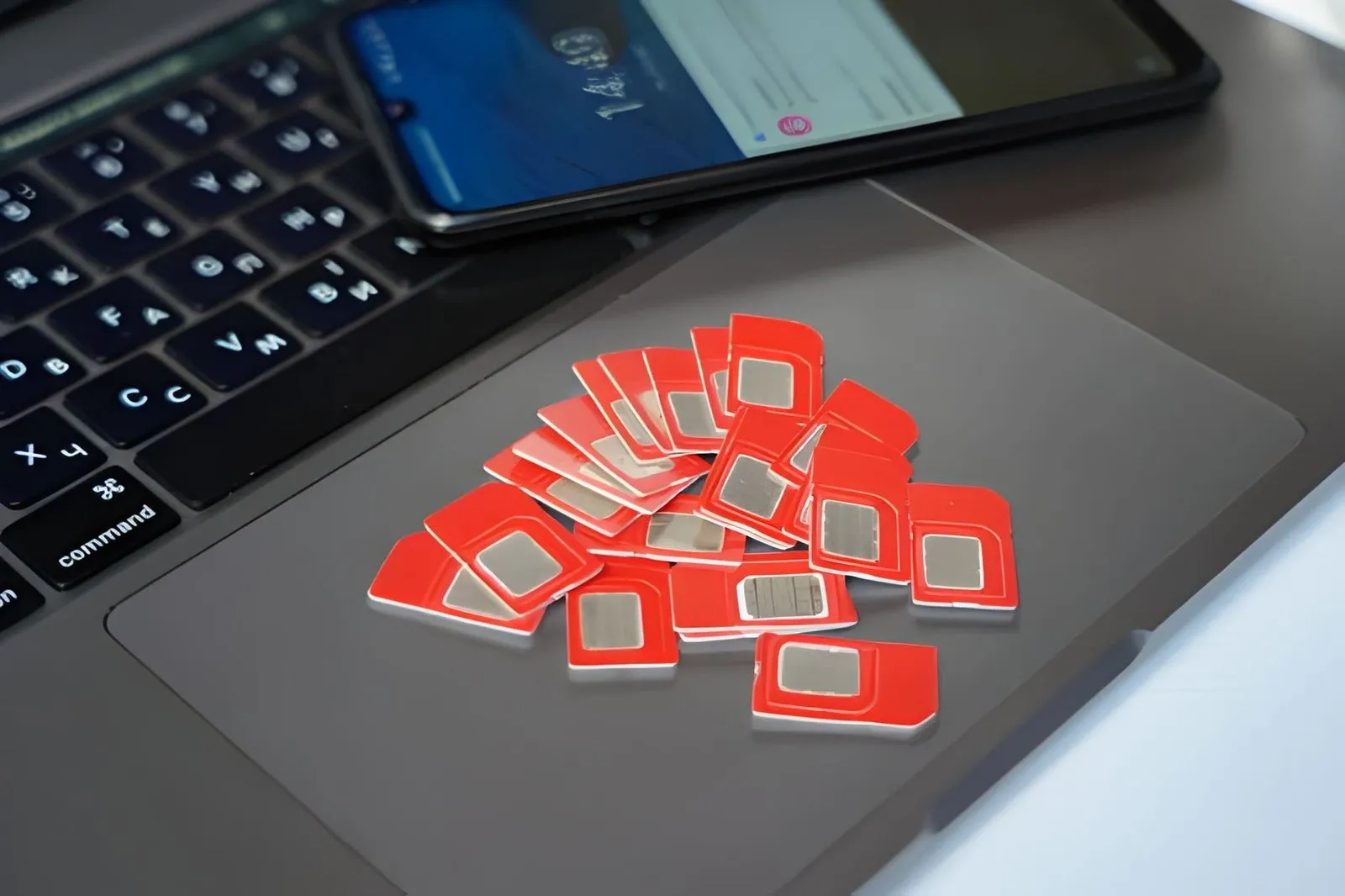
If you’re visiting Bali, having mobile data makes your trip much easier. You can use it for Google Maps, WhatsApp, Grab or Gojek, hotel communication, online bookings, translation, and checking directions when you’re exploring somewhere unfamiliar.
You don’t have to buy a local SIM card or eSIM, but relying only on hotel Wi-Fi can quickly become inconvenient. For most international visitors, the practical choice is between a physical Indonesian SIM card and an eSIM that can be installed on your phone before or after you arrive.
Do You Need a SIM Card or eSIM in Bali?
You don’t strictly need a local SIM or eSIM in Bali, but having mobile data is highly recommended.
A reliable connection is useful throughout your trip, especially when you’re moving between destinations rather than staying at one resort. You’ll likely use mobile data for:
- Maps and navigation when traveling between Bali’s beaches, temples, restaurants, and attractions
- WhatsApp to communicate with hotels, drivers, tour operators, and restaurants
- Grab and Gojek when you need a ride or food delivery
- Bookings and travel communication when checking reservations or contacting accommodation
- Translation when you need help communicating in everyday situations
- Emergency communication when you need to contact someone quickly
- Checking directions while exploring areas where you don’t have access to Wi-Fi
For a short holiday, you generally don’t need an expensive or complicated setup. The better option depends mainly on your phone, how long you’re staying, whether you need an Indonesian number, and how much of Bali you plan to explore.
SIM Card vs eSIM for Bali: Which Is Better?
There isn’t one universal winner. An eSIM is usually more convenient, while a physical SIM can be more suitable if you want a traditional local setup or your phone doesn’t support eSIM.
The biggest difference is how you get connected. A physical SIM requires you to insert a card into your phone, while an eSIM is downloaded and activated digitally.
| Factor | Physical SIM | eSIM |
|---|---|---|
| Installation | Insert physical SIM | Digital activation |
| Can arrange before flying | Usually not with local pickup | Yes |
| Airport/store visit | May be required | Usually avoidable |
| Keep home SIM installed | Depends on phone | Usually easier |
| Local Indonesian number | Possible | Depends on plan |
| Phone compatibility | Broad compatibility | Requires eSIM compatible phone |
| Best for | Traditional local setup | Convenience and pre trip setup |
Choose an eSIM If…
An eSIM makes the most sense if you want to arrive in Bali already prepared. Choose one if:
- You want mobile data as soon as you land
- Your phone supports eSIM
- You want to keep your home SIM installed
- You prefer purchasing your connection before departure
- You don’t want to spend arrival time looking for a SIM outlet
For example, XL’s current tourist eSIM is specifically available to foreign visitors. Its official process allows you to purchase online, submit your passport, email, and device ID/IMEI information, then receive a QR code for activation. XL says the eSIM can be installed by adding the eSIM through your phone settings and scanning the QR code.
This makes the eSIM route particularly convenient if you want to handle the setup before you start exploring Bali.
Choose a Physical SIM If…
A physical SIM can still be the better choice in several situations. Choose one if:
- Your phone doesn’t support eSIM
- You specifically want a physical Indonesian SIM
- You prefer getting registration or activation assistance in person
- You don’t mind visiting an official carrier store or authorized outlet
- You prefer a traditional local prepaid setup
For example, Telkomsel’s Tourist Prepaid Card is designed specifically for international tourists. It can be pre ordered online and collected after arrival, or purchased through selected Telkomsel GraPARI, booths, and outlets.
As of the current 2026 information, Telkomsel lists its Tourist Prepaid Card at Rp150,000, including 25GB of internet data and 25 minutes of local calls.
There is also an important 2026 consideration: Indonesia has moved to biometric registration for new cellular numbers, with full implementation beginning July 1, 2026. The government states that the new registration system applies to SIM and eSIM services and uses identity verification requirements.
For tourists, this is another reason to use an official operator or clearly documented tourist product rather than buying an unverified SIM from an unknown seller.
The Simple Decision
If you want the easiest setup, choose an eSIM that is compatible with your phone and meets your data needs.
If you want a local Indonesian number or an in person setup, a local tourist SIM can make more sense.
And if you’re planning to explore beyond Bali’s main tourist areas, don’t choose based on price alone. Network coverage and the actual network used by your plan matter more than saving a small amount on the initial purchase.
Read more: The Ultimate Bali Packing List With Kids: Ultimate Family Guide
Best SIM Card & eSIM Networks for Bali
Once you’ve decided between a physical SIM and an eSIM, the next question is which network should you use? There isn’t one option that is automatically best for every Bali itinerary.
If you’re staying around South Bali and spending most of your time in established tourist areas, several local networks can work well. If your itinerary includes Ubud, Kintamani, North or East Bali, or trips beyond the main tourist hubs, network coverage becomes more important than simply choosing the cheapest package.
For that reason, it’s better to compare Bali’s main mobile networks by where you’re going and how you’ll use your connection, rather than ranking them from first to third.
1. Telkomsel
A strong choice if broad coverage is your priority.
Telkomsel is particularly worth considering if your Bali itinerary goes beyond the main beach areas. That can include trips through Ubud, Kintamani, mountain areas, North Bali, East Bali, or other destinations where network availability can matter more than the price difference between packages.
It’s also convenient for international visitors because Telkomsel has a dedicated Tourist Prepaid Card. The current official price is Rp150,000, including 25GB of internet data and 25 minutes of local calls.
The important point is that this is a specific tourist product, rather than simply buying a random prepaid SIM after landing. Telkomsel also provides official collection and purchase channels for the Tourist Prepaid Card, including selected GraPARI, booths, and outlets.
Best suited to:
- Longer or island-wide Bali itineraries
- Ubud and highland trips
- Travelers visiting North or East Bali
- Travelers who prioritize coverage over the lowest price
- Anyone who wants a dedicated tourist package
2. XL
A strong option if you want a local network with a convenient eSIM route.
XL is particularly interesting for international visitors because its current tourist offering includes eSIM options that can be purchased digitally.
At the time of writing, XL’s official tourist eSIM page lists 14GB, 30GB, 55GB, 80GB, and 150GB plans, all with 30-day validity. Current listed prices range from Rp46,000 to Rp168,000, depending on the package.
That makes XL worth considering if the convenience of an eSIM is one of your main reasons for choosing a digital plan. You can compare the data allowance with your expected usage rather than automatically paying for an unlimited-style package.
XL also offers physical SIM options for tourists, so you’re not limited to eSIM if your phone isn’t compatible.
Best suited to:
- Travelers who want a local eSIM
- Short and medium-length holidays
- People who want different data allowance options
- Travelers who prefer arranging connectivity digitally
- Phones that support eSIM
Indosat / IM3
A practical local alternative when its current package fits your budget and usage.
IM3 is another major Indonesian mobile operator and can be considered alongside Telkomsel and XL when comparing local prepaid options.
However, there’s no good reason to declare IM3 universally “better” or “worse” for Bali without comparing the specific destination, current package, and network conditions relevant to your itinerary.
If you’re choosing between several local SIM options, look beyond the headline price. Check the amount of data, validity period, calling allowance, activation requirements, and whether the network suits the areas you plan to visit.
Best suited to:
- Travelers comparing local prepaid options
- Visitors who find a suitable current data package
- Travelers who want another major Indonesian network option
How Much Does a SIM Card or eSIM Cost in Bali?
The price can vary significantly depending on whether you’re buying a local physical SIM, local tourist eSIM, or international travel eSIM. More data does not automatically mean better value, either.
The simplest way to compare plans is to look at price + data allowance + validity + network + activation requirements, rather than choosing the cheapest number on the page.
Physical SIM
For a physical SIM, your total cost can include more than the starter card itself. You may need to consider:
- Starter SIM price
- Data package
- Tourist-specific package
- Validity period
- Registration or activation requirements
For example, Telkomsel’s current Tourist Prepaid Card is Rp150,000 for 25GB of data plus 25 minutes of local calls.
The advantage is that you’re buying a dedicated local tourist product with a clearly stated allowance rather than trying to determine which standard prepaid package is suitable after arrival.
Local eSIM
Local eSIM pricing can be attractive when you compare the amount of data included.
XL’s current tourist eSIM listings provide a useful example:
| Data | Validity | Current Listed Price |
|---|---|---|
| 14GB | 30 days | Rp46,000 |
| 30GB | 30 days | Rp70,000 |
| 55GB | 30 days | Rp100,000 |
| 80GB | 30 days | Rp140,000 |
| 150GB | 30 days | Rp168,000 |
These are the prices currently displayed by XL on its official tourist eSIM page and can change, so check the operator’s current offer before purchasing.
International Travel eSIM
International travel eSIMs are another option, particularly if you want to buy and install your connection before leaving home.
Their main advantage is convenience. You can often arrange the plan before your flight and avoid finding a local outlet after landing.
However, compare the details carefully:
- Data allowance
- Validity
- Indonesian network access
- Hotspot support
- Activation rules
- Data-only vs phone number
- Whether the plan uses local networks through roaming
A plan advertised as “unlimited” can also have fair-use or speed restrictions, so don’t compare it directly with a local prepaid package based only on the word unlimited.
Where to Buy a SIM Card in Bali
Once you’ve compared networks, data allowances, and the convenience of physical SIM versus eSIM, the next decision is where to get your connection. There are three practical options: buy after landing, visit an official carrier outlet, or arrange an eSIM before you fly.
1. Bali Airport
Buying a SIM after landing can be convenient, particularly if you want to be connected immediately and prefer someone to help with registration or activation.
For a first trip to Bali, the airport can therefore be a practical option if you don’t want to spend time searching for a carrier store after leaving the terminal.
The trade-off is convenience: airport purchase is primarily about saving time, not necessarily finding the widest selection of plans. Compare the package, data allowance, validity, and network before paying rather than choosing the first option you see.
If you already know which network and package you want, you may find it more efficient to arrange it before arrival or use an official carrier outlet.
2. Official Carrier Stores
For a physical SIM, an official operator store is one of the safest options if you want assistance with registration, activation, or troubleshooting.
This is particularly useful under Indonesia’s current SIM registration system, because new mobile numbers are subject to identity verification requirements. Official stores can also give you a clearer explanation of the product you’re purchasing.
Telkomsel, for example, currently states that its Tourist Prepaid Card can be collected from Telkomsel stores, booths, and selected outlets in Bali and Mandalika, Lombok. It also allows international tourists to pre order the card online and collect it after arrival.
For the collection process, Telkomsel asks tourists to prepare their confirmation email, passport, and IMEI.
This makes an official carrier outlet particularly useful if you want a local Indonesian number and prefer having the registration process handled properly rather than buying a pre activated SIM from an unknown seller.
3. Buy Before You Fly
If you’ve already decided that an eSIM suits your trip, you can often deal with the connectivity question before leaving home.
The main advantage is simple: you don’t have to find a SIM shop after landing.
For a local tourist eSIM such as XL’s current offering, the process involves checking device compatibility, selecting a plan, providing the required information, paying online, and receiving a QR code for activation. XL states that its tourist eSIM requires a valid foreign passport and that the eSIM is activated through the QR code sent by email.
Install the eSIM while you’re connected to reliable Wi-Fi, follow the operator’s activation instructions, and keep your home SIM available if your phone supports dual SIM.
This approach works particularly well with the earlier recommendation: if convenience is your priority, an eSIM lets you solve connectivity before your Bali itinerary even begins.
Read also: Cash or Card in Bali? Payments, ATMs, Fees & QRIS Guide
Bali SIM Card Registration, Passport & IMEI: What Tourists Need to Know
This is one area where older Bali SIM guides can quickly become outdated.
Indonesia introduced full biometric registration for new mobile numbers from July 1, 2026. The Ministry of Communication and Digital Affairs states that new SIM activations now use biometric verification through facial recognition, and the requirement applies across mobile operators.
For international visitors, the practical takeaway is that you should use an official tourist SIM/eSIM product and follow the operator’s current registration process rather than relying on older instructions about using someone else’s identity or buying an already registered SIM.
Do Tourists Need a Passport?
For local tourist products, yes, passport information can be part of the registration process.
Telkomsel states that its Tourist Prepaid Card is specifically for international tourists and uses passport and IMEI for data validation.
XL’s current tourist eSIM process similarly asks foreign customers to prepare their passport, email, and device ID/IMEI.
Do You Need to Provide Your IMEI?
For certain local Indonesian tourist SIM and eSIM products, IMEI/device information is part of the registration process.
However, don’t turn this into the blanket statement that every eSIM requires IMEI registration.
The important distinction is between:
- Local Indonesian SIM/eSIM products, which follow Indonesian operator registration requirements
- International travel eSIMs, which can operate under a different roaming and activation model
So before purchasing, check the exact requirements of the product rather than assuming that all eSIMs work identically.
What Changed in 2026?
The biggest change is the move to biometric registration for new cellular numbers.
The government says the system uses facial recognition to verify a customer’s identity, and the requirement covers SIM and eSIM registration.
That makes one piece of advice especially important for international visitors:
Buy from an official operator or a reputable eSIM provider and complete the registration using your own information.
It may take slightly more preparation than the old “buy a cheap SIM from a roadside shop” approach, but it gives you a properly registered connection and avoids potential problems with activation or identity verification.
Read Also: Bali Travel Cost Breakdown in 2026: What You Actually Spend
How to Set Up Your Bali SIM or eSIM
After choosing the network and purchasing your plan, setup is usually straightforward. The exact steps can vary by operator, so always follow the instructions supplied with your specific SIM or eSIM.
How to Set Up a Physical SIM
- Insert the SIM card into your unlocked phone.
- Complete the required registration using your own identity information.
- Wait for activation according to the operator’s instructions.
- Select the Indonesian SIM as your mobile data line.
- Test the connection by opening a website or using Maps.
- Store your original SIM safely if you removed it from your phone.
If your phone uses dual SIM, make sure you’ve selected the correct line for mobile data before starting to explore Bali.
How to Set Up an eSIM
- Check that your phone supports eSIM.
- Purchase your chosen plan.
- Complete the required registration information.
- Receive the QR code or activation instructions.
- Open your phone’s Cellular/Mobile Network settings.
- Select Add eSIM and scan the QR code.
- Label the new line as Indonesia or Bali.
- Select the new eSIM as your mobile data line.
- If you’re keeping your home SIM active, check its data roaming settings to avoid unintended roaming charges.
For XL’s current tourist eSIM, the official installation process is to ensure the device supports eSIM, select Add eSIM, scan the QR code received by email, and follow the on screen activation instructions. XL also advises customers to allow up to around an hour for the eSIM signal and registration confirmation to appear.
For a smoother Bali holiday, explore our related travel guides below:
- Bali Travel Checklist: 15 Essentials Before You Go
- 10 Bali Scams to Avoid: Stay Safe & Travel With Confidence
Stay Connected and Explore Bali With Confidence
Once your SIM or eSIM is sorted, one of the most frustrating parts of arriving in Bali is already taken care of. You can use Maps to navigate between destinations, message your driver on WhatsApp, check restaurant locations, order a Grab or Gojek, and stay connected when you’re exploring places where Wi-Fi isn’t available.
And that becomes even more useful when your itinerary moves beyond one area. A Bali trip might take you from Seminyak to Ubud, Kintamani to Sanur, or South Bali to an early Nusa Penida departure. Having reliable mobile data makes those transitions much easier.
If you’d rather spend less time figuring out the logistics yourself, Bali Island Vacations can help with the rest of your trip through private drivers, airport transfers, customized itineraries, and day tours. That way, your phone can stay focused on what matters most: navigating, communicating, and enjoying Bali.
With the right SIM or eSIM sorted before you start exploring, staying connected becomes one less thing to worry about during your Bali holiday.