

September sits in an interesting position in Bali’s travel calendar. The peak July and August period has started to ease, while the island generally still enjoys the warm, relatively dry conditions associated with the dry season.
That makes September particularly appealing if you want good conditions for beaches, sightseeing, outdoor activities, and island trips without traveling during the busiest part of the year.
If you’re planning Bali in September, the key is knowing what the month is actually like rather than simply assuming it will be sunny every day.
This guide covers the weather, crowds, prices, and practical conditions you should consider before planning your trip.
Is September a Good Time to Visit Bali?
Yes. September is one of the better months to visit Bali if you want a balance of generally favorable weather, outdoor activities, and less peak-season pressure than July and August. The month is still relatively dry, while demand typically begins easing after the main July and August holiday period.
Bali in September at a Glance
| Factor | What to Expect |
|---|---|
| Season | Tail end of the dry season |
| Temperature | Around 27–31°C in many lowland areas |
| Rain | Generally limited, but occasional showers are possible |
| Crowds | Usually easier than July and August |
| Prices | Often more moderate than peak season |
| Beaches | Good conditions for most beach activities |
| Hiking | Generally favorable |
| Island Trips | Good, subject to sea conditions |
| Best For | Beaches, hiking, sightseeing, couples, first-time trips |
The important caveat is that September is not a guaranteed rain-free month. Bali’s weather varies by location and can change during the transition toward the wetter season, so use September’s climate pattern for planning and a current forecast for individual activities.
Bali Weather in September

September is generally considered part of Bali’s dry season, although it sits toward the end of that period. Typical daytime temperatures remain around the high 20s to low 30s Celsius, making mornings and evenings comfortable for sightseeing while midday can feel hot.
Recent climate guides place typical September conditions around 27–30°C during the day, with cooler overnight temperatures depending on the area and elevation.
Is Bali Still Dry in September?
Generally, yes. September retains many of the characteristics associated with Bali’s dry season: relatively low rainfall, plenty of usable outdoor weather, and warm days.
However, conditions can become less predictable toward the end of the month as Bali moves closer to the wet season. That doesn’t mean your trip should be built around rain, but it does mean you shouldn’t assume every day will be completely clear.
For a one-week holiday, the practical takeaway is simple: September is a strong month for outdoor plans, but leave some flexibility for weather-dependent activities.
Does It Rain in Bali in September?
Yes, but rainfall is generally much lower than during Bali’s wet-season months. Recent September guides consistently describe rain as relatively limited, with showers more likely to be brief rather than persistent.
This matters when planning your itinerary.
A short shower doesn’t necessarily ruin a Bali holiday. You can still spend most of the day sightseeing, then move a beach or outdoor activity if conditions change.
For activities such as Nusa Penida boat trips, Mount Batur sunrise trekking, snorkeling, or diving, however, check the local forecast and sea conditions closer to the date.
Is September Hot in Bali?
Yes. Expect tropical temperatures, especially around southern coastal areas such as Seminyak, Canggu, Sanur, Jimbaran, and Nusa Dua.
Ubud and Bali’s central highlands can feel cooler, particularly in the early morning and evening. That difference becomes useful if you’re combining beach days with destinations such as Ubud or Kintamani.
The best strategy is to plan your most active outdoor sightseeing for the morning or late afternoon, rather than trying to spend several hours outdoors under the strongest midday sun.
Crowds and Prices in Bali in September
One of September’s biggest advantages is not necessarily the weather—it’s the balance between conditions and demand.
July and August are traditionally among Bali’s busiest periods, while September generally sees some of that peak-season pressure ease. Recent 2026 travel guides consistently report that crowds and accommodation demand soften after the July–August peak, although Bali remains a popular destination year-round.
Is Bali Crowded in September?
Usually less crowded than July and August, but don’t expect an empty island. Popular areas such as:
- Seminyak
- Canggu
- Ubud
- Uluwatu
- Nusa Penida
can still be busy, particularly around major attractions and during weekends.
The difference is that you’re generally dealing with less peak-season pressure, rather than a completely quiet Bali.
That can make a noticeable difference when visiting restaurants, cafés, temples, beaches, and popular viewpoints.
Is Bali Cheaper in September?
September can offer better value than the July–August peak, although prices vary significantly by hotel, location, and booking date.
Recent 2026 sources report softer accommodation rates after August, with some properties offering noticeably better availability and pricing. However, exact savings vary, so it’s better to think of September as a more value-friendly shoulder period rather than assuming every hotel will be discounted by a fixed percentage.
You can often get better value by:
- Comparing several hotel options
- Booking before your preferred property fills up
- Traveling midweek where possible
- Avoiding major event dates
- Comparing September dates with late August and October
What About Traffic in September?
September does not mean Bali suddenly becomes traffic-free.
Canggu, Seminyak, Ubud, and major southern routes can still experience congestion. But traveling outside the busiest holiday period can make some routes easier to manage than during peak July and August demand.
The simplest strategy is to start early and group nearby attractions together rather than crossing the island repeatedly in one day.
That matters especially if you’re planning a combination of beaches, Ubud, Kintamani, or Nusa Penida.
You may also want to read this guide: Bali Travel Cost Breakdown in 2026: What You Actually Spend
Best Things to Do in Bali in September
With September generally offering warm weather and relatively limited rainfall, you have plenty of opportunities to spend time outdoors. The best experiences are those that make good use of the morning and late afternoon, while keeping weather dependent activities flexible.
1. Enjoy Bali’s Beaches
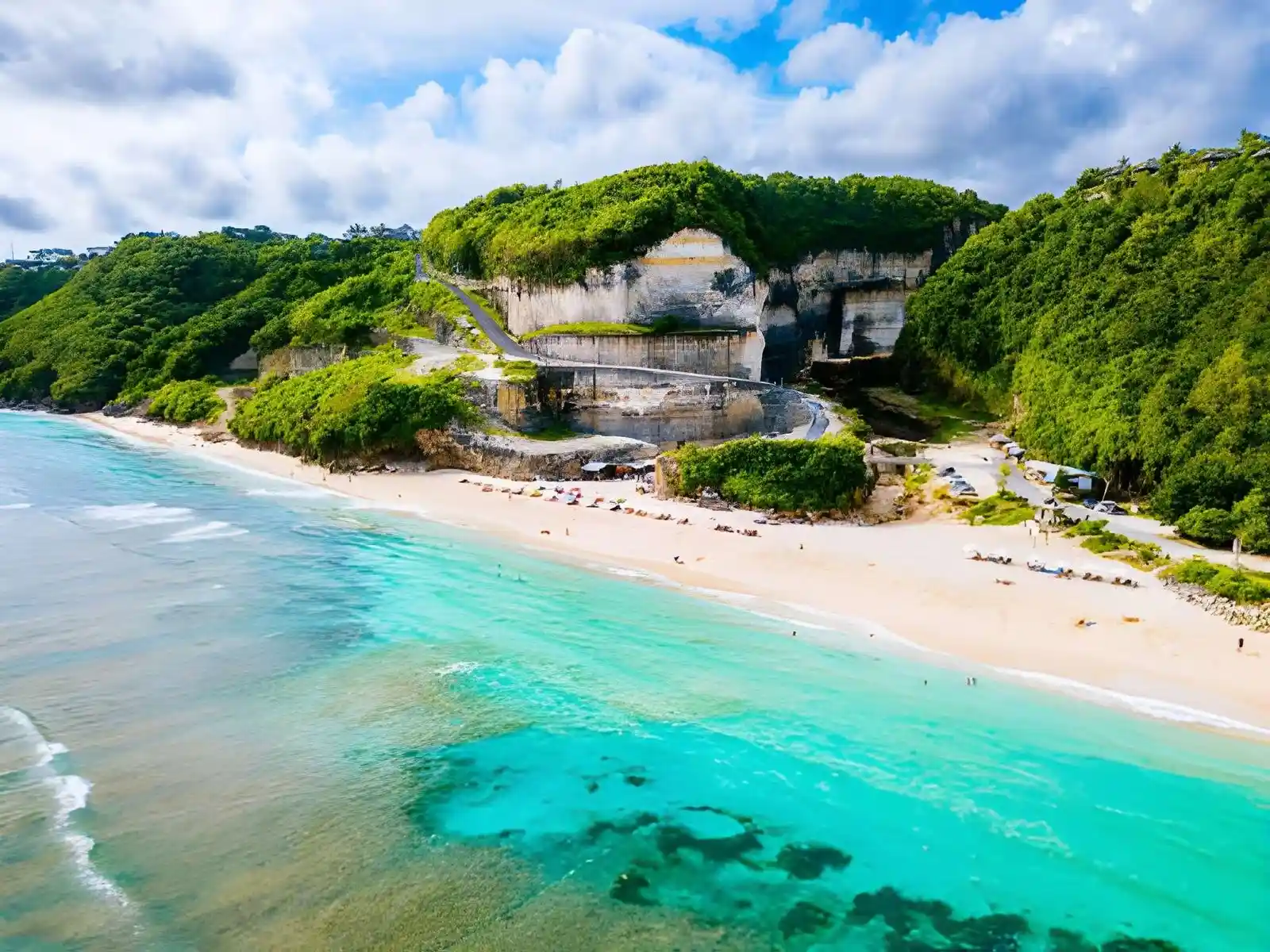
September is a good month for a beach focused itinerary, whether you want a relaxed morning in Sanur, resort time in Nusa Dua, seafood in Jimbaran, or sunset views around Uluwatu.
For the most comfortable experience, start earlier in the day or head to the coast in the late afternoon. Midday temperatures can be hot, even during the relatively dry conditions of September.
2. Take a Nusa Penida Day Trip
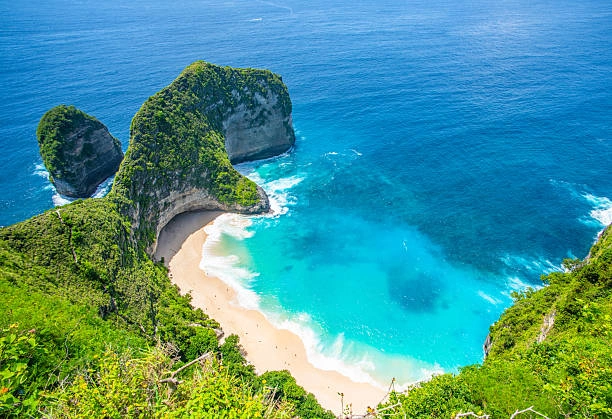
If you want to add an island experience to your beach itinerary, Nusa Penida is a natural choice.
An early fast boat from Sanur gives you more time on the island. For a one day trip, focus on either the West or East route rather than trying to cover both.
West Nusa Penida is known for Kelingking Beach, Broken Beach, and Angel’s Billabong, while the eastern route includes dramatic viewpoints such as Diamond Beach and Atuh Beach.
September can be favorable for outdoor island trips, but boat schedules and sea conditions can still change. Always check conditions close to your departure.
Read more: Nusa Penida Day Trip: Best Places to Visit + Sample Itinerary
3. Hike Mount Batur for Sunrise

For a more active morning, Mount Batur is one of Bali’s signature experiences.
The trek begins before dawn, allowing you to reach the summit around sunrise. September’s generally drier conditions can make the trail more manageable, although the terrain remains rocky and uneven.
Bring proper footwear, water, and a light jacket. And while September can offer good visibility, cloud cover can still affect the sunrise on any given morning.
4. Explore Ubud’s Rice Terraces and Nature

After a mountain sunrise, you can shift from volcanic scenery to Ubud’s greener landscapes.
Spend the morning exploring rice terraces, countryside walks, temples, or nearby waterfalls. Ubud also works well if you want to combine sightseeing with cafés, spa treatments, or wellness experiences.
Starting early is particularly useful here: you’ll avoid some of the daytime heat while reaching popular outdoor areas before they become busier.
Read more: 7 Best Ubud Cafes with Rice Field Views for a Relaxing Break
5. Explore Kintamani’s Mountain Landscape

If you prefer mountain scenery without committing to a full trek, Kintamani offers an easier alternative.
You can enjoy views of Mount Batur and Lake Batur, stop at a scenic café, visit a coffee plantation, or relax at a nearby hot spring. The higher elevation also provides cooler temperatures compared with Bali’s southern coast.
Read more: Visiting Kintamani in 2026: Everything You Need to Know Before You Go
Best Places to Visit in Bali in September
The activities above work across very different parts of Bali, so your next decision is choosing where to base yourself. Rather than looking for one universally “best” destination, match the area to the type of holiday you want.
| Destination | Best For |
|---|---|
| Ubud | Culture, nature, rice terraces, wellness |
| Seminyak | Restaurants, shopping, beach clubs |
| Canggu | Cafés, surfing, social atmosphere |
| Sanur | Relaxed beaches and easygoing days |
| Nusa Dua | Resorts, families, calm beach time |
| Uluwatu | Cliffs, beaches, surfing, sunsets |
| Kintamani | Mount Batur, cool weather, mountain scenery |
| Amed | Snorkeling, diving, slower paced escapes |
Ubud for Culture, Nature & Wellness
Ubud is a strong choice if your September trip is centered on inland Bali.
You can combine rice terraces, temples, waterfalls, local food, and wellness experiences without spending every day traveling between distant parts of the island.
It’s particularly useful for a first trip when you want to experience a side of Bali beyond the beach.
Seminyak for Dining, Shopping & Beach Clubs
If your priority is restaurants, shopping, sunset drinks, and easy access to the coast, Seminyak remains one of the most convenient bases.
It’s also practical if you want a mix of sightseeing and downtime without building your entire trip around outdoor activities.
Sanur for a Relaxed Beach Holiday
Sanur is better suited to a slower pace.
The beachfront promenade is useful for walking and cycling, while the area’s calmer atmosphere makes it a comfortable base for families, couples, and anyone who doesn’t want the intensity of Canggu or Seminyak.
It’s also the main departure point for many fast boats to Nusa Penida.
Uluwatu for Beaches, Cliffs & Surf
Uluwatu is ideal if dramatic coastal scenery matters more to you than being centrally located.
You can combine beaches, cliff viewpoints, surfing, and sunset experiences in the same area. The trade off is distance: Uluwatu is farther from Ubud and central Bali, so it works best when your itinerary is designed around southern Bali.
Kintamani for Mountain Scenery
Kintamani makes sense if the experience you want is completely different from Bali’s southern beaches.
Mount Batur, Lake Batur, coffee plantations, scenic cafés, and hot springs can all be combined into a highland day, making it particularly useful for an itinerary that mixes coastal and mountain experiences.
Tips for Visiting Bali in September
Knowing that September is generally favorable but not completely rain free changes how you should plan your trip. A few practical decisions can help you make better use of the conditions.
1. Start Outdoor Activities Early
Morning is often the most comfortable time for hiking, sightseeing, and exploring rice terraces.
It also helps you avoid some of the heat and crowds that build later in the day.
2. Keep Weather Dependent Activities Flexible
Don’t treat September as a guarantee of perfect weather.
If your itinerary includes Nusa Penida, snorkeling, diving, or a Mount Batur sunrise trek, check the latest local conditions and be prepared to adjust your schedule.
3. Group Destinations by Area
Bali’s distances can be misleading on a map.
Instead of combining Ubud, Uluwatu, and Nusa Penida into one packed day, group nearby experiences together. You’ll spend less time in traffic and more time actually enjoying each destination.
4. Book Popular Experiences in Advance
September is generally less pressured than the July and August peak, but Bali’s most popular experiences can still sell out or become expensive at short notice.
Book ahead for Mount Batur treks, private drivers, popular beach clubs, and preferred accommodation, especially if your dates are fixed.
5. Pack for Sun and Occasional Rain
Light clothing, swimwear, sunscreen, comfortable walking shoes, and a reusable water bottle should cover most days.
A compact rain jacket or umbrella is also worth bringing because September can still produce occasional showers.
Plan Your Bali Trip Around September Better With Us
September offers a useful balance for a Bali holiday: generally favorable outdoor conditions, warm tropical weather, and less peak season pressure than July and August. It isn’t completely dry or crowd free, but that combination can make it one of the more practical months for exploring the island.
The key is not trying to fit every Bali highlight into one trip. Choose destinations that match your interests, start outdoor activities early, leave some flexibility for weather dependent experiences, and group your route by location.
Whether you’re planning a relaxed beach holiday, a Mount Batur sunrise trek, a Nusa Penida day trip, or a combination of Ubud and southern Bali, Bali Island Vacations can help you arrange private drivers, customized itineraries, and day tours around your travel dates and travel style.
Planning your Bali trip around the season? Continue with our guides below..
- When Is the Best and Worst Time to Visit Bali? A Complete Month-by-Month Guide
- Bali Travel Checklist: 15 Essentials Before You Go
- Where to Go for Wellness in Bali: 8 Destinations Worth Visiting
- Top 10 Fun Activities to Do During Summer Holidays in Bali
FAQ: Bali in September
Is September a good time to visit Bali?
Yes. September is generally a good time to visit Bali because it is toward the end of the dry season, with warm temperatures, relatively low rainfall, and less peak season pressure than July and August.
What is Bali weather like in September?
Bali is generally warm and relatively dry in September, with daytime temperatures commonly around the high 20s to low 30s Celsius. Occasional rain is still possible, particularly as the month progresses toward the wetter season.
Does it rain in Bali in September?
Yes, but September is generally much drier than Bali’s wet season. Short showers can still occur, so keep some flexibility for outdoor activities that depend on weather and sea conditions.
Is Bali crowded in September?
Bali can still be busy, especially in popular areas such as Ubud, Seminyak, Canggu, Uluwatu, and Nusa Penida. However, September generally has less peak season pressure than July and August.
Is September cheaper than July or August in Bali?
Often, yes. September can offer better value than the July and August peak period, particularly for accommodation, although prices depend on the property, location, demand, and booking date.
Is September good for beaches in Bali?
Yes. September is generally a good month for beach activities because of the relatively dry conditions. Sanur, Nusa Dua, Jimbaran, and Uluwatu are useful options depending on whether you prioritize relaxed beach time, resorts, seafood, or dramatic coastal scenery.
Is September a good month for Nusa Penida?
Yes. September can be a good time for a Nusa Penida trip, particularly for sightseeing and photography. However, fast boat trips remain dependent on sea and weather conditions, so check the latest conditions before departure.
Is September good for Mount Batur?
Yes. September’s generally drier conditions can make Mount Batur suitable for sunrise trekking. However, cloud cover can still affect visibility, so a clear sunrise is never guaranteed.
What should I pack for Bali in September?
Pack lightweight tropical clothing, swimwear, comfortable walking shoes, sunscreen, sunglasses, a hat, and a reusable water bottle. A compact rain jacket or umbrella is also useful for occasional showers.
How many days do you need in Bali in September?
Five to seven days is enough for a balanced first trip covering areas such as Ubud and southern Bali. If you want to add Nusa Penida, Kintamani, or several beach destinations without rushing, consider 8–10 days.
Is September better than August for Bali?
It depends on your priorities. August can offer slightly stronger dry season conditions, while September may appeal if you want favorable weather with less peak season pressure. Both can be excellent months for Bali.
What is the best place to stay in Bali in September?
There is no single best area. Ubud suits culture and nature, Seminyak works well for dining and beach clubs, Sanur offers a more relaxed coastal base, Nusa Dua suits resort and family holidays, while Uluwatu is better for beaches, cliffs, and surfing.