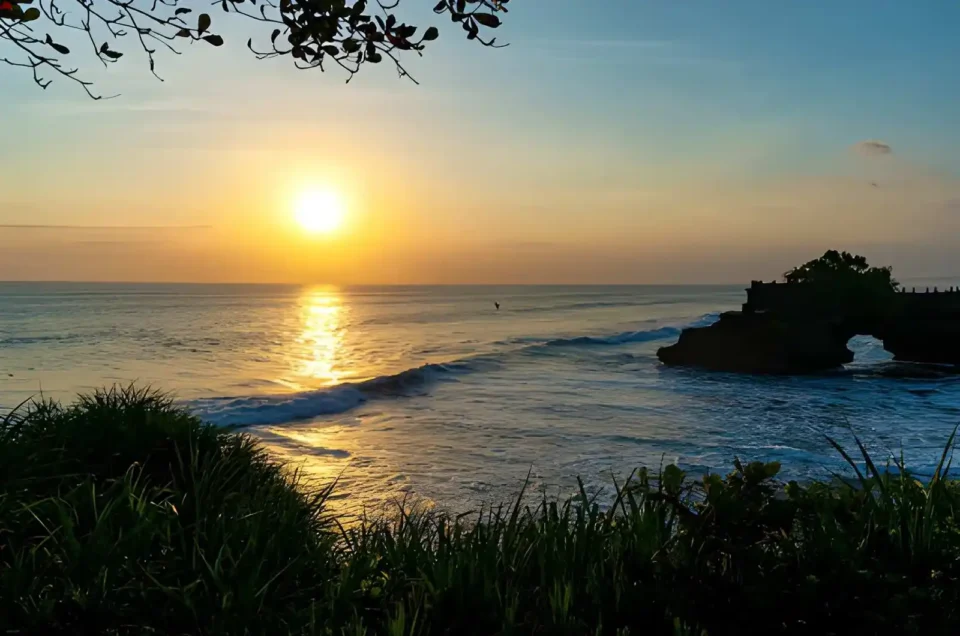

July and August are among the most popular months to visit Bali, and for good reason. These months fall in the heart of the island’s dry season, bringing long sunny days, lower humidity, and excellent conditions for everything from beach hopping and island tours to mountain treks and cultural sightseeing.
The trade-off is that you’re visiting during Bali’s busiest holiday period. Popular attractions become more active, accommodations book up faster, and travel between destinations can take longer than expected. A little planning before you arrive can make a significant difference, allowing you to spend more time enjoying the island instead of dealing with unnecessary delays.
If you’re planning to visit Bali in July or August 2026, these practical tips will help you enjoy the island more comfortably while avoiding common peak-season mistakes.
Quick Travel Tips for Bali in July & August 2026
If you’re looking for a quick overview before planning your trip, the table below highlights the most important things to know about visiting Bali during its peak dry season.
Quick Overview
| Topic | Recommendation |
|---|---|
| Weather | Dry season with sunny days, lower humidity, and minimal rainfall |
| Best Activities | Beach days, island trips, sunrise hikes, snorkeling, diving, and outdoor sightseeing |
| Crowds | Expect peak season, especially in South Bali and major attractions |
| Book Hotels | Reserve accommodation 2–4 months in advance for the best availability and rates |
| Book Tours | Secure popular tours early, particularly Nusa Penida trips, Mount Batur treks, and private day tours |
| Best Time to Explore | Start before 9:00 AM or head out after 4:00 PM to avoid the busiest hours and midday heat |
| Transportation | Allow extra travel time, especially when moving between popular areas like Canggu, Seminyak, and Uluwatu |
| Packing | Bring lightweight clothing, comfortable footwear, sun protection, and a reusable water bottle |
What to Expect During Bali’s Peak Season
July and August bring some of the liveliest weeks of the year in Bali. The island feels more vibrant, restaurants and beach clubs are busier, and popular attractions see higher demand throughout the day. While you’ll share many of the island’s highlights with more people, you’ll also benefit from a wider choice of tours, activities, and seasonal events that are fully operating during this period.
Peak season is driven by several factors happening at the same time:
- International school holidays bring families from around the world to Bali.
- Australian winter encourages many people to escape the cooler weather for Bali’s tropical climate.
- European summer holidays make July and August a popular time for longer vacations.
- Domestic travel also increases during school breaks and holiday periods, adding to the island’s lively atmosphere.
- Higher demand means accommodations, private drivers, and popular tours often book out earlier than usual.
The good news is that Bali’s dry season also creates some of the best travel conditions you’ll experience all year. Clear skies, lower humidity, stable sea conditions, and excellent visibility make it an ideal time to enjoy beaches, island adventures, sunrise hikes, and other outdoor experiences across the island.
You may also want to read this: Bali in August 2026: Weather, Crowds, Things to Do & Travel Tips
Essential Bali Travel Tips for July & August 2026
Visiting Bali during July and August is incredibly rewarding, but the experience often comes down to preparation rather than luck.
With more people arriving during peak season, a few smart decisions before and during your trip can help you avoid common frustrations while making the most of Bali’s best weather.
Here are the practical travel tips that matter most during Bali’s busiest months.
1. Book Accommodation Earlier Than You Normally Would
One of the biggest mistakes people make is waiting until the last minute to book accommodation. July and August are among Bali’s busiest months, which means availability changes quickly, especially in popular destinations.
Areas such as Seminyak, Canggu, Ubud, Uluwatu, and Nusa Dua often see high occupancy well before peak season begins. Private villas and family-friendly resorts are usually the first to fill up.
Booking early gives you several advantages:
- More accommodation choices in your preferred area
- Better room rates before prices increase
- Greater flexibility when selecting villas or resorts
If your travel dates are fixed, securing your accommodation a few months in advance is one of the easiest ways to reduce both costs and stress.
2. Reserve Popular Tours Before You Arrive
Peak season doesn’t just affect hotels, it also increases demand for Bali’s most popular experiences.
Activities with limited daily capacity can sell out, particularly on weekends and during school holidays. Reserving in advance helps you secure your preferred dates instead of adjusting your itinerary around availability.
Experiences worth booking early include:
- Nusa Penida day trips
- Mount Batur sunrise trekking
- ATV adventures
- White water rafting
- Private sightseeing tours
Planning ahead also allows you to build a smoother itinerary without rushing to find last-minute openings.
3. Start Your Day Early
One of the simplest ways to enjoy Bali during peak season is to begin exploring earlier than usual.
Early mornings offer several advantages. Temperatures are cooler, roads are generally quieter, and many of Bali’s most popular attractions are still relatively peaceful before larger crowds arrive.
Starting before 9:00 AM often means you can:
- Enjoy better lighting for photos
- Spend less time in traffic
- Experience attractions in a more relaxed atmosphere
- Finish outdoor activities before the midday heat
This small adjustment can completely change how your day feels.
4. Avoid Spending Every Day in South Bali
South Bali is home to many famous destinations, but concentrating your entire holiday there can mean spending more time in traffic than enjoying the island.
A more balanced itinerary creates a better overall experience.
Consider combining South Bali with destinations such as:
- Ubud for culture and rice terraces
- East Bali for quieter coastal scenery
- North Bali for waterfalls and mountain landscapes
Exploring different regions lets you experience more of Bali’s diversity while avoiding the busiest tourist corridors every day.
You may also want to read this: Best Things to Do in Bali in the Summer for Solo Travellers
5. Allow More Travel Time Between Destinations
Travel times during July and August are often longer than expected, particularly around South Bali.
Routes connecting Seminyak, Canggu, Uluwatu, and the airport can become significantly busier during peak hours, especially in the afternoon and around sunset.
While navigation apps provide helpful estimates, real traffic conditions can change quickly.
To avoid unnecessary stress:
- Leave extra time between activities
- Avoid scheduling attractions too close together
- Keep your itinerary realistic instead of overfilled
Giving yourself a comfortable buffer makes the day far more enjoyable.
6. Pack for Strong Sunshine Instead of Rain
Although Bali’s tropical climate stays warm throughout the year, July and August are typically much drier than the wet season.
Instead of preparing for frequent rain showers, focus on staying comfortable under strong sunshine.
Your packing list should include:
- Lightweight, breathable clothing
- A wide-brim hat or cap
- Reef-safe sunscreen
- Sunglasses
- A reusable water bottle
Staying protected from the sun helps you enjoy longer days outdoors without becoming exhausted by the afternoon.
7. Take Advantage of the Best Ocean Conditions
Dry season brings some of Bali’s clearest water and most reliable sea conditions, making July and August an excellent time for marine activities.
Snorkeling, diving, and island excursions generally benefit from improved visibility and calmer crossings compared to wetter months.
Some of the best experiences include:
- Snorkeling around Nusa Penida
- Diving in Amed
- Exploring coral reefs
- Boat trips to nearby islands
While sea conditions always depend on daily weather, this period consistently offers some of the best opportunities for ocean adventures.
8. Make Restaurant Reservations for Popular Dinner Spots
Many of Bali’s best sunset restaurants and beachfront dining venues become fully booked during peak season.
If you’re planning a special dinner, especially around sunset, it’s worth making a reservation a few days in advance.
This is particularly helpful for:
- Seafood restaurants along Jimbaran Beach
- Popular beach clubs
- Fine dining venues
- Cliffside sunset restaurants
Planning ahead lets you enjoy the evening without waiting for a table or changing your plans at the last minute.
9. Mix Relaxation Days With Touring Days
One of the easiest ways to improve your Bali holiday is by avoiding the temptation to fill every day with sightseeing.
July and August offer fantastic weather, but constantly moving between attractions can quickly become tiring, especially during peak season traffic.
Instead, alternate active days with slower ones.
For example:
- Follow an island tour with a beach day
- Balance a sunrise trek with a relaxing afternoon by the pool
- Leave room to enjoy cafés, local restaurants, or a quiet sunset
A well-paced itinerary often feels far more rewarding than trying to see everything in one trip.
10. Stay Flexible Around Cultural Ceremonies
Bali’s cultural life continues throughout the year, including during the busiest travel season.
You may occasionally come across temple ceremonies, community celebrations, or religious processions that temporarily affect traffic or access to certain areas.
Rather than seeing these moments as disruptions, consider them part of what makes Bali unique.
A few things to remember:
- Allow extra travel time if ceremonies are taking place
- Follow directions from local authorities or your driver
- Dress respectfully when visiting temples
- Observe ceremonies from a respectful distance unless invited to participate
These traditions are an important part of everyday life in Bali, and experiencing them respectfully often becomes one of the most memorable parts of the journey.
You may also want to read this: 10 Incredible Things to Do in Bali in August During Peak Dry Season
Common Mistakes to Avoid During July & August
Peak season doesn’t mean your Bali trip will be stressful, it simply means a little planning goes a long way. Many of the challenges people experience during July and August are easy to avoid once you know what to expect.
Here are some of the most common mistakes to watch out for:
- Waiting too long to book accommodation. Hotels, villas, and family-friendly resorts in popular areas can fill up months before peak season, leaving fewer choices and higher prices.
- Packing too many activities into one day. Bali looks compact on the map, but travel times can be longer than expected during July and August. A realistic schedule usually leads to a much more enjoyable holiday.
- Underestimating traffic in South Bali. Areas like Canggu, Seminyak, and Uluwatu are busiest during peak season, so allow extra time when traveling between destinations.
- Starting your day too late. Early mornings often bring cooler temperatures, lighter traffic, and a more relaxed atmosphere at Bali’s most popular attractions.
- Not drinking enough water. Sunny days and outdoor activities can quickly lead to dehydration, so carrying a reusable water bottle throughout the day is a simple but important habit.
- Assuming every experience can be booked last minute. Popular tours, private drivers, and sunset restaurants often reach capacity during peak season, making advance reservations well worth the effort.
Avoiding these common mistakes allows you to spend less time solving travel problems and more time enjoying everything Bali has to offer.
Make the Most of Bali During Peak Season
July and August are among the best months to experience Bali. The combination of sunny weather, lower humidity, and excellent conditions for beaches, island trips, hiking, and cultural sightseeing makes this one of the island’s most rewarding seasons.
The secret isn’t trying to fit everything into one holiday, it’s creating an itinerary with the right balance. Mixing popular attractions with quieter regions, planning around peak traffic, and leaving room to relax will often give you a far better experience than rushing from one destination to the next.
Whether you’re planning your first Bali holiday or returning to discover more of the island, Bali Island Vacations can help you create customized itineraries, arrange private drivers, organize island tours, and make the most of Bali’s busiest, and most rewarding travel season.
To help you prepare for your peak-season holiday even further, continue reading these related Bali travel guides:
- High Season in Bali: When It Happens and What to Expect
- High Season Trip Cost in Bali: Budget Guide for 2026
- Top 10 Fun Activities to Do During Summer Holidays in Bali
- Mid-Year Escape to Bali (June–August): What to Do & Where to Go
Frequently Asked Questions
Is July or August better for visiting Bali?
Both months are excellent for visiting Bali, thanks to the dry season’s sunny weather and lower humidity. July is often slightly quieter early in the month, while August typically sees the highest number of visitors due to international summer holidays.
Is Bali crowded in July and August?
Yes. July and August are considered Bali’s peak travel season, especially in popular destinations such as Canggu, Seminyak, Ubud, and Uluwatu. Planning ahead helps you avoid the busiest times and secure better accommodation and tour availability.
How hot is Bali in July?
Daytime temperatures are typically around 27–31°C (81–88°F), with lower humidity than the wet season. Mornings and evenings are generally comfortable, making it an excellent time for outdoor activities.
Should I book Bali hotels early?
Yes. If you’re visiting during July or August, it’s recommended to book your accommodation two to four months in advance, especially if you’re staying in popular areas or looking for private villas and family-friendly resorts.
Is Nusa Penida worth visiting in July?
Absolutely. July is one of the best times to visit Nusa Penida thanks to calmer sea conditions, clearer water, and excellent visibility for snorkeling and sightseeing.
Can you hike Mount Batur in August?
Yes. August is one of the most popular months for the Mount Batur sunrise trek. Dry trail conditions and clearer morning skies often provide better hiking conditions and panoramic views.
How much more expensive is Bali during peak season?
Accommodation, private drivers, and popular tours are generally more expensive during July and August because of higher demand. Booking early is usually the best way to secure better prices.
What should I pack for Bali in July and August?
Pack lightweight clothing, comfortable walking shoes, swimwear, sunglasses, reef-safe sunscreen, a hat, and a reusable water bottle. Since these months fall in the dry season, sun protection is generally more important than rain gear.