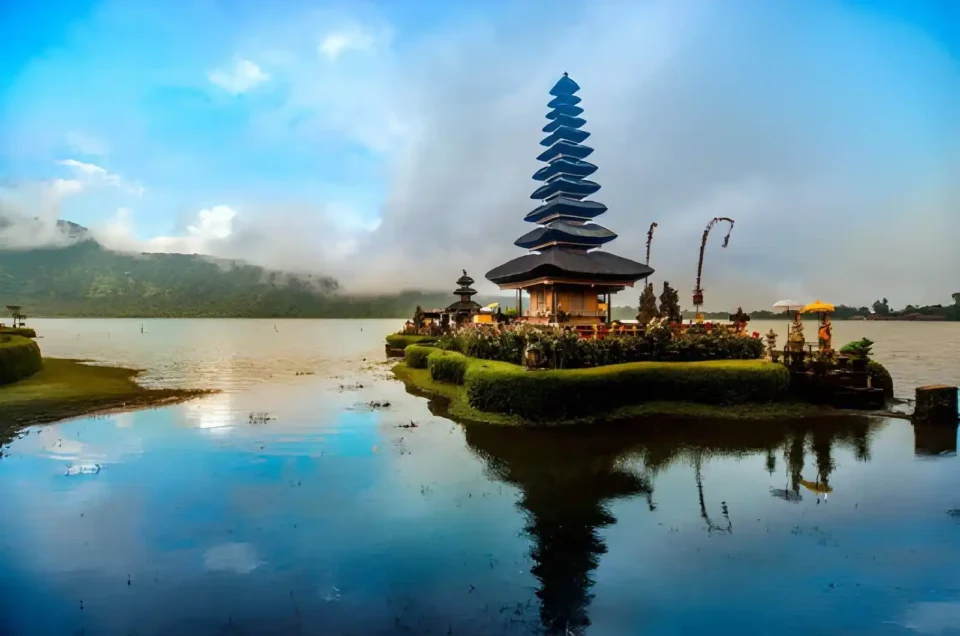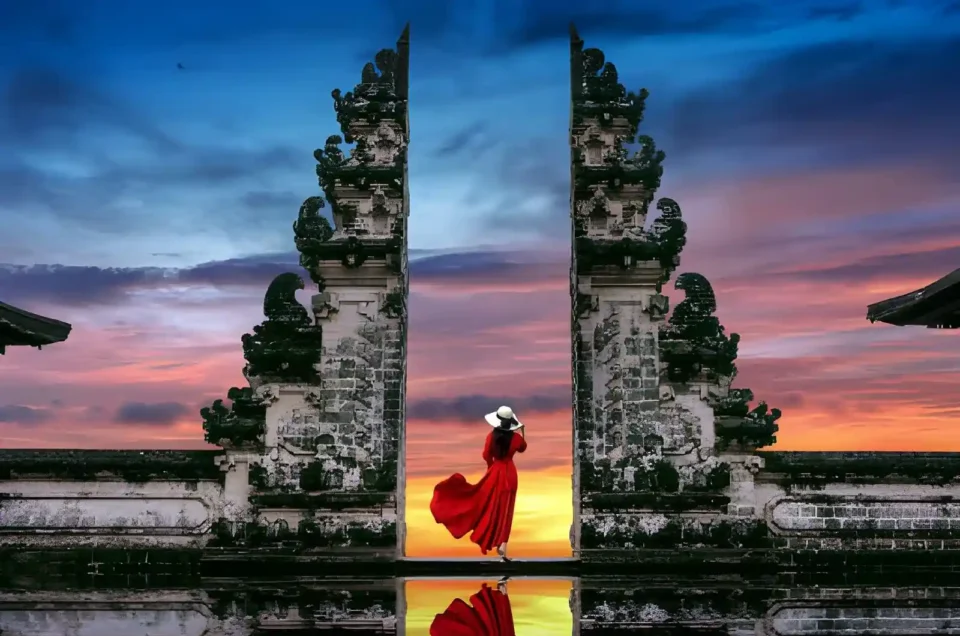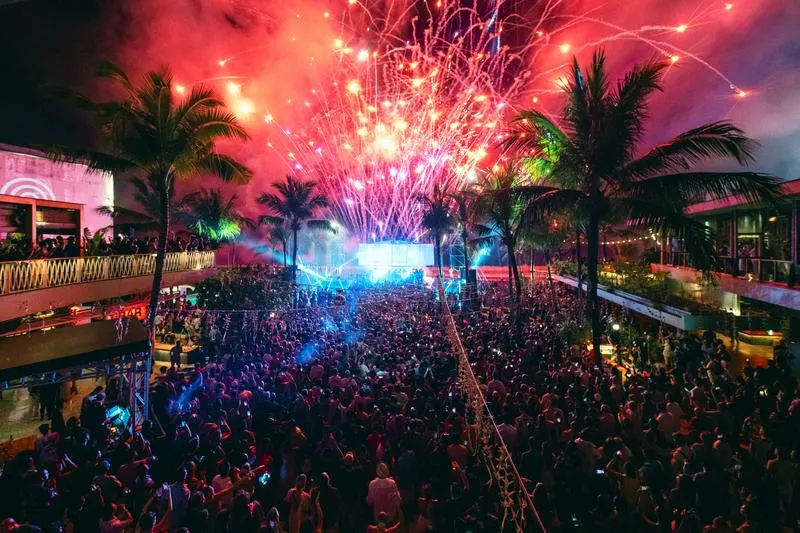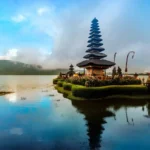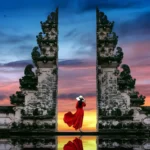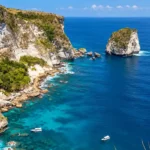
Bali offers far more than just beaches, beach clubs, and resort experiences. Across the island, you will find a wide range of unique activities rooted in local traditions, hidden natural landscapes, and cultural practices that have been preserved for generations.
From sacred rituals and remote villages to unexpected adventure spots and lesser known landmarks, these experiences reveal a deeper and more authentic side of Bali that many travelers often miss. Here’s a curated look at the most unique experiences in Bali that are actually worth planning your trip around.
Quick Overview About Unique Experiences in Bali
Unique experiences in Bali go beyond typical sightseeing, combining cultural immersion, spiritual practices, remote nature exploration, and hands on local activities spread across regions such as Ubud, Kintamani, North Bali, Nusa Penida, and West Bali.
To help you quickly understand what makes these experiences stand out, here are the key highlights:
- Cultural experiences such as Ogo Ogo parade before Nyepi and Trunyan traditional village
- Spiritual activities including water purification rituals and traditional healing sessions
- Nature based experiences like Mount Batur sunrise trekking and hidden natural pools
- Remote destinations such as Menjangan Island and lesser explored parts of Nusa Penida
- Hands on local activities like canang sari making and traditional Balinese cooking
- Unique landmarks including cave temples and abandoned theme parks
- Adventure experiences such as ATV jungle rides and white water rafting in Ayung River
Unique Experiences in Bali You Can Actually Visit and Do
Below is a curated list of unique experiences in Bali that you can realistically plan and visit, each located in different parts of the island and offering a distinct perspective of Bali.
1. Ogo Ogo Parade Before Nyepi (Across Bali)
The Ogo Ogo parade is one of the most intense cultural experiences you can witness in Bali, taking place on the evening before Nyepi, the Balinese Day of Silence. What makes it unique is not just the scale of the giant demon statues, but the atmosphere itself.
Entire communities come together to carry these handcrafted figures through the streets in a loud, chaotic procession meant to symbolically drive away negative energy.
Unlike staged performances, this is a living tradition. The energy is raw, unpredictable, and deeply rooted in Balinese Hindu beliefs, making it one of the rare moments where you can truly witness culture unfolding in real time rather than being presented for tourism.
- Takes place once a year based on the Balinese calendar, usually around March
- Best experienced in Denpasar, Ubud, or local village areas for a more authentic feel
- The atmosphere is loud, crowded, and highly energetic, especially after sunset
- Followed by Nyepi, when the entire island shuts down for 24 hours with no outdoor activity
2. Trunyan Cemetery Village (Lake Batur, Kintamani)
Trunyan offers a completely different perspective on life and death, shaped by traditions that have remained unchanged for centuries. Instead of cremation, which is common across Bali, the Trunyan community places the deceased above ground in a designated area, covered only by a simple bamboo structure.
What makes this experience truly unique is the presence of the Taru Menyan tree, which naturally neutralizes odors. Visiting Trunyan is less about sightseeing and more about understanding a rare cultural practice that exists quietly, away from mainstream tourism routes.
- Located on the eastern side of Lake Batur and typically accessed by boat
- Bodies are laid openly, not buried or cremated
- The Taru Menyan tree plays a key role in eliminating odor naturally
- Visitors should maintain respectful behavior as this is an active sacred site
3. Melukat Water Purification Ritual (Tirta Empul and Other Temples)
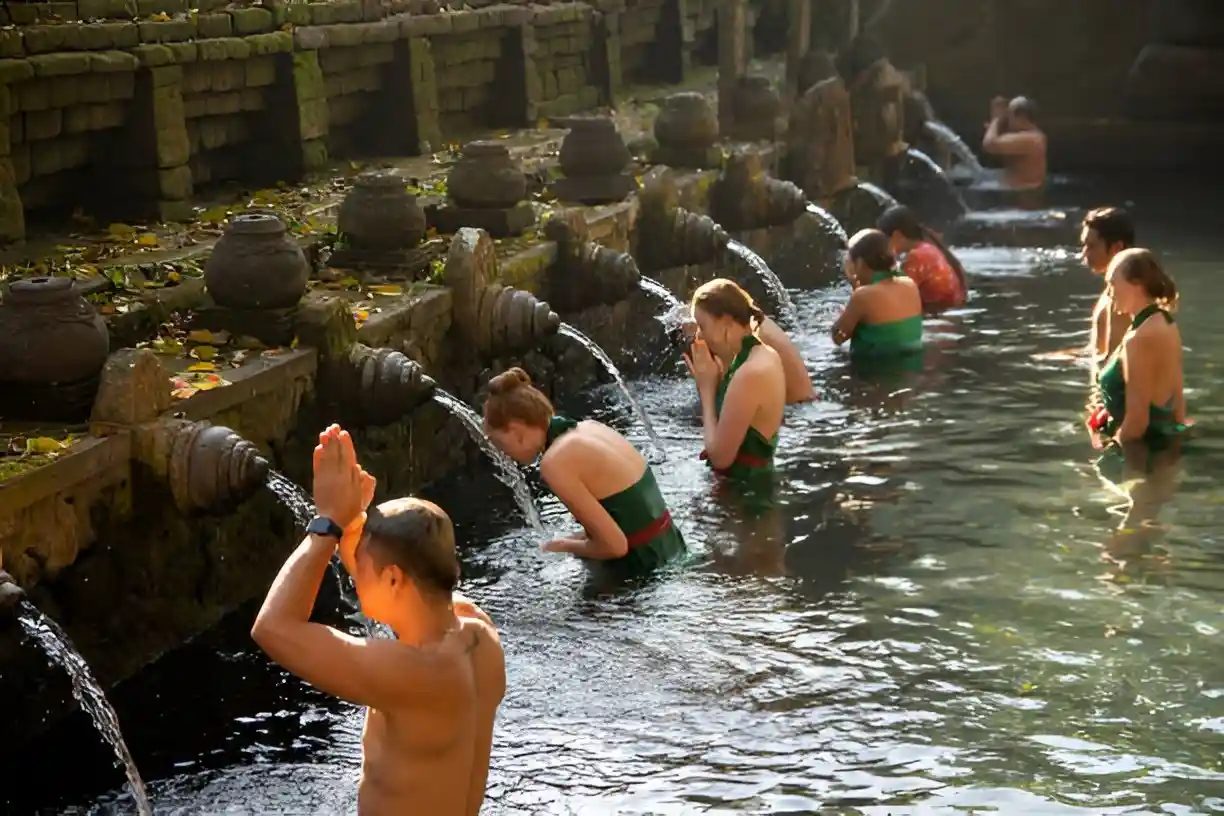
Melukat is a traditional purification ritual that continues to be practiced by Balinese locals as part of their spiritual life. Unlike typical temple visits, this experience involves actively participating in a sequence of cleansing rituals using holy spring water, each step carrying symbolic meaning.
The experience is both physical and spiritual. As you move from one water fountain to another, you follow a process that is meant to cleanse the body, mind, and energy. It is one of the few experiences where visitors can directly engage with Balinese spiritual practices in an authentic setting.
- Commonly performed at Tirta Empul Temple in Tampaksiring
- Involves multiple water fountains, each with specific ritual significance
- Proper attire is required, including a sarong and sash
- Early morning visits are recommended for a quieter and more focused experience
4. Traditional Balinese Healer Experience (Ubud Area)
In Bali, traditional healing is still deeply connected to daily life, especially in areas like Ubud where spiritual practices remain strong. Visiting a Balinese healer is not a performance or attraction, but a personal experience that often combines intuition, herbal knowledge, and energy based practices.
Each session can feel different depending on the healer, but the core idea remains the same: restoring balance. For many travelers, this becomes one of the most memorable experiences, not because of what is seen, but because of how personal and introspective it can be.
- Mostly found in villages around Ubud
- Sessions may include palm reading, energy work, or herbal remedies
- Advance booking is often required due to limited availability
- Best approached with openness and respect for local beliefs and practices
5. Goa Giri Putri Cave Temple (Nusa Penida)
At first glance, Goa Giri Putri does not look like a temple at all. The entrance is a narrow crack in a rock wall, requiring you to physically squeeze through. But once inside, the space opens into a massive cave that functions as a fully active place of worship.
This contrast between the small entrance and the vast interior is what makes the experience so memorable. It feels less like visiting a temple and more like discovering a hidden spiritual world beneath the surface.
- Located on Nusa Penida, accessible by fast boat from Sanur
- Requires passing through a narrow entrance before reaching the main cave area
- Still actively used for religious ceremonies by local communities
- Visitors must wear proper temple attire and be prepared for a short physical entry
6. Taman Dedari (Ubud, Ayung Valley)
Taman Dedari offers a different kind of visual experience in Bali, combining large scale sculptures with natural landscape views. The park is known for its towering angel statues, each representing celestial beings from Balinese mythology, set against the backdrop of the Ayung Valley.
While it is relatively modern compared to traditional sites, the setting creates a unique blend of art, mythology, and scenery. It is especially appealing for those looking for something visually distinct yet still connected to Balinese storytelling.
- Located just outside central Ubud, overlooking the Ayung Valley
- Features angel statues reaching up to 10 meters in height
- Best visited in the late afternoon for softer lighting and fewer crowds
- Often combined with nearby dining spots for a more relaxed visit
7. Abandoned Taman Festival Park (Padang Galak, Sanur)
Unlike most curated attractions in Bali, Taman Festival offers something completely unpolished. Originally planned as a theme park, the site was abandoned before completion and has since been reclaimed by nature.
Today, it stands as a quiet, slightly eerie location where overgrown vegetation, unfinished structures, and graffiti create a unique atmosphere. It appeals to a different kind of traveler, especially those interested in unconventional or offbeat places.
- Located near Padang Galak Beach in Sanur
- No official management, entry is informal and at your own discretion
- Known for its overgrown structures and urban exploration appeal
- Popular among photographers looking for raw and atmospheric settings
8. Mount Batur Sunrise Trekking (Kintamani Highlands)
Mount Batur sunrise trekking is one of the most iconic yet still deeply rewarding experiences in Bali, especially when approached with the right expectations.
The journey starts in the early hours of the morning, leading you up an active volcano where the real highlight is not just the sunrise itself, but the feeling of being above the clouds as the light slowly reveals the surrounding mountains and Lake Batur below.
What makes this experience stand out is the combination of physical effort and natural reward. It is not a passive viewpoint, but a progression, where the climb becomes part of the memory. At the summit, simple volcanic steam is often used to cook eggs or bananas, adding a subtle but memorable local touch.
- Located in Kintamani, around 1.5 to 2 hours from Ubud or Seminyak
- Trek typically starts around 2–3 AM to reach the summit before sunrise
- Moderate difficulty, suitable for most active travelers
- Best conditions are during the dry season with clearer sunrise visibility
9. Menjangan Island Snorkeling and Diving (West Bali National Park)
Menjangan Island offers a completely different marine experience compared to the more crowded southern Bali spots. Located within West Bali National Park, the island is known for its calm waters, exceptional visibility, and well preserved coral reefs that feel far less disturbed.
The uniqueness here lies in its remoteness. Getting there requires more effort, but that is exactly what keeps the experience quiet and immersive. It is one of the few places in Bali where you can snorkel or dive in a setting that still feels untouched.
- Located in the northwest of Bali, approximately 4 to 5 hours from main tourist areas
- Accessible via boat from Labuan Lalang
- Known for clear water visibility and healthy coral ecosystems
- Suitable for both snorkeling and diving, including beginners
10. Tembeling Natural Pool (Nusa Penida)
Hidden within the forested cliffs of Nusa Penida, Tembeling Natural Pool offers a more secluded alternative to the island’s popular coastal viewpoints. Reaching it requires navigating a steep and narrow path, which naturally limits the number of visitors.
Once you arrive, the setting feels quiet and enclosed, surrounded by dense greenery. The natural pool itself is fed by fresh spring water, creating a calm contrast to the dramatic ocean views nearby.
- Located on the western side of Nusa Penida
- Access involves a steep ride or walk through jungle terrain
- Features natural freshwater pools and nearby ocean viewpoints
- Best visited in the morning for safer access and fewer crowds
11. Marigold Flower Fields (Temukus Village, Near Besakih)
The marigold fields in Temukus offer one of the most visually distinct landscapes in Bali, especially when in full bloom. These bright orange flowers are not grown for decoration, but for daily religious offerings, making the fields both functional and cultural.
What makes this experience unique is its seasonal nature. Unlike permanent attractions, the fields change throughout the year, so visiting at the right time creates a completely different visual experience that feels tied to local life rather than tourism.
- Located in East Bali near Besakih Temple
- Best visited during peak blooming season, typically before major ceremonies
- Flowers are used for canang sari and other offerings
- Early morning visits provide softer light and a more peaceful atmosphere
12. ATV Ride Through Jungle, River, and Tunnel (Ubud and Gianyar)
ATV riding in Bali goes beyond simple off road driving. The routes are designed to take you through a variety of terrains, including dense jungle paths, shallow rivers, muddy tracks, and even man made tunnels carved into the landscape.
What makes it stand out is the constant change in environment. It feels less like a repetitive ride and more like a continuous exploration, where each section offers a slightly different challenge and scenery.
- Commonly located in Ubud and Gianyar areas
- Tracks include jungle trails, river crossings, and underground tunnels
- Suitable for beginners with guided instruction provided
- Available as single or tandem ride options
13. White Water Rafting on Ayung River (Ubud Area)
White water rafting on the Ayung River combines light adventure with scenic immersion. The river flows through jungle valleys, past waterfalls, and alongside carved stone reliefs that are unique to this part of Bali.
Unlike extreme rafting destinations, the Ayung River is more accessible, making it suitable for a wide range of travelers. The experience focuses as much on the surrounding environment as it does on the rafting itself.
- Located near Ubud, with easy access from central Bali
- Class II to III rapids, suitable for beginners and families
- Duration typically around 2 to 3 hours including preparation
- Surrounded by tropical forest, waterfalls, and rock carvings
14. Sandikala Walk Experience (Rural Bali)
The Sandikala Walk offers a slower, more reflective kind of experience, taking place during twilight hours when rural Bali begins to shift from day to night. Instead of focusing on landmarks, this walk is about understanding the landscape and daily life through guided storytelling.
As you move through rice fields and small village paths, you learn about the Subak irrigation system, local farming practices, and even natural elements like fireflies that appear in the early evening.
- Conducted in rural areas, often near Ubud or traditional villages
- Takes place around sunset into early evening
- Focuses on culture, agriculture, and environmental understanding
- Suitable for travelers looking for a calm, non-touristy experience
15. Canang Sari Offering Making (Ubud and Local Villages)
Canang sari is a daily offering you will see everywhere in Bali, placed on sidewalks, temples, and homes as part of everyday spiritual practice. What most travelers do not realize is that each offering carries symbolic meaning, from the choice of flowers to the way it is arranged.
Participating in the process of making canang sari gives you a much deeper understanding of Balinese culture. It shifts your perspective from simply observing rituals to actually understanding the intention behind them.
- Commonly available in Ubud and surrounding villages
- Involves arranging flowers, leaves, and symbolic elements by hand
- Often guided by a local host or family in a traditional setting
- Usually combined with cultural explanation about daily rituals
16. Balinese Cooking Class in a Traditional Compound (Ubud Area)
A Balinese cooking class becomes far more meaningful when it takes place in a traditional family compound rather than a commercial kitchen. The experience often starts with a visit to a local market, followed by preparing ingredients and cooking dishes using traditional methods.
What makes it unique is not just the food, but the context. You learn how meals are connected to family structure, ceremonies, and daily routines, making it both a culinary and cultural experience.
- Typically located in Ubud and nearby villages
- Includes market visit, ingredient preparation, and cooking session
- Dishes may include satay, lawar, and traditional sambal
- Suitable for beginners with step by step guidance
17. Jewelry Making in Celuk Village (Gianyar)
Celuk Village has long been known as the center of silver craftsmanship in Bali. Visiting here allows you to move beyond browsing finished products and instead experience the process of creating your own piece of jewelry.
The experience is hands-on and guided by local artisans who have practiced this craft for generations. It offers a rare opportunity to engage directly with Bali’s artistic heritage in a personal and tangible way.
- Located in Gianyar, around 30–40 minutes from Ubud
- Guided by local silver artisans in traditional workshops
- Create your own ring, pendant, or small jewelry piece
- Suitable for all skill levels, including beginners
18. Maha Gangga Valley and Coconut Bridge (East Bali)
Maha Gangga Valley offers a quieter and lesser-known experience in East Bali, where natural scenery and simple structures create a unique setting. One of its highlights is the coconut wood bridge, built using natural materials and positioned above a scenic valley.
The experience is less about a specific activity and more about being present in a landscape that feels untouched and far from the busier parts of the island. It is especially appealing for travelers looking for something visually different without crowds.
- Located near Tirta Gangga in East Bali
- Known for its coconut wood bridge and valley views
- Relatively uncrowded compared to central Bali attractions
- Often combined with visits to Tirta Gangga or nearby sites
Making These Unique Experiences Part of a Well Planned Bali Journey
Many of these unique experiences are spread across different regions of Bali, from the highlands of Kintamani and the cultural center of Ubud to the remote landscapes of West Bali and Nusa Penida. Without a clear plan, combining them into a smooth itinerary can quickly become overwhelming, especially when travel time and local conditions vary significantly.
Choosing the right mix of experiences, and arranging them in a way that feels natural rather than rushed, often defines how memorable your trip becomes. Bali Island Vacations helps you connect these moments into a well-paced and personalized journey, so you can experience Bali not just as a destination, but as a collection of meaningful and unforgettable experiences.
Frequently Asked Questions About Unique Experiences in Bali
What are the most unique experiences in Bali?
Some of the most unique experiences in Bali include watching the Ogo Ogo parade before Nyepi, visiting Trunyan cemetery village, trekking Mount Batur at sunrise, exploring Goa Giri Putri cave temple, and snorkeling in Menjangan Island.
Are these unique experiences suitable for first-time visitors?
Yes, many unique experiences in Bali are suitable for first-time visitors, especially activities like Mount Batur trekking, water purification rituals, and cultural workshops, as long as they are properly planned.
How many days do you need to experience Bali differently?
To experience Bali beyond typical tourist spots, you generally need at least 5 to 7 days to cover different regions such as Ubud, Kintamani, Nusa Penida, and North or West Bali.
When is the best time to try unique experiences in Bali?
The best time is during the dry season from April to October, when weather conditions are more stable for outdoor activities like trekking, island trips, and cultural exploration.
Where are most unique experiences in Bali located?
Unique experiences are spread across multiple areas including Ubud for culture, Kintamani for mountains, Nusa Penida for nature, and West Bali for remote marine activities.
Can you visit these places without a tour?
Yes, many locations can be visited independently, but some experiences such as Trunyan village, Menjangan Island, and Nusa Penida are easier and more efficient to access with proper planning or guided trips.
For more curated activities and destination ideas across the island, explore our full Bali experiences guide below.
- Bali Tourist Attractions in 2026: 20 Best Places to Visit Across the Island
- 9 Luxury Things to Do in Nusa Dua for a Five-Star Bali Experience
- 12 Best Things to Do in Sanur Bali for a Relaxing Sunrise Beach Escape
- 6 Luxury Things to Do in Bali for a Calm and Elevated Escape
- 15+ Non Touristy Things to Do in Bali When You Want Quieter Places