With global tensions continuing to make headlines in 2026, it’s completely natural if you’re starting to question your travel plans, especially if Bali is on your list. You might be wondering whether those global conflicts have any real impact on safety, flights, or the overall experience of visiting the island.
The reality is, Bali remains one of the most stable and travel-friendly destinations in Southeast Asia. But instead of just hearing “it’s safe,” what you actually need is a clear understanding of why it’s considered safe, and what you should realistically be aware of before you go.
Here’s what you need to know to make a confident decision about visiting Bali in 2026.
Quick Overview – Is Bali Safe to Visit in 2026?
Yes, Bali is generally safe to visit in 2026, even with ongoing global geopolitical tensions. The island is not directly affected by international conflicts, and daily life in Bali continues as normal for both locals and visitors. What matters more for your trip isn’t global conflict, but how prepared you are for common, local travel conditions.
Here’s a quick breakdown so you can understand the situation clearly:
- You’re not entering a conflict zone: Bali and Indonesia remain politically stable
- Global tensions don’t directly impact your trip: no active disruptions to tourism
- Flights, hotels, and activities operate normally across the island
- The real risks are local, such as traffic, minor scams, and general travel awareness
- You can travel safely with basic precautions, just like in any major destination
What this means for you:
You don’t need to cancel or avoid Bali because of global tensions, but you do need to approach your trip with the same awareness and preparation you would have anywhere else in the world.
Global Tensions in 2026
With global tensions continuing across regions like Eastern Europe, the Middle East, and parts of Asia, it’s completely reasonable if you’re questioning how safe it is to travel internationally right now.
News headlines can make the world feel more unstable than ever, and naturally, that uncertainty can affect your travel decisions.
But here’s the key thing you need to understand: most global conflicts are highly localized, meaning they are geographically limited and do not directly impact destinations like Bali.
While global events may influence perception, they rarely translate into actual safety risks for travelers visiting Southeast Asia.
- Most conflicts in 2026 are region-specific, not global in physical impact
- Media coverage often amplifies risk perception beyond real travel impact
- International travel continues to operate normally across most destinations
- Millions of travelers are still moving safely between countries
Indonesia’s Position in Global Geopolitics (Why This Matters for Your Trip)
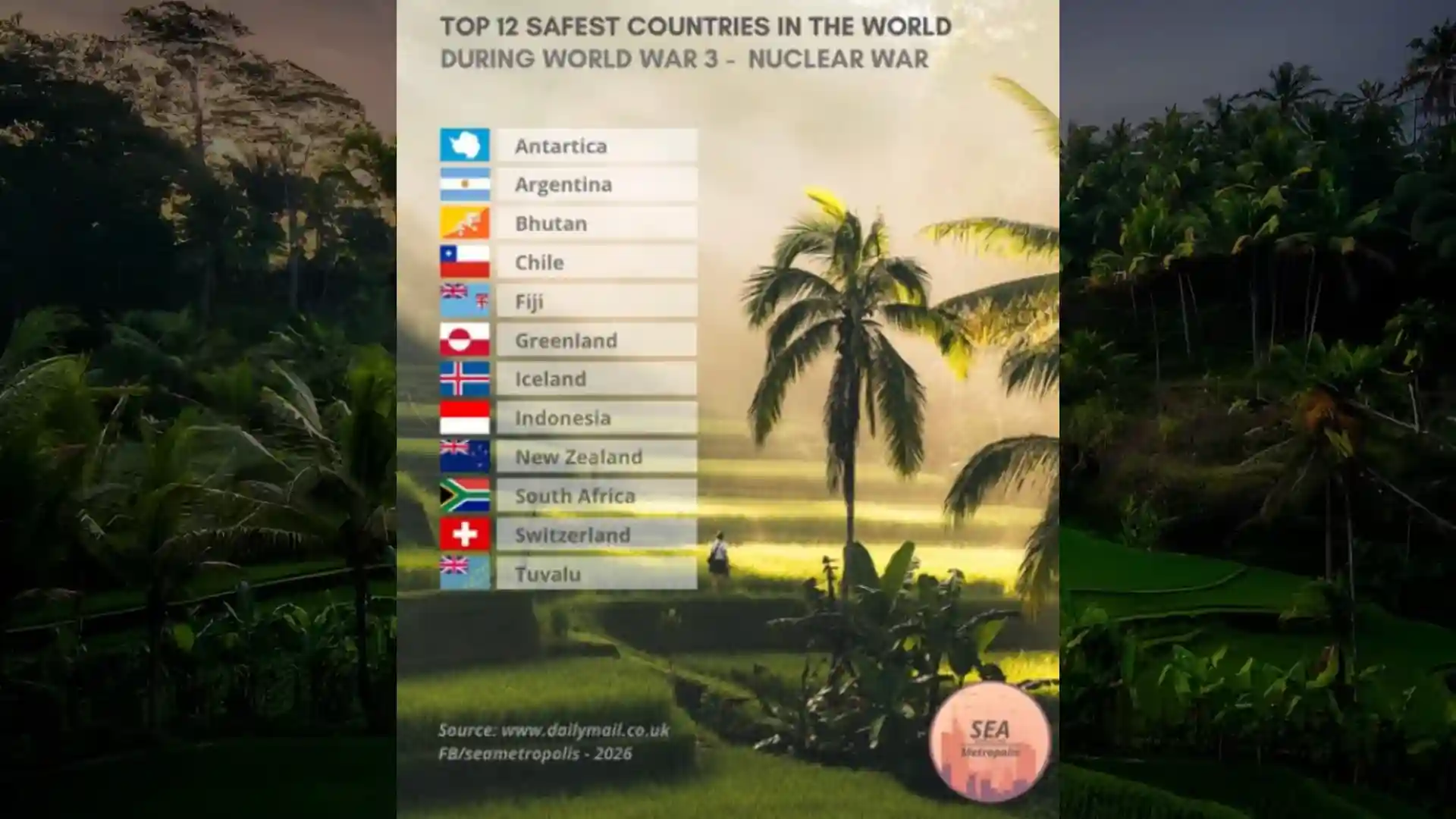
To understand why Bali remains safe, you need to look at Indonesia’s role on the global stage. Unlike countries directly involved in geopolitical conflicts, Indonesia maintains a non-aligned and neutral foreign policy, which plays a major role in keeping the country stable and unaffected by global tensions.
Indonesia is not part of any active military conflict, and its political focus remains heavily centered on economic growth, domestic stability, and tourism development. This stability directly benefits Bali, which is one of the country’s most important international destinations.
- 🇮🇩 Indonesia is politically stable and not involved in global conflicts
- Maintains a neutral geopolitical stance (non-aligned position)
- Strong focus on tourism as a key economic sector
- Bali is treated as a priority tourism zone, with safety as a key concern
Recent reports also indicate that Bali’s tourism sector remains stable despite global geopolitical tensions, with no significant disruption to travel activity or visitor flow.
What this means for you:
You’re traveling to a destination that is geopolitically insulated, stable, and highly dependent on keeping visitors safe and comfortable.
Does Global Conflict Affect Bali Travel?
This is where many travelers get it wrong. The impact of global tensions on Bali is mostly indirect, and often psychological rather than physical.
You might notice some secondary effects, especially when it comes to planning your trip. For example, global uncertainty can influence flight prices, travel demand, or even how early people book their trips. But these are logistical or economic effects, not safety threats on the ground.
- Flights continue normally, though prices may fluctuate
- Travel demand may shift, affecting crowd levels seasonally
- Travel insurance awareness increases during global uncertainty
What you won’t see in Bali:
- No armed conflict or military presence
- No travel bans specifically targeting Bali
- No disruption to daily tourism activities
Safety in Bali: What You Should Actually Be Aware Of
After understanding that global geopolitical tensions don’t directly impact Bali, the next question becomes more relevant to your trip: what should you actually be aware of when you’re there?
Because the truth is, Bali is generally safe, but not risk-free. Just like any popular destination, the real risks here are not about war or global conflict, but about everyday travel situations that you can easily manage with the right awareness.
Here’s what truly matters for your safety in Bali:
1. Traffic & Road Safety (Your Biggest Real Risk)
If there’s one thing you shouldn’t underestimate in Bali, it’s the traffic. Roads can be chaotic, especially in busy areas like Canggu, Seminyak, and Ubud. Motorbikes dominate the streets, traffic rules can feel loose, and road conditions vary depending on the area.
- Many travelers underestimate how challenging riding a scooter can be
- Traffic congestion is common in tourist hotspots
- Accidents are one of the most common issues involving visitors
What you should do:
If you’re not experienced, avoid riding a scooter and use a private driver or ride-hailing apps instead. It’s safer, more relaxing, and often more affordable than you think.
2. Petty Crime & Scams (Low Risk, But Still Exists)
Bali is not a high-crime destination, but like anywhere with a large number of tourists, petty crime can happen, especially in crowded areas.
- Phone snatching can occur on busy streets
- Card skimming or suspicious ATM setups in isolated spots
- Money exchange scams with unofficial vendors
What you should do:
Stick to reputable ATMs, avoid displaying valuables openly, and use trusted money changers. A little awareness goes a long way here.
3. Health & Hygiene Considerations
This is something many travelers don’t think about enough before arriving. Bali’s tropical environment means you’ll need to adjust slightly, especially when it comes to food, water, and weather.
- Tap water is not safe to drink
- “Bali belly” (traveler’s diarrhea) can happen if you’re not careful
- Heat and humidity can be intense, especially during certain months
What you should do:
Drink bottled or filtered water, choose clean and busy restaurants, and stay hydrated. Most health issues here are mild and avoidable.
4. Natural Factors (Weather & Environment)
Bali’s environment is generally safe, but there are a few natural conditions you should be aware of depending on when you visit.
- Heavy rain during wet season (can affect mobility)
- Strong ocean currents at certain beaches
- Active volcano monitoring (rarely impacts tourism directly)
What you should do:
Check weather conditions, follow local safety signs at beaches, and stay updated—but there’s no need to worry excessively.
So, Is Bali Still Worth Visiting in 2026?
After everything you’ve seen, from global tensions to the actual on-the-ground reality in Bali, the answer becomes much clearer.
Yes, Bali is still absolutely worth visiting in 2026.
Global conflicts may dominate the headlines, but they don’t define your experience in Bali. What truly shapes your trip is how you plan it, how you move around the island, and how well you understand the local environment.
And when you look at it objectively, Bali remains one of the few destinations that offers a rare balance of safety, culture, nature, and accessibility.
What makes the difference isn’t just whether you visit Bali, but how you experience it.
That’s where having the right guidance becomes important. Instead of figuring everything out on your own, many travelers choose to explore Bali with a clearer plan, better local insight, and a smoother experience overall.
Through Bali Island Vacations, you can approach your trip with more confidence, knowing that your itinerary, timing, and logistics are aligned with real conditions on the island.
FAQs About Bali Safety in 2026
Is Bali safe right now in 2026?
Yes, Bali is currently safe to visit in 2026. The island remains politically stable, unaffected by global conflicts, and continues to operate normally for international tourism.
Is Bali affected by global conflicts?
No, Bali is not directly affected by global conflicts. Most geopolitical tensions are region-specific and do not impact daily life, safety, or travel conditions in Bali.
Is Indonesia safe politically?
Yes, Indonesia is politically stable and maintains a neutral stance in global geopolitics. This stability plays a key role in keeping destinations like Bali safe for travelers.
Is Bali safer than other destinations?
In many ways, yes. Compared to destinations directly affected by political unrest or conflict, Bali is considered relatively safe, with risks mostly limited to common travel situations like traffic or minor scams.
What are the biggest risks in Bali?
The biggest risks in Bali are not related to global conflict, but to local conditions such as traffic accidents, petty theft, and minor health issues like food hygiene. These are manageable with basic travel awareness.
To help you plan your trip with more clarity and confidence, here are a few essential guides you can explore:
- Best and Worst Time to Visit Bali: Complete Guide for Weather, Crowds & Prices
- Bali Public Holidays 2026: Full Dates, Nyepi Guide & Travel Tips
- Bali Travel Trends in 2026: What Is Changing and What It Means for You
- When Is Bali Low Season? Full Guide to Weather, Crowds & Best Months
- Summer Holidays in Bali: Best Places, Weather, Things to Do & Travel Tips