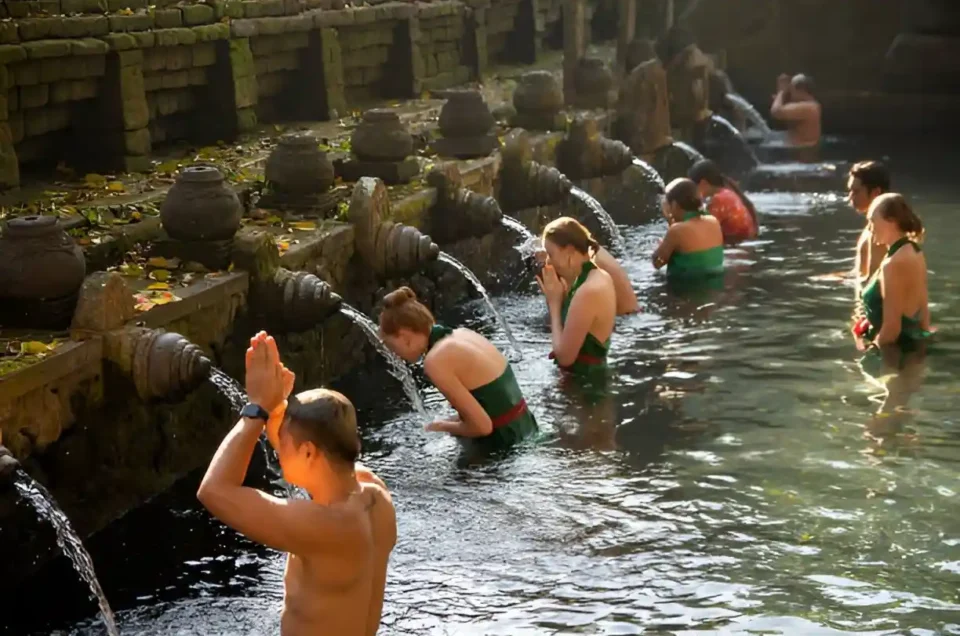

Bali is still one of the most popular travel destinations in the world, and 2026 is a great time to visit as tourism continues to grow with better facilities and experiences across the island.
Planning a trip to Bali can feel confusing because every area offers something different, from beaches and temples to nature and nightlife. Here’s what you need to know to plan your trip more easily and choose the right experiences for you.
This guide explains everything from when to visit and where to go to costs, transportation, and travel tips so you can prepare with confidence before arriving in Bali.
Quick Answer: Is Bali Worth Visiting in 2026?
Yes, Bali is worth visiting in 2026 because the island offers beautiful landscapes, rich culture, affordable travel options, and a wide range of activities for different types of travelers, supported by well developed tourism infrastructure that makes visiting relatively easy.
What Has Changed in Bali for 2026?
By 2026, Bali is moving toward a more sustainable, regulated, and higher quality tourism model, with new policies and infrastructure designed to improve visitor experience while protecting the island’s culture and environment. Travelers will notice smoother entry processes, stronger tourism management, and growing interest in wellness and eco focused experiences compared to previous years.
Here are the most important changes shaping Bali in 2026:
- More Advanced Entry and Visa Systems
Immigration is becoming increasingly digital, with expanded auto gates and improved electronic visa on arrival systems that make entry faster for many international travelers. There is also growing discussion around visitor screening policies aimed at encouraging responsible tourism. - Shift Toward Quality Tourism
Authorities are promoting longer stays, higher value experiences, and cultural respect rather than mass tourism. This includes curated events throughout the year to reduce overcrowding during peak seasons. - Stronger Sustainability Initiatives
Eco tourism, waste reduction programs, and community based travel experiences are receiving more attention, with visitors encouraged to support local businesses and environmentally responsible activities. - New Tourism Developments and Emerging Areas
While popular destinations like Canggu and Seminyak remain busy, quieter areas such as Seseh, Cemagi, Sidemen, and parts of North Bali are gaining popularity among travelers seeking more relaxed environments. - Growth of Wellness and Medical Tourism
Bali continues to position itself as a global wellness destination, with new retreats, health focused resorts, and medical tourism facilities developing, especially in areas like Ubud and Sanur. - Improved International Connectivity
Additional international flight routes and airport capacity improvements are making Bali more accessible from major global cities compared to previous years.
Overall, Bali in 2026 offers a more mature travel experience where visitors can enjoy better organization, more diverse destinations, and a stronger focus on sustainability without losing the cultural charm that makes the island unique.
Best Places to Visit in Bali in 2026
One of the most important things to understand when planning your trip is that Bali is not just one destination. Each area offers a completely different experience, from cultural towns and beach hubs to quiet mountains and tropical islands.
Here are some of the best places to visit in Bali in 2026 based on different travel styles and interests.
1. Ubud: Culture, Nature, and Relaxation

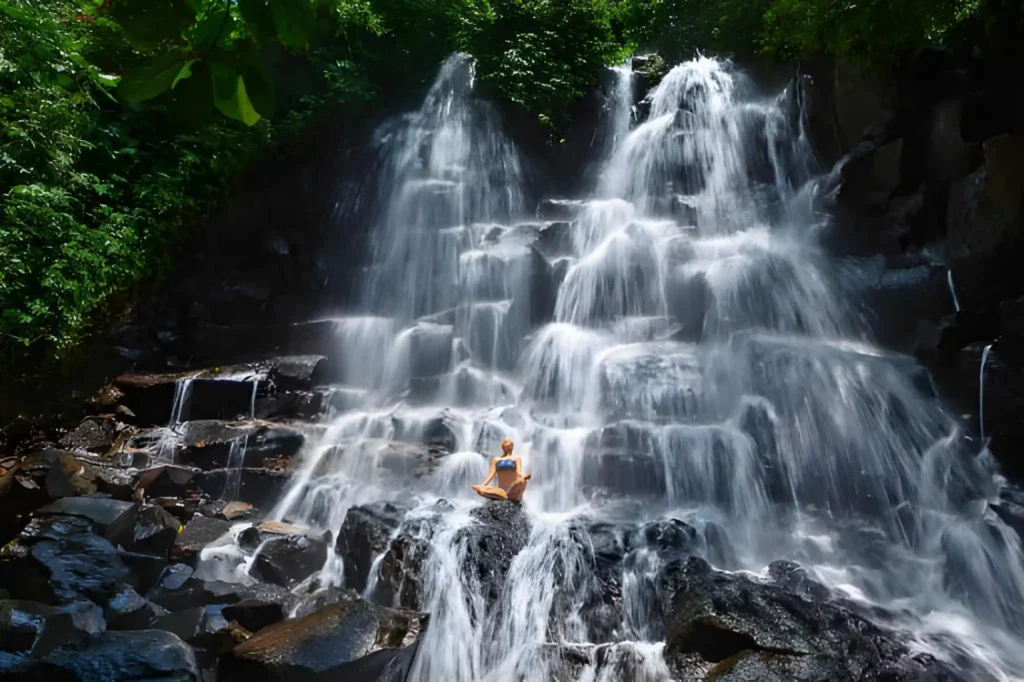

If you want to experience the cultural side of Bali while being surrounded by nature, Ubud is often the best place to start. The area feels calmer than the beach towns and offers a mix of temples, rice terraces, wellness activities, and scenic landscapes that make it popular with couples, solo travelers, and families.
What you can experience in Ubud:
- Walking through the Sacred Monkey Forest
- Visiting the famous Tegallalang rice terraces
- Exploring waterfalls and jungle scenery
- Joining yoga or wellness activities
- Discovering traditional Balinese culture
2. Uluwatu: Cliffs, Beaches, and Sunset Views

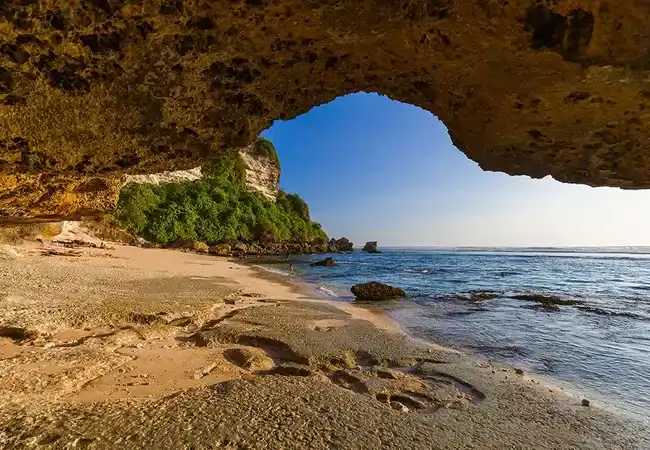
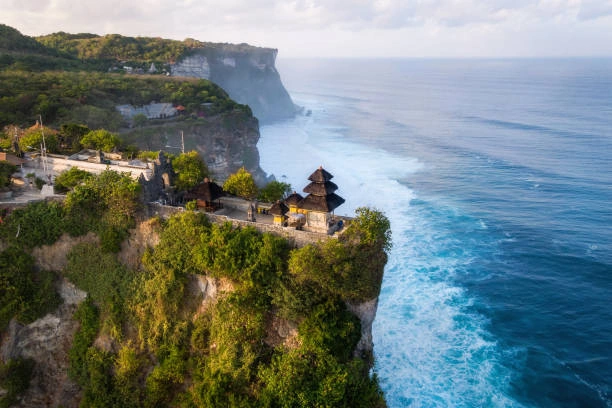
Uluwatu is known for dramatic ocean cliffs and some of the most beautiful sunset views in Bali. If you enjoy scenic landscapes, beach days, and a more relaxed atmosphere compared to busy towns, this area can be a great choice.
What you can experience in Uluwatu:
- Watching sunset at Uluwatu Temple
- Seeing the traditional Kecak fire dance
- Relaxing on white sand beaches like Padang Padang
- Visiting beach clubs with ocean views
- Surfing or enjoying coastal scenery
3. Canggu: Cafes, Beach Lifestyle, and Social Vibe

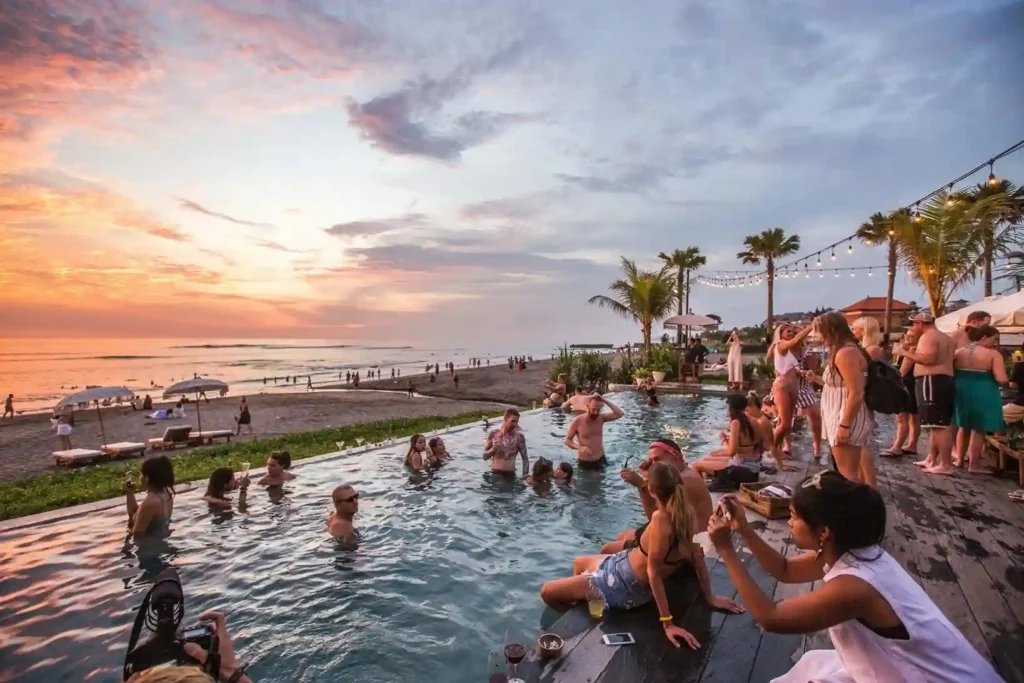
If you like trendy cafes, beach clubs, and a lively atmosphere, Canggu is one of the most popular areas in Bali right now. Many digital nomads and younger travelers choose to stay here because there is always something happening, from surfing during the day to nightlife in the evening.
What you can experience in Canggu:
- Exploring stylish cafes and restaurants
- Watching sunset at beach bars
- Surfing beginner friendly waves
- Visiting co working spaces
- Enjoying nightlife and live music
4. Nusa Penida and Nusa Lembongan: Scenic Views and Adventure
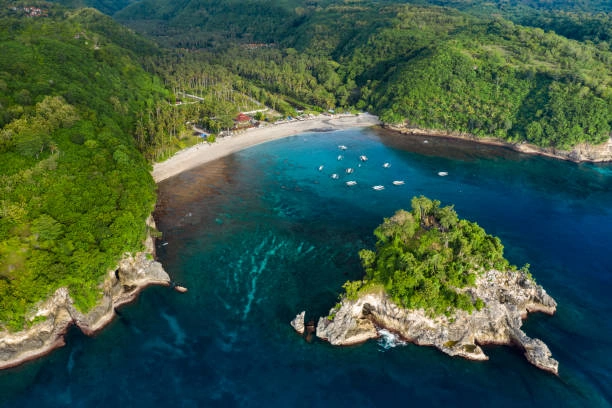
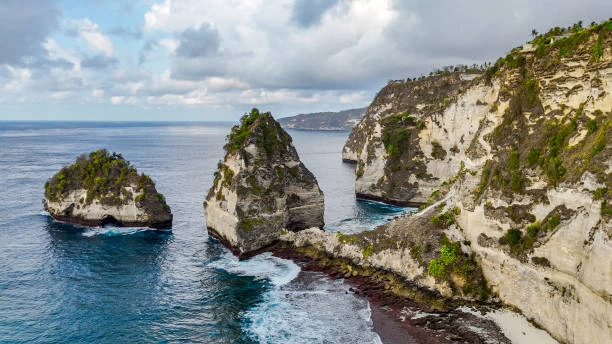
If you are looking for dramatic landscapes and iconic photo spots, the islands near Bali offer a completely different experience. Nusa Penida especially is famous for cliffs, turquoise water, and beaches that look almost unreal.
What you can experience on the islands:
- Visiting Kelingking Beach viewpoints
- Exploring Diamond Beach and coastal cliffs
- Snorkeling with manta rays
- Taking boat tours around the islands
- Enjoying less crowded natural scenery
5. Seminyak and Nusa Dua: Comfort and Luxury
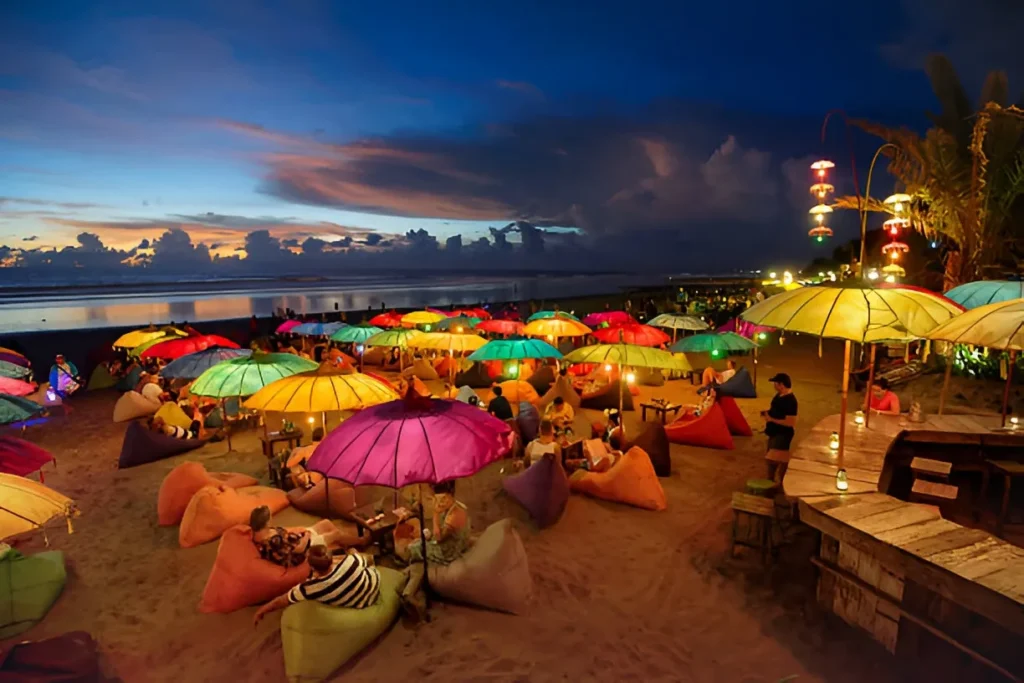
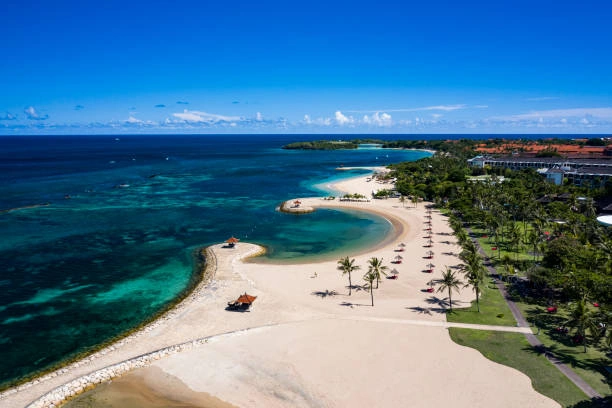
If comfort and convenience are your priorities, Seminyak and Nusa Dua are excellent options. These areas have many resorts, spas, restaurants, and easy access to services, which makes them ideal for honeymooners, families, and first time visitors.
What you can experience here:
- Staying in private villas or beachfront resorts
- Relaxing at beach clubs
- Enjoying international dining options
- Shopping and spa treatments
- Swimming at calmer beaches
6. Amed and North Bali: Quiet Beaches and Local Atmosphere

If you prefer a slower pace and fewer crowds, Amed and northern Bali offer a more peaceful environment. The scenery feels different here, with volcanic beaches, fishing villages, and mountain views creating a more authentic atmosphere.
What you can experience in this region:
- Snorkeling and diving in coral reefs
- Visiting traditional coastal villages
- Enjoying volcano and ocean views
- Relaxing away from busy tourist areas
- Exploring hidden beaches
7. Munduk and Sidemen: Mountains, Rice Fields, and Nature
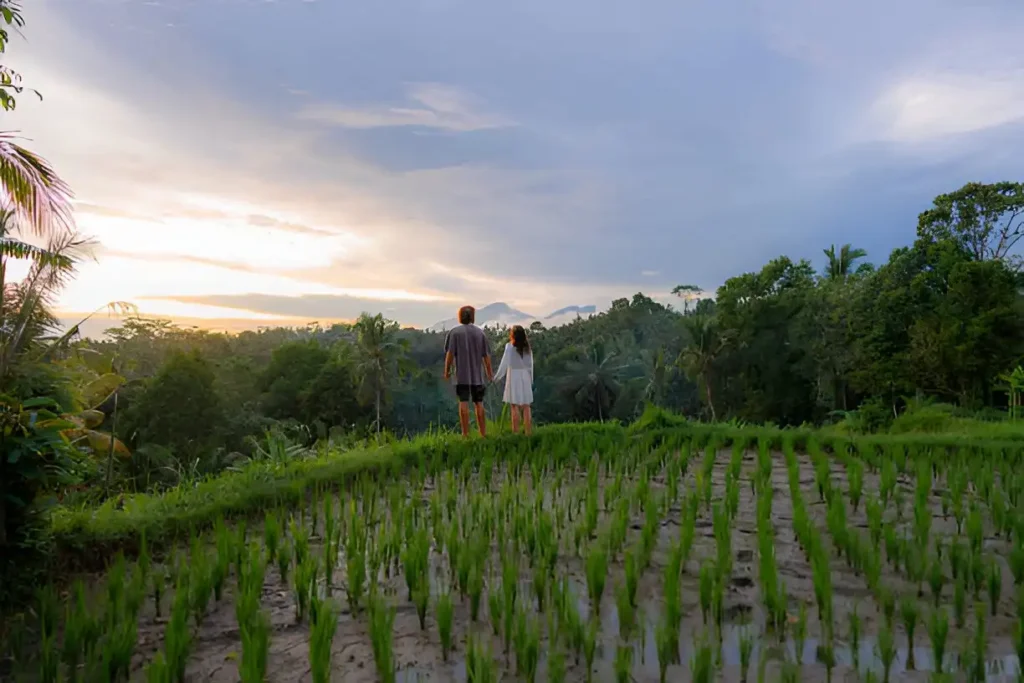
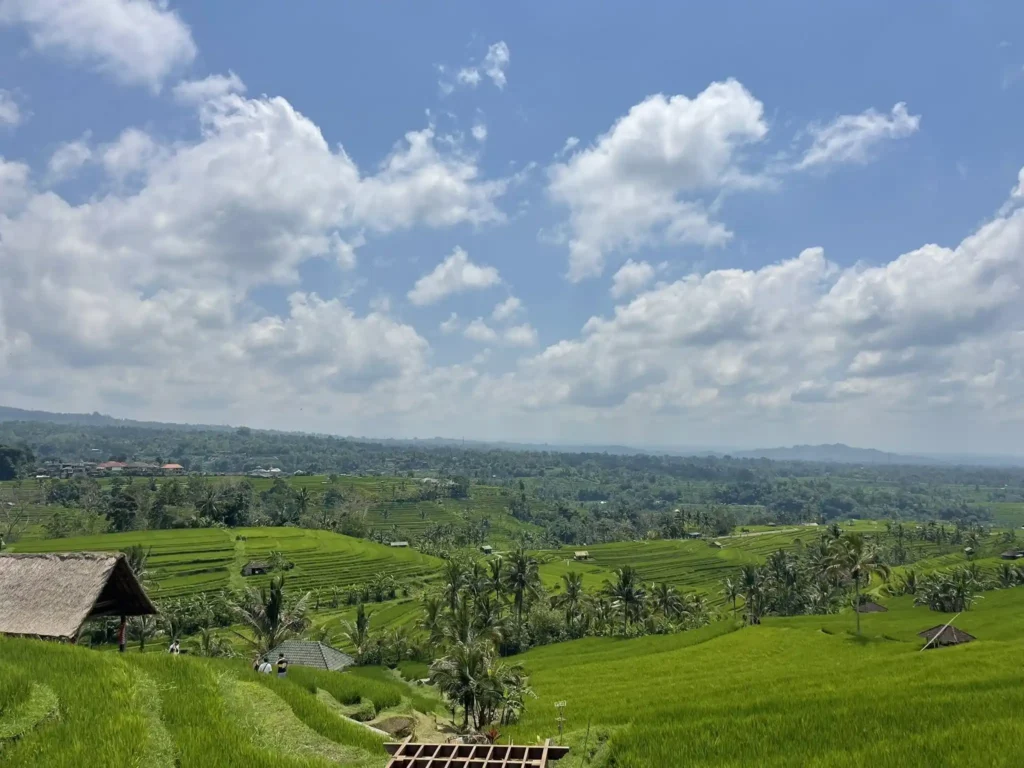
For travelers who love green landscapes and cooler temperatures, Munduk and Sidemen are becoming increasingly popular. These areas are perfect if you want to experience Bali’s countryside with waterfalls, rice terraces, and quiet surroundings.
What you can experience here:
- Hiking to waterfalls
- Walking through rice fields
- Staying in eco friendly resorts
- Enjoying mountain scenery
- Experiencing traditional village life
Best Time to Visit Bali in 2026
The best time to visit Bali mostly depends on what kind of experience you want, but in general, the dry season from April to October offers the most comfortable weather with more sunshine and lower humidity. During these months, outdoor activities like beaches, temple visits, hiking, and island tours are easier to enjoy.
If you want the best balance between good weather and manageable crowds, certain months stand out more than others.
Best Months Overall (Weather and Crowds Balance)
Many travelers consider May, June, and September the ideal time to visit Bali. You can usually expect sunny days, comfortable temperatures, and fewer crowds compared to peak season, which also means prices are often more reasonable.
These months are especially good if you want to:
- Explore multiple areas without heavy traffic
- Enjoy beaches and outdoor activities comfortably
- Avoid the highest accommodation prices
- Experience Bali with a more relaxed atmosphere
Dry Season (Best Weather for Activities)
The period from May to September is the most reliable for clear skies and outdoor adventures. This is the best time for surfing, snorkeling, diving, hiking Mount Batur, and visiting scenic viewpoints because rainfall is minimal.
You will generally experience:
- Sunny days and blue skies
- Lower humidity compared to rainy months
- Better ocean visibility for water activities
- Easier travel between destinations
Shoulder Season (Good Value with Decent Weather)
April and October are often underrated months that offer a good combination of weather and value. Rain is still possible, but it is usually shorter and less disruptive compared to the peak rainy season.
These months can be a smart choice if you want:
- Lower hotel prices
- Fewer tourists at attractions
- Pleasant weather most of the time
- Better availability for tours and activities
Rainy Season (Budget and Fewer Crowds)
From November to March, Bali experiences its rainy season. Rain typically comes in short tropical showers rather than all day storms, but humidity is higher and outdoor plans can sometimes be affected.
However, this period can still be appealing if you prefer:
- Lower travel costs
- Fewer crowds
- Greener landscapes and rice fields
- A quieter atmosphere
Peak Season to Be Aware Of
The busiest times in Bali are July, August, and the Christmas and New Year period. Prices are higher, popular attractions are crowded, and traffic can be heavier, although the weather is usually excellent.
If you plan to visit during peak season, booking accommodation and activities in advance becomes more important.
How To Getting Around Bali In 2026
Transportation in Bali is relatively affordable, but travel times can be longer than expected due to traffic and road conditions. Choosing the right transport option depends on your comfort level, budget, and travel style.
Here are the main ways you can get around the island.
1. Private Driver (Most Recommended)
Hiring a private driver is the most popular choice for visitors because it is convenient, comfortable, and surprisingly affordable, especially for full day sightseeing.
You get:
- Flexible itinerary
- Local knowledge from the driver
- Air conditioned vehicle
- Door to door service
- Good value for groups or couples
Most travelers hire drivers for day trips between regions or when visiting multiple attractions in one day.
2. Scooter Rental (Best for Experienced Riders)
Scooters are the cheapest way to travel around Bali and are commonly used by locals and long stay visitors. However, traffic can be busy, and road conditions vary, so this option is best only if you are confident riding.
Advantages include:
- Low cost
- Easy parking
- Flexibility to explore independently
Safety should always be a priority, including wearing a helmet and having proper travel insurance.
3. Ride Hailing Apps (Grab and Gojek)
Ride apps are widely available in tourist areas and work well for short distances like restaurant visits or transfers within towns.
They are useful for:
- Short trips within cities
- Airport transfers in some areas
- Affordable point to point transport
However, availability may be limited in certain regions due to local transport regulations.
4. Taxis and Hotel Transfers
Traditional taxis and hotel arranged transport are also available, although they are usually more expensive than ride apps. They can still be convenient for airport pickups or late night travel.
Travel Time Reality in Bali
One important thing many visitors underestimate is travel time. Distances may look short on the map, but traffic can significantly increase journey duration.
For example:
- Seminyak to Ubud: about 1 to 1.5 hours
- Airport to Uluwatu: about 45 to 90 minutes
- Canggu to Ubud: about 1.5 hours or more
Planning your itinerary based on regions rather than daily long distance travel can make your trip much more enjoyable.
Bali Travel Cost in 2026
One of the reasons Bali continues to attract travelers in 2026 is the flexibility of its pricing. You can travel very affordably or enjoy luxury experiences without reaching the cost levels of many other international destinations. Your total budget will mostly depend on where you stay, how you move around, and how many activities you plan to do each day.
On average, most visitors spend around $40 to $150+ per person per day, with budget travelers spending less and luxury travelers spending significantly more.
Here is what you can realistically expect when planning your trip.
Accommodation Costs
Accommodation is usually the biggest expense, but Bali offers a wide range of options across all price levels.
- Budget guesthouses and hostels: $10 to $25 per night
- Mid range hotels or private villas: $40 to $120 per night
- Luxury resorts and high end villas: $150 to $500+ per night
Prices increase during peak season, especially in July, August, and the Christmas period. Booking early can make a noticeable difference, particularly for popular areas.
A useful tip is that private villas often provide better value if you are traveling as a couple or group because you can split the cost.
Food Prices
Food in Bali can be extremely affordable or quite premium depending on where you eat.
- Local restaurants (warung): $2 to $5 per meal
- Cafes and casual dining: $5 to $12
- Western restaurants: $10 to $25
- Fine dining experiences: $30+ per person
Many travelers mix local meals with occasional restaurant dining, which helps keep daily spending balanced without sacrificing experience.
Transportation Costs
Transportation is relatively affordable compared to most tourist destinations, and there are several ways to get around depending on your comfort level.
- Scooter rental: $5 to $10 per day
- Private driver for a full day (8 to 10 hours): $40 to $70
- Ride hailing apps (Grab or Gojek): $2 to $10 per trip
- Airport transfers: $15 to $35 depending on distance
Hiring a private driver is one of the most popular options because it combines convenience, local knowledge, and good value when visiting multiple attractions in one day.
Activities and Experiences
Activities can vary widely in price, but Bali offers excellent value compared to many destinations worldwide.
- Temple entrance fees: $1 to $5
- Waterfalls and attractions: $2 to $10
- Snorkeling or island tours: $25 to $80
- Adventure tours (ATV, rafting, etc.): $40 to $90
- Mount Batur sunrise trek: $35 to $70
- Spa treatments: $10 to $40+
You do not need to spend heavily every day because many experiences, including beaches, rice fields, and viewpoints, are free or very inexpensive.
Realistic Daily Budget Examples
A helpful way to estimate your trip is by looking at typical travel styles:
Budget traveler
$40 to $60 per day
Guesthouse stay, local food, scooter rental, limited paid activities.
Comfort traveler
$70 to $130 per day
Mid range hotel or villa, mix of cafes and local food, private drivers for tours, several activities.
Luxury traveler
$150 to $400+ per day
Private villas or resorts, fine dining, premium experiences, private transport.
Your actual spending depends more on accommodation choices than anything else.
Hidden Costs to Consider
Some travelers underestimate small expenses that can add up:
- Attraction parking and entrance fees
- Tips for drivers or guides
- Boat transfers to islands
- Travel insurance
- International flight costs (not included above)
Planning a small buffer in your budget helps avoid surprises.
If you want a detailed breakdown of what travelers typically spend across accommodation, food, transport, and activities, you can read the full guide here: Bali Travel Cost Breakdown in 2026: What You Actually Spend.
How Many Days in Bali Is Enough
The ideal length of your trip depends on how many areas you want to explore, but most travelers find that 5 to 10 days is a comfortable amount of time to experience Bali without feeling rushed.
Because the island offers very different environments such as beaches, mountains, temples, and nearby islands, staying longer allows you to enjoy each region more slowly rather than spending too much time in traffic.
Here is a simple guideline to help you decide.
- 3 to 4 days
Good for a short getaway focused on one main area like Ubud or Seminyak. You will see highlights but the trip may feel rushed. - 5 to 7 days
Ideal for first time visitors. You can combine two regions, for example Ubud with a beach area, and still have time for day trips and activities. - 8 to 10 days
Highly recommended if you want a relaxed experience. This allows you to explore multiple areas, take a day trip to islands like Nusa Penida, and include adventure or cultural experiences. - 10+ days
Perfect if you want to travel slowly, visit quieter regions like North Bali or Sidemen, or combine relaxation with exploration.
Helpful tips for you: avoid changing hotels too frequently. Staying at two or three bases during your trip usually creates a more enjoyable experience.
Travel Tips for Visiting Bali in 2026
To enjoy Bali smoothly in 2026, you do not need complicated planning. What helps most is understanding how the island actually works on the ground. The tips below combine practical logistics with local travel realities so you can maximize your time, budget, and overall experience.
- Plan your days by area
Bali traffic can be unpredictable, so grouping nearby places into one route saves hours. For example, if you stay near Ubud, focus on rice terraces, waterfalls, and temples in that region instead of crossing the island in one day. - Start activities early in the morning.
Popular spots become crowded after 10 AM. Early visits mean cooler temperatures, softer lighting for photos, and a more peaceful atmosphere. - Use private drivers for full day exploration.
Hiring a driver is often the most efficient option for sightseeing days because you avoid navigation stress, parking issues, and long negotiation times. - Carry small cash for daily expenses.
Many local businesses, parking attendants, and entrance tickets still prefer cash. Having small bills prevents inconvenience. - Dress appropriately for temples and cultural sites.
Modest clothing is required. Lightweight pants, covered shoulders, and a sarong make temple visits easier and more respectful. - Stay hydrated and protect yourself from the sun.
The tropical climate is stronger than many travelers expect. Sunscreen, hats, and water are essential, especially during outdoor tours. - Leave space for spontaneous discoveries.
Some of the best experiences happen unexpectedly, like finding a hidden café, scenic viewpoint, or quiet village road during your journey.
Mistakes to Avoid When Traveling in Bali
Bali is beginner friendly, but certain assumptions can reduce your trip quality. Avoiding the common mistakes below will help you travel more comfortably and realistically.
- Underestimating travel time between locations.
Distances may look short on maps, but traffic congestion can double or triple travel duration, especially in southern Bali. - Trying to visit too many regions in one trip.
Constant moving leads to fatigue. Focusing on fewer areas allows deeper experiences and more relaxation. - Assuming every location looks like social media photos.
Many famous spots are crowded during peak hours. Visiting early or choosing lesser known alternatives often creates better experiences. - Taking a rushed day trip to Nusa Penida.
Nusa Penida has long travel times and rough roads. Overnight stays provide a much more enjoyable pace. - Ignoring weather and seasonal patterns.
Bali has dry and rainy seasons. Planning outdoor activities without checking forecasts can disrupt schedules. - Overpacking your itinerary every day.
Bali is also about relaxation. Scheduling downtime improves overall enjoyment and prevents burnout. - Not budgeting for experiences.
Activities like tours, spas, and island trips add up quickly. Planning an activity budget avoids surprises.
If you are still planning your itinerary or comparing experiences, you can also explore our Bali travel guides below for more detailed insights, destination ideas, and practical tips to help you design the trip that fits your travel style.
- Best Places to Visit in Bali for Your First Trip
- What Is Bali Famous For? Why the Island of Gods Feels So Different
- 6 Luxury Things to Do in Bali for a Calm and Elevated Escape
- 15+ Non Touristy Things to Do in Bali When You Want Quieter Places
Starts Your Bali Trip With the Right Plan
Planning a trip to Bali in 2026 becomes much easier when you understand timing, costs, transportation, and realistic travel pace. Once those pieces are clear, you can focus on what really matters — enjoying the island instead of figuring things out on the go.
If you want a smoother experience with curated itineraries, trusted local insights, and flexible travel planning, you can explore options through Bali Island Vacation, where trips are designed around how travelers actually experience Bali today.
The island offers something for every travel style, whether you are looking for relaxation, adventure, culture, or a mix of everything. With the right preparation, Bali is not just a destination, it becomes one of the most memorable trips you will ever take.
Frequently Asked Questions About Visiting Bali in 2026
Is Bali worth visiting in 2026?
Yes. Bali remains one of the best destinations in Southeast Asia in 2026 because it offers diverse experiences, good infrastructure for tourism, and travel options for multiple budgets.
How many days do you need in Bali?
Most travelers need 7 to 10 days to explore Bali comfortably. Short trips of 4 to 5 days are possible, but longer stays allow you to visit multiple regions without rushing.
What is the best month to visit Bali in 2026?
May, June, and September are considered the best months because they combine dry weather, lower humidity, and fewer crowds compared to peak season.
Is Bali expensive for tourists?
Bali can be very affordable or luxury depending on your choices. Many travelers spend $35 to $150 per day per person, including accommodation, food, transport, and activities.
What is the cheapest time to visit Bali?
The cheapest period is typically November to March during the rainy season, when hotel prices drop and tourist crowds are lower.
Do you need a visa to visit Bali in 2026?
Many nationalities can obtain a Visa on Arrival (VOA) for Indonesia, which allows a 30 day stay and can usually be extended once. Requirements vary by country, so checking official regulations before travel is recommended.
What is the best way to get around Bali?
For sightseeing days, the most convenient option is hiring a private driver. Scooters are common for short distances, while ride apps work well in major tourist areas.
Is Bali safe for tourists?
Yes. Bali is generally safe for tourists, especially in established travel areas. Basic precautions such as protecting valuables and respecting local customs are recommended.