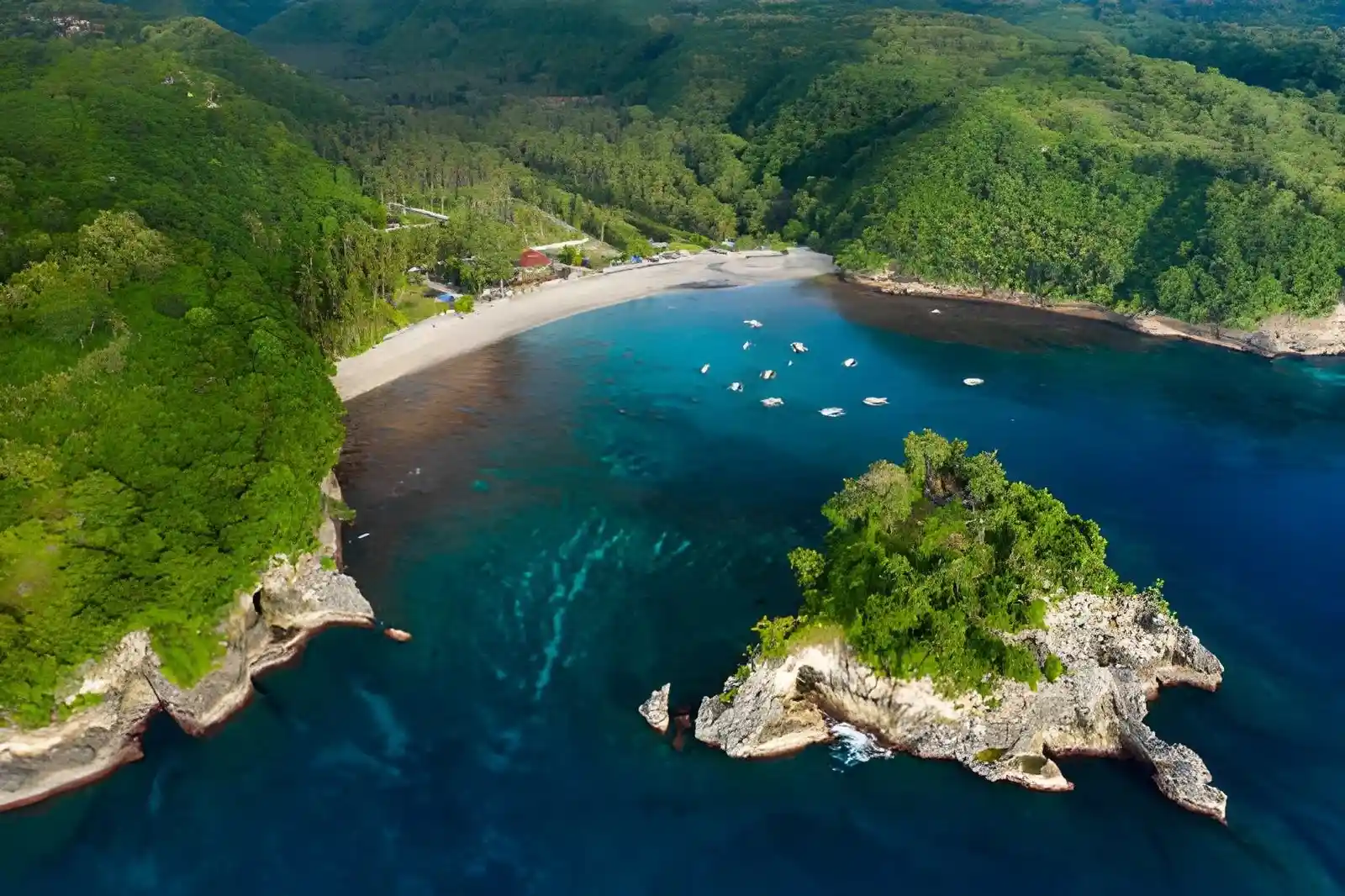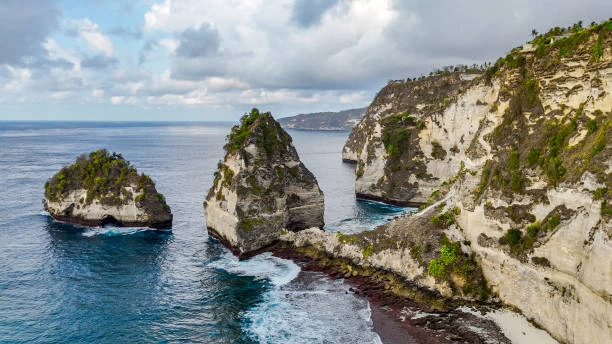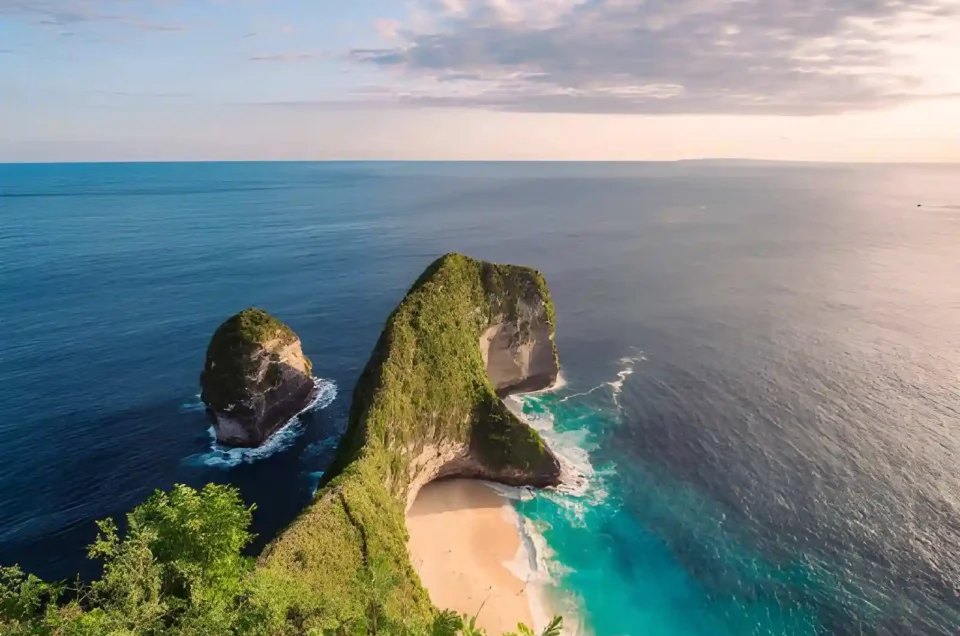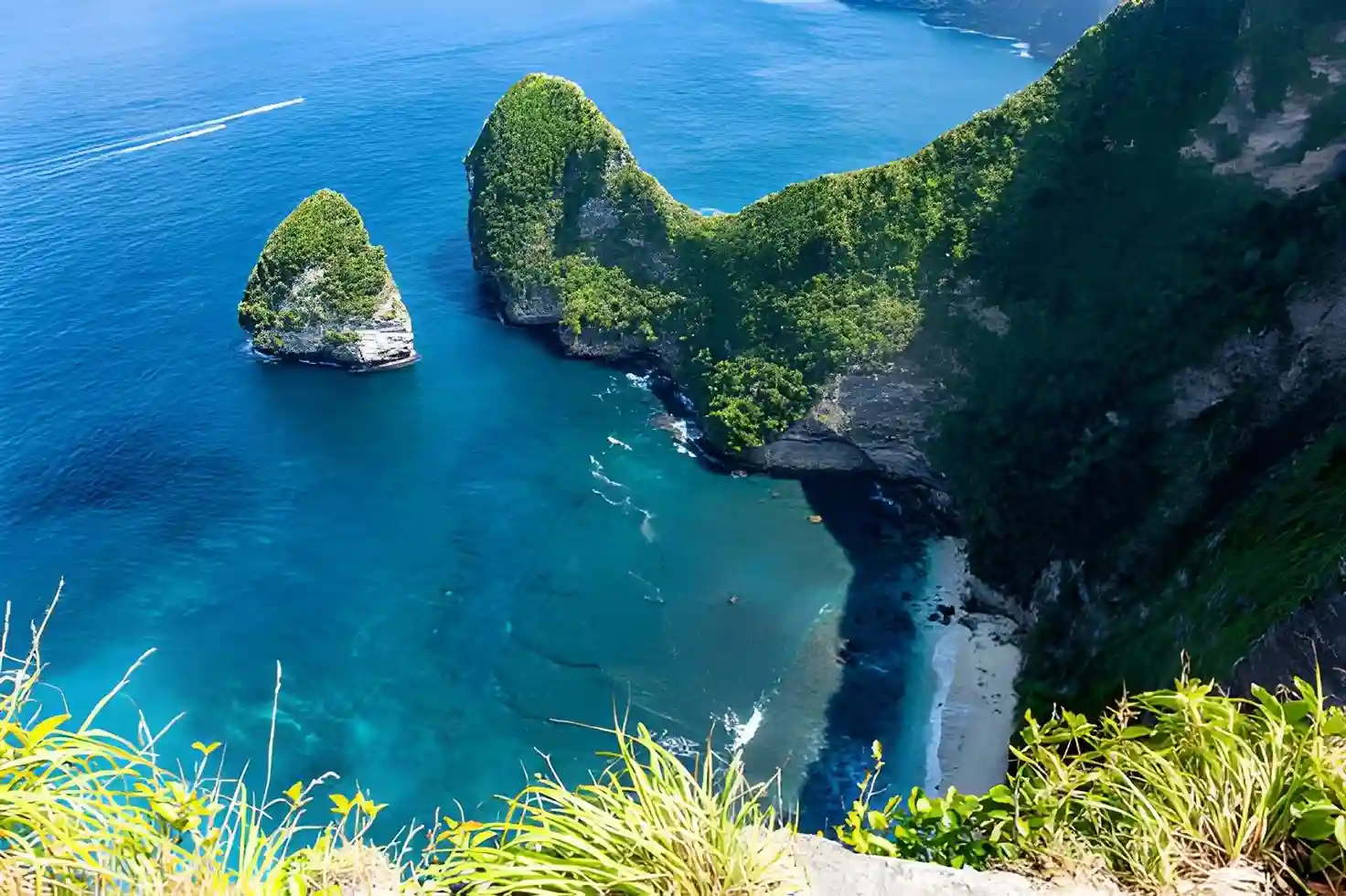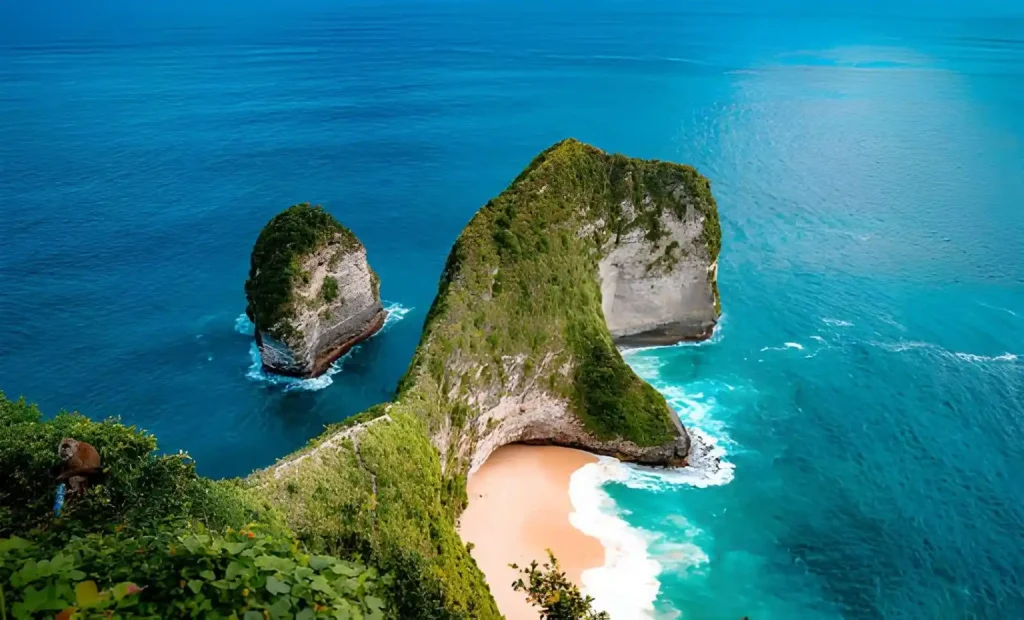
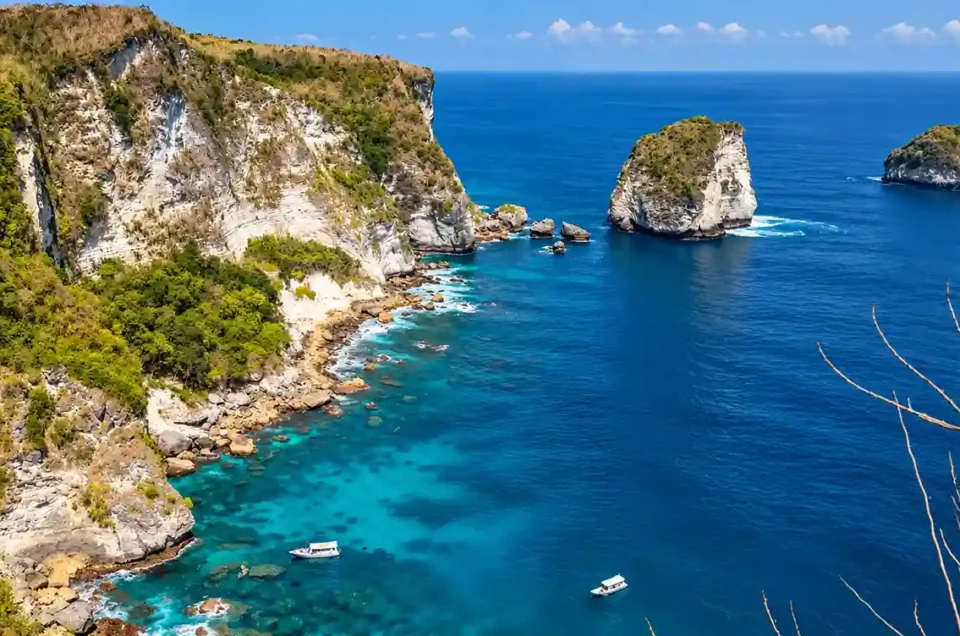
Manta Point is one of the most iconic marine experiences around Nusa Penida, Bali, known for encounters with reef manta rays in their natural environment.
Located off the island’s southwestern coast, the site is reached by boat and is best known for underwater areas where manta rays regularly gather around cleaning stations.
The experience is not simply about spotting a large marine animal. Manta Point combines open-ocean scenery, underwater wildlife, and the chance to observe manta rays behaving naturally.
You can experience the area through snorkeling or scuba diving, although the conditions around Nusa Penida mean that choosing the right operator and understanding the sea conditions are just as important as choosing the date.
What Is Manta Point Nusa Penida?
Manta Point is an offshore marine site on the southwestern coast of Nusa Penida, in Klungkung Regency, Bali. Unlike a conventional beach attraction, there is no road leading directly to the site. Access is by boat as part of a snorkeling or diving trip.
Its main attraction is the presence of reef manta rays, particularly around areas that function as cleaning stations. At these locations, manta rays may visit repeatedly while cleaner fish remove parasites and debris from their bodies.
This behavior is what makes Manta Point different from simply hoping to encounter a manta ray while swimming in the open ocean. The animals remain wild, however, so no sighting can ever be guaranteed.
What Can You See at Manta Point?
Manta rays are the main reason people come to Manta Point, but the surrounding marine environment can offer more than a single wildlife encounter.
Depending on the route, depth, visibility, and conditions, you may also encounter:
- Reef fish
- Other rays
- Sea turtles
- Reef sharks
- Coral and rocky underwater formations
- Manta rays moving through or around cleaning areas
The manta encounter itself can vary considerably. You may see one animal gliding through the water, several mantas circling in the same area, or a manta passing beneath you before disappearing into deeper blue water.
That unpredictability is part of the experience. Manta Point is a place to observe wildlife, not an attraction where animals appear on a fixed schedule.
You may also want to read this: 15 Things to Do in Nusa Penida: Beaches, Cliffs & Snorkeling Guide
Manta Point Nusa Penida Snorkeling
Snorkeling is one of the most accessible ways to experience manta rays around Nusa Penida because you do not need scuba certification to enter the water.
From the surface, a manta may appear below you as it glides through the water. Their large size and distinctive movement can make even a short encounter memorable.
However, snorkeling at Manta Point should not be treated like swimming at a sheltered beach. The southwestern coast of Nusa Penida is exposed to open-ocean conditions, and currents, swell, and visibility can change.
For a safer experience:
- Stay close to your guide.
- Follow the entry and exit instructions.
- Be honest about your swimming ability.
- Do not chase a manta that moves away.
- Keep enough energy for returning to the boat.
- Follow the operator’s decision if conditions are unsuitable.
A beginner can potentially enjoy manta snorkeling, but beginner-friendly does not mean current-free or risk-free.
Manta Point Nusa Penida Diving
For certified divers, Manta Point offers a different perspective because you can remain underwater around the areas where manta rays gather.
The site is particularly interesting because the cleaning-station environment can allow divers to observe manta behavior for longer rather than simply seeing an animal pass across the surface.
The broader Manta Point area includes sections at different depths, with some dive areas reaching roughly 20 meters or more depending on the exact site and route. Your dive depth should always match your certification, experience, and the conditions on the day.
Before diving, discuss the day’s conditions with your dive guide, especially:
- Current strength
- Visibility
- Planned depth
- Entry and exit points
- Certification and experience requirements
- Weather and sea conditions
The conditions on the day should determine the dive plan, not promotional photographs of the site.
Manta Point vs Manta Bay
Manta Point and Manta Bay are often grouped together when people search for manta experiences in Nusa Penida, but they are different marine areas and can offer different experiences.
| Manta Point | Manta Bay |
|---|---|
| Southwestern Nusa Penida | Southwest Nusa Penida |
| Famous for diving and cleaning stations | Known for manta encounters and feeding activity |
| Open-ocean conditions | Bay environment |
| Particularly relevant for scuba diving | Commonly included in snorkeling routes |
| Can involve stronger currents | Often shallower |
The choice is therefore not simply about which location has more manta rays. It depends on whether you want scuba diving, snorkeling, the type of manta behavior you hope to observe, and the sea conditions on your chosen day.
For snorkeling itineraries, Manta Bay may be included alongside other marine stops. For divers specifically looking for a well-known manta cleaning-station experience, Manta Point is the more relevant name to look for.
Best Time to Visit Manta Point Nusa Penida
Manta rays can be encountered around Nusa Penida throughout the year, so there is no single manta season that guarantees sightings.
For overall marine conditions, April to October is generally a favorable period, particularly when calmer seas and better underwater visibility make snorkeling and diving more comfortable.
The more important factor is the actual condition of the ocean on your travel date.
Keep in mind:
- April–October: Often favorable for marine activities and visibility.
- July–October: Can offer particularly good dry-season diving conditions.
- Wet season: Mantas remain present, but rain, swell, and changing sea conditions can affect trips.
- Any month: Manta sightings remain dependent on animal behavior and ocean conditions.
A good calendar date does not guarantee a good dive or snorkeling day. If the sea is rough, an experienced operator may change the route or cancel the trip rather than forcing an unsuitable departure.
How to Get to Manta Point Nusa Penida
Because Manta Point is offshore, you need to reach it by boat.
If you are already staying on Nusa Penida, your snorkeling or diving operator will normally arrange the boat departure from a suitable coastal point. If you are coming from mainland Bali, the journey generally involves taking a fast boat to Nusa Penida first, followed by land transportation to the departure point for your marine trip.
Do not build a tightly timed itinerary around the crossing. Boat schedules, road transfers, sea conditions, and marine departures can all affect the timing.
For a day trip from Bali, it is much easier when your boat transfer, land transportation, and snorkeling or diving activity are coordinated as one itinerary.
You may also want to read this: Nusa Penida Day Trip: Best Places to Visit + Sample Itinerary
How to Swim With Manta Rays Responsibly
The best manta encounter is one where the animal remains completely undisturbed.
Manta rays are wild animals, so the basic rule is simple: observe rather than interact.
When snorkeling or diving:
- Never touch, grab, ride, or feed a manta ray.
- Do not chase an animal that swims away.
- Keep a respectful distance.
- Avoid blocking its direction of movement.
- Follow your guide’s instructions around cleaning areas.
- Keep your movements calm and controlled.
- Do not use the encounter as a reason to ignore safety instructions.
If a manta chooses to approach you, remain calm and let the animal control the distance. This creates a better experience for both you and the wildlife.
You may also want to read this: 12 Best Viewpoints in Nusa Penida for Epic Cliff & Ocean Views
Is Manta Point Nusa Penida Worth Visiting?
So, is Manta Point worth visiting? If seeing manta rays in their natural environment is high on your Nusa Penida list, absolutely. The combination of dramatic open-ocean scenery, underwater life, and the possibility of watching manta rays glide through their natural habitat makes this one of the island’s most distinctive marine experiences.
The encounter is never guaranteed, which is precisely why the focus should be on experiencing the ocean and wildlife responsibly rather than simply chasing a photo.
If you’re planning to combine Manta Point with the wider Nusa Penida experience, Bali Island Vacations can help you connect the island’s marine highlights with its beaches, viewpoints, and other destinations in a practical itinerary.
That way, Manta Point becomes part of a well-rounded Nusa Penida experience rather than just another snorkeling stop.