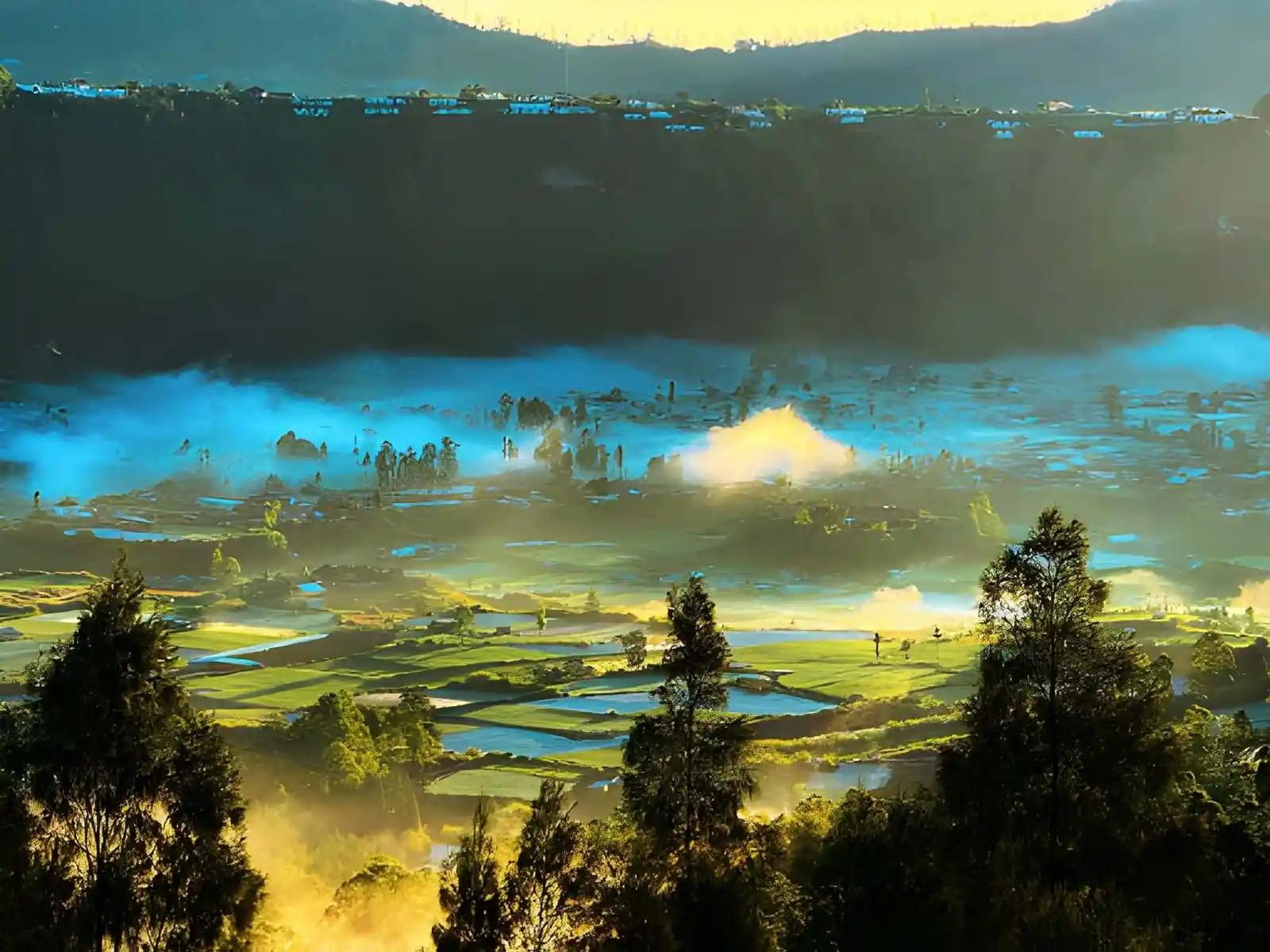
Kintamani remains one of the most rewarding places to visit in Bali, offering a completely different experience from the island’s beaches and coastal towns. Located in Bali’s central highlands, this mountain region is known for its panoramic views of Mount Batur and Lake Batur, refreshing temperatures, scenic cafés, and natural hot springs that make it a popular destination throughout the year.
If you’re planning to visit Kintamani in 2026, a little preparation can make your trip even more enjoyable. Knowing the best time to visit, how much time to spend, and what kind of experience to expect will help you make the most of your day in the mountains.
Whether you’re visiting Kintamani for the first time or returning to experience its spectacular landscapes again, this updated guide covers everything you need to know before your 2026 trip.
Is Kintamani Worth Visiting in 2026?
Yes. Kintamani is absolutely worth visiting in 2026. It remains one of Bali’s best destinations for nature lovers, photographers, couples, families, and anyone looking to experience the island’s volcanic landscapes, cooler climate, and slower pace away from the busy southern coast.
Unlike destinations known primarily for beaches or nightlife, Kintamani offers dramatic mountain scenery, fresh air, scenic viewpoints, and a combination of outdoor experiences that are difficult to find elsewhere in Bali.
It’s also an easy day trip from popular areas such as Ubud, Seminyak, Sanur, Canggu, and Nusa Dua, making it accessible even if you have limited time on the island.
Quick Overview
| Category | Details |
|---|---|
| Best For | Nature lovers, couples, families, photographers, café hopping, mountain scenery, hot springs |
| Recommended Time | Half day for the main highlights, or a full day for a more relaxed experience |
| Top Highlights | Mount Batur, Lake Batur, Black Lava fields, scenic cafés, coffee plantations, natural hot springs |
| Best Time to Visit | Early morning for clearer views, cooler temperatures, and lighter traffic |
| Travel Style | Ideal as a private day trip or part of a customized Bali itinerary |
Best Things to Do in Kintamani in 2026
Kintamani offers far more than a single viewpoint overlooking Mount Batur. Whether you’re interested in outdoor adventures, scenic cafés, volcanic landscapes, cultural landmarks, or simply escaping Bali’s warmer coastal areas, there’s enough to fill a memorable day—or even longer if you prefer a slower pace.
Here are some of the best experiences to include when visiting Kintamani in 2026.
1. Watch the Sunrise Over Mount Batur
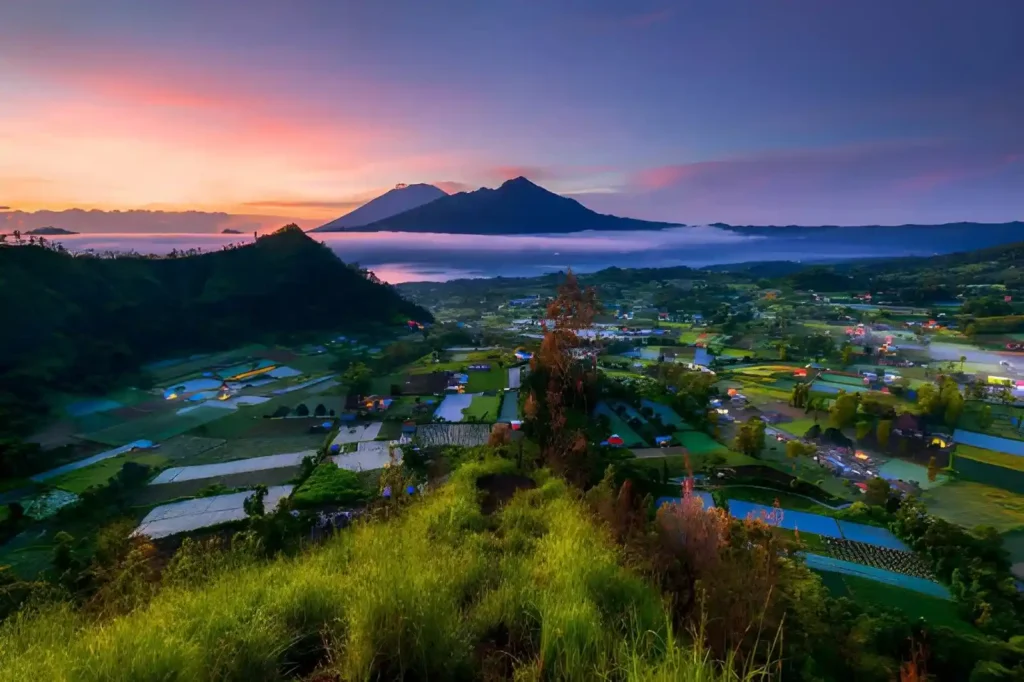
Watching the sunrise from Mount Batur remains one of Bali’s most iconic experiences and continues to be the main reason many people visit Kintamani. The early morning trek rewards you with panoramic views across the volcanic caldera, Lake Batur, and, on clear days, even the distant peaks of Mount Agung and Mount Rinjani on neighboring Lombok.
The hike is considered moderately easy compared to many volcano treks, making it suitable for most people with a reasonable level of fitness. Most tours begin before dawn, allowing you to reach the summit in time for sunrise before descending later in the morning.
During the dry season, particularly between June and August, trail conditions are generally more stable and morning visibility is often at its best. This makes summer one of the most rewarding times to experience Mount Batur’s famous sunrise.
If hiking isn’t for you, several cafés and viewpoints around Kintamani also offer spectacular early morning views of Mount Batur without requiring the climb.
Read more: 5 Best Kintamani Sunrise Spots for the Most Stunning Morning Views in Bali
2. Relax in the Natural Hot Springs
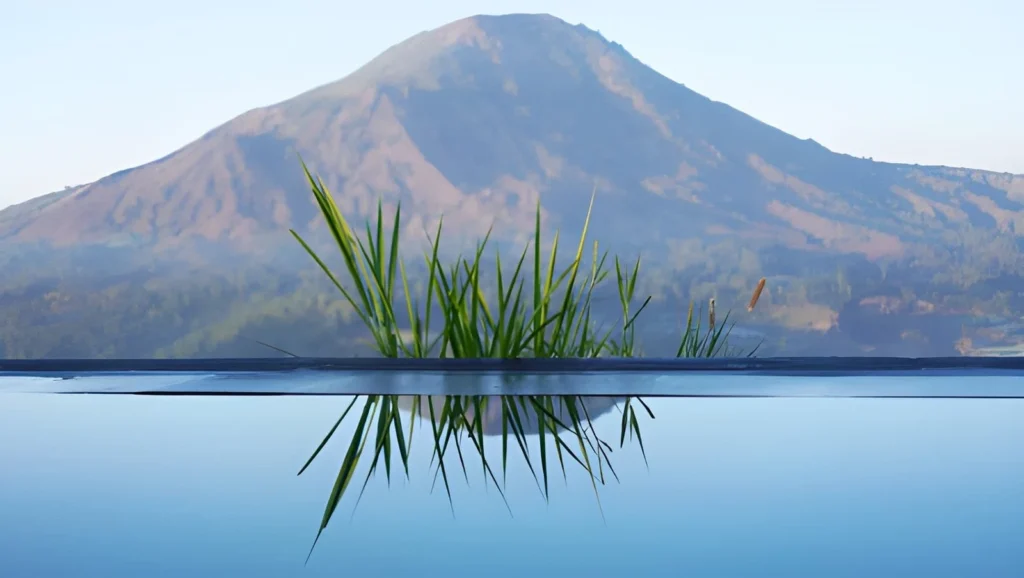
After a morning of sightseeing, or especially after completing the Mount Batur sunrise trek—a visit to Kintamani’s natural hot springs is one of the most relaxing ways to spend the rest of the day.
Located near the shores of Lake Batur, these geothermal pools are naturally heated by the volcanic activity beneath the region. Many facilities feature multiple pools overlooking the lake and surrounding mountains, creating a peaceful setting that’s ideal for unwinding.
The hot springs are suitable for a wide range of visitors, including:
- Couples looking for a relaxing experience
- Families traveling with children
- Groups after a sunrise trek
- Anyone wanting a slower pace without strenuous activities
The combination of warm mineral-rich water and cool mountain air creates one of the most distinctive wellness experiences in Bali.
You may also want to read this: 5 Best Kintamani Hot Springs for Relaxing Lake Views
3. Visit Kintamani’s Best Scenic Cafés
Over the past few years, Kintamani has become one of Bali’s most popular destinations for scenic cafés. Today, many visitors come not only for Mount Batur itself but also for breakfast, brunch, or coffee with panoramic volcano views.
Some of the area’s most popular cafés include:
- Paperhills
- AKASA Specialty Coffee
- Montana Del Café
- El Lago
Each offers a slightly different atmosphere, but they all share one thing in common—spectacular views overlooking Mount Batur and Lake Batur.
Most cafés feature spacious outdoor seating designed to maximize the scenery, making them excellent places to relax after sightseeing or simply enjoy Kintamani’s cooler climate with locally grown coffee and fresh food.
Morning is generally the best time to visit, when skies are clearer and the volcanic landscape is most visible.
4. Enjoy the Panoramic Views of Mount Batur and Lake Batur
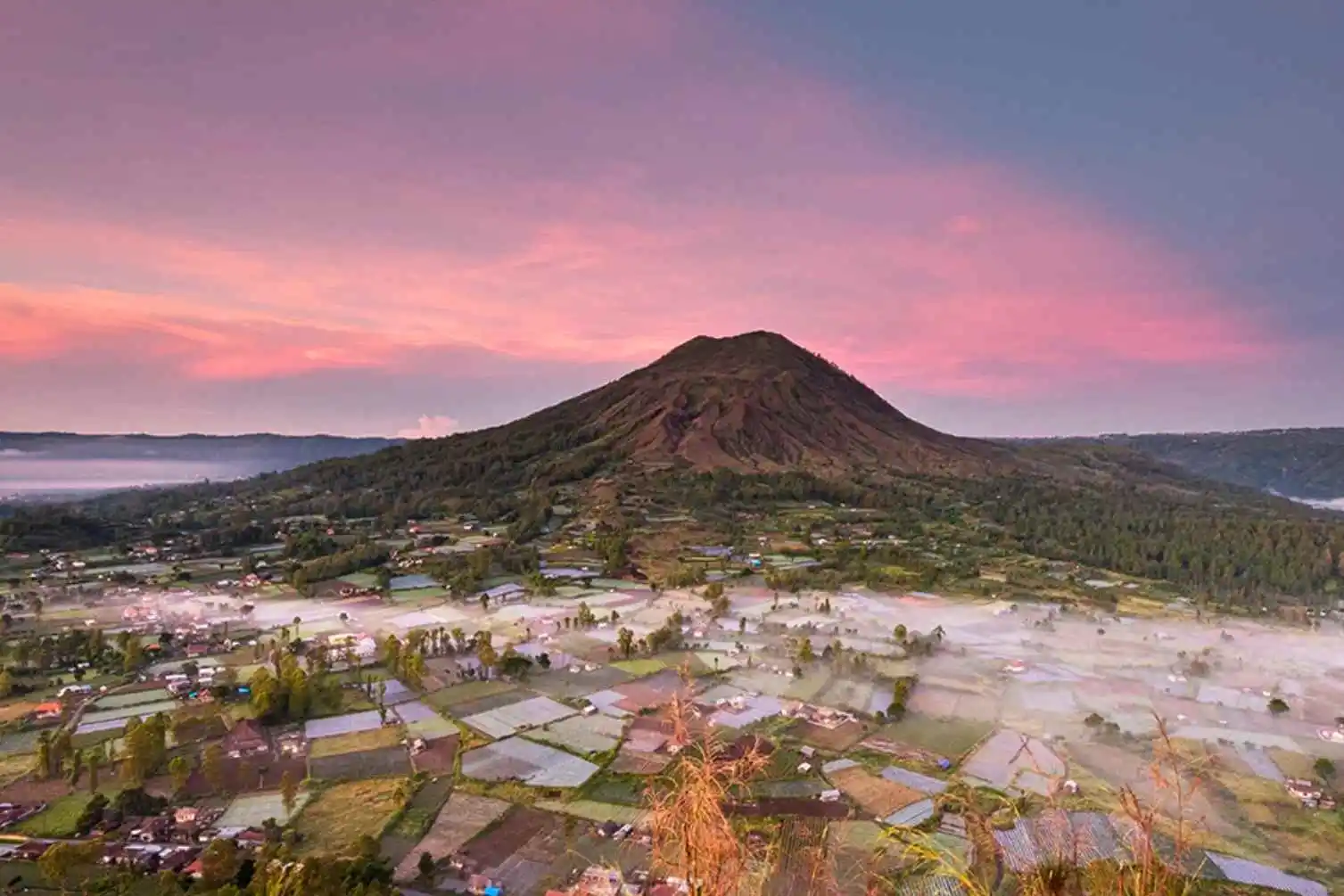
Even without hiking, Kintamani offers some of the most impressive viewpoints in Bali. As you travel along the caldera rim, you’ll find countless locations where the entire landscape opens up before you, revealing Mount Batur rising beside the deep-blue waters of Lake Batur.
This dramatic combination of volcano, lake, and surrounding mountains makes Kintamani one of Bali’s most photogenic regions.
Many visitors spend time simply stopping at viewpoints along the main road, taking photographs, or enjoying the scenery from cafés and restaurants overlooking the caldera. Thanks to its elevated position, the changing light throughout the morning creates constantly shifting views that make every stop feel slightly different.
Read more: 5 Best Kintamani View Points for Mount Batur and Lake Batur Views
5. Explore the Black Lava Fields
One of Kintamani’s most unique landscapes is the Black Lava area, formed by historic eruptions of Mount Batur. The vast volcanic terrain of hardened lava flows and black rock creates a dramatic contrast against the surrounding greenery and has become one of the region’s most popular adventure attractions.
The most common way to explore the Black Lava fields is by joining a 4WD Jeep tour, which allows you to reach areas that are difficult to access by regular vehicles while learning more about the volcano’s geological history.
The experience is particularly popular with travelers who want to enjoy Mount Batur’s volcanic landscape without completing the sunrise hike.
6. Visit a Local Coffee Plantation
The fertile volcanic soil around Kintamani has long supported coffee farming, making the region one of Bali’s best places to learn about local coffee production.
Many coffee plantations welcome visitors to explore the growing process, see how beans are roasted, and sample a variety of locally produced drinks.
Typical tastings often include:
- Arabica coffee grown in the highlands
- Balinese herbal teas
- Chocolate and cocoa drinks
- Traditional Balinese coffee
- Luwak coffee (available at selected plantations)
Beyond the tastings, these visits also provide insight into how Bali’s volcanic environment contributes to the distinctive flavor of Kintamani’s coffee, which has earned international recognition.
7. Explore the Trunyan Area
If you’re interested in experiencing a different side of Bali, the Trunyan area offers one of the island’s most culturally unique destinations.
Located on the eastern side of Lake Batur, Trunyan Village is home to the Bali Aga, one of Bali’s oldest indigenous communities with traditions that predate much of modern Balinese Hindu culture.
Reaching the village typically requires a boat crossing from Lake Batur, making it a less-visited destination than the area’s more famous attractions.
Because Trunyan is a living traditional community rather than a tourist attraction, visitors should dress respectfully, follow local guidance, and be mindful of cultural customs throughout their visit.
8. Visit Ulun Danu Batur Temple
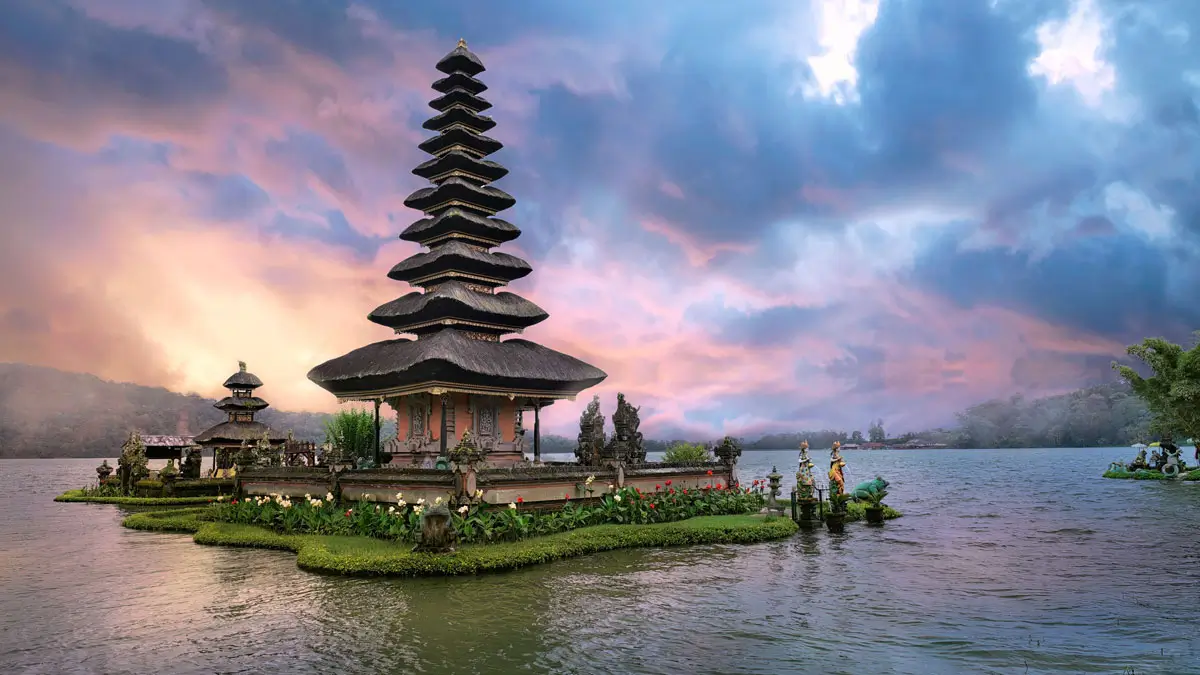
While many people associate Bali with the lakeside temple in Bedugul, Ulun Danu Batur Temple in Kintamani is actually one of the island’s most significant Hindu temples.
Dedicated to Dewi Danu, the goddess of lakes and water, the temple plays an important role in Bali’s traditional irrigation and agricultural systems and is regarded as one of the island’s key spiritual landmarks.
The current temple complex features beautifully maintained courtyards, traditional Balinese architecture, and multiple shrines set against the backdrop of Kintamani’s cool mountain landscape.
A visit here offers more than just sightseeing, it provides a deeper understanding of the cultural and spiritual traditions that continue to shape everyday life across Bali, making it a rewarding stop for anyone looking to experience more than the region’s natural scenery.
Read more: 12 Best Things to Do in Kintamani: A Complete Guide to Bali’s Volcano and Lake Region
Best Time to Visit Kintamani
Kintamani can be visited throughout the year, but the timing of your visit has a significant impact on what you’ll see and experience.
Because the region sits at an elevation of around 1,500 meters (4,900 feet) above sea level, weather conditions change more quickly than in Bali’s coastal areas. Morning skies are often crystal clear, while clouds frequently build as the day progresses.
If your goal is to enjoy panoramic views of Mount Batur and Lake Batur, arriving early is one of the best decisions you can make.
Visit Early in the Morning for the Clearest Views
The best time to arrive in Kintamani is between 7:00 AM and 10:00 AM, when visibility is typically at its highest.
During these hours, you’ll often enjoy:
- Clear views of Mount Batur and Lake Batur
- Cooler, more comfortable temperatures
- Softer lighting for photography
- Less traffic along the mountain roads
- A quieter atmosphere at cafés and viewpoints
If you’re joining the Mount Batur sunrise trek, you’ll already be in the area before dawn and can continue exploring after finishing the hike.
The Dry Season Offers the Most Reliable Conditions
Although Kintamani is beautiful year-round, the dry season (April to October) generally provides the most dependable weather for sightseeing.
During these months, you can usually expect:
- Better mountain visibility
- Lower chances of rainfall
- More comfortable hiking conditions
- Stable road conditions
- Pleasant weather for outdoor cafés and viewpoints
June through August are particularly popular thanks to consistently clear mornings and cooler temperatures. Because this coincides with Bali’s peak travel season, booking sunrise treks and private drivers in advance is recommended.
Afternoon Clouds Are Common
One of the most common mistakes first-time visitors make is arriving too late.
As temperatures rise throughout the day, moisture from Lake Batur often creates clouds or mist around the caldera. While this doesn’t happen every day, it’s common enough that many visitors who arrive after midday don’t experience the same dramatic mountain views seen in morning photographs.
This doesn’t mean afternoons aren’t worth visiting, cafés, hot springs, and cultural attractions remain enjoyable, but the panoramic scenery is generally at its best earlier in the day.
Weekdays Usually Offer a More Relaxed Experience
If your schedule is flexible, visiting Monday through Friday often provides a quieter experience than weekends.
Weekdays typically mean:
- Fewer visitors at viewpoints
- Easier parking
- Less waiting at popular cafés
- More relaxed roads
- Better opportunities for photography without large crowds
Weekends remain enjoyable, but they’re naturally busier with both international visitors and domestic travelers from across Indonesia.
Practical Timing Tips
To make the most of your visit, consider these simple recommendations:
- Arrive before 9:00 AM for the best volcano views.
- Plan outdoor sightseeing before lunch whenever possible.
- Bring a light jacket, as morning temperatures are noticeably cooler than in southern Bali.
- Check the weather forecast, especially during the rainy season.
- Allow extra travel time during July, August, Christmas, and New Year when traffic heading toward Kintamani can be heavier.
Choosing the right time won’t just improve the scenery, it can completely change the overall experience, giving you more time to enjoy Kintamani’s landscapes at a relaxed pace.
Sample One-Day Kintamani Itinerary
If you’re visiting Kintamani for the first time, a full-day itinerary offers the best balance between sightseeing, relaxation, and local experiences. Rather than rushing from one attraction to another, this route lets you experience the region’s highlights while minimizing unnecessary backtracking.
Here’s a practical itinerary that works well for most travelers.
| Time | Activity |
|---|---|
| 04:00 AM | Depart from your hotel and travel to Mount Batur for the sunrise trek. |
| 06:00–07:00 AM | Watch sunrise from Mount Batur or a nearby viewpoint overlooking the volcano and Lake Batur. |
| 08:30 AM | Relax in one of Kintamani’s natural hot springs after the hike. |
| 11:00 AM | Enjoy brunch or coffee at a scenic café such as Paperhills, AKASA, Montana Del Café, or El Lago. |
| 01:00 PM | Visit Ulun Danu Batur Temple and explore one of Bali’s most important Hindu temples. |
| 03:00 PM | Stop at a local coffee plantation to sample Kintamani coffee, Balinese teas, and learn about the region’s coffee-growing traditions. |
| Late Afternoon | Return to your accommodation or continue your journey to another destination in Bali. |
Why This Itinerary Works
One of the biggest advantages of this route is that it follows the natural rhythm of the day.
The morning is dedicated to outdoor activities while visibility is at its best. As temperatures rise, the itinerary shifts toward more relaxed experiences, including hot springs, cafés, and cultural attractions that are enjoyable throughout the afternoon.
It also avoids unnecessary driving by grouping nearby attractions together, making the journey feel smoother and less rushed.
Travel Tips for Visiting Kintamani in 2026
A little preparation goes a long way when visiting Kintamani. The region’s higher elevation, cooler climate, and mountain roads make it quite different from Bali’s coastal destinations. These simple tips will help you enjoy a smoother and more comfortable trip.
- Bring a light jacket or sweater.
Morning temperatures in Kintamani are often between 15–20°C (59–68°F), especially around sunrise, making it noticeably cooler than areas such as Seminyak or Canggu. - Wear comfortable footwear.
Whether you’re hiking Mount Batur, exploring viewpoints, or walking around cafés and temples, comfortable shoes with good grip are recommended. - Start your day early.
Arriving before 9:00 AM usually provides the clearest views of Mount Batur and Lake Batur while helping you avoid heavier traffic later in the day. - Book sunrise treks in advance.
If you’re planning to hike Mount Batur, reserve your guide several days ahead, particularly during the dry season and peak travel months when tours often sell out. - Carry some cash.
Most cafés, restaurants, and larger attractions accept cards, but smaller local businesses and roadside stalls may still prefer cash. - Check the weather before you leave.
Mountain weather can change quickly, and visibility may vary throughout the day. A quick forecast check can help you choose the best departure time. - Drive carefully on mountain roads.
Roads leading to Kintamani are generally in good condition, but they include winding uphill and downhill sections. If you’re unfamiliar with Bali’s roads, hiring a private driver is often the more comfortable option. - Take it easy if you’re sensitive to altitude.
While Kintamani isn’t extremely high, some visitors notice the cooler temperatures and thinner air, especially after hiking. Staying hydrated and allowing yourself time to adjust usually helps. - Visit on weekdays if possible.
Mondays through Fridays are generally quieter than weekends, offering a more relaxed experience at cafés, viewpoints, and popular attractions.
Explore Kintamani With a Comfortable Private Tour
Whether you’re planning a sunrise adventure, a customized sightseeing route, or a full-day escape through Bali’s central highlands, Bali Island Vacations can help you arrange private drivers, create personalized itineraries, combine Kintamani with nearby destinations, and design a comfortable journey that matches your interests and schedule.
Continue planning your Bali adventure with our related guides below..
Frequently Asked Questions
Is Kintamani worth visiting in 2026?
Yes. Kintamani remains one of Bali’s most rewarding destinations thanks to its spectacular views of Mount Batur and Lake Batur, scenic cafés, natural hot springs, volcanic landscapes, and cooler mountain climate. It’s an excellent choice for both first-time visitors and returning travelers.
How many hours should I spend in Kintamani?
A full day is ideal if you want to experience several attractions at a relaxed pace. However, a half-day visit can still be worthwhile if you’re focusing on one or two highlights, such as scenic cafés and the caldera viewpoints.
What is Kintamani famous for?
Kintamani is best known for Mount Batur, Lake Batur, sunrise trekking, natural hot springs, volcanic Black Lava fields, panoramic cafés, and its cooler mountain environment.
Can you visit Kintamani without hiking Mount Batur?
Absolutely. Many visitors enjoy Kintamani without hiking by exploring scenic viewpoints, relaxing in natural hot springs, visiting cafés with volcano views, touring coffee plantations, and exploring Ulun Danu Batur Temple.
What’s the best time to visit Kintamani?
Early morning is generally the best time to visit because skies are usually clearer, temperatures are cooler, and mountain views are at their most impressive. The dry season from April to October typically offers the most reliable weather.
How far is Kintamani from Ubud?
Kintamani is approximately 35–40 kilometers (22–25 miles) from Ubud. The journey usually takes 1 to 1.5 hours, depending on traffic and your starting point.
Is one day enough for Kintamani?
Yes. A well-planned day trip gives you enough time to experience many of Kintamani’s highlights, including scenic viewpoints, cafés, hot springs, temples, and coffee plantations. Travelers with more time can also combine Kintamani with nearby destinations.
Do you need a guide in Kintamani?
A guide is required for the Mount Batur sunrise trek, as local regulations require hikers to be accompanied by an authorized guide. For general sightseeing around Kintamani, a guide isn’t necessary, although many travelers choose a private driver for added convenience and local knowledge.