Bali’s peak season is popular for good reason. Long sunny days, low rainfall, calm seas, and a full calendar of activities make it one of the best times of year to experience the island. Whether you’re planning beach days in Seminyak, snorkeling around Nusa Penida, hiking Mount Batur, or exploring Ubud’s cultural attractions, you’ll generally enjoy some of Bali’s most reliable weather conditions.
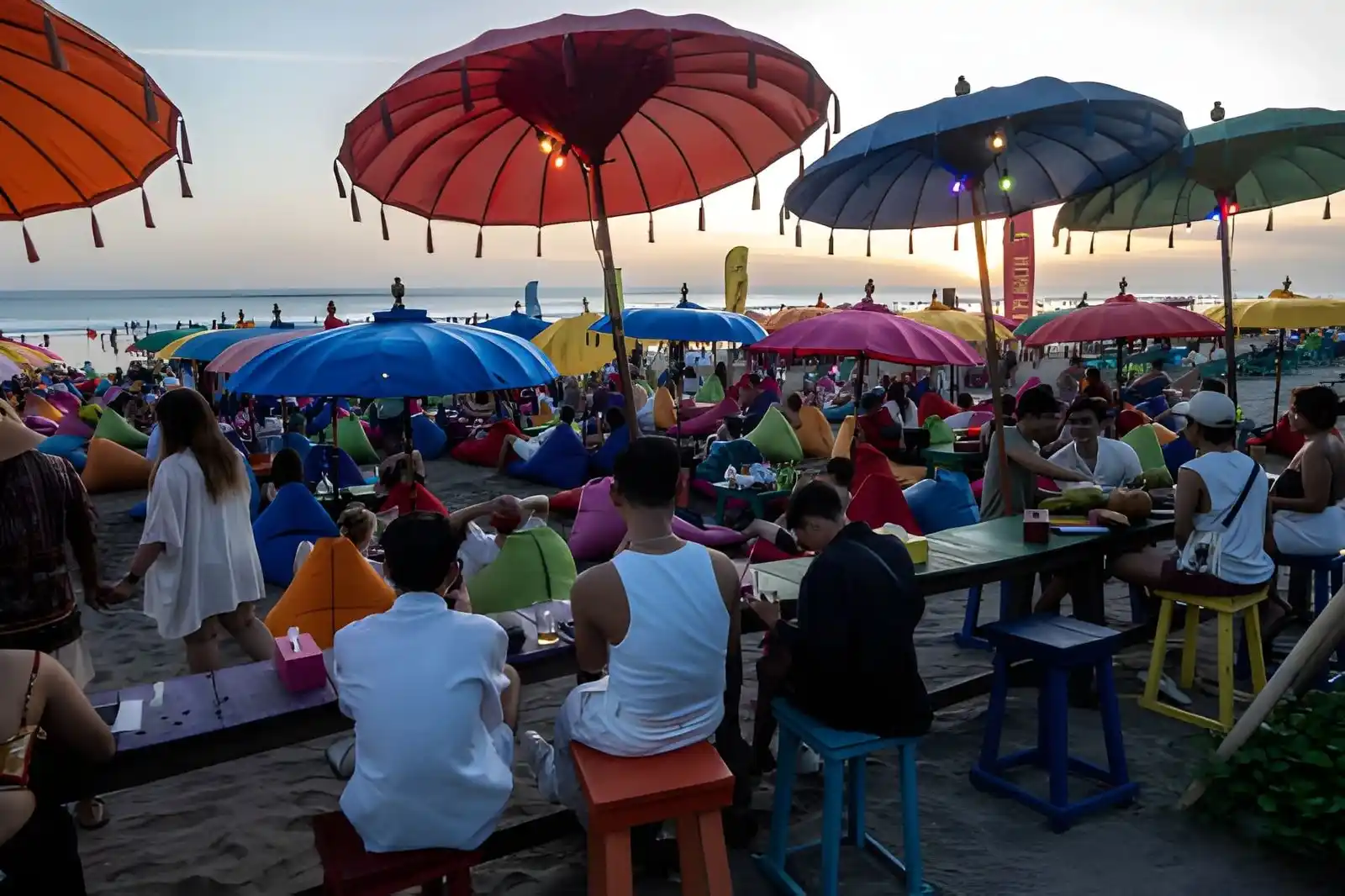
The trade-off is that you’re sharing the island with many others who have the same idea. Flights, hotels, tours, and restaurants are often in higher demand, while traffic around South Bali can be noticeably heavier than during quieter months.
That doesn’t mean you should avoid visiting, it simply means that smart planning can have a much bigger impact on your experience. A few thoughtful decisions before and during your trip can help you spend less time waiting in crowds and more time enjoying everything Bali has to offer.
If you’re visiting Bali during peak season, these practical tips will help you avoid common mistakes and enjoy a smoother, more rewarding holiday.
Essential Bali Peak Season Tips
From booking accommodation earlier to choosing the right time of day for sightseeing, these practical tips will help you experience more of Bali while spending less time dealing with avoidable frustrations.
1. Book Accommodation Well in Advance
One of the biggest mistakes people make is waiting until the last minute to book accommodation. During peak season, the most popular hotels, private villas, and boutique resorts often reach high occupancy weeks or even months before arrival, especially in sought-after areas like Seminyak, Canggu, Ubud, and Nusa Dua.
Booking early doesn’t just increase your chances of securing your preferred property—it also gives you far more flexibility when choosing the right location for your travel style. Instead of settling for whatever is left, you can compare neighborhoods, room types, and amenities that genuinely suit your itinerary.
Planning ahead also helps you:
- Access a wider selection of hotels and villas.
- Secure better rates before prices increase closer to your travel dates.
- Stay in your preferred area instead of compromising on location.
- Avoid having to split your stay between different accommodations because of limited availability.
If you’re visiting during July, August, or the Christmas and New Year holidays, booking accommodation at least two to four months in advance is generally a smart approach.
Read more: Bali Travel Tips for July & August 2026: Everything You Should Know Before You Go
2. Reserve Popular Tours Before You Arrive
Peak season is also the busiest time for many of Bali’s most popular experiences. Day trips to Nusa Penida, Mount Batur sunrise trekking, white water rafting, ATV adventures, snorkeling excursions, and private sightseeing tours often reach capacity quickly, particularly during weekends and holiday periods.
While you can sometimes book activities after arriving in Bali, waiting too long may leave you with fewer departure times, higher prices, or fully booked tours.
It’s worth securing popular experiences before your trip, especially if they’re an important part of your itinerary.
Activities that commonly sell out include:
- Nusa Penida day trips
- Mount Batur sunrise trekking
- Snorkeling and diving excursions
- ATV adventures
- White water rafting
- Private full-day Bali tours
Booking early gives you more scheduling flexibility and allows you to build the rest of your itinerary around confirmed experiences rather than hoping availability remains.
3. Start Your Day Earlier
If there’s one habit that consistently improves a Bali holiday during peak season, it’s starting your day early.
The hours between sunrise and around 9:00 AM are often the most comfortable time to explore. Temperatures are cooler, roads are generally quieter, and many attractions feel far more relaxed before larger tour groups arrive.
An early start also means you’ll often enjoy softer morning light, which is ideal for photography, whether you’re visiting rice terraces, temples, waterfalls, or coastal viewpoints.
Benefits of exploring early include:
- Cooler temperatures for sightseeing.
- Fewer crowds at popular attractions.
- Better lighting for photos.
- Easier parking and shorter travel times.
- More flexibility for the rest of your day.
Rather than rushing from one destination to another in the afternoon heat, you can complete several highlights before lunchtime and spend the hottest part of the day relaxing at your hotel, café, or beach.
4. Avoid Visiting Every Popular Attraction at Midday
Many of Bali’s busiest attractions experience their highest visitor numbers between late morning and mid-afternoon. This is when tour buses arrive, temperatures peak, and queues become noticeably longer.
Instead of following the same schedule as everyone else, consider adjusting your timing. Visiting famous locations early in the morning or later in the afternoon often creates a much more enjoyable experience.
Attractions where timing makes a noticeable difference include:
- Tanah Lot Temple
- Uluwatu Temple
- Tegallalang Rice Terraces
- Tegenungan Waterfall
- Handara Gate
You’ll often spend less time waiting, enjoy clearer viewpoints, and experience a more relaxed atmosphere simply by shifting your schedule by a few hours.
5. Balance South Bali With Quieter Regions
It’s easy to spend an entire holiday moving between Seminyak, Canggu, Uluwatu, and Ubud because these destinations receive most of the attention online. However, during peak season, balancing your itinerary with quieter regions often creates a far more rewarding experience.
East and North Bali offer beautiful scenery, cultural attractions, and a slower pace that many people don’t discover until their second or third visit.
Consider including destinations such as:
- Sidemen for peaceful rice valley landscapes.
- Candidasa for relaxed coastal scenery and easy access to East Bali.
- Munduk for waterfalls, mountain views, and cooler temperatures.
- Amed for snorkeling, diving, and laid-back seaside villages.
Mixing popular destinations with quieter regions helps you experience different sides of Bali while reducing the feeling of constantly navigating busy tourist areas.
6. Allow Extra Time for Transportation
Travel times during peak season are often longer than visitors expect. A route that normally takes 30 minutes can easily stretch to an hour or more during busy periods, particularly around South Bali.
Areas where congestion is most common include:
- Seminyak
- Canggu
- Uluwatu
- Kuta
- Legian
Navigation apps like Google Maps remain useful, but they can’t always predict temporary delays caused by ceremonies, roadworks, or sudden traffic build-up.
Instead of planning your itinerary minute by minute, leave extra time between activities. A more flexible schedule reduces stress and allows you to enjoy each destination without constantly watching the clock.
7. Book Popular Restaurants Beforehand
Peak season doesn’t only affect hotels and tours, it also fills Bali’s most popular restaurants surprisingly quickly.
If you’re planning a sunset seafood dinner in Jimbaran, an evening at a well-known beach club, or a reservation at one of Bali’s sought-after fine dining restaurants, booking ahead is highly recommended.
Reservations become particularly important for:
- Sunset restaurants.
- Beachfront dining.
- Popular brunch cafés.
- Fine dining venues.
- Weekend dinners.
Making reservations a few days in advance can save you from lengthy waiting lists or having to completely change your evening plans.
8. Mix Relaxation Days With Touring Days
One of the easiest ways to experience travel fatigue in Bali is by trying to fit every famous destination into a single trip.
Peak season naturally involves more people, more movement, and slightly longer travel times. Packing every day with sightseeing often leaves little opportunity to actually enjoy the island.
A better approach is to alternate busy exploration days with slower experiences.
For example, after a full-day trip to Nusa Penida or a Mount Batur sunrise trek, consider spending the following day:
- Relaxing by the pool.
- Visiting a beach café.
- Enjoying a spa treatment.
- Exploring local restaurants.
- Watching sunset without rushing to another destination.
This balanced pace helps you appreciate Bali rather than simply checking attractions off a list.
9. Stay Flexible Around Cultural Ceremonies
Bali’s culture is one of the island’s greatest strengths, and during your trip, there’s a good chance you’ll encounter temple ceremonies, traditional processions, or community celebrations.
Occasionally, these events may temporarily affect traffic or access to certain roads. Rather than seeing them as inconveniences, consider them part of the unique experience of visiting Bali.
Keeping a flexible mindset allows you to appreciate moments that many people don’t plan for but often remember long after returning home.
If you come across a ceremony:
- Follow directions from local officials or community members.
- Dress respectfully if visiting nearby temples.
- Avoid interrupting religious processions.
- Take photos only when appropriate and respectful.
- Allow extra travel time if roads are temporarily affected.
Experiencing Bali during an important cultural celebration often provides a deeper connection to the island than simply visiting its most famous attractions. Sometimes, the unexpected moments become the highlights of the entire journey.
You may also want to read this guides:
- Best and Worst Time to Visit Bali: Complete Guide for Weather, Crowds & Prices
- High Season Trip Cost in Bali: Budget Guide for 2026
Common Peak Season Mistakes to Avoid
Peak season doesn’t have to feel overwhelming. Most travel frustrations come from a few common planning mistakes that are easy to avoid once you know what to expect.
Here are some of the biggest ones:
- Booking accommodation too late, leaving you with fewer choices and higher prices.
- Underestimating travel times, especially between Seminyak, Canggu, Uluwatu, and other busy areas.
- Packing too many activities into one day, leaving little time to actually enjoy each destination.
- Skipping restaurant reservations for popular sunset dining spots or well-known brunch cafés.
- Spending your entire holiday in South Bali, without exploring quieter regions like Sidemen, Candidasa, Munduk, or Amed.
- Traveling without comprehensive travel insurance, which can provide valuable support for unexpected medical issues, cancellations, or lost belongings.
Avoiding these simple mistakes can make your trip feel significantly more relaxed, even during Bali’s busiest months.
Plan Ahead for a More Enjoyable Bali Peak Season
Peak season is popular because it showcases Bali at its best. Sunny weather, lively beach towns, excellent ocean conditions, and a full range of tours and activities make it an exciting time to visit.
The difference between a stressful holiday and an unforgettable one often comes down to thoughtful planning rather than trying to fit as much as possible into every day.
Instead of rushing from one attraction to the next, focus on creating a balanced itinerary that combines iconic experiences with quieter moments.
If you’re planning a trip during July, August, Christmas, New Year, or another busy holiday period, Bali Island Vacations can help you build a customized itinerary, arrange private drivers, organize island tours, and uncover lesser-known parts of Bali that many people miss during peak season.
Continue planning your Bali holiday with our related travel guides
- Summer Holidays in Bali: Best Places, Weather, Things to Do & Travel Tips
- Best Places to Visit in Bali in Summer for the Perfect Island Escape
- 7 Best Bali Family Destinations for a Fun & Easy Holiday
- Mid-Year Escape to Bali (June–August): What to Do & Where to Go
Frequently Asked Questions
When is peak season in Bali?
Bali’s main peak seasons are July and August, when the dry season coincides with European summer holidays and Australian winter breaks. Another busy period occurs during Christmas and New Year, while Easter holidays can also increase visitor numbers depending on the calendar.
Is Bali worth visiting during peak season?
Yes. Peak season offers some of Bali’s best weather, calmer seas, and excellent conditions for beaches, snorkeling, diving, hiking, and island tours. While attractions are busier, planning ahead allows you to enjoy the island comfortably.
How crowded is Bali in July and August?
July and August are the busiest months of the year. Popular destinations such as Seminyak, Canggu, Ubud, Uluwatu, and Nusa Penida typically see higher visitor numbers, especially during weekends and school holidays.
How far in advance should I book Bali accommodation?
For travel during peak season, it’s recommended to book accommodation at least two to four months in advance. Popular villas, beachfront resorts, and boutique hotels often fill up quickly during these periods.
Is traffic bad during Bali’s peak season?
Traffic is generally heavier in South Bali, particularly around Seminyak, Canggu, Kuta, and Uluwatu. Allowing extra travel time and starting your day earlier can help reduce delays.
Are Bali tours more expensive during peak season?
Some tours and private services may have higher prices due to increased demand. Booking in advance not only helps secure availability but can also provide better pricing and more flexible departure options.
What’s the best way to avoid crowds in Bali?
Start sightseeing early, visit popular attractions outside midday hours, and include quieter destinations like Sidemen, Candidasa, Amed, or Munduk in your itinerary for a more balanced experience.
What should I pack for Bali during peak season?
Lightweight clothing, comfortable walking shoes, reef-safe sunscreen, sunglasses, a hat, insect repellent, a reusable water bottle, swimwear, and a light rain jacket for occasional showers are all useful items during Bali’s peak season.