Temples are one of the most meaningful parts of exploring Bali because they are deeply connected to the island’s daily life, landscapes, and spiritual traditions.
As you travel across Bali, you’ll notice that many of the most beautiful viewpoints, whether beside the ocean, near mountain slopes, or around peaceful lakes, are shaped by temple sites that reflect the island’s Hindu heritage and cultural identity.
Visiting the best temples in Bali gives you more than just scenic photo opportunities. It helps you experience how nature, spirituality, and local traditions are connected across different regions of the island, from dramatic cliffside shrines in the south to quiet forest temples hidden in the highlands.
Quick Overview of the Best Temples in Bali
Bali is often called the “Island of a Thousand Temples” because temples can be found in nearly every village, mountain valley, and coastal area across the island.
While many smaller temples are part of local community life, several major temples stand out for their cultural importance, scenic locations, and accessibility for visitors.
Here’s what makes the best temples in Bali especially worth including in your itinerary:
- some temples sit on ocean cliffs with panoramic sunset views
- others are located beside volcanic lakes and mountain landscapes
- several temples are important spiritual centers for Balinese Hindu ceremonies
- a few temples are known for traditional purification rituals using holy spring water
- many temple sites combine cultural experiences with some of the most iconic photography locations in Bali
- most major temples can be visited comfortably as part of half-day or full-day travel routes across different regions of the island
Because each temple reflects a different side of Bali’s geography and traditions, visiting several of them during your trip helps you experience the island in a deeper and more complete way.
You may also want to read this guide: What Is Bali Famous For? Why the Island of Gods Feels So Different
Most Beautiful and Important Temples to Visit in Bali
Across Bali, temples are located in dramatically different settings, from ocean cliffs and volcanic slopes to peaceful lake shores and forested highlands, so each one offers a unique experience depending on the route you choose during your trip.
Here’s a carefully selected list of the best temples you should consider visiting…
1. Tanah Lot Temple
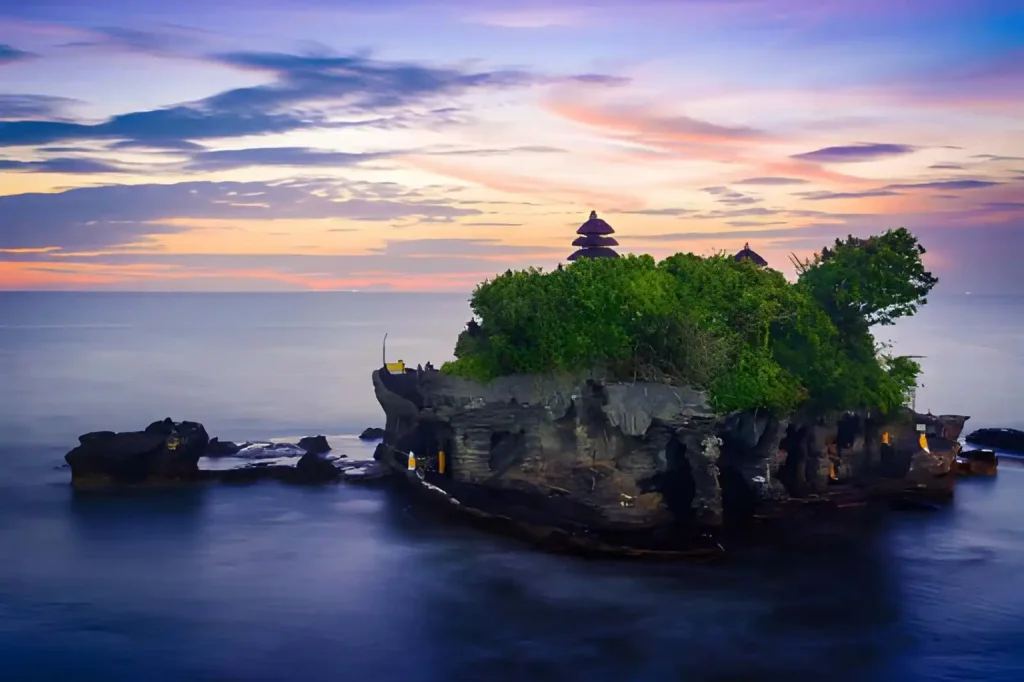
Tanah Lot Temple is one of the most iconic sea temples in Bali and easily one of the most photographed temple landmarks on the island.
What makes this temple especially unique is its dramatic offshore rock setting, where the shrine appears to float above the ocean during high tide and becomes accessible on foot when the water recedes.
You’ll usually find that the best time to visit Tanah Lot is in the late afternoon, when the coastline begins to glow with warm sunset light.
The silhouette of the temple against the Indian Ocean creates one of the most recognizable views in Bali and makes this stop ideal if you’re planning a scenic half-day route through the western side of South Bali.
2. Uluwatu Temple
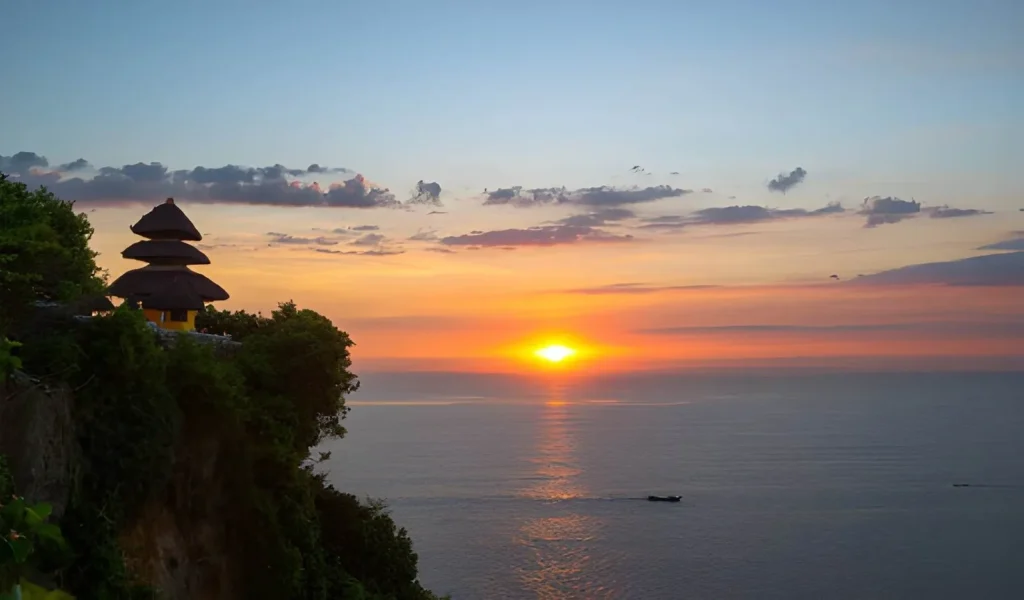
Perched on top of a dramatic limestone cliff about 70 meters above the ocean, Uluwatu Temple offers one of the most impressive coastal viewpoints anywhere in Bali. The temple sits along the southern edge of the Bukit Peninsula, where strong sea breezes and wide ocean horizons create a powerful natural setting.
Many visitors plan their visit here in the late afternoon so they can stay for the famous sunset atmosphere and the traditional Kecak dance performance held near the cliffside amphitheater.
If you enjoy combining culture with panoramic scenery, Uluwatu Temple is one of the most rewarding temple stops you can include in your Bali itinerary.
3. Ulun Danu Beratan Temple
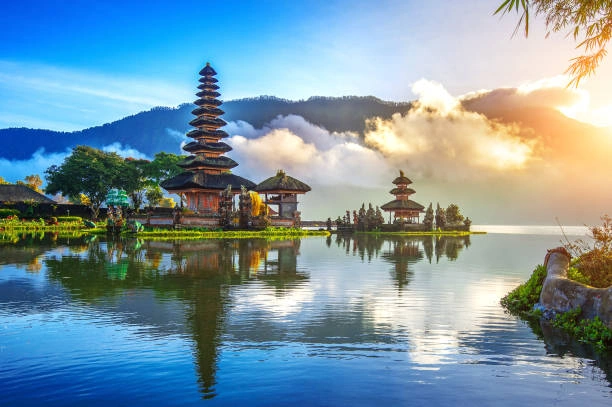
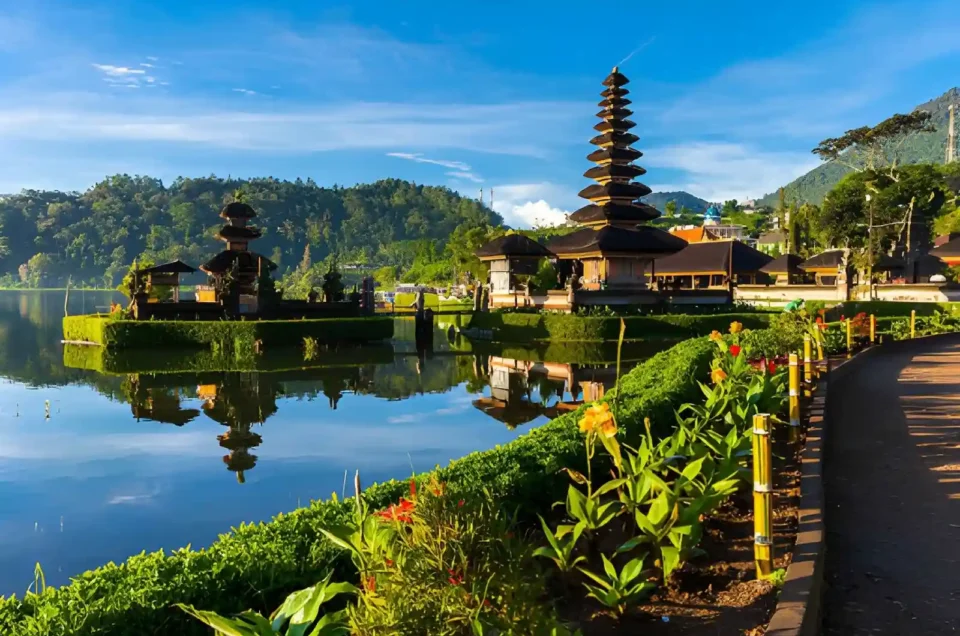
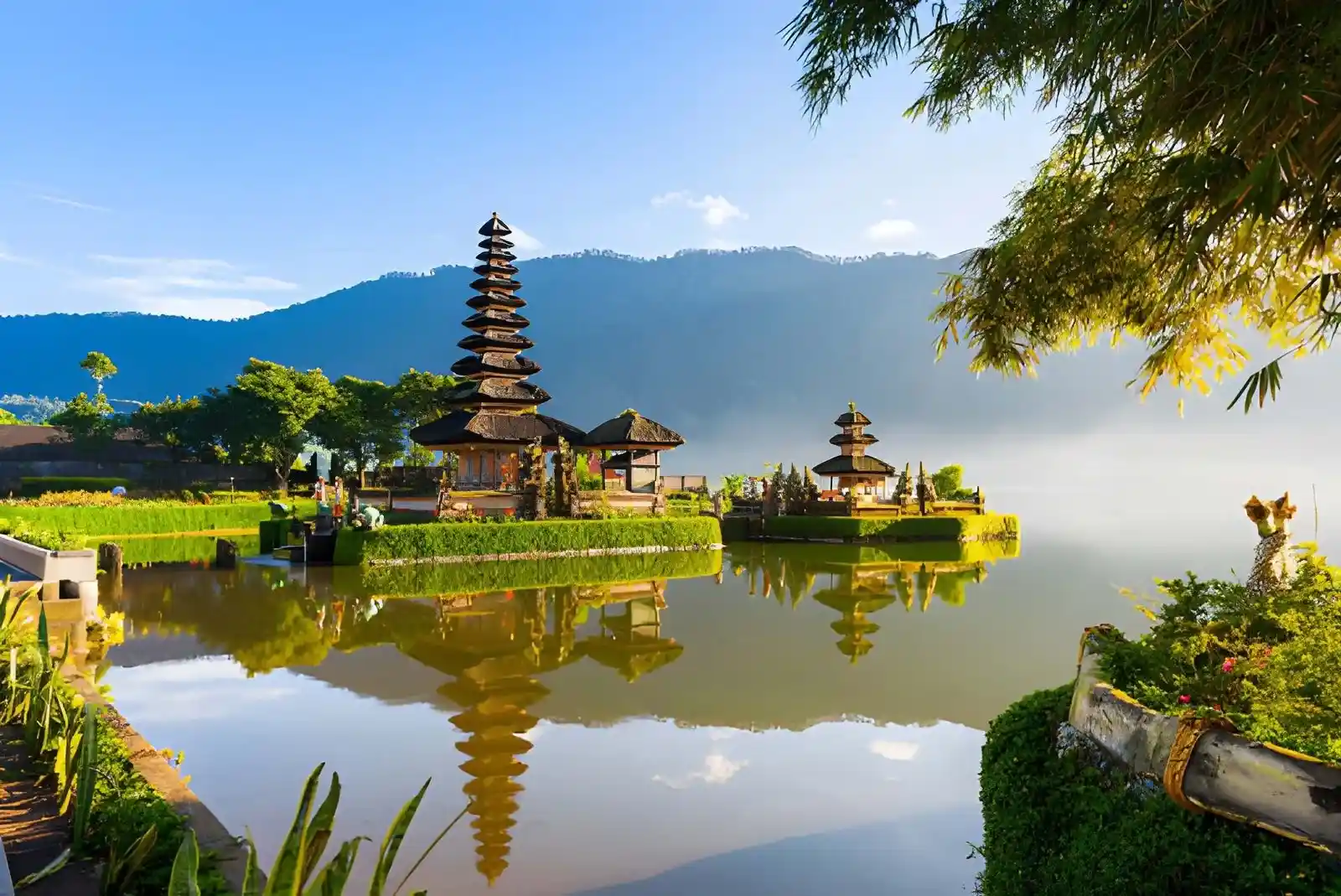
Ulun Danu Beratan Temple is one of the most recognizable temples in Bali thanks to its peaceful lakeside setting in the highlands of Bedugul.
The temple appears to float on the surface of Lake Beratan when water levels rise, creating a calm and almost mirror-like reflection that feels very different from the coastal temples in the south.
Because the surrounding area sits at a higher elevation, the climate here is cooler and often misty in the morning. This makes Ulun Danu Beratan a comfortable stop if you’re exploring central Bali scenic routes and looking for a refreshing break from the warmer lowland regions.
4. Besakih Temple (Mother Temple of Bali)
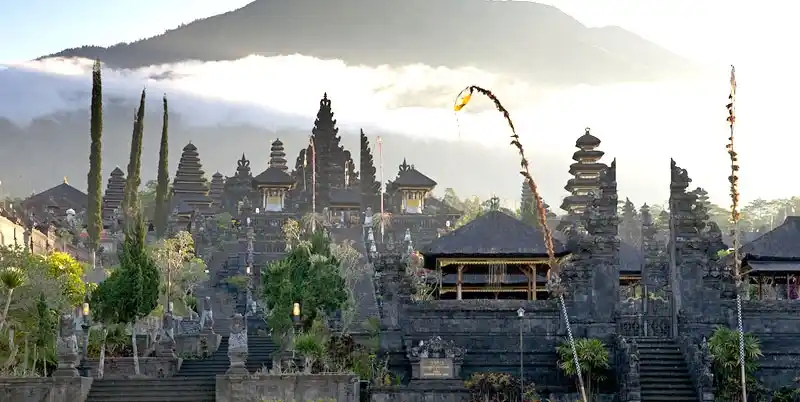
Besakih Temple is known as the Mother Temple of Bali and is considered the most important spiritual complex on the island. Located on the slopes of Mount Agung, Bali’s highest volcano, the temple includes multiple terraces and shrines that form the largest temple complex in Bali.
Visiting Besakih gives you a deeper understanding of how temples function beyond sightseeing locations. This is still a very active religious site where ceremonies take place throughout the year, and the elevated hillside setting also offers wide views across eastern Bali on clear days.
5. Tirta Empul Temple
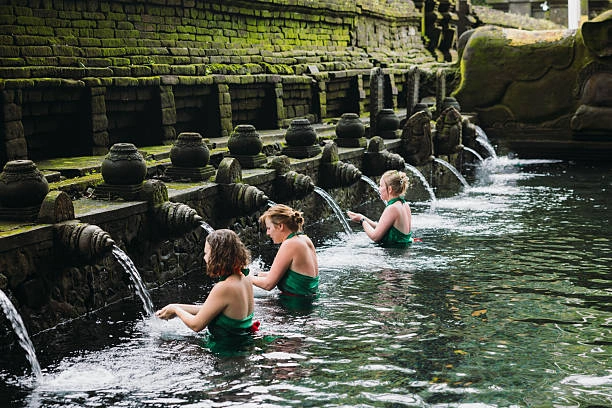
Tirta Empul Temple is one of the most meaningful temples you can visit if you’re interested in experiencing a traditional Balinese purification ritual. The temple is built around a natural spring that feeds a series of stone bathing pools used for a cleansing ceremony known locally as melukat.
Many visitors choose to participate respectfully in the purification process, while others simply observe the peaceful atmosphere around the temple courtyards and water pools.
Because of its central location, Tirta Empul is easy to include in a cultural route together with nearby heritage temples and rice terrace landscapes.
6. Goa Gajah (Elephant Cave Temple)
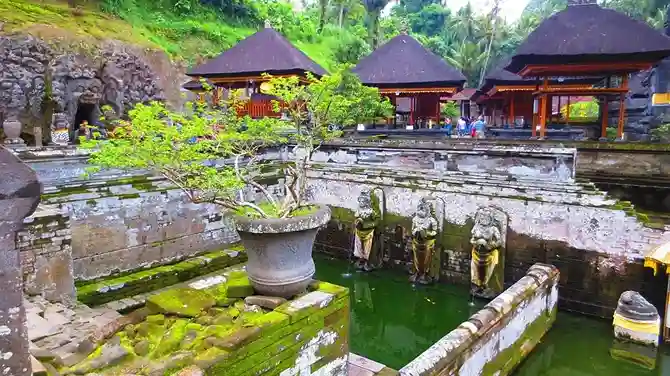
Goa Gajah is one of the oldest temple sites in Bali and offers a very different atmosphere compared to larger open temple complexes. The highlight here is the carved cave entrance, which dates back to the 11th century and leads into a small meditation chamber inside the rock.
The surrounding area includes bathing pools, shaded pathways, and jungle scenery that make the temple feel quiet and reflective despite its popularity. Because Goa Gajah sits close to Ubud’s cultural center, it’s often included as part of a relaxed half-day exploration route through central Bali.
7. Taman Ayun Temple
Taman Ayun Temple is one of the most elegant royal temple complexes in Bali and stands out for its symmetrical gardens, surrounding moat, and beautifully layered shrine towers.
Originally built as the royal family temple of the Mengwi Kingdom, the site reflects a refined architectural style that feels very balanced and spacious.
Walking around the outer pathways gives you a clear view of the multi-tiered shrines rising above the inner courtyards, making this temple especially enjoyable if you appreciate traditional Balinese temple design combined with landscaped surroundings.
8. Gunung Kawi Temple
Gunung Kawi Temple is one of the most unique archaeological temple sites in Bali thanks to its massive stone shrines carved directly into a river valley cliff face.
Reaching the temple involves a scenic walk down a long stairway through rice fields and tropical forest, which adds to the sense of discovery as you approach the site.
Because of its setting along the valley floor beside a flowing river, Gunung Kawi feels quieter and more immersive than many other temples on the island. It’s a great choice if you enjoy combining light hiking with cultural exploration during your Bali trip.
9. Lempuyang Temple (Gate of Heaven)
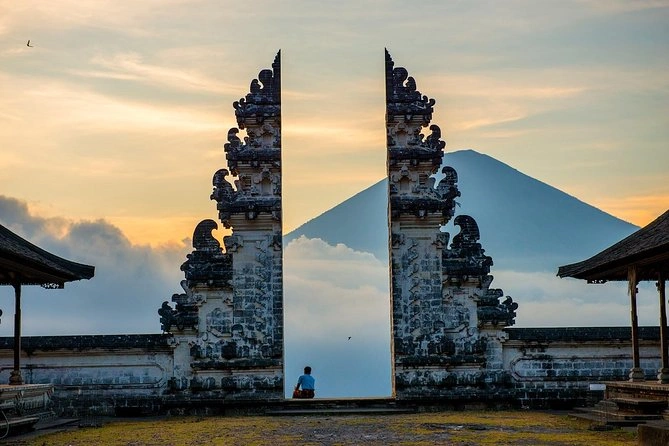
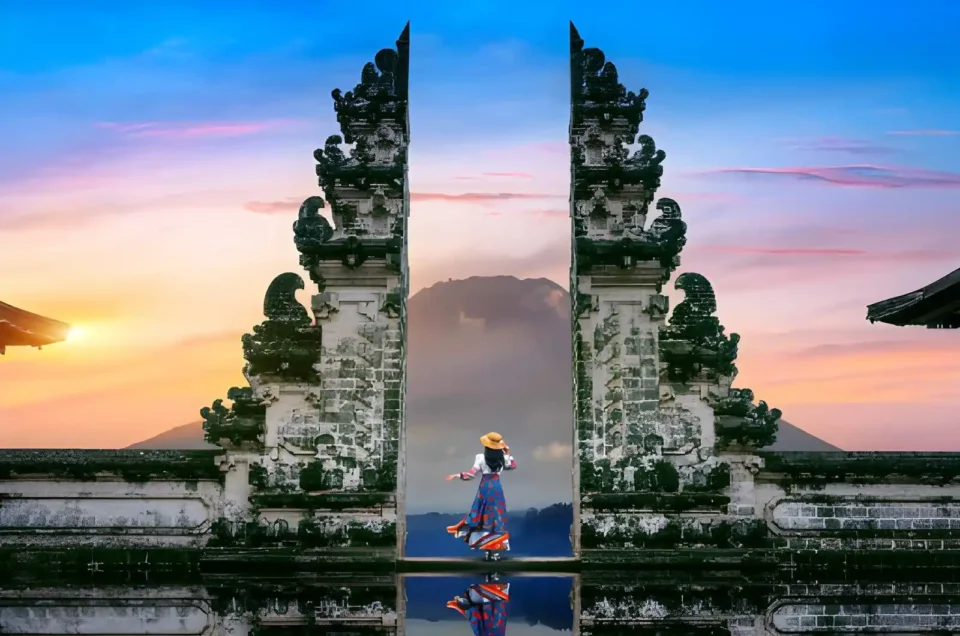
Lempuyang Temple is one of the most famous temples in Bali thanks to its iconic “Gate of Heaven” viewpoint facing Mount Agung. The split gateway creates a perfectly framed mountain backdrop that has become one of the most recognizable photography locations on the island.
Beyond the popular photo spot, Lempuyang is actually part of a larger sacred temple complex connected by a long uphill pilgrimage route.
If you enjoy scenic drives through eastern Bali and want to experience a temple visit surrounded by mountain landscapes and quieter countryside villages, this temple makes a memorable addition to your itinerary.
10. Saraswati Temple Ubud
Saraswati Temple is one of the most accessible temples to visit in central Bali, especially if you’re exploring the walkable cultural center of Ubud. The temple is dedicated to Saraswati, the Hindu goddess of knowledge, arts, and learning, and is known for its beautiful lotus pond entrance walkway.
Because of its central location near cafés, galleries, and traditional markets, Saraswati Temple fits naturally into a relaxed half-day exploration route around Ubud.
In the evening, the temple courtyard often hosts traditional dance performances, making it a convenient place to combine culture and atmosphere in one stop.
11. Batukaru Temple
Batukaru Temple is one of the most peaceful temples in Bali and sits on the forested slopes of Mount Batukaru in the island’s western highlands.
Surrounded by dense tropical greenery and cooler mountain air, the temple feels quieter and more reflective than many of the busier temple destinations in southern Bali.
This temple is especially appealing if you enjoy visiting places that still feel strongly connected to nature and local spiritual traditions. Because fewer visitors reach this area, Batukaru Temple is often included as part of scenic countryside routes through western Bali rice terraces and highland landscapes.
12. Ulun Danu Tamblingan Temple

Ulun Danu Tamblingan Temple offers one of the most atmospheric temple settings in northern Bali, surrounded by forest-covered hills and the calm waters of Lake Tamblingan. Compared to the more famous Ulun Danu Beratan Temple, this location feels quieter and more secluded.
The lakeside environment often creates soft morning mist across the water, giving the temple a peaceful and almost hidden appearance. If you’re exploring the northern highlands or planning a scenic route through Bali’s twin lake region, this temple is a rewarding stop for both photography and relaxation.
13. Goa Lawah Temple (Bat Cave Temple)
Goa Lawah Temple is one of the most unique temple sites in Bali because it is built around a cave entrance that is home to thousands of bats.
The cave is considered spiritually important in Balinese Hindu belief, and the temple continues to play an active role in religious ceremonies connected to the island’s sacred geography.
Located along the coastal route between Sanur and eastern Bali, Goa Lawah is often visited as part of a travel itinerary heading toward Mount Agung, Besakih Temple, or the east Bali viewpoints. Its unusual natural setting makes it one of the most distinctive temple stops on the island.
14. Rambut Siwi Temple
Rambut Siwi Temple is one of the most scenic coastal temples in western Bali and sits on a hillside overlooking the Indian Ocean.
Because the temple is located along the main route connecting South Bali to the western regions of the island, it’s often included as a relaxing viewpoint stop during longer scenic drives.
Compared to the more famous sea temples in southern Bali, Rambut Siwi feels quieter and less crowded, making it a comfortable place to pause, enjoy ocean views, and experience a different side of Bali’s coastal temple landscape.
15. Ponjok Batu Temple
Ponjok Batu Temple is one of the lesser-known coastal temples in northern Bali and offers a calm alternative to the busier temple destinations in the south. The temple sits beside a black volcanic shoreline and is closely connected to local spiritual traditions in the Buleleng region.
Because fewer travelers explore the north coast compared to other parts of the island, visiting Ponjok Batu Temple often feels more relaxed and personal. It’s a meaningful stop if your itinerary includes waterfalls, dolphin-watching areas, or scenic coastal drives through northern Bali.
Temple Etiquette You Should Know Before Visiting Bali Temples
Before visiting temples in Bali, it helps to understand a few simple etiquette guidelines so you can explore respectfully while enjoying the cultural experience more comfortably. Most temples are active places of worship, not just sightseeing locations, so following local customs makes your visit more meaningful and welcomed.
Here are a few important things to keep in mind:
- wear a sarong and sash, which are usually provided at major temple entrances if you don’t bring your own
- dress modestly by covering your shoulders and knees before entering temple areas
- avoid walking directly in front of people who are praying or participating in ceremonies
- never climb shrines or sit on temple structures, as these areas are considered sacred
- follow any temporary access restrictions if ceremonies are taking place during your visit
By respecting these simple guidelines, you can enjoy visiting Bali’s temples in a way that feels both comfortable for you and respectful toward local traditions.
You may also want to read this guide: Bali Travel Guide 2026: Best Time, Costs, Places & Tips for First-Time Visitors
Plan a Comfortable Temple Route Across Bali
Planning a temple route across Bali becomes much easier when your itinerary is arranged based on travel distance, regional highlights, and the best visiting times for each location.
And this is where Bali Island Vacations can help you design a relaxed temple journey that connects iconic sites, scenic landscapes, and cultural stops into one smooth and enjoyable travel experience without feeling rushed between destinations.
To help you plan your trip more comfortably, you can continue reading these related Bali travel guides below.
- 10+ Unique Cultural Experiences in Bali You Can Truly Feel
- 15 Unique Experiences in Bali You Can’t Find Anywhere Else
- Best Bali Vacation Ideas for 2026: Places, Experiences, and Things to Do
FAQs About Temple in Bali
Are temples in Bali free to visit?
Most temples in Bali charge a small entrance fee for visitors, usually between IDR 20,000 and IDR 75,000 depending on the location. This fee typically includes a sarong rental and helps support temple maintenance and local community activities.
Which temple is the most famous in Bali?
Tanah Lot Temple is often considered the most famous temple in Bali because of its dramatic offshore rock setting and popular sunset views. Other well-known temples include Uluwatu Temple and Besakih Temple.
Can tourists enter temples in Bali?
Yes, tourists can visit most temples in Bali as long as they follow local etiquette rules such as wearing a sarong, dressing modestly, and respecting ongoing ceremonies. Some inner temple courtyards may remain restricted during religious events.
What should you wear when visiting temples in Bali?
You should wear clothing that covers your shoulders and knees when visiting temples in Bali. A sarong and sash are usually required before entering temple areas and are often provided at the entrance.
Which Bali temple has the famous Gate of Heaven?
The famous Gate of Heaven viewpoint is located at Lempuyang Temple in eastern Bali, where the split gateway frames Mount Agung in the background on clear days.
How many temples are there in Bali?
Bali is often called the Island of a Thousand Temples, but the actual number is believed to be over 10,000 temples across the island, including village temples, family shrines, and major regional temple complexes.
What is the best time to visit temples in Bali?
The best time to visit temples in Bali is usually early morning or late afternoon when temperatures are cooler and lighting conditions are better for photography, especially at coastal and mountain temples.