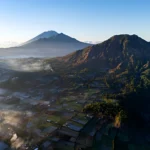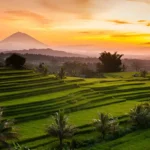
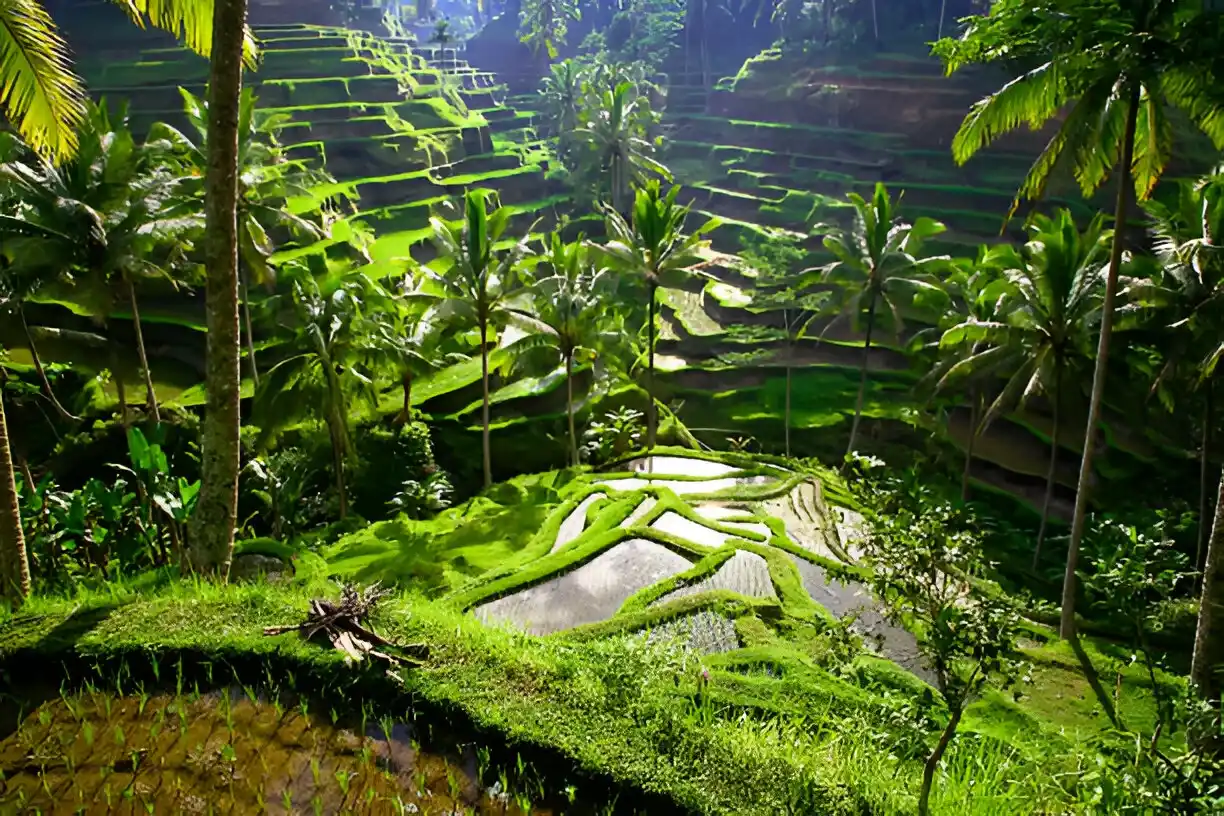
If you are imagining wide green rice fields stacked neatly along a hillside, with palm trees framing the view and a quiet rural atmosphere just outside Ubud, that image most likely comes from Tegalalang Rice Terraces.
This is one of the most visited rice terrace areas in Bali, not because it is the biggest, but because it is easy to reach, visually striking, and simple to experience, even if you only have a short time in Ubud. You do not need a long hike, special fitness, or a full-day trip. You arrive, step out, and the landscape is already right in front of you.
That said, Tegalalang is often misunderstood. Many of you maybe expect an endless, untouched rice field like in documentaries, then feel surprised by how compact, lively, and tourist-oriented it actually is. This guide is written to set the right expectations, so you can decide whether Tegalalang truly fits your travel style.
What Are Tegalalang Rice Terraces and Why They Are Famous
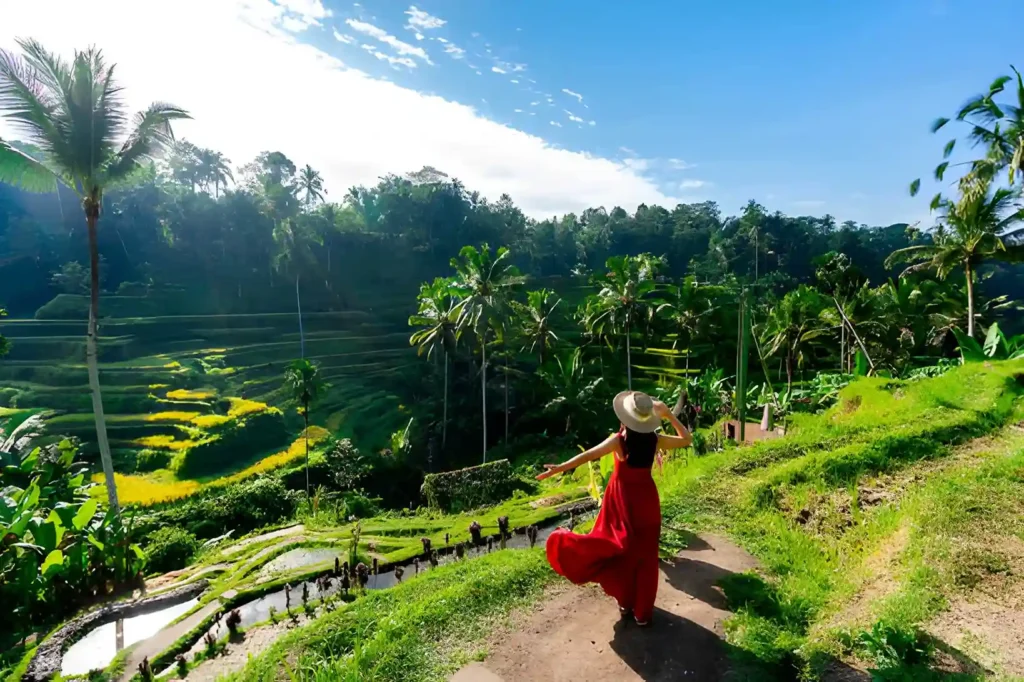
Tegalalang Rice Terraces are a series of stepped rice fields built along a steep valley in northern Ubud. The terraces follow Bali’s traditional subak irrigation system, a centuries-old water management method that allows rice to grow evenly across sloped land.
What makes Tegalalang famous is not its size, but its shape and accessibility. The terraces are narrow, layered, and clearly visible from the main road, creating that iconic “vertical” rice field look you often see on Bali postcards and social media.
Another reason for its popularity is how experience-friendly the area is. You can:
- Walk directly into the rice fields within minutes
- Find viewpoints without hiking far
- Combine it easily with Ubud temples, cafes, or waterfalls
Unlike larger rice terrace areas, Tegalalang feels more like a quick but intense visual experience. You see the patterns clearly, you feel close to the farmers’ land, and you can leave again without committing half a day.
If you want to explore other rice terraces around Ubud beyond Tegalalang, you can find a fuller overview in our guide to Ubud rice terraces.
Where Is Tegalalang Rice Terraces Located
Tegalalang Rice Terraces are located in Tegalalang Village, about 10 kilometers north of central Ubud. In normal traffic, the drive takes roughly 20 to 30 minutes, making it one of the closest rice terrace experiences to Ubud.
Because of this location, many travelers visit Tegalalang:
- In the morning before heading deeper into Bali
- As a short stop between Ubud and Kintamani
- As part of a half-day Ubud countryside route
If you are staying in Ubud, this is one of the least time-consuming nature spots you can visit without sacrificing scenery.
How to Get to Tegalalang Rice Terraces
Getting to Tegalalang is straightforward, which is one of the main reasons it stays busy year-round.
If you ride a scooter, the route from Ubud is simple and well-marked. The road conditions are mostly good, though traffic can slow down near the entrance area, especially mid-morning.
Many visitors choose a private driver, especially if Tegalalang is part of a longer route that includes temples, waterfalls, or Kintamani. This option allows you to stop briefly, explore at your own pace, and continue without worrying about parking or directions.
Because the terraces sit directly along the main road, you do not need to walk far just to reach the viewpoint. Once you arrive, the experience begins almost immediately.
Entrance Fees, Tickets, and On-Site Costs
One thing you should know before visiting Tegalalang Rice Terraces: there is no single official ticket gate.
Instead, the area is managed by local communities, and you will encounter several small donation points depending on where you enter and how far you walk into the terraces.
Entrance Fee
As of current conditions, the typical donation fee is:
- IDR 10,000 – 25,000 per person at each entry point
If you move deeper into the terraces or switch paths, you may be asked to contribute again. This is normal and helps support local farmers and maintenance of the pathways.
Parking Fees
- Scooters: IDR 5,000
- Cars: IDR 10,000 – 15,000
Parking areas are clearly marked along the road and near cafes overlooking the terraces.
Optional Activities and Extra Costs
If you plan to try one of the popular activities around Tegalalang, expect additional costs:
- Bali Swing: IDR 150,000 – 300,000 depending on height and package
- Photo nests or platforms: Small extra donation, usually IDR 10,000 – 20,000
You are not required to do any paid activities to enjoy the rice terraces. Simply walking through the fields is enough for most visitors.
Opening Hours and Best Time to Visit Tegalalang Rice Terraces
Tegalalang Rice Terraces are open daily, generally from:
- 8:00 AM to 6:00 PM
Since this is an open landscape rather than a gated attraction, the real factor that matters is when you arrive, not the official closing time.
Best Time of Day to Visit
- Early Morning (8:00–10:00 AM)
This is the best time if you want fewer people, cooler air, and clean views. The light is soft, the terraces look fresh, and you can walk without constantly stopping for photos around crowds. - Late Afternoon (4:00–5:30 PM)
The atmosphere becomes calmer again, temperatures drop, and the terraces glow under warm light. This is ideal if you care more about mood than bright green colors.
When to avoid:
Late morning to early afternoon (around 10:30 AM–2:30 PM). This is when tour buses arrive, cafes get busy, and the main paths feel congested.
Best Season to Visit
- Dry Season (May–October)
The most comfortable time to visit. Paths are dry, walking is easier, and skies are clearer for photography. - Rainy Season (November–April)
The terraces are greener and cooler, but paths can be slippery. Rain usually comes in short bursts, not all day, but timing matters more.
If you visit during major Balinese holidays like Galungan or Kuningan, you may see ceremonial decorations and locals in traditional dress, which adds cultural atmosphere, though visitor numbers are higher.
What You Can Do at Tegalalang Rice Terraces
Tegalalang is not about ticking off attractions. The experience comes from how you move through the area, what you choose to engage with, and how much time you give yourself to slow down. Below are the main things you can do here, explained realistically, so you know what to expect before you arrive.
1. Walking Through the Rice Fields

For most people, the walk through the rice fields is where Tegalalang truly begins.
Once you leave the roadside and step into the terraces, the atmosphere changes. The noise of traffic fades, and the landscape opens into layered fields following the natural slope of the valley. The walking paths run along narrow ridges and stone steps, guiding you gently up and down through the paddies.
The terrain is uneven but manageable. Some sections are flat, while others involve short climbs or descents. After rain, the ground can feel slightly slippery, and there is very little shade once you are inside the terraces.
This walk suits travelers who enjoy moving at a slow pace and don’t mind natural paths. It may feel less comfortable if you:
- Expect paved or level walkways
- Have knee or balance issues
- Are traveling with strollers or bulky bags
If you take your time, this walk offers the clearest sense of how the rice fields are still part of daily life, not just a backdrop for visitors.
2. Photography and Scenic Viewpoints
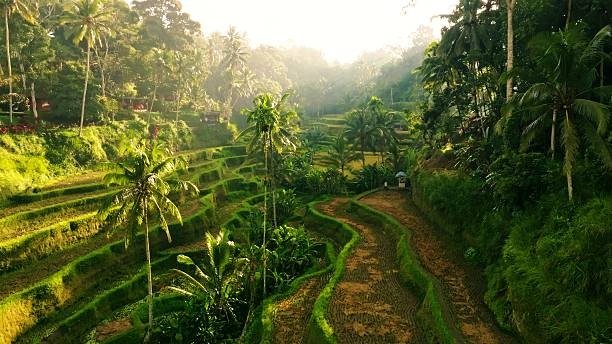
As you move through Tegalalang, photography opportunities naturally divide into two types.
The first are the roadside viewpoints. These are elevated spots along the main road that give you a wide, postcard-style view of the terraces. They are easy to access and ideal if you want a quick visual impression without walking far. However, they also tend to attract crowds, especially from late morning onward.
The second, and often more rewarding option, is photography inside the rice fields. Once you are walking among the terraces, the perspective becomes more intimate. Layers of green fields frame your shots naturally, and the scale of the landscape feels more real.
For realistic results:
- Early morning and late afternoon offer softer light
- Moving a little away from main paths helps avoid people in the background
- Staying on walking paths is important to respect farmers’ work
You don’t need dramatic poses here. Simple, grounded shots usually capture Tegalalang best.
3. Bali Swing and Adventure Spots
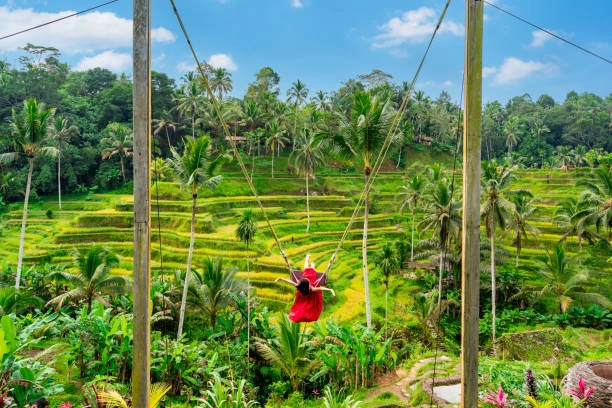
As you continue around the area, you will notice several swing and adventure setups positioned above or near the terraces.
These attractions are designed mainly for photo-focused experiences. They appeal most to travelers who enjoy dramatic visuals and don’t mind structured activities. The experience itself is short, and during busy hours, waiting times can be long.
Before deciding, it helps to know:
- Prices are separate from basic entrance access
- Lines are common during midday
- The experience is controlled and time-limited
If your priority is immersion and atmosphere, these swings may feel unnecessary. If capturing iconic, high-impact photos matters to you, this is where most visitors choose to stop.
4. Cafes and Restaurants with Rice Field Views
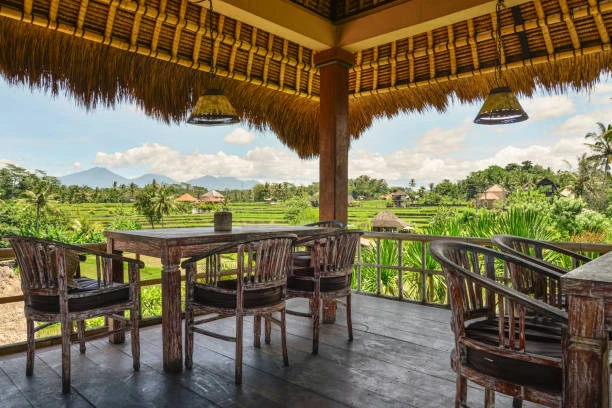
After walking through the terraces or finishing nearby activities, many visitors naturally end their visit at one of the cafés overlooking the fields.
These cafés are popular not because of standout cuisine, but because they offer a chance to sit down, cool off, and take in the view from above. The elevated position gives a different perspective on the terraces, especially after seeing them up close.
The best moments to sit are:
- Early morning, when the area feels calm
- Late afternoon, when the light softens and temperatures drop
Menus are generally simple, and prices reflect the location rather than culinary innovation. Think of these cafés as a resting point with a view, not a destination on their own.
Is Tegalalang Rice Terraces Worth Visiting?
Yes, Tegalalang Rice Terraces is worth visiting if you want to see one of Bali’s most accessible and visually striking rice landscapes without committing to a long trek or remote location.
Its main strength lies in how easy it is to experience. You can appreciate the scenery from the roadside, walk directly into the terraces, or simply sit with a view after exploring. This flexibility makes Tegalalang suitable for travelers with limited time, mixed travel styles, or a first introduction to Bali’s agricultural landscapes.
That said, Tegalalang is also one of the most visited rice terraces in Bali. If you are looking for complete silence or untouched surroundings, it may feel busy during peak hours. Visiting early in the morning or later in the afternoon makes a noticeable difference in how the area feels.
If you are still planning your Bali trip, our breakdown of the best time to visit Bali can help you match places like Tegalalang with the right season and travel pace.
Seeing Tegalalang the Right Way
Tegalalang is not about how many photos you take or how fast you move through it. It is about slowing down enough to actually notice the details. The curve of the terraces. The sound of water flowing between levels. The quiet rhythm of people working the land as they have for generations.
When visited with the right pace, Tegalalang feels less like a tourist stop and more like a moment of connection with Bali’s landscape and values. Timing matters. So does how you arrive, how long you stay, and what you choose to focus on once you are there.
At Bali Island Vacations, we believe places like Tegalalang are best experienced without rushing, rigid schedules, or crowded itineraries. Through private, curated travel planning, we help you explore Bali in a way that feels natural, unhurried, and aligned with how the island is meant to be experienced.