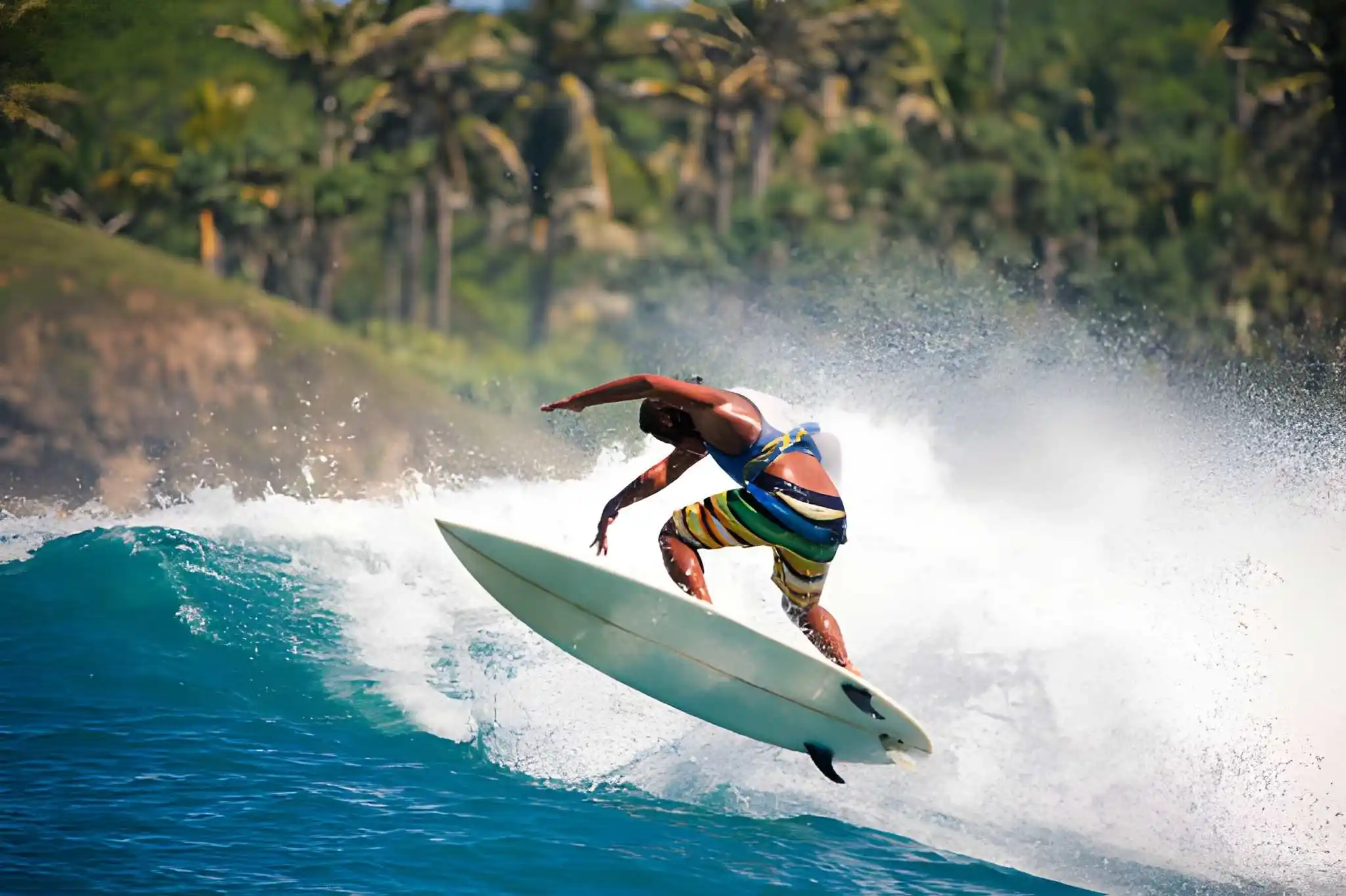
Bali has long been shaped by the ocean. Daily life follows the tides, seasons shift with the winds, and much of the island’s energy comes from its coastline. From wide sandy bays to dramatic limestone cliffs, Bali’s shores are varied, active, and deeply connected to how the island moves and breathes.
That coastal diversity is what makes surfing in Bali so unique. Within a short distance, you will find soft beach breaks, mellow point waves, and powerful reef setups, each suited to different levels and conditions. For many visitors, the first paddle out comes with excitement and a few quiet questions about reef, crowds, or timing.
So how do you know which surfing beaches in Bali actually fit your level, your season, and the way you want to experience the island? Here’s how to understand the differences before choosing where to surf.
Understanding Surfing in Bali Before You Paddle Out
Before looking at specific beaches, it helps to understand a few basics about how surfing in Bali works. Conditions change mainly with wind direction, swell, and wave type, and those factors shape how each session feels.
Here are the key things most visitors should know:
- Seasonal wind patterns matter
From April to October, west coast beaches usually offer cleaner conditions. Between November and March, the east coast tends to work better, especially in the mornings. - Beach breaks and reef breaks feel very different
Sandy beach breaks, such as Kuta or parts of Seminyak, are more forgiving and easier to read. Reef breaks, common around Uluwatu and Padang Padang, are more powerful and require better control and awareness. - Crowds are part of the experience
Popular surf beaches can be busy. Taking time to observe the lineup, respecting turns, and surfing within your limits helps sessions feel smoother and more enjoyable.
Understanding these basics makes it much easier to choose the right surfing beach in Bali, without unnecessary stress once you are in the water.
Beginner Friendly Surfing Beaches in Bali
Starting your surfing journey in Bali should feel exciting, not overwhelming. In 2026, Bali remains one of the most beginner friendly surf destinations in the world, thanks to its warm water, consistent waves, and beaches that naturally support learning at a relaxed pace.
These beaches are ideal if you are new to surfing, trying your first green waves, or simply looking for places where falling feels forgiving and progress feels natural.
Kuta Beach
Kuta is where countless surf journeys in Bali begin. The long stretch of sandy beach creates waves that break gently and predictably, giving beginners room to focus on balance, timing, and confidence without fear of sharp reefs below.
The energy here is lively, but the size of the beach allows surfers to spread out. Surf schools are everywhere, making it easy to rent boards, join a lesson, or watch others before paddling out.
What to Expect:
- Wave Type: Soft beach break with rolling, forgiving waves.
- Best Time to Surf: Early morning for lighter winds and fewer crowds.
- Skill Level: Complete beginners to early learners.
- Entry Point: Walk straight in from the sand, no technical access needed.
Pro Tips:
- Start closer to shore where whitewater helps you practice pop ups.
- Use a soft top longboard to build stability faster.
- Focus on mornings, especially if you want a calmer first experience.
Kuta may not be the most scenic surf beach in Bali, but for learning fundamentals, it remains one of the most practical choices.
Seminyak and Legian
Stretching north from Kuta, Seminyak and Legian offer similar surf conditions with a slightly calmer, more laid back atmosphere. The waves remain beginner friendly, but the surroundings feel less hectic and more lifestyle oriented.
Surfing here blends easily into the day. A morning session flows naturally into café breakfasts, beach walks, and sunset views, making it ideal for travelers who want surfing to be part of the experience rather than the entire focus.
What to Expect:
- Wave Type: Beach break with mellow, rolling waves.
- Best Time to Surf: Morning during smaller to medium swells.
- Skill Level: Beginners building consistency.
- Entry Point: Direct access from the beach with sandy bottom.
Pro Tips:
- Choose Legian if you want slightly more space in the water.
- Smaller swell days are perfect for relaxed learning sessions.
- Combine surfing with walking breaks to avoid fatigue.
For beginners staying nearby, Seminyak and Legian feel approachable, comfortable, and easy to return to day after day.
Canggu Batu Bolong
Batu Bolong, often called Old Man’s, is where many surfers move from beginner basics into real confidence. The wave here is longer and slower, allowing you to stay on the board longer and experiment with trimming and gentle turns.
The lineup can be busy, but most surfers are at a similar learning stage, creating a supportive and encouraging environment rather than an intimidating one.
What to Expect:
- Wave Type: Slow, rolling reef break with long ride potential.
- Best Time to Surf: Mid tide with smaller swells.
- Skill Level: Beginners progressing toward intermediate.
- Entry Point: Paddle out from the sandy channel near the main beach.
Pro Tips:
- Use a longboard to maximize wave count and ride length.
- Stay aware of crowd positioning to avoid collisions.
- Focus on control rather than speed, the wave rewards patience.
Batu Bolong is perfect if you already understand basic board control and want to build flow without stepping into heavier conditions.
Baby Padang
Just next to the famous Padang Padang Left, Baby Padang offers a gentler introduction to reef surfing. On smaller days, the wave becomes playful and manageable, giving beginners a chance to experience reef breaks in a controlled way.
This spot requires awareness, but rewards surfers with clean lines and satisfying rides when conditions align.
What to Expect:
- Wave Type: Friendly reef break on smaller swells.
- Best Time to Surf: Low to mid tide with manageable swell size.
- Skill Level: Confident beginners ready for reef exposure.
- Entry Point: Enter carefully through the sandy section near the channel.
Pro Tips:
- Watch the tide closely to avoid shallow sections.
- Wear reef booties if you are new to reef breaks.
- Not feeling ready? Stay closer to shore or observe first.
Baby Padang offers a stepping stone toward more advanced reef waves without overwhelming pressure.
Medewi
Medewi feels worlds away from the busy surf hubs of South Bali. Located on the west coast, this spot is known for its long, gentle left hand waves that allow surfers to focus on rhythm, positioning, and smooth technique.
The village atmosphere is calm, and sessions feel unhurried. Waves often carry riders far down the point, creating long, satisfying rides that build confidence naturally.
What to Expect:
- Wave Type: Long, mellow left hand point break.
- Best Time to Surf: Morning sessions with light wind.
- Skill Level: Beginners to early intermediates.
- Entry Point: Easy paddle from shore with clear take off zones.
Pro Tips:
- Focus on wave selection rather than rushing take offs.
- Ideal spot for practicing stance and flow.
- Stay patient, longer rides reward relaxed timing.
Medewi is where surfing in Bali begins to feel personal, calm, and deeply rewarding.
Intermediate Friendly Surfing Beaches in Bali
Once you have built basic confidence in the water, Bali starts to open up in a very different way. These beaches are perfect if you can already paddle comfortably, catch waves consistently, and are ready to experience cleaner lines with a bit more power.
They are still approachable, but reward better positioning, timing, and awareness.
Balangan Beach
Balangan is often the moment when surfers realize they are truly surfing Bali, not just learning in Bali. The wide limestone cliffs, clear water, and open ocean feel create a powerful first impression, but the wave itself remains surprisingly manageable on the right day.
On smaller to medium swells, Balangan offers long, peeling waves that allow intermediate surfers to work on turns without feeling rushed.
What to Expect:
- Wave Type: Left and right hand reef break with clean faces.
- Best Time to Surf: Dry season mornings with mid tide.
- Skill Level: Intermediate surfers.
- Entry Point: Paddle out from the sandy section near the center of the beach.
Pro Tips:
- Avoid very low tide to prevent shallow reef encounters.
- Read the lineup before paddling out, waves can shift.
- Great spot to practice carving turns rather than straight rides.
Balangan feels adventurous but controlled, making it a favorite step up from beginner beach breaks.
Dreamland Beach
Dreamland combines accessibility with excitement. While the name suggests something mellow, the wave here can offer punchy sections that help intermediate surfers learn how to handle speed and stronger take offs.
The beach itself is wide and welcoming, which helps balance the more dynamic wave energy.
What to Expect:
- Wave Type: Fast beach break with occasional hollow sections.
- Best Time to Surf: Morning with clean swell direction.
- Skill Level: Intermediate surfers building confidence.
- Entry Point: Easy walk in from the sandy beach.
Pro Tips:
- Choose smaller swell days to keep conditions manageable.
- Position yourself slightly wider to avoid steep drops.
- Watch how waves are breaking before committing.
Dreamland is ideal if you want to feel more power without stepping into heavy reef territory.
Jimbaran Bay
Jimbaran is often overlooked as a surf destination, but for intermediate surfers, it offers something special. The bay naturally softens incoming swells, creating waves that are smoother, longer, and more forgiving than open coast breaks.
It is also one of the few places where surfing feels calm even during busier seasons.
What to Expect:
- Wave Type: Gentle reef break with rolling shoulders.
- Best Time to Surf: Mid tide with consistent swell.
- Skill Level: Beginner to intermediate transition.
- Entry Point: Paddle out from sandy areas along the bay.
Pro Tips:
- Perfect for practicing cutbacks and flow.
- Ideal when other South Bali spots feel too intense.
- Combine surfing with a relaxed beach day afterward.
Jimbaran is less about performance and more about refinement.
Bingin on Smaller Days
Bingin is famous for heavy barrels, but on smaller days, it becomes a surprisingly workable wave for confident intermediates. The key is timing and choosing the right conditions.
When the swell drops, Bingin transforms into a wave that teaches precision without immediate punishment.
What to Expect:
- Wave Type: Left hand reef break with defined take off zones.
- Best Time to Surf: Smaller swell windows during dry season.
- Skill Level: Strong intermediate surfers.
- Entry Point: Careful paddle from the beach or channel.
Pro Tips:
- Only paddle out if you are confident with reef awareness.
- Watch several sets before entering the lineup.
- If it feels too intense, step back and wait for better conditions.
Bingin on the right day is a controlled challenge, not a gamble.
Advanced Swimmable Surf Beaches in Bali
For experienced surfers, Bali is not just a destination. It is a proving ground. These beaches offer world class waves that demand awareness, respect for the ocean, and strong technical control.
They are swimmable in the sense that access is possible without extreme hazards, but the waves themselves are powerful. This is where preparation matters more than bravery.
Uluwatu
Uluwatu is Bali’s most iconic surf destination, not because it is easy, but because it is endlessly rewarding for those who are ready. Multiple sections break along the reef, offering long rides, speed, and power in one setting.
The experience starts before you even touch the water, descending through the limestone cave toward the ocean.
What to Expect:
- Wave Type: Powerful left hand reef break with multiple sections.
- Best Time to Surf: June to September during peak dry season.
- Skill Level: Advanced to expert surfers.
- Entry Point: Paddle out through the cave or channel, tide dependent.
Pro Tips:
- Study the section you want to surf before paddling out.
- Keep energy in reserve, long paddle outs are common.
- Respect the lineup, this is a performance focused wave.
Uluwatu rewards flow and positioning more than aggression.
Padang Padang Main Break
Often called the Balinese Pipeline, Padang Padang is short, intense, and beautiful in a raw way. This wave breaks directly over sharp reef and delivers fast, hollow barrels that leave no margin for hesitation.
It is not about how long you ride, but how well you read the moment.
What to Expect:
- Wave Type: Hollow left hand reef break with heavy barrels.
- Best Time to Surf: Solid swell during dry season.
- Skill Level: Advanced to pro only.
- Entry Point: Paddle out from the small sandy beach, timing is critical.
Pro Tips:
- Wear reef booties if conditions allow.
- If you are unsure, watch from the beach first.
- Baby Padang nearby is a safer alternative on smaller days.
This wave demands full commitment and calm decision making.
Keramas Beach
Keramas represents Bali’s modern surf scene. Fast, technical, and often used for professional competitions, this right hand reef break delivers speed and precision.
It is also one of the few spots that shines during the wet season, making it essential for year round surfers.
What to Expect:
- Wave Type: Fast right hand reef break, often hollow.
- Best Time to Surf: November to March when east coast turns offshore.
- Skill Level: Advanced surfers.
- Entry Point: Paddle out directly from the beach.
Pro Tips:
- Expect strong currents on bigger days.
- Positioning is crucial, waves move quickly.
- Night surfing is popular here, but only for confident surfers.
Keramas is less about style and more about reaction speed.
Green Bowl Beach
Green Bowl is not crowded, not convenient, and not forgiving. That is exactly why advanced surfers love it. The long staircase down filters casual visitors, leaving a cleaner lineup and more focused sessions.
The wave itself is sharp, fast, and intense.
What to Expect:
- Wave Type: Right hand reef break with strong sections.
- Best Time to Surf: Dry season with medium swell.
- Skill Level: Advanced surfers only.
- Entry Point: Paddle out from the small beach after descending the stairs.
Pro Tips:
- Bring everything you need, facilities are minimal.
- Surf with awareness of exit points.
- Avoid low tide unless highly confident.
Green Bowl feels remote even in South Bali.
Impossibles
Impossibles lives up to its name for many surfers. The wave is long, fast, and requires continuous speed generation across multiple sections.
When conditions align, it delivers one of the longest rides in Bali.
What to Expect:
- Wave Type: Long left hand reef break with multiple walls.
- Best Time to Surf: Medium to large swell during dry season.
- Skill Level: Strong intermediate to advanced surfers.
- Entry Point: Paddle out via channel near Bingin area.
Pro Tips:
- Choose boards that hold speed well.
- Watch tide levels carefully.
- Ideal for surfers who enjoy sustained rides.
Impossibles rewards endurance and clean lines.
If you want to understand how surfing fits into Bali’s wider coastline, our guide to The Best Beaches in Bali for Every Type of Island Experience offers helpful context beyond the waves.
Best Time of Year to Surf in Bali
Surfing in Bali is shaped mainly by wind direction and swell patterns, not by hype around certain months. At different times of the year, different sides of the island offer cleaner waves and more comfortable conditions. Understanding this simple shift already helps you choose the right beaches with far more confidence.
April to October: West Coast Conditions Are More Reliable
From April through October, the west coast of Bali tends to offer the most consistent surfing conditions. Trade winds blow offshore, southern swells arrive regularly, and beach and reef breaks along this side of the island hold their shape well, especially in the morning.
This is the season when places like Kuta, Canggu, Balangan, Bingin, Medewi, and Uluwatu are most dependable. The waves are cleaner, rides are longer, and planning surf days feels simpler, particularly for visitors who want predictability rather than chasing conditions.
Crowds are part of this season, especially at well known breaks. That trade off is something most surfers quietly accept in exchange for consistency.
November to March: The East Coast Becomes a Smarter Choice
Between November and March, wind patterns shift. During this period, west coast conditions can be less stable, while parts of the east coast begin to work more regularly.
Beaches like Keramas and Serangan often deliver cleaner waves during these months, particularly early in the day. While rain is more frequent during the wet season, it rarely affects surf conditions for an entire day. Many sessions still happen under clear skies if timing is right.
For travelers visiting Bali during this period, adjusting expectations and being open to different coastlines usually leads to better surf experiences.
Final Thoughts
Surfing in Bali works best when you choose with awareness, not ambition. The island offers waves for every level, but the most memorable sessions usually happen when conditions, location, and skill align naturally.
For some surfers, Bali is about steady progress and confidence. For others, it is about refinement, rhythm, and learning to read the ocean in a new environment. What matters is not how many spots you surf, but how well each session fits the way you move in the water and the pace you want from the island.
At Bali Island Vacations, we help you experience Bali’s surf culture with clarity and balance. From understanding seasonal conditions to choosing surfing beaches that match your level and travel style, we focus on helping you surf comfortably, safely, and with respect for the local rhythm of the island.
If you want your surfing experience in Bali to feel considered rather than rushed, and guided rather than overwhelming, we are here to help you shape the right flow, both in the water and beyond it.