
Bali is often remembered for its beaches and temples, but some of its most meaningful experiences happen far from the coast.
Penglipuran Village offers a different side of the island. One that feels calm, ordered, and deeply rooted in tradition. The moment you step inside, the noise fades, the pace slows, and everyday life unfolds with quiet intention. This is not a recreated attraction. It is a living village where customs are practiced daily, not performed.
If you are curious about what authentic Balinese village life truly feels like, Penglipuran is one of the clearest places to understand it.
What Is Penglipuran Village? Understanding Bali’s Living Traditional Community
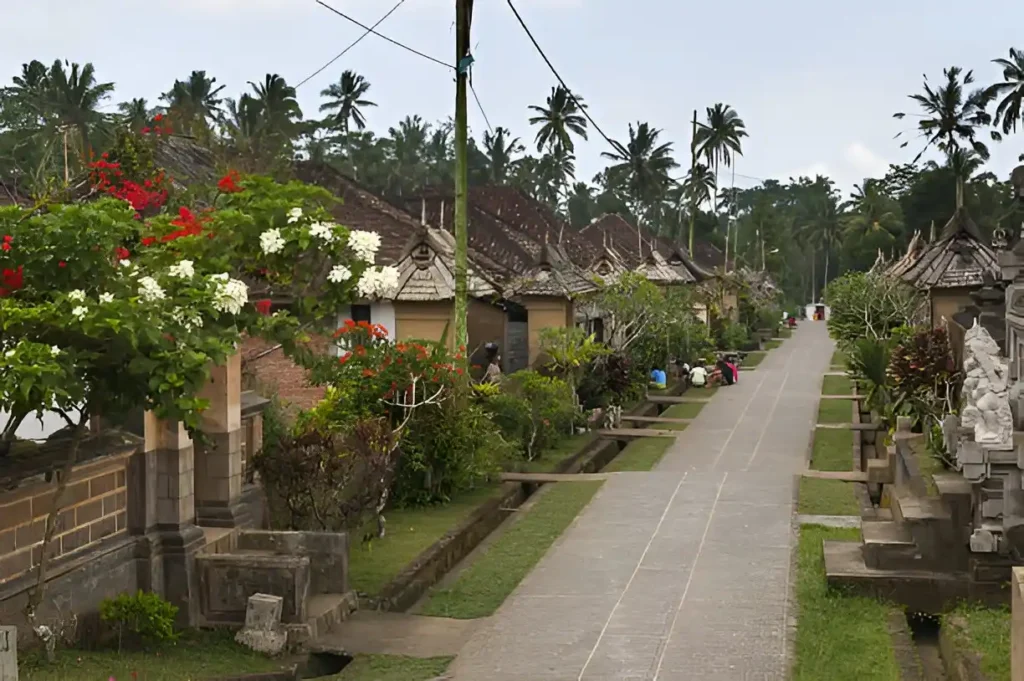
Penglipuran Village is a traditional Balinese village known for preserving its original layout, architecture, and way of life. Unlike many places shaped by tourism, Penglipuran remains structured around ancestral rules that guide how people live, build, and interact with one another.
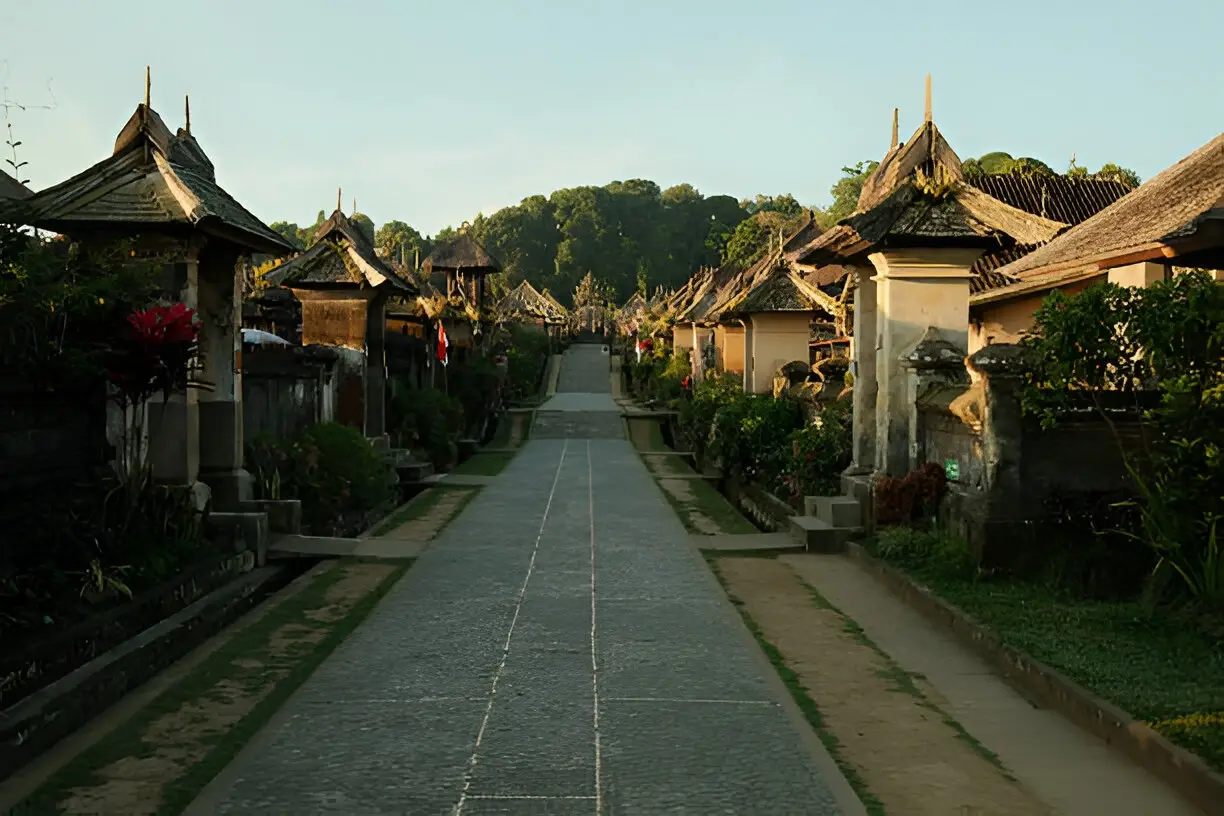
The village is famous for its perfectly aligned main pathway, traditional family compounds on both sides, and a strong sense of order that reflects Balinese philosophy. Each home follows similar design principles, not to limit individuality, but to maintain harmony within the community. This balance between personal space and collective order is central to understanding Penglipuran.
What makes Penglipuran especially meaningful is that it is not frozen in time. Families still live here. Ceremonies still happen. Daily routines continue naturally, with or without visitors. When you walk through the village, you are observing real life, not a staged cultural display.
For many visitors, Penglipuran becomes a reference point. It shows how Balinese traditions are woven into everyday life, shaping behavior, relationships, and the physical environment in subtle but powerful ways.
Where Is Penglipuran Village Located and How You Can Get There
Penglipuran Village is located in Bangli Regency, in central eastern Bali. It sits at a higher elevation compared to coastal areas, which gives the village cooler air and a quieter atmosphere.
From Ubud, the drive usually takes around one hour, depending on traffic. The route passes through smaller towns and rural landscapes, gradually moving away from busy tourist zones. This transition is part of the experience. You can feel the environment changing as you approach the village.
If you are staying in South Bali areas like Seminyak, Canggu, or Uluwatu, the journey typically takes 1.5 to 2 hours. While it is possible to visit independently, many travelers prefer to include Penglipuran as part of a curated day trip, allowing time to explore without rushing.
The village is accessible by car or private driver, and the roads leading there are generally well maintained. Once you arrive, everything inside Penglipuran is explored on foot, which encourages a slower and more attentive way of moving through the space.
Reaching Penglipuran feels intentional. It is not something you stumble upon. And that sense of effort often makes the experience feel more meaningful once you are there.
If Penglipuran feels meaningful to you, there are other cultural experiences across Bali that show how traditions are still lived daily, not staged for visitors.
Entrance Fees, Tickets, and Practical Information You Should Know
Before visiting Penglipuran Village, it helps to understand how access works so you can plan your time comfortably and avoid unnecessary surprises.
Penglipuran Village applies an official entrance fee system managed by the local community. This fee is not only for access, but also functions as a contribution to village maintenance, cultural preservation, and environmental care. By visiting, you are directly supporting the people who keep Penglipuran authentic and well preserved.
Entrance Fees at Penglipuran Village
Knowing the exact entrance fee helps set expectations before arriving. Penglipuran Village is refreshingly straightforward when it comes to pricing, with no hidden charges once you are inside.
As of the latest update, the entrance fees are:
- Foreign adults: IDR 50,000 per person
- Foreign children: IDR 30,000 per person
This ticket gives you full access to the village for as long as you wish to stay. You can walk along the main stone pathway, observe traditional house compounds from the front areas, explore the bamboo forest surroundings, and experience daily village life without any additional mandatory costs.
There are no compulsory add ons inside the village. You are free to explore at your own pace, take photos, and interact respectfully with the environment. Optional activities or local purchases are entirely up to you.
If you arrive by vehicle, a small parking fee applies:
- Scooters: IDR 2,000
- Cars: IDR 5,000
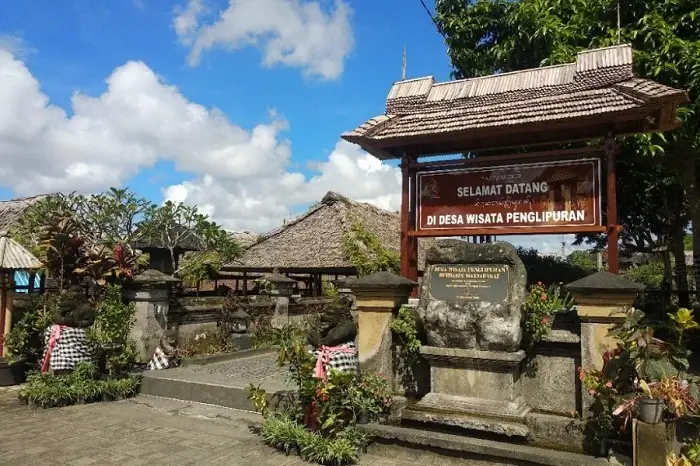
All prices are clearly displayed at the entrance gate, and payment is made directly at the ticket counter upon arrival.
What Facilities Are Available Inside the Village
Penglipuran Village is well prepared for visitors without feeling commercialized. Inside the area, you will find:
- Clean public toilets located near the entrance and central area
- Small local stalls selling drinks, snacks, and simple souvenirs
- Benches and shaded spots where you can sit and observe the surroundings
- Clear walking paths that are easy to navigate
There are no large cafes or restaurants inside the village itself, which helps preserve its quiet atmosphere. If you plan to eat after your visit, nearby areas outside the village offer more dining options.
Rules and Visitor Etiquette
Penglipuran is a living village, not an open air museum. Visitors are expected to follow basic etiquette:
- Dress modestly, especially when passing family compounds
- Do not enter private areas unless invited by residents
- Keep your voice low and avoid disruptive behavior
- Dispose of trash properly or take it with you
These guidelines are simple, but they make a significant difference in maintaining the respectful atmosphere Penglipuran is known for.
Opening Hours and the Best Time to Visit Penglipuran Village
Penglipuran Village is open to visitors daily, including weekends and public holidays. Opening hours usually start in the morning and continue until late afternoon, allowing flexibility for different travel styles.
Best Time of Day to Visit Penglipuran Village
If you want to experience Penglipuran at its most authentic and comfortable, timing matters more than you realize.
- Early morning, between 8:00 and 10:00 AM, is the best time to visit.
At this hour, the village feels calm and orderly. Residents begin their daily routines, the stone pathway is still quiet, and the air is noticeably cooler. This is also when Penglipuran feels most “lived in” rather than staged. For photography, the soft morning light creates clean shadows and fewer people appear in your frames. - Late afternoon, around 4:00 to 5:30 PM, is another excellent window.
The light becomes warmer, temperatures drop, and the village takes on a softer, more relaxed atmosphere. This is a good time if you enjoy walking slowly and observing details without the intensity of midday heat.
Late morning to early afternoon, roughly 10:30 AM to 2:30 PM, is best avoided if possible.
This is when group tours usually arrive, and the main pathway can feel crowded. The sun is also at its strongest, making the stone paths hot and photography less forgiving.
Best Season to Visit Penglipuran Village
Penglipuran Village can be visited year round, but the overall experience changes depending on the season.
- The dry season, from May to October, offers the most comfortable conditions.
Skies are generally clearer, humidity is lower, and walking through the village feels easier. This period is ideal if you want consistent weather for exploring, photography, and combining Penglipuran with other outdoor destinations. - The rainy season, from November to April, brings a different kind of atmosphere.
The village becomes greener, the air feels cooler, and the surrounding bamboo forest looks especially lush. Rain usually comes in short bursts rather than lasting all day, but paths can be slippery and photography may require more patience.
Visiting during major Balinese holidays such as Galungan or Kuningan adds cultural depth to the experience. Decorative bamboo poles line the entrance, and you may see residents in traditional attire. These periods feel special, but they also attract more visitors, so arriving early becomes even more important.
If you are still planning your overall itinerary, understanding seasonal patterns across the island can help you decide the most suitable timing for your trip.
How to Explore Penglipuran Village and What To Do There
The village follows a straight, gently sloping stone pathway that runs from the main gate through the heart of the settlement. This layout is reflects traditional Balinese spatial philosophy, where order, balance, and harmony guide how people live and move through space.
1. Walk the Main Path With Awareness
Start by walking the central pathway without a fixed agenda. On both sides, you will see traditional house compounds with identical gates, clean courtyards, and neatly arranged bamboo fences. While the architecture appears uniform, each compound belongs to a different family and carries subtle personal details.
As you walk, notice how residents interact with one another. Some will be preparing offerings, sweeping their yards, or simply sitting quietly. This is daily life, not a performance. Observing respectfully from the path is often more meaningful than rushing from one photo spot to another.
2. Visit the Front Areas of Traditional Compounds
Many families allow visitors to view the front section of their homes. These areas usually include a small shrine, seating space, and open courtyard. If a resident invites you in, accept politely and remain mindful of where you step or sit.
This interaction offers insight into how Penglipuran residents maintain tradition while living in the present. You are not just seeing structures, but a way of life that has been intentionally preserved.
3. Explore the Bamboo Forest Area
At the lower end of the village lies a bamboo forest that plays an important role in Penglipuran’s identity. Bamboo is used for building, fencing, ceremonial tools, and daily household needs.
Walking through this area provides a natural transition from village life to landscape. The air feels cooler, sounds soften, and the atmosphere becomes more reflective. It is an ideal place to pause before heading back toward the entrance.
4. Photography: Capture Atmosphere, Not Just Symmetry
Penglipuran is visually striking, but its beauty lies in details and rhythm, not just straight lines.
Early morning light creates soft shadows along the stone path and highlights the texture of bamboo roofs and gates. Instead of focusing only on wide shots, try capturing moments: a resident arranging offerings, a doorway framed by greenery, or the quiet alignment of gates receding into the distance.
Always ask permission before photographing people closely. Most residents are welcoming, but respect comes first.
Travel Tips for Visiting Penglipuran Village Comfortably
A visit to Penglipuran is simple, but a few considerations can significantly improve the experience.
1. Dress With Respect and Comfort
There is no strict dress code, but modest clothing is strongly recommended. Light, breathable fabrics work best, especially if visiting during mid day. Comfortable walking shoes are important, as the stone pathway can be uneven in places.
If you plan to visit temples elsewhere on the same day, wearing clothing that covers shoulders and knees helps avoid changing later.
2. Take Your Time, Even If the Visit Is Short
Penglipuran does not require hours to explore, but rushing through it misses the point. A visit of 45 to 90 minutes is usually ideal, allowing time to walk slowly, observe, and pause without pressure.
If the village feels busy when you arrive, consider waiting near the entrance or bamboo forest until crowds thin out.
3. Combine Penglipuran With Nearby Destinations Thoughtfully
Penglipuran pairs well with other destinations in Bangli or central Bali, such as temples, viewpoints, or quiet countryside stops. Avoid combining it with overly packed itineraries. The village experience works best when surrounded by a slower travel pace.
4. Be Mindful of Community Space
Remember that Penglipuran is a living village. Avoid loud conversations, do not move objects for photos, and never enter private areas without invitation. Small actions contribute to maintaining the atmosphere that makes Penglipuran special.
Is Penglipuran Village Worth Visiting?
Yes, Penglipuran Village is worth visiting, especially if you want to see a side of Bali that still lives by tradition, not tourism trends.
Penglipuran offers a clear picture of how a traditional Balinese village functions today. The layout is orderly, the environment is exceptionally clean, and daily life follows long-held customs that are still actively practiced by the community. This is not a staged cultural attraction. People live here, work here, and maintain the village together.
The experience is simple but meaningful. You walk through the village, observe the architecture, see how homes are arranged, and notice how tradition shapes everyday life. It does not take long to explore, but it gives context to Bali’s cultural identity that many travelers miss when only visiting beaches or resorts.
If you enjoy cultural insight, quiet places, and learning how local communities preserve their values, Penglipuran is absolutely worth your time. If you are looking for entertainment or activities, it may feel limited. Knowing this beforehand helps you enjoy the village for what it truly offers.
Experiences like Penglipuran often make you wonder what Bali is truly famous for beyond its beaches and resorts.
Experiencing Penglipuran Village, Simply and Respectfully
Penglipuran is best experienced at a slow and respectful pace.
There is no need to rush or follow a fixed route. Walking along the main stone path, observing the traditional gates, and seeing how each household is organized is already the core experience. Take time to notice small details, the cleanliness of the village, the symmetry of the layout, and how quiet the atmosphere feels compared to other parts of Bali.
Interacting politely with locals, respecting private spaces, and following village rules are part of the experience. This is what allows Penglipuran to remain authentic and well preserved.
At Bali Island Vacations, we see Penglipuran as a place that adds balance to a Bali itinerary. It offers cultural understanding rather than excitement, and simplicity rather than spectacle. When visited with the right expectations, it becomes a calm and insightful stop that complements Bali’s more popular destinations.