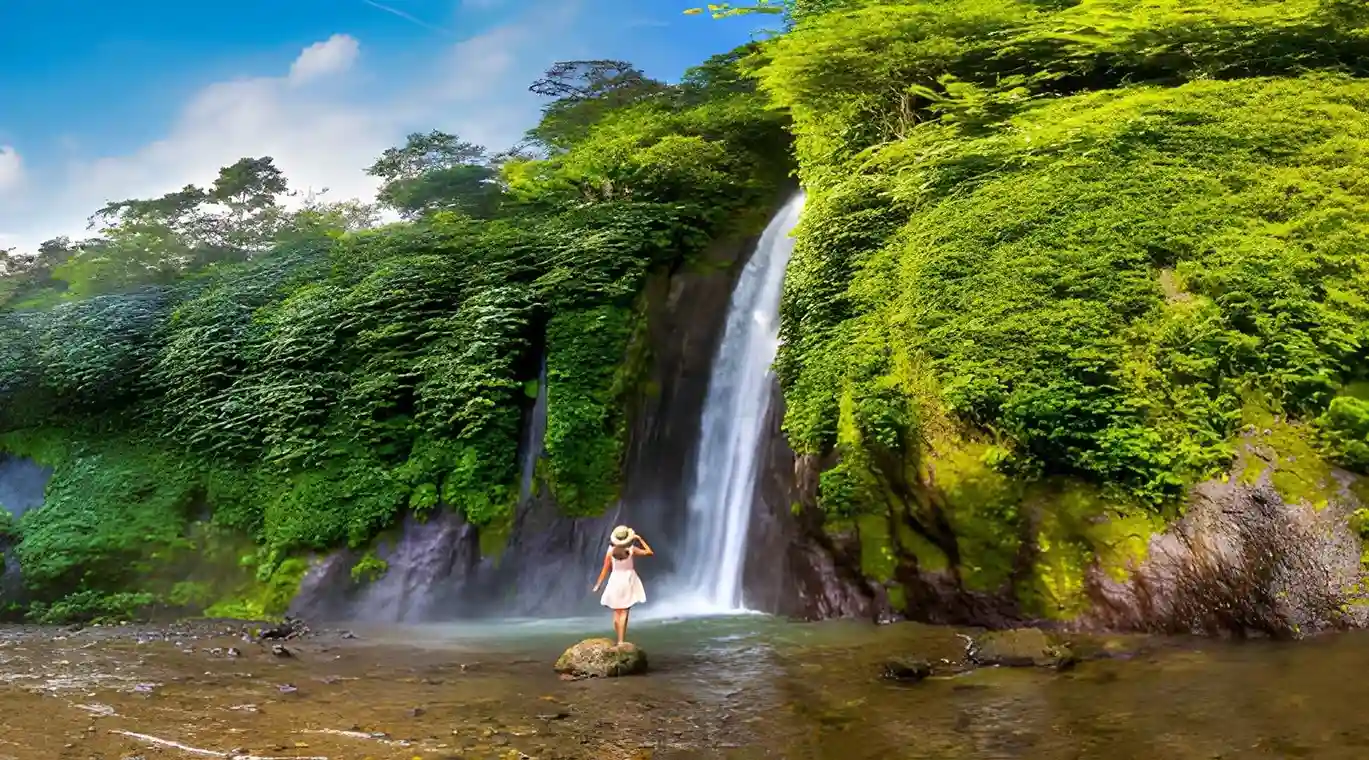
Munduk is a small mountain village in North Bali known for waterfalls, cool temperatures, jungle trekking, and coffee plantations. Located high in the hills of Buleleng Regency, Munduk offers a peaceful alternative to the busy beaches of South Bali.
If you’re looking for fresh air, scenic viewpoints, and nature focused experiences, this Munduk travel guide covers everything you need to know.
Quick Facts About Munduk
Here are the essential details travelers usually want to know before visiting Munduk:
- Location: North Bali, Buleleng Regency
- Altitude: Approximately 800–1,200 meters above sea level
- Temperature: 18–25°C (cooler than Ubud or coastal areas)
- Distance from Ngurah Rai Airport: Around 2.5–3.5 hours by car
- Distance from Ubud: Around 2–2.5 hours
- Recommended stay: 1–2 nights
- Best for: Nature lovers, couples, hikers, slow travelers
- Best season: May to October (dry season)
Munduk is best known for its cluster of waterfalls, panoramic mountain views, and quiet countryside atmosphere.
Where Is Munduk?
Munduk is located in the highlands of Buleleng Regency, in North Bali. It sits between the central mountains and the northern coastline, overlooking lush valleys and forested hills.
The village is positioned near several major natural landmarks, including:
- Lake Buyan
- Lake Tamblingan
- Ulun Danu Beratan Temple
Because of its elevation, Munduk has a noticeably cooler climate compared to areas like Seminyak, Canggu, or Uluwatu. Early mornings are often misty, creating dramatic jungle views and peaceful mountain scenery.
How to Get to Munduk
Reaching Munduk requires a scenic mountain drive, but the journey is part of the experience.
- From Ngurah Rai International Airport:
Approximately 2.5–3.5 hours by car, depending on traffic. - From Ubud:
Around 2–2.5 hours via mountain roads. - From Canggu or Seminyak:
Around 3–4 hours.
Transportation Options
- Private driver
- Self-drive
- Guided North Bali tour with stopovers
Roads become narrower and winding as you approach Munduk, so driving requires caution, especially during rainy season.
Why You Should Visit Munduk?
Munduk is one of Bali’s best mountain destinations for travelers seeking waterfalls, cool air, and a peaceful countryside atmosphere. Located in the highlands of North Bali, this small village is surrounded by jungle valleys, scenic viewpoints, and clove and coffee plantations that define its landscape and identity.
Unlike coastal areas, Munduk offers a slower rhythm of travel. Days here revolve around waterfall trekking, sunrise viewpoints, plantation walks, and staying in hillside lodges with panoramic valley views. The climate is cooler, the air is fresher, and the overall atmosphere feels calm and immersive.
Munduk stands out because of:
- Fewer crowds compared to South Bali
- Consistently cool mountain temperatures (18–25°C)
- A compact waterfall cluster within walking or short driving distance
- Authentic village surroundings with traditional farming culture
- Strong coffee and clove plantation heritage
- Scenic mountain roads overlooking twin lakes and forested hills
This is the type of Bali experience suited for nature lovers, couples, hikers, photographers, and slow travelers who prioritize landscape and tranquility over nightlife or beach clubs.
Things You Can Do in Munduk
Munduk is best explored through its waterfalls, mountain scenery, and highland lakes. Most attractions are spread within 10–40 minutes of the village center, making it ideal for slow exploration over 1–2 days.
Here are the most worthwhile experiences in Munduk and its surrounding highlands.
1. Visit Banyumala Twin Waterfalls
Located about 30–40 minutes from Munduk village, Banyumala Twin Waterfall is often considered the most beautiful waterfall in the area.
What makes Banyumala stand out is its natural symmetry, two parallel cascades flowing into a wide, calm pool surrounded by steep jungle walls. Unlike many waterfalls in Bali that have strong currents or shallow basins, Banyumala’s pool is relatively deep and suitable for swimming.
The walk down takes around 10–15 minutes on a descending forest path. It’s moderately steep but manageable with proper footwear.
Best time to visit:
- Early morning (before 10 AM)
- During dry season for clearer water
If you’re only visiting one waterfall near Munduk, this is often the top recommendation.
2. Explore the Munduk Waterfall Trail (Waterfall Cluster Route)
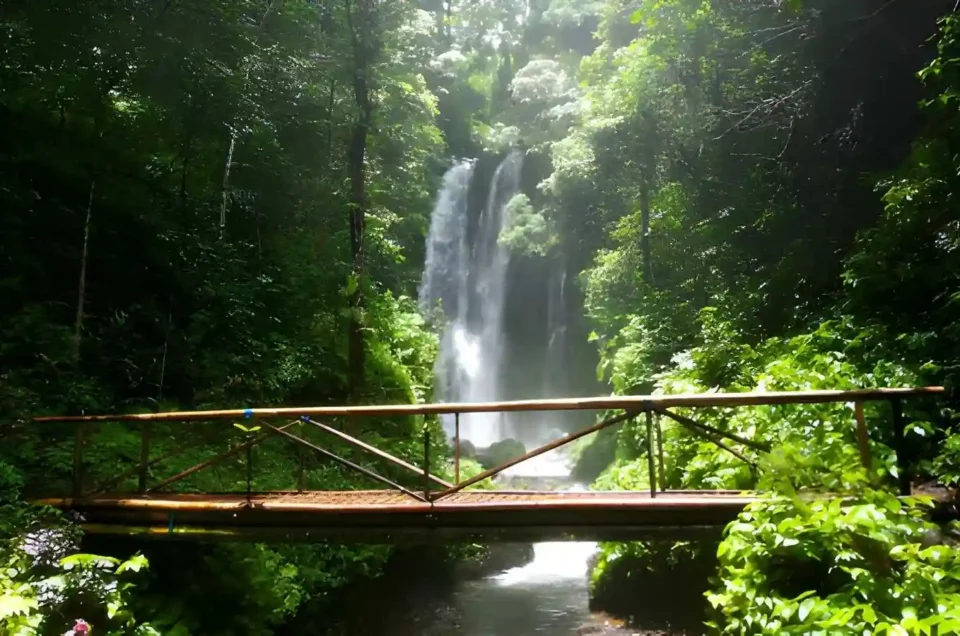
One of the reasons Munduk is special is not just a single waterfall — it’s the concentration of several within close walking distance.
The most accessible is Munduk Waterfall, located just a short walk from the main road. From there, you can continue along interconnected paths to visit:
- Melanting Waterfall
- Golden Valley Waterfall
- Labuhan Kebo Waterfall
This route can take 2–4 hours depending on your pace and stops. The trails pass through clove plantations, small village paths, and shaded jungle sections.
Golden Valley Waterfall is particularly popular for its small café overlooking the falls — a good resting point mid-trek.
This cluster makes Munduk one of the easiest places in Bali to experience multiple waterfalls in a single morning without long drives between each stop.
3. Visit Aling-Aling Waterfall for an Adventure Experience
For travelers looking for something more adventurous, Aling-Aling Waterfall offers a different style of experience.
Located about 1–1.5 hours north of Munduk, Aling-Aling is known for:
- Natural rock slides
- Cliff jumping platforms
- Guided waterfall adventure routes
Unlike the quiet scenic waterfalls near the village, Aling-Aling is more activity-focused. Visitors are required to use local guides for jumping and sliding areas, which helps maintain safety standards.
This makes it ideal for active travelers who want to combine scenic beauty with adrenaline.
4. See the Twin Lakes Viewpoint (Buyan & Tamblingan)
Driving toward Munduk from the south, you’ll pass panoramic viewpoints overlooking:
- Lake Buyan
- Lake Tamblingan
These twin crater lakes sit side by side within a volcanic caldera, surrounded by dense forest and mountain ridges.
Early mornings often bring low-hanging mist that creates dramatic layers across the water. Several roadside stops along Wanagiri ridge provide unobstructed views.
This is one of the most iconic natural landscapes in North Bali and a must-stop photo location when visiting Munduk.
5. Explore Lake Tamblingan by Traditional Canoe
Among the twin lakes, Lake Tamblingan offers the most tranquil experience. Unlike the more developed Lake Beratan, Tamblingan remains largely untouched and spiritually significant to local communities.
Here you can:
- Rent a traditional wooden dugout canoe
- Visit small lakeside temples
- Walk quiet jungle trails along the shoreline
The atmosphere is peaceful, especially in the early morning when mist floats above the lake surface. It’s a slow, reflective experience, very different from Bali’s coastal energy.
6. Discover Munduk’s Coffee & Clove Plantation Heritage
Munduk has long been known for its highland coffee and clove plantations. The cooler mountain climate and fertile volcanic soil make this area ideal for growing Arabica coffee.
One of the most recognized plantation areas is around Munduk Moding Plantation, where visitors can:
- Learn about Arabica and Robusta cultivation
- See traditional drying methods
- Experience guided coffee tastings
- Enjoy elevated viewpoints over jungle valleys
Even outside formal plantation tours, you’ll notice clove trees lining many trekking paths. During harvest season, the scent of drying cloves fills the air, a sensory detail that makes Munduk feel distinct from other parts of Bali.
If you interested in agro-tourism or slow travel, this is one of the most authentic cultural experiences in the region.
7. Walk Through Munduk Rice Terraces
While South Bali has famous rice terraces, Munduk offers a quieter, less commercial alternative.
The rice fields here are smaller and more integrated into village life. You’ll often see farmers working the land, irrigation channels running along pathways, and mountain backdrops framing the scenery.
Best way to explore:
- Short morning walks near village roads
- Guided countryside treks
- Combine with waterfall routes
Because Munduk sits at higher elevation, the landscape feels more dramatic, rolling hills instead of flat paddies. It’s less about iconic photo platforms and more about authentic rural atmosphere.
8. Stop at Wanagiri Hidden Hills Viewpoints
Perched along the mountain ridge between Munduk and Bedugul, Wanagiri Hidden Hills offers some of the most expansive views in North Bali. From here, you can see the twin crater lakes, Lake Buyan and Lake Tamblingan, stretching across a volcanic caldera framed by dense rainforest.
The site is known for its lake-facing swings, bird-nest photo platforms, and wooden viewing decks. While these installations are popular for photography, the real value lies in the geography itself: layered mountain ridges, shifting cloud formations, and the dramatic drop from ridge to lake basin below.
Early mornings are the best time to visit. The air is cooler, visibility is clearer, and mist often lingers above the lakes, creating depth and dimension in the landscape. By midday, fog or heavier cloud cover can limit visibility.
Wanagiri works best as a scenic stop when driving into or out of Munduk rather than as a standalone attraction.
9. Visit the Iconic Handara Gate
Located near the southern access road to Munduk, Handara Gate has become one of Bali’s most recognizable landmarks.
Originally built as the entrance to a golf resort, the traditional split gate (candi bentar) stands against a backdrop of misty highland forest. Because of its elevation, weather conditions significantly shape the experience, on clear mornings, the mountains frame the gate sharply; on foggy days, the scene feels moody and cinematic.
This is things you can expect:
- Short queues during peak hours
- A small entrance or photo fee
- Fast-moving photo rotations
Although the stop itself takes 15–20 minutes, it pairs naturally with a Twin Lakes or Munduk itinerary. Its highland setting visually reinforces the cooler, mountainous character of North Bali.
10. Experience Horseback Riding in the Highlands
Horseback riding in the Munduk highlands offers a slower and more immersive way to experience the landscape. Unlike beach riding experiences in South Bali, these trails move through mountain farms, plantation paths, and quiet village tracks.
Routes typically pass through:
- Clove and coffee plantations
- Rolling farmland
- Light forest sections
- Elevated paths with valley views
Because of the cooler climate and open terrain, the ride feels calm rather than intense. It’s particularly appealing for couples or travelers looking for a rural, nature-based activity without heavy trekking.
The experience emphasizes atmosphere, fresh air, open space, and steady mountain rhythms.
11. Chase Sunset from High-Altitude Viewpoints
Sunsets in Munduk feel fundamentally different from coastal Bali. Instead of ocean horizons, you watch layers of mountain silhouettes gradually darken as light fades across valleys and ridgelines.
From elevated lodges and plantation viewpoints, particularly around Munduk Moding Plantation, you can see:
- Gradual color transitions across rolling hills
- Low clouds drifting through valleys
- Distant light reflecting off lower landscapes on exceptionally clear days
Because Munduk sits above much of the surrounding terrain, the perspective is expansive. There are fewer crowds and no beach club atmosphere, just open space and quiet elevation.
For photographers and slow travelers, sunset here is less about spectacle and more about atmosphere.
12. Explore Munduk by Scooter or Guided Trek
One of the most rewarding aspects of visiting Munduk is simply moving through the landscape.
Scenic Scooter Drive
Riding along Jl Raya Wanagiri or the surrounding mountain roads offers:
- Continuous curves through highland forest
- Sudden lake viewpoints along ridges
- Noticeably cooler air compared to the coast
However, mountain driving requires confidence. Roads are paved but winding, with occasional fog and steep inclines.
Jungle & Village Trekking
Guided trekking remains one of the most authentic ways to explore the region. Trails connect waterfalls, plantations, and village farmland, offering insight into daily life in the highlands.
Along these routes you may encounter:
- Hidden minor waterfalls
- Clove drying areas
- Small shrines and irrigation systems
- Farmers tending hillside crops
Munduk rewards those who slow down. It’s not about checking off attractions quickly — it’s about absorbing the layered terrain, elevation shifts, and rural character that define North Bali.
Where to Stay in Munduk
Choosing where to stay in Munduk isn’t just about comfort, it shapes your entire highland experience.
There are three types of stays in Munduk: village guesthouses, mid-range boutique lodges, and elevated luxury eco-resorts.
Staying in Munduk Village: Walkable & Close to Waterfalls
If you want easy access to the main waterfall trekking routes, including the trail network connecting Munduk, Melanting, and Golden Valley waterfalls, staying near Munduk village center is the most practical option.
Here, you’ll find:
- Family-run guesthouses
- Small hillside homestays
- Modest boutique accommodations
The advantage is convenience. You can walk directly to certain waterfalls, local warungs, and small shops without relying heavily on transport. Mornings feel local, you’ll hear roosters, see farmers heading toward clove plantations, and experience village life up close.
Views may not always be panoramic, but the atmosphere feels grounded and authentic.
This area works well for budget travelers, hikers, and those planning short stays focused on waterfall exploration.
Hillside Boutique Stays: Scenic & Balanced
Scattered along the ridgelines between Munduk and Wanagiri are mid-range lodges designed around panoramic views.
These properties typically offer:
- Private balconies facing valleys
- Restaurant terraces overlooking mountain layers
- Quiet surroundings removed from road noise
You’re still within short driving distance of waterfalls and Twin Lakes viewpoints, but the emphasis shifts toward relaxation and scenery.
For couples or travelers wanting comfort without full resort pricing, this category often offers the best balance between accessibility and atmosphere.
Because Munduk sits at elevation, waking up above rolling clouds can feel more like a mountain retreat than a tropical island stay.
Luxury Highland Retreats: Privacy & Elevated Views
For travelers seeking a more refined escape, high-altitude eco-resorts on the outskirts of Munduk offer expansive views, curated dining experiences, and greater privacy.
Properties such as Munduk Moding Plantation Nature Resort & Spa are built on former coffee and clove plantations, integrating sustainability with high-end comfort.
What sets these stays apart:
- Infinity pools overlooking jungle valleys
- Farm-to-table dining concepts
- Coffee plantation experiences
- Elevated sunset viewpoints
Because these resorts sit higher on the ridge, sunsets can stretch across mountain silhouettes with occasional distant ocean glows on clear days.
They’re ideal for honeymooners, anniversary trips, or travelers who want nature immersion without sacrificing comfort.
Practical Considerations Before Booking
Munduk’s geography influences your stay more than you might expect.
- Roads are narrow and winding, driving at night can be challenging
- Many properties are built on slopes, meaning stairs are common
- Mountain weather shifts quickly; fog can roll in during evenings
If you plan to explore by scooter, staying slightly outside the village center can still be convenient. If you prefer walking access, choose accommodations within or very near Munduk village itself.
Internet connectivity is generally reliable in established properties, though more remote eco-lodges may have slower speeds compared to coastal Bali.
So, Is Munduk Worth Visiting?
If you’re chasing beach clubs and nightlife, Munduk probably isn’t your scene.
But if you’re drawn to cool mountain air, jungle valleys layered in mist, and waterfall trails hidden behind coffee plantations, then yes Munduk is absolutely worth visiting.
This is Bali at a slower altitude. Less commercial than Ubud, less crowded than the south, and far more connected to the island’s highland landscape. It’s the kind of place that adds depth and balance to a Bali itinerary, especially as a 2–3 night mountain escape between Ubud and North Bali.
That’s the side of the island we focus on at Bali Island Vacations, not just the famous spots, but the places that give your trip character.
Frequently Asked Questions About Munduk
Is Munduk worth visiting?
Yes, especially if you enjoy waterfalls, mountain scenery, cooler temperatures, and fewer crowds. Munduk is ideal for nature-focused travelers and those wanting a quieter alternative to Ubud.
How many days do you need in Munduk?
Two nights is the ideal minimum. This allows one full waterfall day and time to visit Twin Lakes viewpoints. Three nights offers a more relaxed pace.
Is Munduk colder than Ubud?
Yes. Munduk sits at higher elevation (800–1,200 meters above sea level), so temperatures are noticeably cooler, especially in the early morning and evening.
Can you visit Munduk as a day trip?
Technically yes, but it’s not recommended. The drive from Ubud takes around 2–2.5 hours each way. Staying overnight allows you to experience sunrise views and avoid rushing.
Are Munduk waterfalls easy to access?
Most require short to moderate jungle walks. Trails can be steep and slippery, especially during rainy season. Proper footwear is recommended.
Is it safe to drive to Munduk?
Yes, but roads are narrow and winding in mountain areas. If you are not comfortable driving steep terrain, hiring a private driver is the safer option.
What is the best time to visit Munduk?
May to October offers clearer skies and safer trekking conditions. December to February brings stronger waterfalls but more rain.
If you’re exploring beyond Munduk, you might also want to discover other bali destinations in our insights below.
- Bali Travel Guide 2026: Best Time, Costs, Places & Tips for First-Time Visitors
- Best Places to Visit in Bali for Your First Trip
- What Is Bali Famous For? Why the Island of Gods Feels So Different
- Best Bali Vacation Ideas for 2026: Places, Experiences, and Things to Do