There is a quiet shift when you leave Ubud’s main roads. The air feels cooler, the sound softens, and suddenly the Bali rice terraces begin to open up in front of you, layered across the hills in deep shades of green. This is the moment many travelers hope to find when they picture Ubud.
But not all rice terraces around Ubud feel the same. Some are iconic and lively, while others feel calmer and more personal. The difference is not just how they look in photos, but how they feel when you are actually walking through them.
So the real question is, which rice terrace fits the way you want to experience Bali? Whether you want classic views, an easy walk close to town, or a quieter escape, this guide helps you choose with clarity.
What Makes Ubud Rice Terraces Special
What sets Ubud rice terraces apart is not only their beauty, but the system behind them. The fields are connected through Subak, a traditional irrigation system that balances water sharing, farming needs, and spiritual values. You do not need to understand the full history to feel its impact. You see it in how evenly the fields are watered, how the terraces follow the land naturally, and how farming remains part of daily life.
Unlike rice fields you might pass quickly elsewhere, the rice terraces around Ubud invite you to slow down. Farmers still work the land by hand, small shrines sit quietly near irrigation channels, and paths are designed for walking rather than viewing from a distance. This closeness between people, land, and routine is what gives Ubud rice terraces their character.
That is why visiting here feels different from simply looking at green fields. You are observing a living landscape, shaped not for tourism, but for balance. And depending on where you go, you can experience that balance in very different ways.
The Most Beautiful Rice Terraces Around Ubud
Not all rice terraces in Ubud feel the same. Choosing the right one depends on how you like to experience a place. Do you want an easy walk with famous views, or somewhere quieter where you can slow down without many people around? Below are the most beautiful rice terraces around Ubud, each offering a different kind of moment.
1. Tegalalang Rice Terrace: Iconic Views With Real Movement
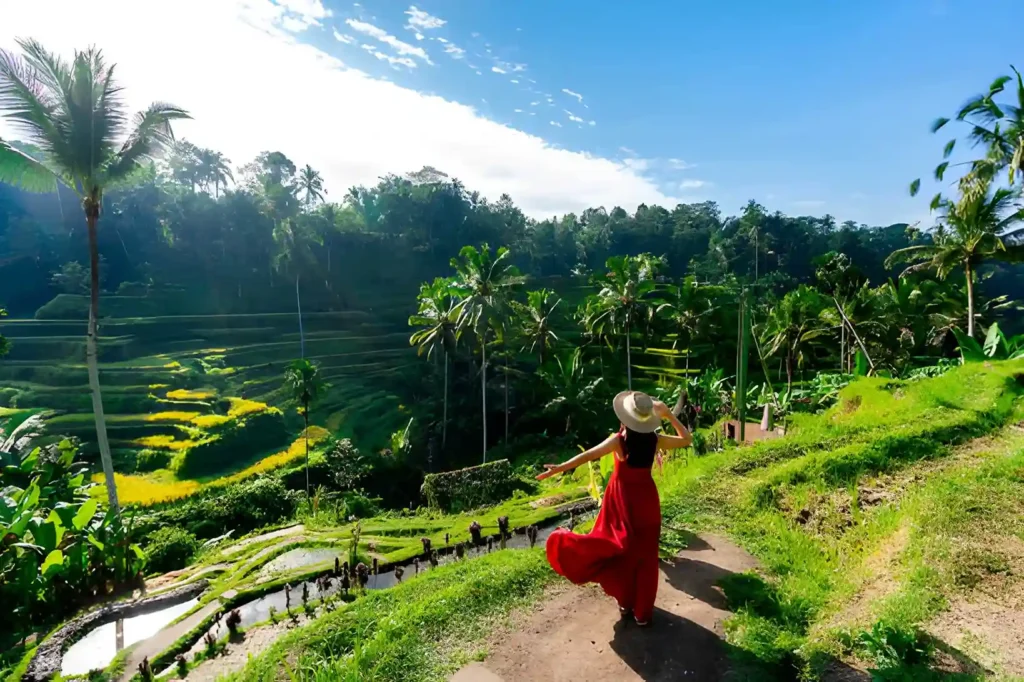
Tegalalang is often the first image that comes to mind when people imagine Ubud rice terraces, and there is a reason for that. The fields cascade sharply down the valley, creating layered curves that change color depending on the season and light.
What makes Tegalalang interesting is not just the view from above, but the way you can move through it. You can walk down into the terraces, follow narrow paths between the rice, and see how water flows from one level to the next through the traditional subak irrigation system.
Because it is popular, timing matters here. When you arrive early, the terraces feel calm and almost meditative. Later in the day, the energy becomes livelier, which some travelers enjoy, while others prefer the quieter hours.
Tegalalang works best when you treat it as an experience, not a quick stop.
Best time to visit: early morning before 9 AM
Feels right for: first time visitors, photographers, travelers who want a classic Bali landscape
2. Jatiluwih Rice Terraces: A Landscape You Walk Into, Not Just Look At
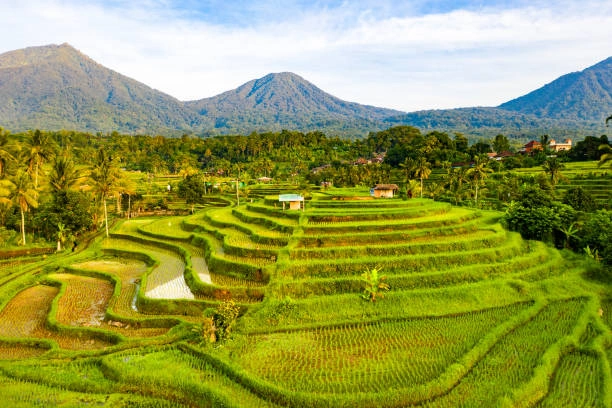
Jatiluwih feels expansive in a way that surprises many travelers. The terraces stretch across rolling hills, backed by mountains and open sky, making everything feel spacious and calm at the same time.
This is not a place you rush through. The walking paths are long and gentle, designed to let you move at your own pace while the scenery slowly unfolds. You hear wind, water, and distant farm activity rather than traffic or crowds.
Jatiluwih is also a UNESCO recognized cultural landscape, which adds depth to the experience. You are not just walking through rice fields, but through a system that has supported local communities for centuries.
If you want to understand rice terraces as part of Balinese life, not just as a backdrop, Jatiluwih leaves a strong impression.
Best time to visit: morning to late afternoon
Feels right for: nature lovers, slow travelers, those who enjoy long, peaceful walks
3. Campuhan Ridge Rice Fields: Soft Green Views Close to Ubud Life
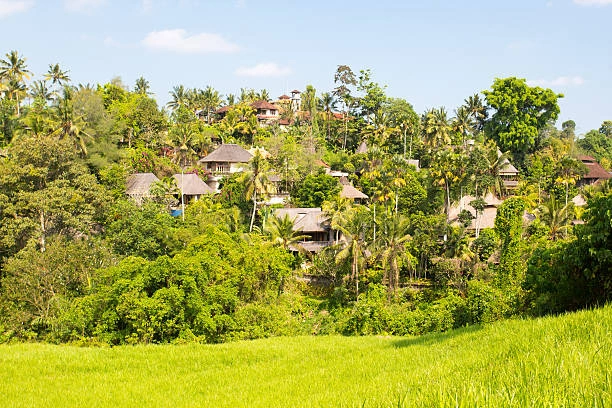
Campuhan Ridge offers a gentler version of Ubud’s rice landscapes. Instead of stepped terraces, you experience rolling green fields, hills, and palm trees connected by a clear walking path.
What makes this area special is its location. Just minutes from Ubud center, you can step away from shops and cafés and suddenly find yourself surrounded by open views and fresh air. The walk feels light, easy, and refreshing rather than demanding.
This is a good choice if you want a nature experience without committing to a long trip outside town. Many travelers enjoy pairing Campuhan with a relaxed morning walk or a quiet sunset stroll.
Best time to visit: early morning or late afternoon
Feels right for: casual walkers, short nature escapes, travelers staying in Ubud center
4. Kajeng Rice Fields: Everyday Ubud, Quiet and Unfiltered
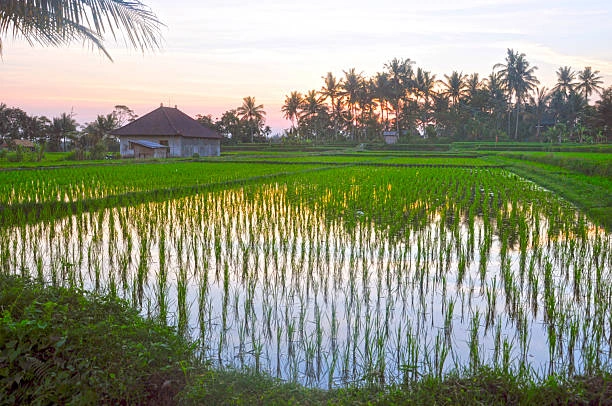
Kajeng Rice Fields feel more like a passage than a destination. A narrow path leads you past temples, small homes, and working fields, all tucked quietly behind Ubud’s busier streets.
The beauty here is subtle. You are close to daily life, watching farmers tend to their fields and locals move through their routines. There are no viewpoints designed for photos, and that is exactly why it feels real.
Kajeng is best enjoyed slowly. It is a place to walk, observe, and let the rhythm of Ubud reveal itself without interruption.
Best time to visit: morning or late afternoon
Feels right for: couples, solo travelers, those who enjoy quiet authenticity
5. Sebatu Rice Terraces: Cool Air and Traditional Farming Life
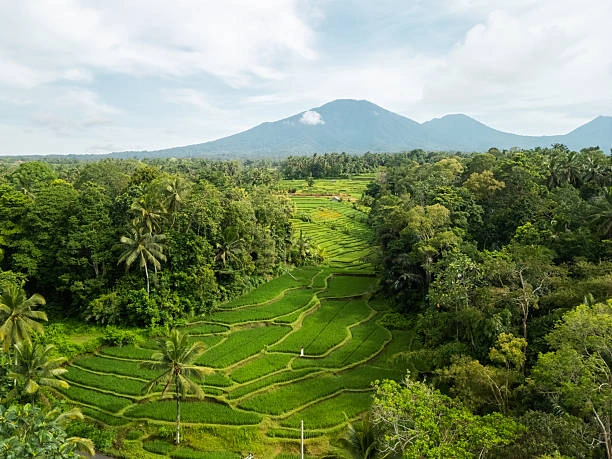
Sebatu sits at a slightly higher elevation north of Ubud, which gives it cooler air and a calmer atmosphere. The rice terraces here are modest in size, but rich in texture and daily activity.
Walking through Sebatu, you notice details. Water channels running alongside paths, farmers working close by, and rice growing without the presence of heavy tourism infrastructure.
This area feels grounded and unpolished in the best way. It is not about dramatic views, but about understanding how rice farming blends naturally into village life.
Best time to visit: late morning
Feels right for: cultural travelers, slow exploration, those who enjoy quiet observation
6. Pejeng Rice Fields: Wide Views and Local Rhythm
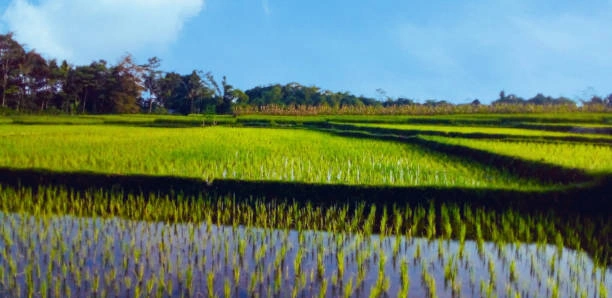
Pejeng offers wide, open rice fields that feel spacious and honest. The paths are simple, the scenery is uncluttered, and daily life continues around you without interruption.
Here, rice terraces are not shaped for visitors. They exist as part of the community, which creates a relaxed and natural atmosphere. You can walk without pressure, stop when you want, and take in the surroundings without distraction.
Pejeng is a good choice if you want to feel connected to the countryside without going too far from Ubud.
Best time to visit: morning
Feels right for: travelers seeking authenticity, calm, and open space
7. Tegallantang Rice Fields: Quiet Green Space Without the Noise
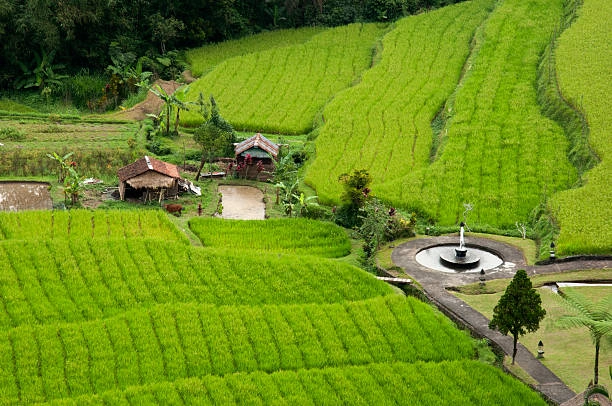
Tegallantang remains largely under the radar, which is what makes it appealing. The rice fields are clean, green, and uninterrupted by attractions or crowds.
Walking here feels simple and direct. You follow small paths, listen to nature, and enjoy the scenery without external noise. The absence of tourism elements allows the landscape to speak for itself.
Tegallantang is ideal if you want a peaceful rice terrace experience that feels natural rather than curated.
Best time to visit: early morning
Feels right for: couples, photographers, travelers seeking calm
After walking through the rice terraces, many travelers start looking for what else Ubud has to offer, and that is where 20 Things to Do in Ubud When You Want a Deeper Bali Experience becomes a natural next step in the journey.
Best Time to Visit Ubud Rice Terraces (Season, Light, and Crowd Levels)
After knowing which rice terraces around Ubud fit your travel style, timing becomes the next important piece. The same terrace can feel completely different depending on when you arrive. Light, season, and crowd levels all shape the experience more than most travelers expect.
Understanding this helps you avoid disappointment and enjoy the rice terraces the way they are meant to be experienced.
Best Time of Day: Morning Calm vs Afternoon Warmth
For most rice terraces around Ubud, early morning offers the calmest experience. The air feels cooler, the light is soft, and the fields often look fresh with dew still resting on the leaves. This is when places like Tegalalang, Kajeng, and Tegallantang feel quiet and almost personal.
Morning visits also allow you to walk slowly without navigating crowds, making it easier to take photos, pause, and truly enjoy the surroundings.
Late afternoon brings a different mood. The sunlight turns warmer, shadows become longer, and the terraces take on a golden tone that feels softer and more emotional. Areas like Jatiluwih, Balangan-style open landscapes, or wider rice fields feel especially beautiful at this time.
If you prefer atmosphere over quiet, late afternoon can be just as rewarding.
Best Season: Green Landscapes vs Clear Skies
Rice terraces change throughout the year, and that change is part of their beauty.
During the rainy season, usually from November to March, the fields are at their greenest. Water flows through the terraces, rice plants stand tall, and the landscape feels alive. The downside is occasional rain and cloud cover, especially in the afternoon.
The dry season, from April to October, offers clearer skies and more consistent weather. The terraces remain beautiful, but some fields may appear lighter or partially harvested depending on location.
If lush greenery matters most to you, the months after planting are ideal. If visibility, walking comfort, and stable weather are more important, the dry season feels easier.
Crowd Levels: Choosing the Right Moment for Each Terrace
Popular terraces like Tegalalang attract visitors throughout the day, but arriving early makes a noticeable difference. Before mid morning, the atmosphere is calmer and more balanced.
Quieter areas such as Sebatu, Pejeng, or Kajeng remain peaceful even later in the day, making them flexible choices if your schedule is relaxed.
For larger landscapes like Jatiluwih, crowds spread out naturally, so even peak hours rarely feel overwhelming. This makes it one of the easiest terraces to enjoy without stress.
If avoiding crowds is important to you, combining early timing with less touristy locations creates the best experience.
What to Expect When Visiting Ubud Rice Terraces
When you visit rice terraces around Ubud, the experience is closer to walking through a living landscape than visiting a park. Knowing what that means helps you enjoy it without surprises.
Walking Paths and Conditions
Most rice terraces are accessed through narrow dirt or stone paths built for farmers. The ground can be uneven, slightly muddy after rain, and sometimes just wide enough for one person. This is normal and part of how the terraces function.
You are meant to walk slowly, stop often, and move with the landscape rather than through it.
Effort Level and Time Needed
Exploring rice terraces does not require strong fitness, but it does involve light effort. Short walks near viewpoints feel easy. Going deeper into the terraces includes steps and gentle climbs.
Most travelers spend between 30 minutes to one hour at smaller terraces, and longer if the area is wide and open.
What Makes the Experience Feel Right
Comfortable shoes and a relaxed pace matter more than anything else. Staying on the paths, giving space to farmers, and allowing time to pause makes the visit feel smooth and respectful.
When you approach the terraces without rushing, the calm you see around you starts to settle in as well.
One Thing to Remember
Rice terraces are not designed for speed or spectacle. They are places to slow down. When your expectations match that rhythm, the experience becomes naturally rewarding.
How to Get to Ubud Rice Terraces
Most rice terraces around Ubud are easy to reach once you are already in town. Here’s what you can realistically expect, depending on where your journey starts.
Ubud Rice Terraces from South Bali (Seminyak, Canggu, Uluwatu)
If you’re staying in South Bali, the trip to Ubud usually takes around 1.5 to 2.5 hours, depending on traffic. The distance may look short on the map, but traffic flow plays a bigger role than kilometers here.
This is a straightforward transfer rather than a scenic drive. Many travelers choose to leave early in the morning to avoid congestion and arrive in Ubud before midday. Once you reach Ubud, getting to rice terraces like Tegalalang or nearby viewpoints becomes simple and flexible.
Ubud Rice Terraces from Ubud Town Center
If you are already staying in Ubud, you’re in the best position. Most rice terraces are 10 to 30 minutes away by car or scooter, depending on which area you visit.
This is why many travelers prefer to base themselves in Ubud for at least one night. You can explore the terraces early in the morning, avoid crowds, and move at a relaxed pace without rushing back to another area.
Ubud Rice Terraces from East Bali (Sidemen, Candidasa)
From East Bali, the journey to Ubud typically takes around 1.5 to 2 hours. The drive is calmer, with fewer busy intersections, and many travelers find it more pleasant compared to routes from South Bali.
If you are coming from Sidemen, visiting Ubud rice terraces often feels like a natural continuation of your journey through Bali’s rural landscapes.
A Simple Planning Tip
If rice terraces are a highlight of your Bali trip, staying in Ubud even briefly makes the experience much smoother. You spend less time on the road and more time actually enjoying the scenery.
Once you are in Ubud, reaching the terraces feels easy, unhurried, and far more enjoyable.
Making Your Ubud Rice Terrace Experience Truly Feel Right
Seeing rice terraces around Ubud is not about ticking off a famous place from your list. It is about timing, pacing, and how the experience fits into your overall journey in Bali.
When the plan feels right, you arrive at the terraces without rushing. You walk at your own rhythm, stop when the view pulls your attention, and leave when it feels complete not because the schedule forces you to move on.
This is where small planning choices quietly shape the experience. Where you stay, when you go, and how the day flows before and after the rice terraces often matter more than which viewpoint you choose.
At Bali Island Vacations, we help travelers connect these moments naturally. Not by overpacking the day, but by creating space for places like Ubud’s rice terraces to be enjoyed calmly, comfortably, and on your own terms.
If you want your time in Ubud to feel unhurried and genuinely memorable, we are here to help you shape a journey that flows easily, from your arrival to the moments you will remember long after leaving Bali.