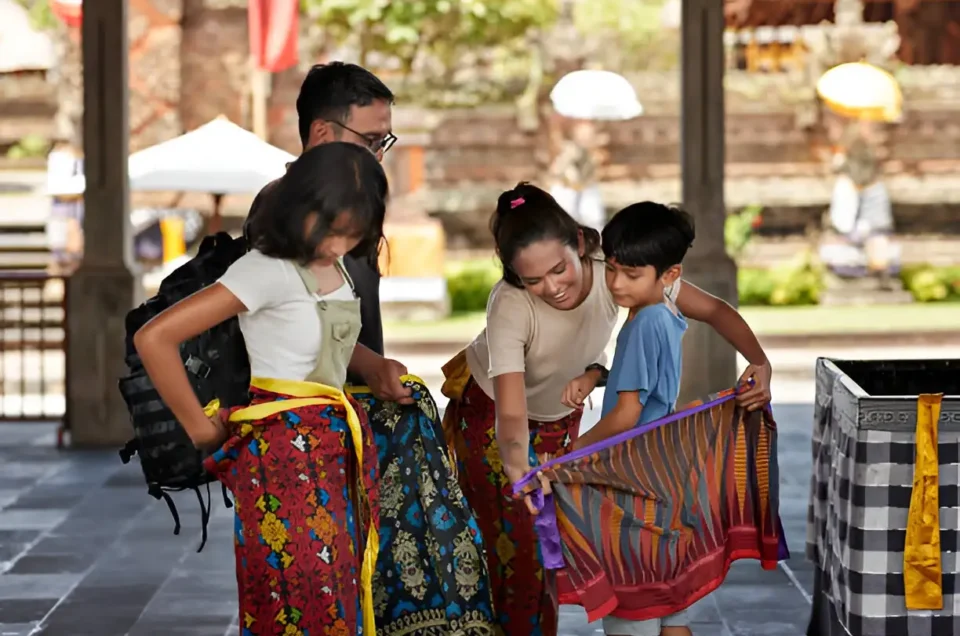
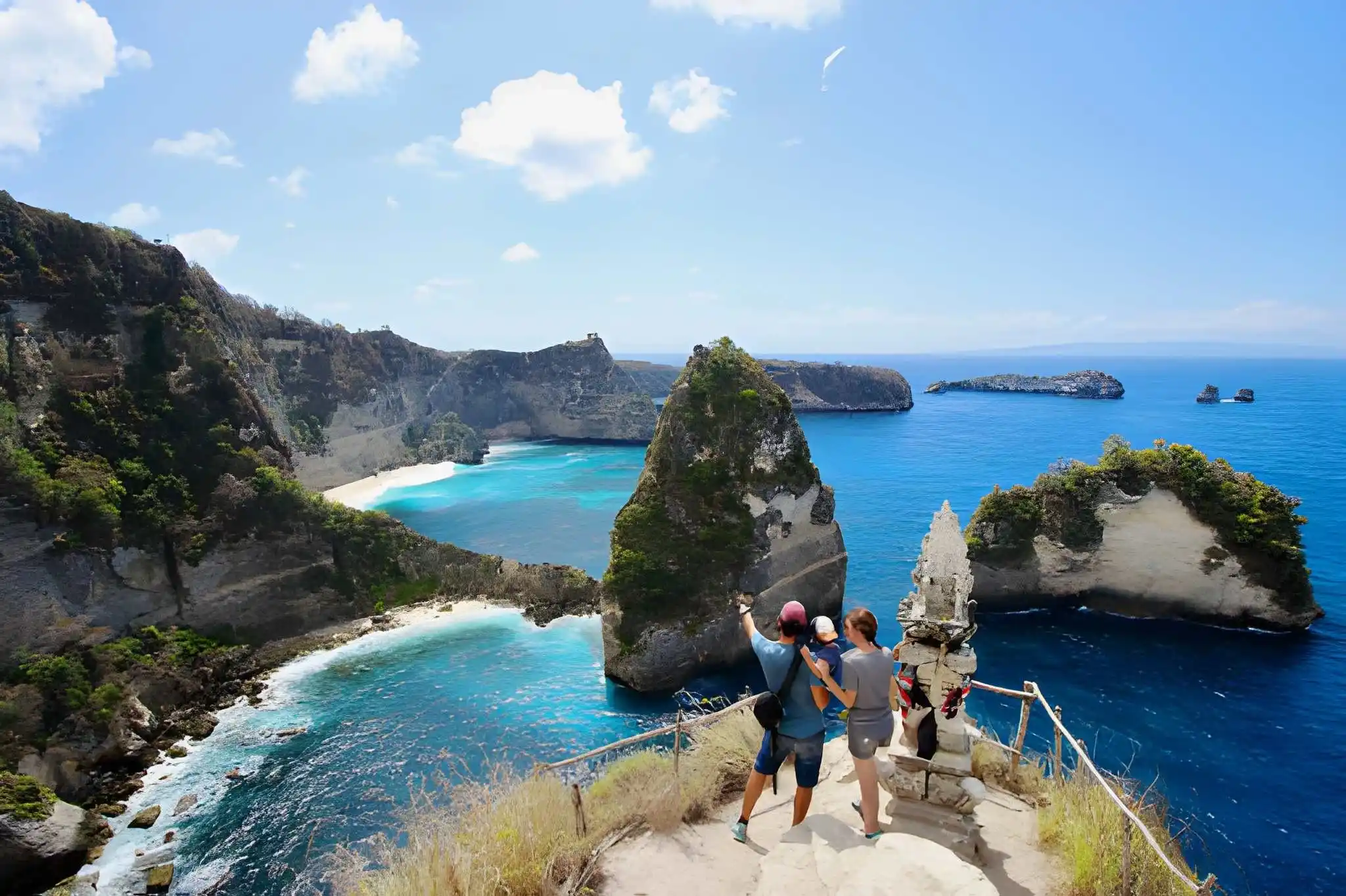
Choosing where to stay in Bali matters more when you are traveling as a family. The island is large, traffic can be unpredictable, and not every popular area offers the kind of pace that works well with children. A beautiful hotel alone does not guarantee a smooth stay if the surrounding area feels hectic or disconnected from daily needs.
For families, the right area is less about ticking off attractions and more about how each day flows. Easy transfers, safe spaces to walk, calm beaches or green surroundings, and access to family friendly dining all shape the experience far more than distance on a map.
So rather than asking where is popular, the better question becomes which parts of Bali actually work best for families. Here’s how to choose the right area and where families tend to feel most comfortable staying.
What Makes an Area Family Friendly in Bali
An area that works well for families in Bali is not defined by how popular it is, but by how easily your days come together. Small details like distance, walkability, and daily rhythm often matter more once you are traveling with children.
To keep your stay comfortable and predictable, family friendly areas in Bali usually share a few practical qualities:
- Short and simple transfers
Long drives after landing or between activities can be tiring for children. Areas closer to the airport or with easy access to main roads tend to work better. - A calmer daily pace
Neighborhoods with less nightlife and lighter traffic feel more relaxed, especially in the mornings and evenings. - Safe spaces to move around
Walkable paths, quiet streets, or contained resort areas make it easier to step out without feeling rushed or overwhelmed. - Family friendly dining and services
Cafes that welcome children, nearby supermarkets, clinics, and activity providers help keep daily logistics simple.
With these factors in mind, some areas in Bali consistently stand out as better bases for families than others. Here are the areas that tend to offer the smoothest family travel experience.
Best Areas in Bali for Families
Not every well known area in Bali works equally well for families. The difference usually comes down to daily rhythm, safety, and how much effort it takes to move between your hotel, meals, and activities. These areas consistently stand out for families traveling with children.
1. Nusa Dua: Best for families who want ease, safety, and predictable days
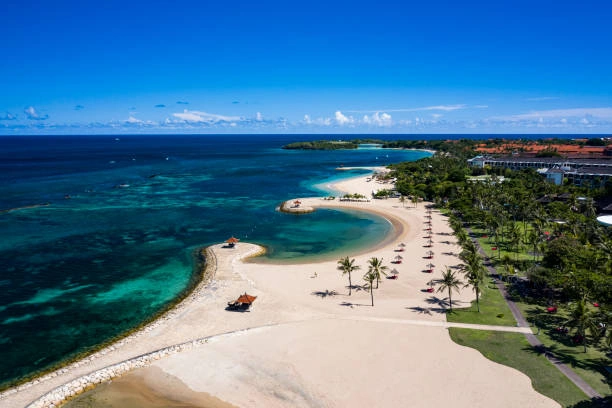
For many families, Nusa Dua is where Bali feels simplest. After landing, the short transfer time already sets a calmer tone, especially when traveling with young children. Once you arrive, most daily decisions become easier because the area is designed to reduce movement rather than encourage exploration.
Days in Nusa Dua tend to unfold within a comfortable radius. Mornings are often spent on wide, clean beaches with gentle waves, such as Geger Beach or the beachfront inside the ITDC complex, where swimming feels safer for children. The sand is firm, the water entry gradual, and the atmosphere noticeably calmer than other parts of southern Bali.
What makes Nusa Dua particularly suitable for families is how much is available without leaving the area. Many resorts offer structured kids’ clubs, shaded pools, and supervised activities, which allow parents to slow the pace without needing to plan every hour. Afternoons can be quiet and restorative, with children napping or playing while adults enjoy the resort grounds rather than navigating traffic.
For families who want short outings, nearby options remain manageable. The Waterblow area provides a quick, visually engaging stop without long walks. Calm beachfront promenades allow for stroller friendly evening walks, while casual dining options inside the complex reduce the need for late drives.
Nusa Dua works best for:
- Families with toddlers or younger children
- First time visitors to Bali who prefer a controlled environment
- Short stays focused on rest and recovery rather than variety
However, families looking for daily cultural exploration, independent cafes, or frequent neighborhood walks may find Nusa Dua too contained. The experience here prioritizes comfort and predictability over discovery, which is precisely why many families choose it.
2. Sanur: Best for families who prefer walkable days and a relaxed rhythm
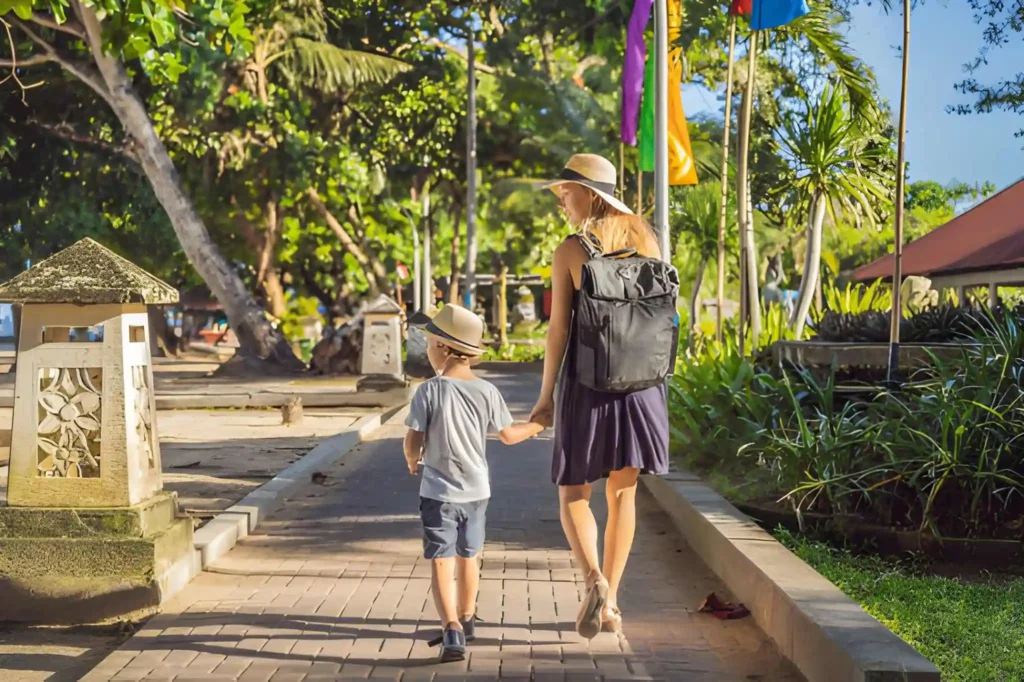
Sanur offers a version of Bali that feels immediately calmer, especially for families traveling with young children. The area moves at a slower pace, and that pace shapes how your days unfold. Mornings start early, traffic remains light compared to the west coast, and evenings settle down quickly, which suits family routines naturally.
One of Sanur’s strongest advantages is its long beachfront promenade. This paved path runs parallel to the coast and connects much of the area, making it easy to walk or cycle with children. Families often spend mornings strolling along the beach, stopping at shaded areas near Pantai Sindhu or Pantai Karang, where the water is shallow and the waves remain gentle.
Sanur’s beaches are particularly well suited for younger children. The reef offshore keeps the sea calm, creating safe swimming conditions and quiet shorelines. Rather than dramatic surf, the focus here is on relaxed play, short swims, and time outdoors without constant supervision stress.
Daily logistics in Sanur also feel simpler. Family friendly cafes, casual restaurants, and small supermarkets are spread evenly throughout the area, reducing the need for long drives. Places like Sindhu Night Market offer early evening dining options that fit family schedules, while beachside cafes allow for unhurried lunches with children nearby.
Sanur works best for:
- Families with toddlers or younger children
- Parents who value walkability over nightlife
- Longer stays where routine and comfort matter
Families seeking nightlife, beach clubs, or high energy attractions may find Sanur too quiet, particularly after dark. But for those who want days that flow gently and evenings that wind down naturally, Sanur remains one of the most consistently family friendly areas in Bali.
3. Canggu and Berawa: Best for modern families with older children and longer stays

Canggu and Berawa attract families who are comfortable with a more energetic version of Bali. The area feels contemporary, social, and active, with many families choosing it for longer stays rather than short stopovers. For the right family profile, it can work well, but the experience depends heavily on where you stay and how you plan your days.
Families who enjoy Canggu usually center their stay around specific pockets rather than moving across the entire area. Berawa, in particular, tends to feel more organized and accessible for families. Staying within walking distance of cafes, playground style beach clubs, or activity centers helps reduce the impact of traffic, which can be challenging at peak hours.
For children, activity based attractions are often the main draw. Finns Bali offers water slides, bowling, and indoor play areas that suit school age children and teenagers. Nearby surf schools also provide structured lessons for older kids who are ready for more physical activities. These experiences give families clear daily anchors rather than open ended exploration.
Canggu’s dining scene works best for families with flexible schedules. Many cafes open early and offer relaxed seating where children are welcome, making late breakfasts and early lunches more comfortable. Evenings, however, can feel busy, and families often return to their accommodation earlier to avoid crowds.
Canggu and Berawa work best for:
- Families with school age children or teenagers
- Longer stays where routines can develop
- Parents comfortable planning around traffic and timing
Families traveling with toddlers, or those seeking quiet evenings and easy mobility, may find Canggu overwhelming. The energy here is vibrant, but it requires more intention to keep the experience balanced and family friendly.
4. Seminyak and Legian: Best for families who prioritize convenience and amenities

Seminyak and Legian work best for families who want to keep everything close and flexible. These areas are compact, well connected, and filled with services that make daily logistics easier, especially for shorter stays or mixed age groups.
Families staying here often choose private villas tucked into quieter streets rather than beachfront hotels. This setup allows children to enjoy private pools and downtime while parents still have quick access to restaurants, shops, and basic services. The ability to reach dining options within minutes is one of the strongest advantages of this area.
Beach time in Seminyak and Legian tends to be short and purposeful. Families usually visit during the morning or late afternoon when the sand is cooler and the atmosphere is calmer. While the beaches are not as gentle as Sanur or Nusa Dua, they remain accessible for casual play, sunset walks, and early evening time outdoors.
What makes this area practical for families is how little planning is required. Supermarkets, pharmacies, clinics, and dining options are everywhere, reducing the stress of unexpected needs. For families traveling with older children, the variety of restaurants and casual entertainment keeps days feeling full without long drives.
Seminyak and Legian work best for:
- Families staying for a short or medium length trip
- Mixed age groups who need flexibility
- Parents who value access to amenities over quiet surroundings
Families with toddlers or those seeking calm evenings may find parts of Seminyak and Legian too busy, especially near main roads and nightlife clusters. Choosing accommodation in quieter pockets is essential to keep the stay comfortable and balanced.
5. Ubud: Best for families seeking nature, space, and cultural exposure

Ubud offers families a very different rhythm compared to Bali’s coastal areas. The days here feel slower, cooler, and more grounded in nature. Families who choose Ubud usually do so intentionally, knowing that the experience is less about beaches and more about space, greenery, and cultural moments.
Family stays in Ubud work best when accommodation is chosen carefully. Rather than staying in the busy central streets, many families opt for villas or small hotels in quieter areas such as Sayan, Penestanan, or the outskirts toward Tegallalang. These areas provide more space, less traffic, and an environment where children can move around more freely.
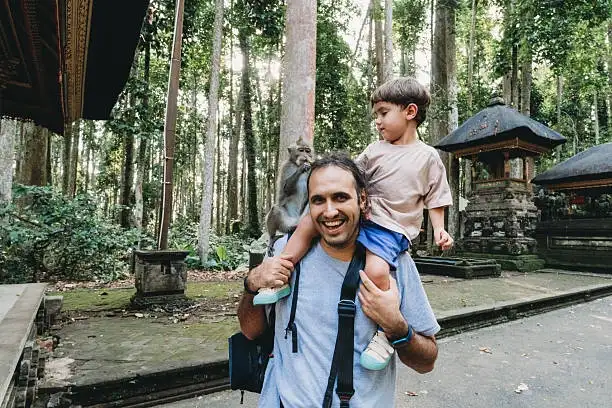
Daily activities in Ubud tend to revolve around short, manageable outings. The Sacred Monkey Forest often becomes a highlight for children, especially when visited early in the morning before crowds build. Nearby rice terraces and village paths offer gentle walks that introduce children to Bali’s landscape without long travel times. Cultural performances in the evening provide structured experiences that fit family schedules.
Ubud also suits families who prefer unhurried days. Mornings might start with time at the villa, followed by a single outing rather than multiple stops. Afternoons are often quieter, with time spent resting or enjoying the surrounding nature. This slower pace helps prevent overstimulation, particularly for younger children.
If Ubud feels like the right base for your family, you can explore specific ideas and daily activities in more detail in our guide to things to do in Ubud.
Ubud works best for:
- Families who enjoy nature and open space
- Children who are curious about culture and wildlife
- Longer stays where a slower rhythm is appreciated
Families whose priorities revolve around beaches, frequent shopping, or high energy entertainment may find Ubud limiting. The experience here rewards patience and intention, making it ideal for families looking to slow down and connect with a different side of Bali.
Once you have chosen the right area to stay, the next step is deciding how to spend your days together. Explore our guide to the top things to do in Bali with family to see which activities fit your children’s ages and energy levels.
How Many Days Should You Spend in One Area With Kids?
When traveling in Bali with children, fewer base changes usually lead to a better experience. Moving hotels too often can turn travel days into tiring transitions rather than part of the vacation itself.
For most families, these general guidelines work well:
- 3 to 4 nights in one area
This gives enough time to settle in, explore at a relaxed pace, and still enjoy downtime without feeling rushed. - One main base, optional short side trips
Choosing one primary area and adding a half day or day trip nearby is often easier than relocating with luggage and children. - Longer stays benefit from slower areas
Areas like Sanur or Ubud tend to work better for longer stays, where routine and rhythm matter more than variety.
By allowing enough time in each area, families can focus less on logistics and more on enjoying the moments that make the trip meaningful.
To help you plan each part of your Bali journey with more clarity, explore our curated Bali travel guides below.
- Best Places to Visit in Bali for Your First Trip
- Best Time to Visit Bali Discover the Perfect Month for Your Island Vacation
- 15 Hidden Gems Bali for You Who Want a Quieter Island Experience
- 15+ Bali Travel Tips for First Timers You Should Know
So, What Is the Best Area in Bali for Your Family?
The best area in Bali for families is not the same for everyone. It depends on how your family travels, how old your children are, and what kind of days you want to have while on the island. Some families value ease and predictability, while others prefer space, culture, or walkable neighborhoods.
Understanding these differences is what helps turn a Bali trip into a smoother and more enjoyable family experience. At Bali Island Vacations, we focus on helping families choose areas and travel styles that match their pace, so each stay feels balanced rather than rushed.
If you are planning a family trip to Bali and want guidance that goes beyond generic recommendations, exploring the island with the right base makes all the difference.