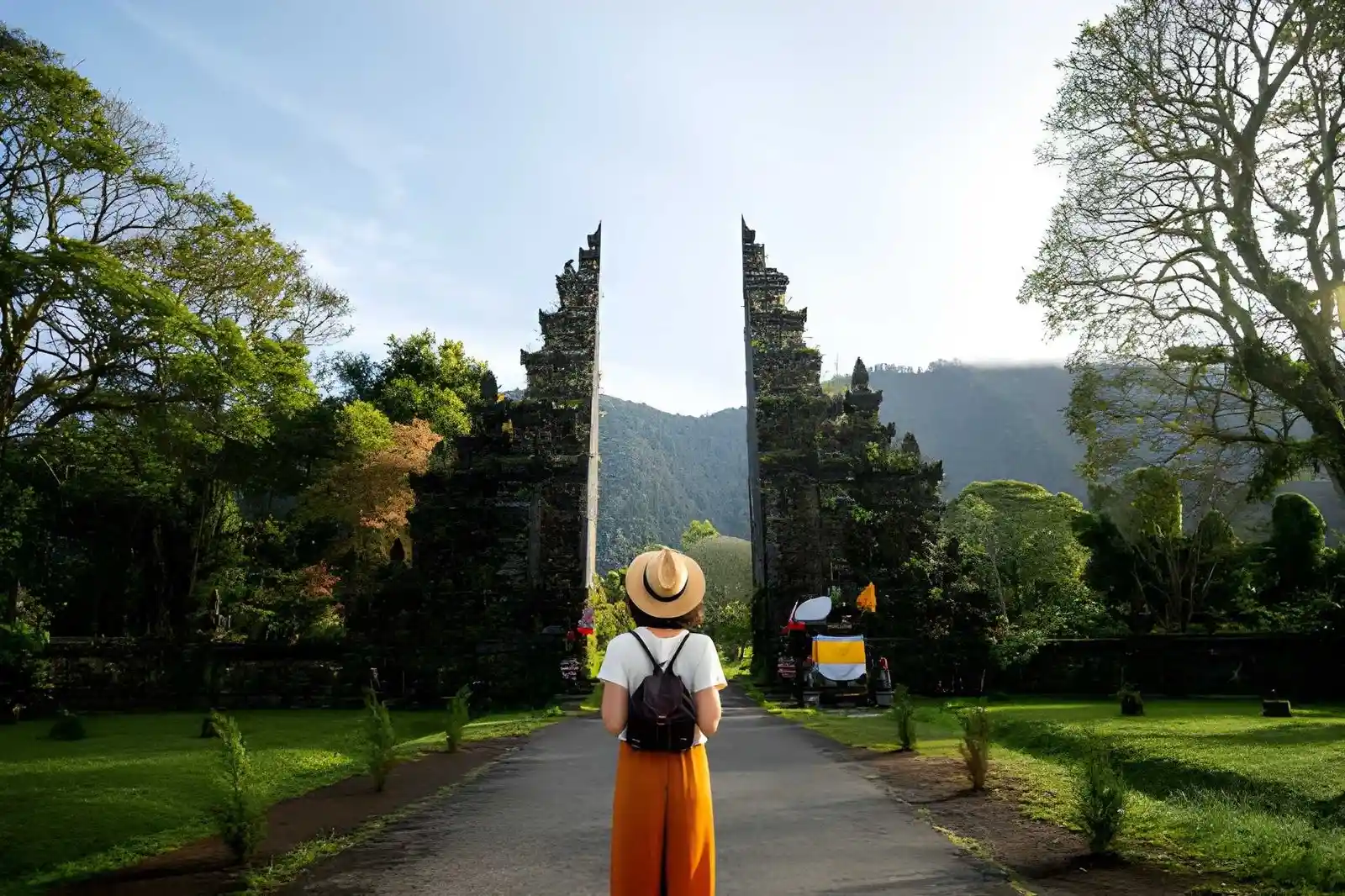
Travel to Bali is evolving in 2026, with a clear shift toward more sustainable tourism, higher quality experiences, and smarter travel planning. You will notice changes in how people choose destinations, how long they stay, and the types of experiences they prioritize across the island.
If you are planning a trip, understanding these trends early helps you make better decisions about where to go, when to visit, and how to avoid common travel frustrations. Here is what you need to know before visiting Bali in 2026.
Quick Answer – What are the Bali travel trends in 2026?
The main Bali travel trends in 2026 include a shift toward quality tourism over mass tourism, growing interest in wellness and cultural experiences, increasing popularity of quieter areas like Sidemen and North Bali, more long stay and digital nomad travelers, stronger sustainability regulations, and travelers prioritizing meaningful experiences instead of fast paced sightseeing.
What Is Driving Bali Travel Changes in 2026
Travel trends do not happen randomly. The shifts you see in Bali tourism in 2026 are influenced by a combination of government policies, traveler behavior, infrastructure growth, and global tourism direction toward sustainability and quality experiences.
Understanding these factors helps travelers make smarter decisions, especially when choosing destinations, planning duration, and managing expectations before arriving in Bali.
Here are the main forces shaping Bali travel in 2026:
- Shift Toward Quality Tourism
Bali is moving away from mass tourism toward higher-value visitors who stay longer, spend more locally, and engage in cultural or nature-based experiences. This affects pricing, crowd distribution, and destination popularity across the island. - New Tourism Regulations and Visitor Management
Local authorities continue introducing policies to manage overtourism, environmental protection, and visitor behavior. These include tourism taxes, traffic management, and guidelines promoting respectful cultural conduct at temples and sacred sites. - Growing Sustainability Awareness
Eco-friendly accommodations, plastic reduction initiatives, and regenerative tourism experiences are becoming more common. Travelers are increasingly choosing destinations and operators that support local communities and environmental protection. - Infrastructure Development Across the Island
Road improvements, new tourism zones, and better connectivity to emerging regions such as North Bali and East Bali are gradually redistributing tourist movement beyond traditional hotspots like Canggu and Seminyak. - Digital Nomad and Long-Stay Policies
Remote work culture continues influencing Bali tourism. Long-stay travelers, entrepreneurs, and digital nomads are shaping demand for villas, coworking spaces, wellness programs, and slower travel experiences.
If you are planning your first trip and want a complete overview including timing, costs, and where to stay, you can also read our full Bali Travel Guide 2026 for a step by step planning approach.
Major Bali Travel Trends in 2026
Travel to Bali in 2026 is shifting toward more meaningful, slower, and experience driven journeys, moving away from fast paced checklist tourism. Travelers are prioritizing sustainability, cultural immersion, longer stays, and personalized experiences supported by better infrastructure and digital convenience.
Understanding these trends helps you plan a trip that feels more rewarding, less stressful, and more aligned with what Bali truly offers beyond the surface.
1. Sustainability and Eco Conscious Travel Is Becoming the Standard
Environmental awareness is no longer a niche preference. Many travelers now actively choose eco friendly accommodations, low impact tours, and businesses that support local communities.
You will see more:
- Eco resorts and sustainable villas
- Farm to table dining experiences
- Community based tourism programs
- Plastic reduction initiatives
- Nature conservation activities
What this means for you:
You can travel more responsibly while still enjoying comfort, often with more authentic and less crowded experiences.
2. Slow and Mindful Travel Is Replacing Fast Paced Itineraries
Instead of visiting many places in a short time, travelers are spending longer periods in fewer locations. Trips lasting two to three weeks or more are increasingly common.
This trend focuses on:
- Relaxed daily schedules
- Deeper cultural connection
- Less rushing between attractions
- Higher quality experiences
What this means for you:
Your vacation feels more relaxing and immersive rather than exhausting.
3. Cultural and Authentic Experiences Are in High Demand
Visitors want insider access to local life, traditions, and heritage rather than only famous landmarks.
Popular immersive experiences include:
- Traditional Balinese cooking classes
- Village tours and cultural workshops
- Temple ceremonies with local guides
- Exploring areas like Sidemen and North Bali
- Artisan and craft experiences
What this means for you:
You gain deeper memories and a stronger emotional connection to the destination.
4. Wellness and Healing Tourism Continues to Grow Rapidly
Bali remains one of the world’s most recognized wellness destinations, especially in areas like Ubud and coastal cliff regions.
Experiences driving this trend include:
- Yoga and meditation retreats
- Sound healing and breathwork sessions
- Detox and holistic health programs
- Nature based relaxation experiences
- Spiritual and mindfulness journeys
What this means for you:
Trips are increasingly combining relaxation, mental health, and personal transformation.
5. Digital Nomads and Long Stay Travel Are Expanding
Remote work flexibility continues to attract long stay travelers, making Bali a global hub for digital nomads.
Infrastructure supporting this includes:
- High speed internet availability
- Coworking spaces
- Long stay villas and serviced apartments
- International communities and networking events
What this means for you:
Even short term visitors benefit from improved services, better facilities, and modern convenience.
6. Adventure and Nature Based Activities Are Surging
Outdoor experiences remain a major travel motivation, especially activities connected to Bali’s natural landscapes.
High demand activities include:
- Sunrise trekking experiences such as Mount Batur
- Waterfall exploration and jungle hiking
- Snorkeling and diving around USAT Liberty Shipwreck
- River rafting and ATV adventures
- Scenic rice terrace walks
What this means for you:
You can combine relaxation with adventure without needing extreme planning.
7. Hidden Gems and Less Crowded Regions Are Becoming More Popular
Many travelers are intentionally avoiding crowded hotspots and exploring quieter regions across the island.
Emerging destinations include:
- East Bali landscapes
- Northern coastal regions
- Traditional countryside villages
- Mountain and rural environments
What this means for you:
You experience Bali with fewer crowds, more scenery, and stronger cultural authenticity.
8. Personalized and Private Travel Is Increasing
Customization is one of the strongest travel trends globally, and Bali is adapting quickly with private drivers, tailored itineraries, and exclusive experiences.
Travelers increasingly prefer:
- Private tours instead of group tours
- Flexible schedules
- Customized activity combinations
- Premium comfort experiences
What this means for you:
Your trip can match your interests, pace, and travel style much more precisely.
9. Infrastructure and Digital Convenience Are Improving Travel
Government initiatives and tourism development are making travel easier through better roads, digital services, and simplified processes.
Improvements include:
- Online visa and immigration processes
- Better transportation access
- Expanded tourism facilities
- Improved connectivity across regions
What this means for you:
Planning and navigating Bali becomes more efficient and less complicated.
If you are looking for inspiration based on these trends, you can also explore our guide to the best Bali vacation ideas for 2026, including experiences and destinations worth adding to your itinerary.
New Bali Destinations Growing in Popularity in 2026
Bali is not just evolving in how people travel, but also where people choose to stay and explore. In 2026, many travelers are intentionally moving beyond the busiest hotspots to discover areas that feel more peaceful, scenic, and culturally authentic, while still offering good accessibility and comfort.
For you as a traveler, this shift creates new opportunities. You can experience Bali with fewer crowds, better value accommodation, and more meaningful local interactions, especially if you are open to exploring regions that were previously considered “secondary” destinations.
Here are the emerging areas gaining attention in 2026 and why they matter for your trip planning.
1. Seseh – A Quiet Coastal Alternative Near Canggu
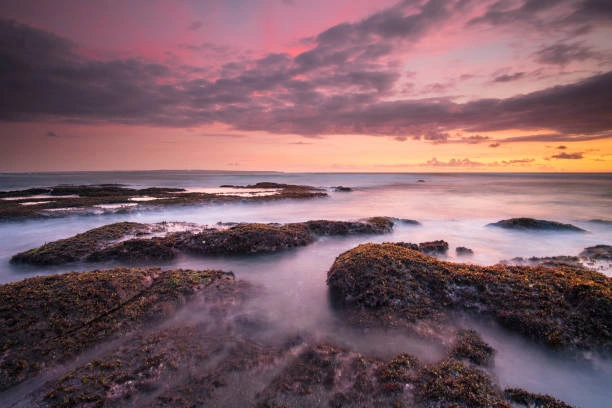
Seseh is becoming popular because many travelers still want the lifestyle of Canggu, but without the congestion and noise. If you like beach sunsets, stylish villas, and café culture, but prefer a calmer atmosphere, Seseh offers a strong balance.
The area feels more relaxed and residential, with rice fields and ocean views creating a slower pace compared to busy tourist zones. You can still reach restaurants and beach clubs within a short drive, but your accommodation environment feels peaceful.
Why travelers choose Seseh:
- Close to Canggu but significantly quieter
- Scenic black sand beaches with fewer crowds
- Private villas ideal for couples and remote workers
- More authentic village atmosphere
2. Cemagi – Scenic Coastal Luxury Without the Crowds
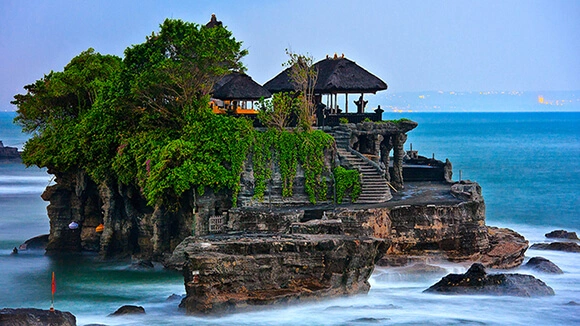
Cemagi is gaining attention among travelers looking for privacy, ocean views, and high-end villas away from mainstream tourism. The coastline here feels dramatic and untouched compared to Seminyak or Canggu.
If you want a peaceful villa stay with easy access to popular areas, Cemagi offers a strong option. Many new boutique accommodations are opening here, making it increasingly attractive for longer stays and luxury travelers.
Why travelers choose Cemagi:
- Oceanfront villas with privacy
- Quiet beaches with dramatic scenery
- Less commercial development
- Easy access to Canggu within 20–30 minutes
3. Sidemen – The Ubud Alternative for Nature and Culture
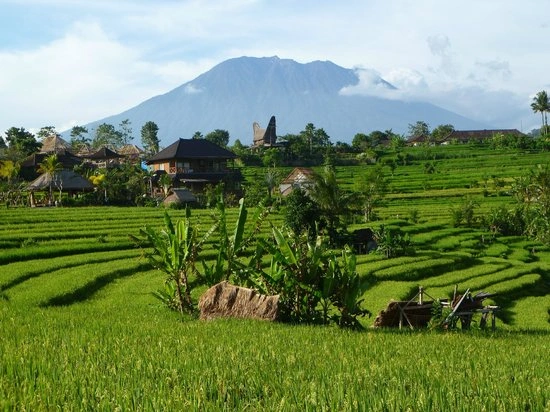
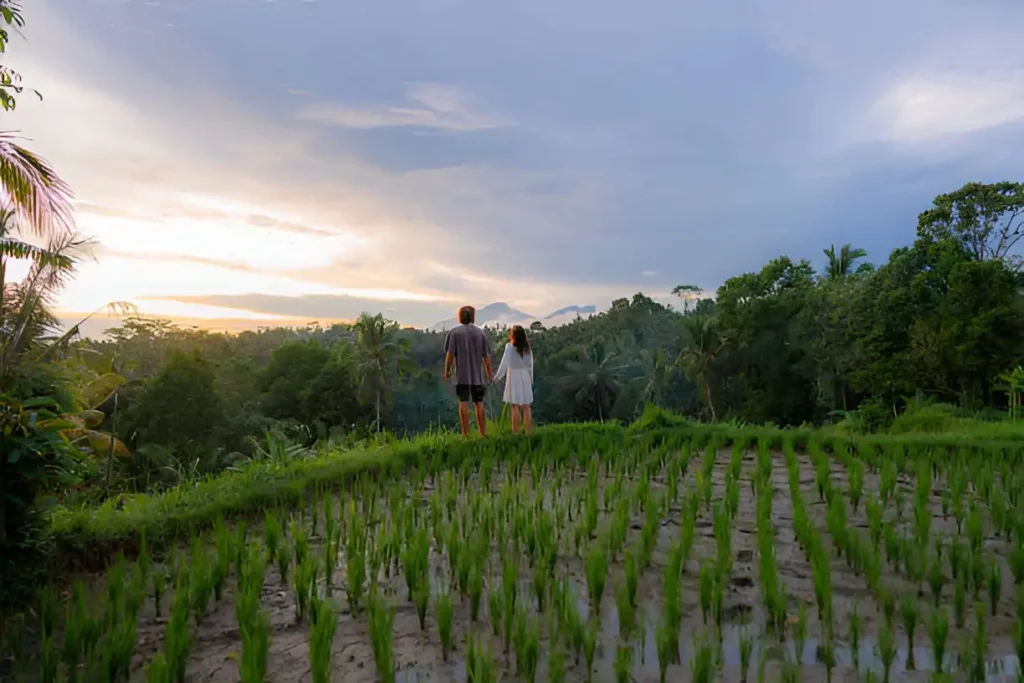
Sidemen is often described as what Ubud felt like decades ago. The region is surrounded by rice terraces, rivers, and mountain views, offering a deeper connection to Balinese rural life.
If you want relaxation, photography, or cultural immersion without crowds, Sidemen can feel more authentic and peaceful than central Ubud. It is especially popular among couples, wellness travelers, and slow travel enthusiasts.
Why travelers choose Sidemen:
- Stunning rice terrace landscapes
- Quiet luxury resorts and boutique stays
- Traditional village atmosphere
- Ideal for relaxation and nature experiences
4. Munduk – Cool Climate Mountains and Waterfalls
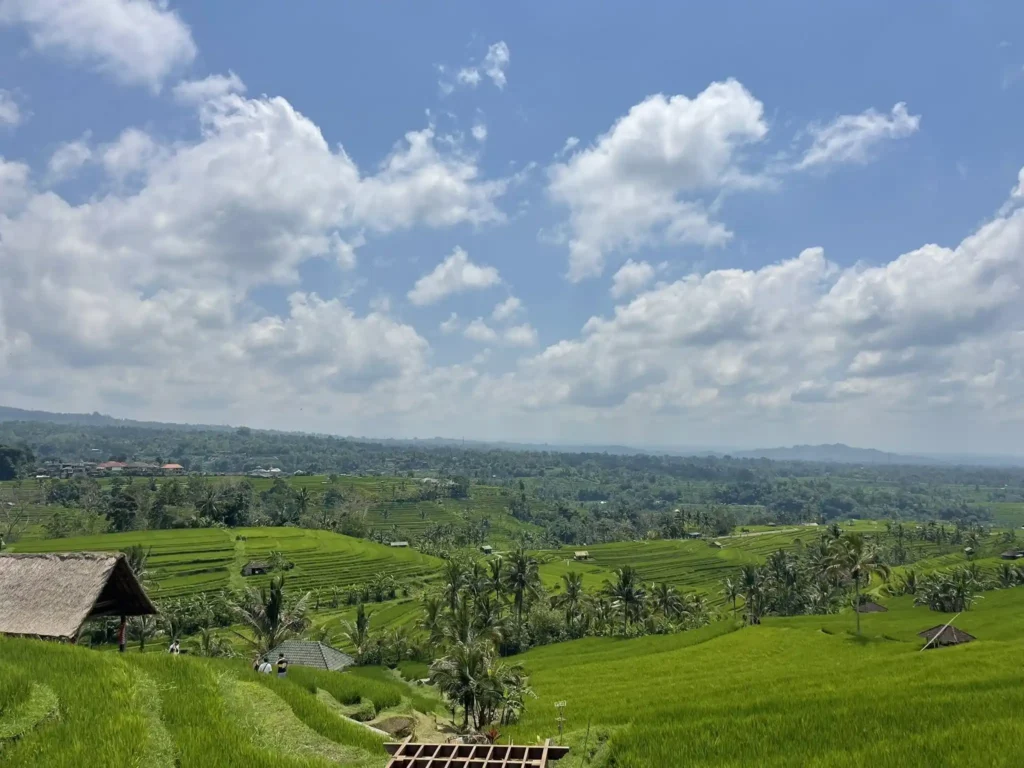
Munduk is attracting travelers who want cooler temperatures, mountain scenery, and waterfalls. Located in Bali’s highlands, the climate here is noticeably fresher than coastal areas.
If you enjoy hiking, nature photography, or peaceful retreats, Munduk offers a completely different Bali experience compared to beach destinations.
Why travelers choose Munduk:
- Cooler weather and mountain views
- Waterfalls and scenic trekking routes
- Boutique eco lodges with views
- Quiet atmosphere away from mass tourism
5. North Bali – The Untouched Side of the Island
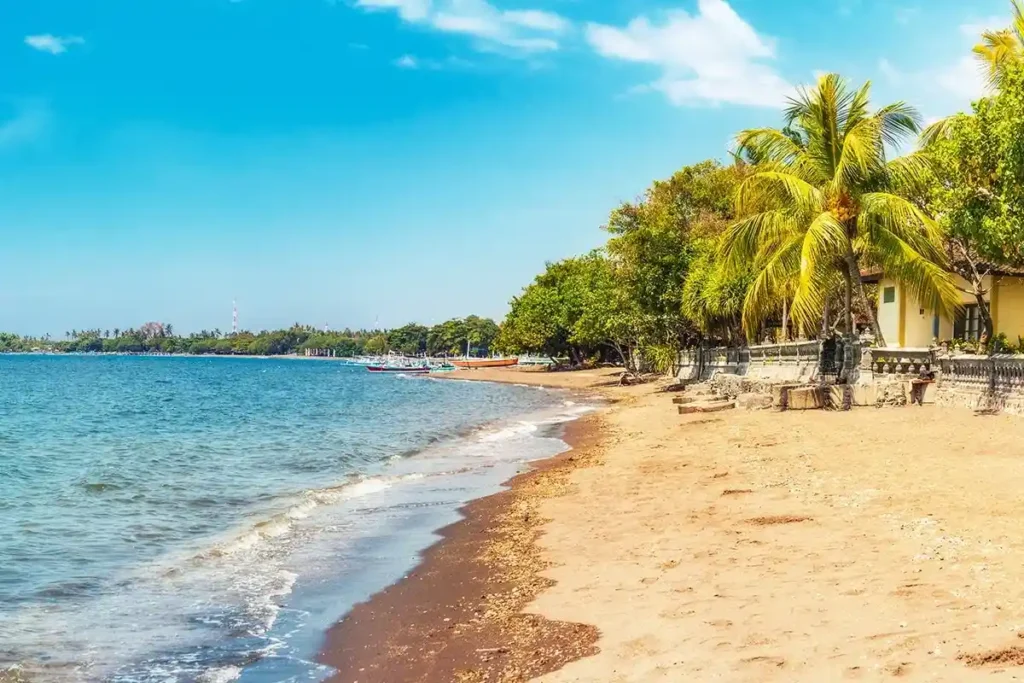
North Bali, including areas like Lovina and Singaraja, is slowly gaining attention due to its slower pace and lower tourist density. Infrastructure improvements are making access easier compared to previous years.
This region is ideal if you want to experience traditional Bali with fewer crowds, especially for diving, dolphin watching, and cultural exploration.
Why travelers choose North Bali:
- Less crowded beaches and towns
- Excellent diving and snorkeling
- Traditional cultural atmosphere
- Lower accommodation prices
6. Sanur – A Calm Beach Destination with Major Development
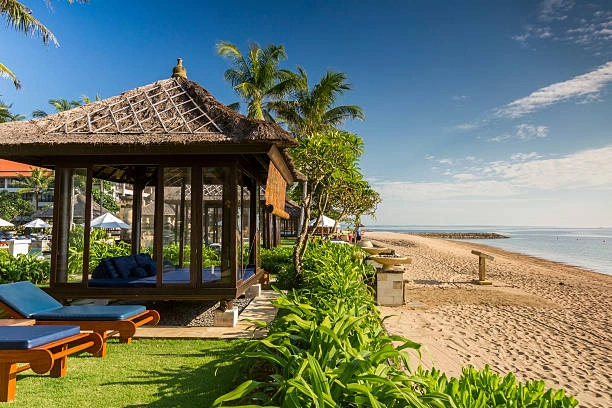
Sanur is transforming significantly due to new infrastructure projects, including medical tourism facilities and upgraded beachfront areas. The destination is becoming more modern while maintaining its relaxed atmosphere.
If you prefer calm beaches, walkable promenades, and a more mature travel environment compared to party destinations, Sanur is increasingly attractive in 2026.
Why travelers choose Sanur:
- Easy access to Nusa Islands by boat
- Calm waters suitable for swimming
- Beachfront walking paths and cycling routes
- Family friendly resorts and hotels
How These Trends Affect Your Trip Planning in 2026
In 2026, Bali rewards travelers who plan with intention. If you align your timing, destination choice, and activities with the current trends, your experience will usually feel more relaxed, authentic, and enjoyable.
Here is what these trends mean for your trip:
When to visit
- Shoulder months like May, June, and September are becoming even more attractive because travelers want good weather without peak crowds.
- Rainy season travel is growing among long stay visitors because prices are lower and landscapes are greener.
- Peak season still exists, especially July, August, and holidays, but planning earlier is more important than before.
If you want a detailed breakdown about the best time to visit bali, you can explore our guide here: Best Time to Visit Bali Discover the Perfect Month for Your Island Vacation
Where to stay
- Popular areas like Canggu and Seminyak remain busy, but nearby alternatives such as Seseh or Cemagi offer better comfort with fewer crowds.
- Nature focused regions like Ubud outskirts, Sidemen, and Munduk are gaining demand due to wellness and slow travel trends.
- Sanur is becoming more attractive for families and mature travelers because of new infrastructure and calmer beaches.
Budget impact
- Prices in high demand areas are rising slightly, especially villas and boutique hotels.
- Traveling outside peak season or choosing emerging destinations can significantly reduce costs.
- Experience based tourism means travelers often spend more on tours and activities rather than shopping or nightlife.
If you want a detailed breakdown of accommodation, transport, food, and activity costs, you can read our full Bali travel cost breakdown for 2026 to estimate your real trip budget more accurately.
Crowds and atmosphere
- Some hotspots feel busier than previous years, particularly Canggu traffic zones and famous Instagram locations.
- Exploring early mornings, weekdays, or alternative destinations can dramatically improve your experience.
- Travelers are increasingly seeking quieter environments, which spreads tourism more evenly across the island.
Experience choices
- Cultural workshops, village experiences, and nature activities are becoming more popular than checklist sightseeing.
- Wellness experiences such as yoga, spa retreats, and sound healing are growing strongly.
- Adventure activities like Mount Batur trekking, waterfalls, and snorkeling remain high demand experiences.
Helpful tips for you:
Bali is still amazing, but the best experience now comes from smarter planning rather than rushing between famous spots.
Is Bali Still Worth Visiting in 2026?
Yes. Bali is absolutely still worth visiting in 2026, and for many travelers it is even better than before, because the island is shifting toward more sustainable tourism, improved infrastructure, and deeper cultural experiences rather than mass tourism alone.
What makes Bali continue to stand out globally is the combination of diversity and accessibility. Few destinations allow you to experience beaches, jungles, temples, mountains, wellness retreats, and vibrant food culture within short travel distances.
Bali is especially worth visiting in 2026 if you are looking for:
- A destination with strong value for money across multiple budgets
- Cultural experiences that feel authentic and meaningful
- Nature landscapes including waterfalls, rice terraces, and volcanoes
- Wellness and relaxation combined with adventure opportunities
- Flexible travel styles from luxury to backpacking
The key difference today is not whether Bali is worth visiting, but how you choose to experience it. Travelers who explore beyond the most crowded areas and focus on meaningful experiences often leave with the most memorable impressions.
Plan Smarter in 2026 with Local Insights You Can Trust
Bali continues to evolve, but that is exactly what makes visiting the island in 2026 so exciting. With better infrastructure, new destinations emerging, and a stronger focus on meaningful travel, you have more opportunities than ever to experience the island in a way that fits your style, budget, and expectations.
At Bali Island Vacations, the goal is simple: help you understand Bali beyond surface level information. By combining local knowledge, real travel insights, and practical planning guidance, you can make confident decisions and enjoy a smoother, more memorable trip.
Whether you are visiting for the first time or returning to explore deeper, Bali in 2026 still offers one of the most diverse and rewarding travel experiences in the world.
Frequently Asked Questions About Bali Travel in 2026
Is Bali overcrowded in 2026?
Some popular areas like Canggu, Seminyak, and Ubud center can feel busy, especially during peak season, but many parts of Bali remain peaceful. Choosing emerging destinations such as Sidemen, Munduk, or North Bali can significantly reduce crowds.
Is Bali safe to visit in 2026?
Yes. Bali is generally considered a safe destination for tourists. Normal travel precautions apply, such as road safety awareness, respecting local customs, and securing personal belongings in crowded areas.
Is Bali expensive in 2026?
Bali is still affordable compared to many international destinations. Budget travelers can spend around $40–$70 per day, while mid range travelers typically spend $80–$150 per day depending on accommodation and activities.
Are there new rules for tourists visiting Bali in 2026?
Yes. Authorities are strengthening tourism regulations, including visitor behavior guidelines, environmental protections, and digital immigration processes. These changes aim to improve sustainability and visitor experience rather than restrict tourism.
What are the best areas to stay in Bali in 2026?
The best area depends on your travel style. Ubud is ideal for culture and nature, Seminyak for dining and beach lifestyle, Uluwatu for cliffs and surfing, Sanur for calm beaches, and Sidemen or Munduk for quiet scenery and relaxation.
If you want more practical insights and destination inspiration, you can also explore our complete Bali travel guides to help you plan a smoother and more memorable trip.
- The Best Places to See Sunrise in Bali and Feel the Island Wake Up
- 10+ Best Beaches in Bali for Every Type of Island Experience
- 12+ Best Waterfalls in Bali for a Deeper Island Experience
- 6 Luxury Things to Do in Bali for a Calm and Elevated Escape
- Is Ubud Still Worth Visiting in 2026? A Realistic Travel Guide