

Ubud has been talked about for decades. Some people picture quiet rice fields and morning walks through misty valleys. Others imagine crowds, traffic, and a place that feels past its prime. By 2026, both images exist and neither tells the full story.
Ubud today is not frozen in time, but it is also not trying to compete with Bali’s beach towns. It has evolved in subtle ways, shaped by slower travel, longer stays, and visitors who come looking for rhythm rather than rush. Whether that evolution makes Ubud worth visiting depends less on trends and more on how you plan to experience it.
So, is Ubud still worth visiting in 2026? Here is what Ubud actually feels like today.
How Ubud Feels Today Beyond the Stereotypes
Ubud in 2026 still feels calm in the early hours. Before 9 am, the town moves slowly. Offerings are placed, small cafes open quietly, and the roads remain manageable. This is the side of Ubud many people hope to find and it still exists if you align your day with its natural rhythm.
As the day progresses, especially around late morning and early afternoon, central Ubud becomes noticeably busier. Traffic increases, popular temples and attractions fill up, and the pace feels more compressed. This version of Ubud often shapes online opinions, yet it reflects only a specific area and a limited part of the day.
Just beyond the center, the atmosphere shifts again. Surrounding villages remain residential and grounded, with rice fields, narrow paths, and daily life unfolding without performance. Ubud today is defined by contrast. It rewards travelers who move with intention, choose their timing well, and understand that where you stay and how you pace your day matters as much as what you visit.
What Makes Ubud Still Worth It in 2026
Once you look past the headlines about crowds and changing travel trends, Ubud’s relevance in 2026 becomes clearer. Its value is not defined by a single attraction, but by how the destination supports slower, experience driven travel that many visitors are actively seeking today.
Here’s what continues to make Ubud worth choosing in Bali right now.
1. Ubud Still Rewards Slow Travel
Ubud works best when you give it time. The town does not reward rushing or tightly packed schedules. Early mornings walking through rice fields, long breakfasts before the heat builds, and unplanned pauses between activities are not side benefits here, they are the core experience.
In 2026, this slow rhythm is increasingly rare in Bali. Ubud remains one of the few places where you can structure your day around light, temperature, and energy rather than traffic and reservations. If you enjoy moving with the day instead of pushing against it, Ubud continues to feel worth visiting.
2. Culture in Ubud Is Still Lived In, Not Performed
Cultural experiences in Ubud are not confined to scheduled shows or curated venues. Temples, offerings, and ceremonies are part of daily routines, not added attractions. When you visit temples like Tirta Empul or pass through village compounds, you are stepping into spaces that are actively used, not staged for visitors.
This matters because it shapes how culture is experienced. Instead of watching from a distance, you observe how spirituality and community fit naturally into everyday life. In 2026, this sense of culture being lived rather than displayed remains one of Ubud’s strongest qualities.
3. Ubud Offers Space Rather Than Constant Stimulation
Ubud does not compete on excitement or nightlife. What it offers instead is space, both physical and mental. Rice fields, river valleys, and quiet village roads create room to slow down, reflect, and recover from busier parts of a Bali trip.
This is especially relevant for travelers who arrive in Bali already feeling overstimulated. Ubud provides contrast. Days feel full without feeling crowded, and evenings naturally wind down rather than escalate. If you value balance over intensity, this aspect alone makes Ubud worth considering in 2026.
4. It Works Best for Longer Stays
Ubud is not designed for short visits. As a day trip, it often feels rushed and underwhelming. As a multi night stay, it begins to make sense. Activities like nature walks, workshops, temple visits, and relaxed mornings need space between them to feel rewarding.
Staying longer allows you to experience Ubud as a place rather than a stop. You learn when to move, when to rest, and which areas feel right for you. In 2026, Ubud continues to reward travelers who commit to staying rather than passing through.
5. Ubud Still Feels Like a Place, Not a Product
Despite its popularity, Ubud has not fully lost its sense of being lived in. Local families still shape daily rhythms, ceremonies still interrupt schedules, and village life continues alongside tourism. It is not perfect and it is not untouched, but it feels real.
This is ultimately why Ubud remains worth visiting. It is not because it offers the most dramatic sights or the newest experiences, but because it still feels like a place with its own pace and priorities. For travelers looking for meaning in how they spend their time, Ubud in 2026 continues to hold its value.
What You’ll Actually Do in Ubud
Once you understand why Ubud still holds its appeal, the next question becomes practical. What does a normal day here actually look like?
Ubud works best when you know where to go and when to slow down. The experience is shaped by real places rather than abstract ideas. From early morning walks to quiet evenings, here’s how your time in Ubud typically unfolds.
1. Walk Through Rice Fields Around Campuhan and Northern Ubud Villages

One of the most natural ways to experience Ubud is on foot, especially in areas where rice fields are still actively worked. The Campuhan area, just west of central Ubud, connects town life with open landscapes and village paths.
What this usually looks like:
- Starting near Campuhan Ridge Walk early in the morning
- Continuing into small village paths north of Ubud, away from the main viewpoint
- Walking alongside irrigation channels and open paddies rather than stopping at platforms
These walks are best before 9 am or after 4 pm. You are not chasing views but moving through space that locals use daily. When done slowly, this becomes one of the most grounding experiences Ubud offers.
2. Visit Temples Like Tirta Empul and Village Temples Around Ubud
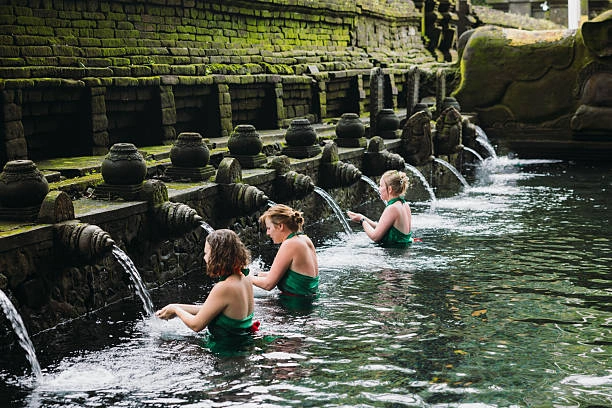
Temples in Ubud range from major cultural sites to quiet village spaces. Tirta Empul, located north of Ubud, is one of the most visited temples because it is still actively used for purification rituals.
To experience temples meaningfully:
- Visit Tirta Empul early in the morning to avoid peak crowds
- Observe how locals move through the space before joining any ritual
- Balance larger temples with smaller village temples you encounter nearby
Smaller temples around Ubud often reveal more about daily life than famous sites. These visits are less about photography and more about understanding how spirituality fits into routine.
3. Explore Ubud Market and Nearby Streets at Different Hours

Ubud Art Market changes character throughout the day. Early mornings are practical and local, while late mornings and afternoons are more visitor oriented.
A realistic way to experience it:
- Visit early to see food, flowers, and local transactions
- Return later if you want to browse crafts and textiles
- Walk surrounding streets rather than staying in one spot
This contrast helps you see how Ubud balances local needs and tourism within the same area.
4. Visit Waterfalls Near Ubud Like Tegenungan and Tibumana
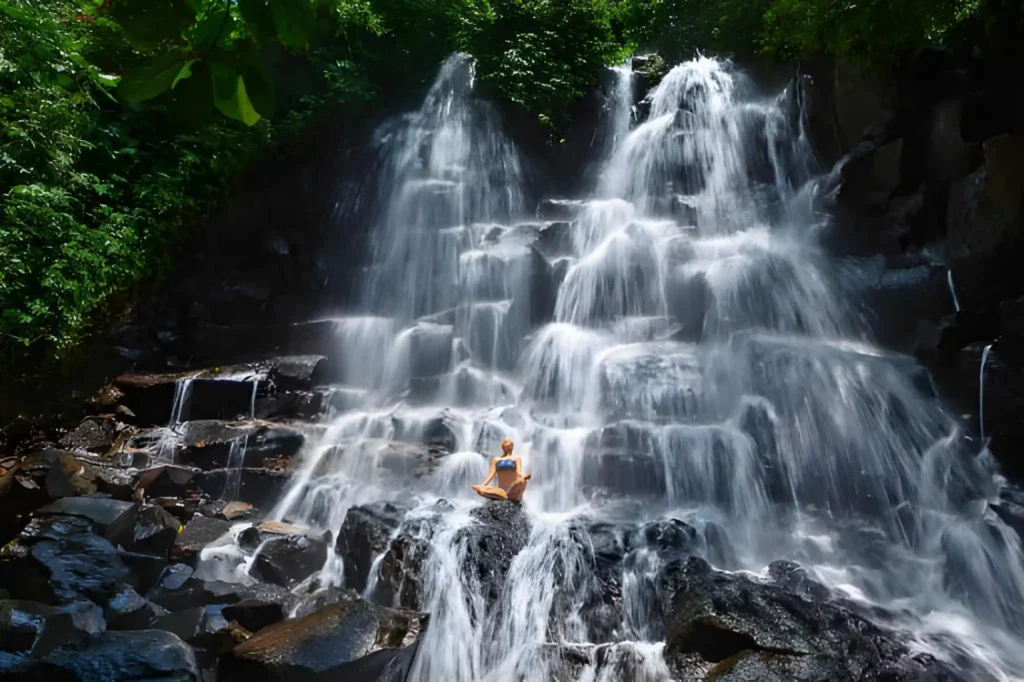
Waterfalls around Ubud are accessible but require planning. Tegenungan Waterfall is the closest and easiest to reach, making it popular and often busy. Tibumana Waterfall, slightly farther, offers a quieter experience with a short walk through greenery.
What to expect:
- Better water flow during or after rainy season
- Early morning visits for fewer people
- Time and energy spent on walking and stairs
These are half day experiences, not quick stops. When approached with realistic expectations, waterfalls add a cooling, restorative element to an Ubud stay.
5. Spend Slow Mornings at Cafes in Central and Northern Ubud
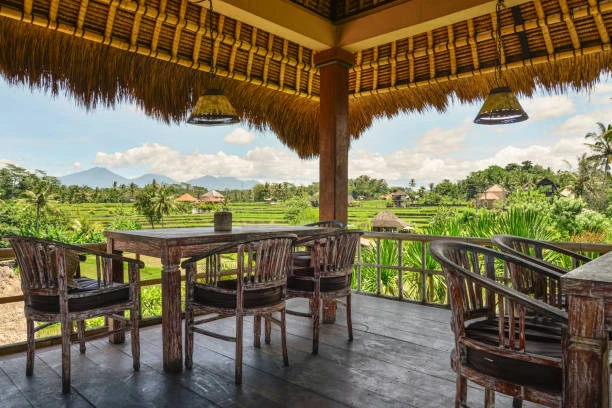
Mornings in Ubud define the tone of your entire day. Cafes open early and are often surrounded by gardens or rice fields, especially north of the town center.
A typical slow morning involves:
- Arriving early before crowds build
- Sitting longer rather than moving quickly
- Letting your day start gently
This rhythm naturally helps you avoid traffic and midday heat while making Ubud feel calmer and more intentional.
6. Join Cultural Experiences Like Cooking Classes or Art Workshops

Ubud is known for hands on cultural experiences. Cooking classes and craft workshops allow you to engage more deeply without constant movement.
These experiences usually include:
- Learning techniques directly from locals
- Spending several hours focused on one activity
- Gaining context about ingredients, materials, or traditions
They work best when you are staying multiple days and want depth rather than variety.
7. Spend Evenings Around Ubud Palace and Nearby Dining Areas

Evenings in Ubud are centered around food and quiet cultural performances. Areas near Ubud Palace and nearby streets come alive briefly at sunset before settling down again.
What evenings feel like:
- Early dinners and relaxed conversations
- Occasional dance performances with set schedules
- A natural wind down rather than nightlife
This pace suits travelers who prefer calm endings to full days.
If you are curious about how diverse Ubud experiences can be beyond a single activity, this area connects naturally to many of Bali’s most defining landscapes and cultural sites. Explore these in more depth through our Ubud focused guides below:
- 20 Things to Do in Ubud When You Want a Deeper Bali Experience
- What to Do in Bali at Night, From Sunset to Late Hours
Best Time to Visit Ubud and How Long You Should Stay
Ubud can be visited year round, but the experience changes significantly depending on season, crowd levels, and the length of your stay. These factors influence not only comfort, but also how relaxed or rushed your days feel.
Here’s how to choose the right time to visit and decide how long to stay for the best experience.
Best Time to Visit Ubud
Ubud’s dry season, which generally runs from May to September, offers the most comfortable conditions for walking and outdoor activities. Days are brighter, humidity is lower, and mornings feel especially pleasant. This is also when Ubud attracts more visitors, particularly in July and August, when central areas become noticeably busier after mid morning.
During the rainy season from October to April, the atmosphere shifts. Showers tend to arrive in the afternoon rather than lasting all day, and mornings are often still clear. While humidity increases, the landscape becomes greener and waterfalls around Ubud are at their best. For travelers who plan activities early and stay flexible, this season can feel quieter and more relaxed.
For many, the most balanced periods are April, May, and September, when weather remains comfortable and crowd levels are easier to manage. During these months, Ubud feels closer to its natural rhythm without sacrificing accessibility.
Key things to keep in mind:
- Early mornings are consistently the calmest, regardless of season
- Afternoon heat and traffic shape how far you want to move each day
- Flexibility matters more in the rainy months than rigid schedules
How Many Days Should You Actually Spend in Ubud?
Ubud is not designed for quick visits. Its value comes from repetition, familiarity, and unplanned pauses rather than one time highlights.
A stay of around three days allows you to experience Ubud at a comfortable pace. You have time for rice field walks, temple visits, and slow mornings without compressing your schedule. This is often the point where Ubud starts to feel cohesive rather than scattered.
With five to seven days, the experience deepens. You can spread activities across your stay, include rest days, revisit favorite areas, and let daily routines form naturally. This length suits travelers who want to engage with workshops, wellness activities, or creative spaces without feeling overscheduled.
Short stays of one day or less tend to feel rushed. Traffic, timing, and limited flexibility often prevent meaningful engagement. If time is tight, staying overnight rather than visiting as a day trip can make a noticeable difference.
Helpful guidelines when deciding your stay:
- Ubud rewards slower pacing more than dense itineraries
- Longer stays reduce daily movement and fatigue
- Comfort increases when activities are spaced, not stacked
Accommodation: Where to Stay for the Right Vibe
Where you stay in Ubud has a direct impact on how your days feel. Two travelers can visit the same places and come away with very different impressions simply because they chose different areas to stay.
In Ubud, location matters more than hotel category. Here’s how different parts of Ubud shape your experience and help you choose the right base.
Staying in Central Ubud
Central Ubud offers the most convenience. You are within walking distance of restaurants, cafes, the art market, and Ubud Palace. This works well if you enjoy stepping out on foot and having options close by, especially in the evenings.
At the same time, this area becomes busier as the day progresses. Traffic, noise, and crowds build from late morning onward. Staying here suits shorter stays or travelers who prioritize accessibility over quiet. Choosing a hotel slightly set back from the main road can make a noticeable difference in comfort.
What central Ubud offers:
- Easy access to dining and evening activities
- Walkable streets for short distances
- A livelier atmosphere during the day
Staying Near Rice Fields and River Valleys
Areas just outside the center, particularly to the north and west of Ubud, offer a different experience. Accommodations here are often surrounded by rice fields, gardens, or river valleys. Mornings are quieter, and views become part of daily life rather than a backdrop.
Staying in these areas encourages slower routines. You may rely more on short drives or transfers, but the trade off is space and calm. This option works well for travelers who value peaceful mornings, nature walks, and time spent at their accommodation between outings.
What to expect in these areas:
- Cooler and quieter mornings
- Fewer walkable options nearby
- A stronger connection to nature
Staying in Villages Around Ubud
Villages surrounding Ubud offer the most grounded experience. Accommodations are integrated into local communities, where daily life continues around you. You hear ceremonies, see offerings prepared, and move through areas that feel lived in rather than curated.
This option suits longer stays and travelers who want immersion over convenience. Transportation planning becomes more important, but the sense of place is stronger. For many, this is where Ubud feels most authentic and balanced.
Things to consider:
- Limited nightlife and dining within walking distance
- A deeper sense of local rhythm
- Best suited for travelers comfortable with quieter surroundings
Choosing where to stay in Ubud is less about luxury and more about alignment. When your accommodation matches your travel style and expectations, Ubud becomes easier, calmer, and far more rewarding.
So, Is Ubud Worth Visiting for Your Bali Vacation in 2026?
Ubud is worth visiting in 2026 if what you are looking for is space rather than stimulation. It is not a destination that impresses instantly or rewards rushing from one highlight to another. Its value reveals itself through pacing, timing, and how you choose to spend your days.
When approached with realistic expectations, Ubud offers something that is becoming harder to find in Bali. Mornings that feel unhurried, cultural experiences that are still part of daily life, and landscapes that invite you to slow down rather than consume. It works best for travelers who are willing to stay a little longer, move a little less, and allow routine to form naturally.
If Ubud feels right for your trip, planning matters. Where you stay, when you visit, and how you move between places all shape the experience. Bali Island Vacations helps you design journeys that respect these rhythms, so your time in Ubud feels intentional rather than overwhelming. When your itinerary is aligned with how Ubud actually works, the destination speaks for itself.