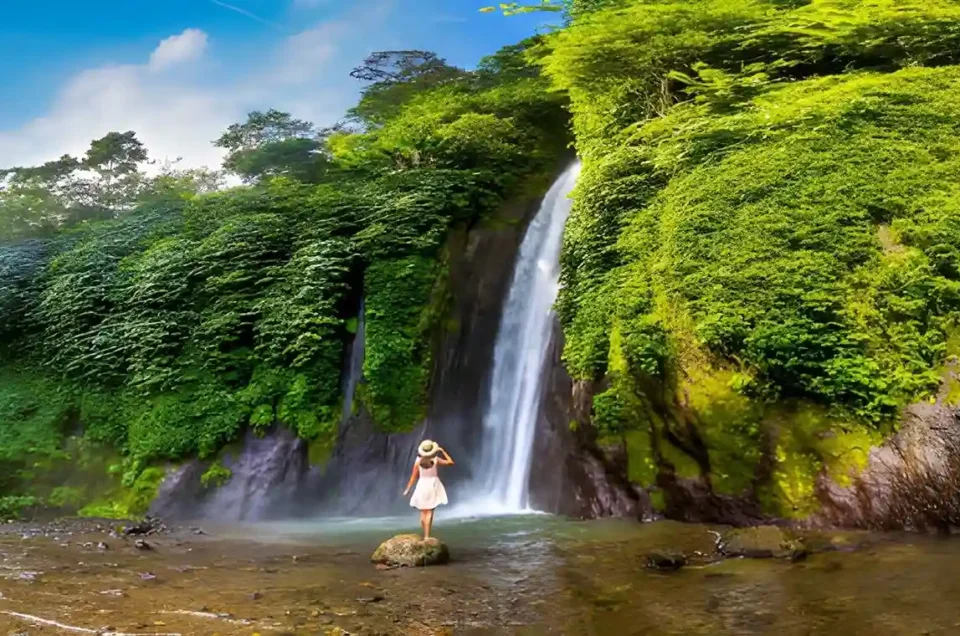
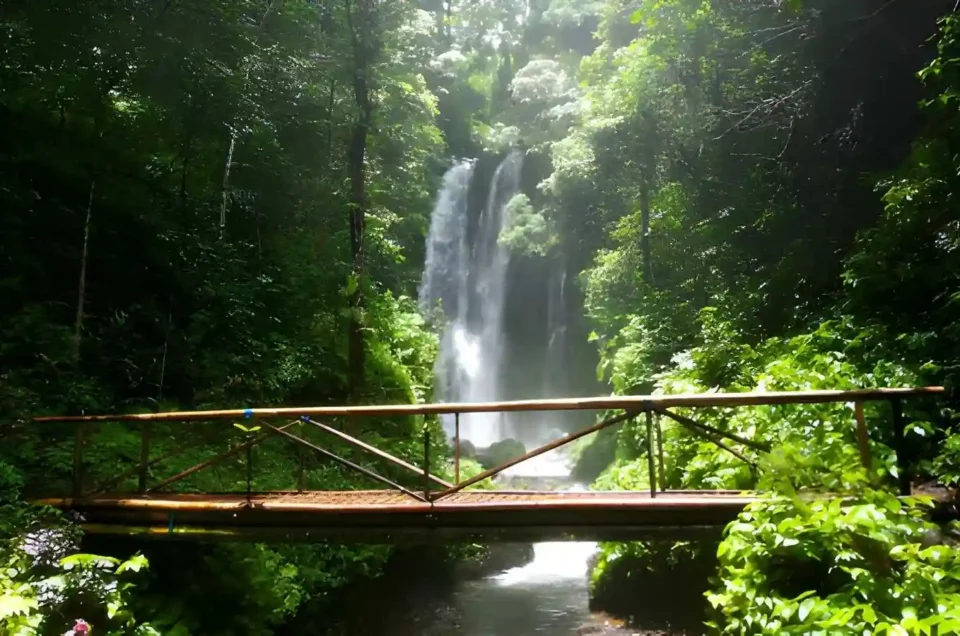
Munduk isn’t famous for beaches or nightlife. It’s famous for waterfalls.
Up in Bali’s northern highlands, this small mountain village has quietly become one of the best waterfall regions on the island , not because of one viral cascade, but because of how many you can reach within a single area.
If you’re planning to explore the best waterfalls in Munduk, you’re not choosing just one stop. You’re choosing a landscape shaped by flowing water, forest trails, and cool mountain air.
Overview of Waterfalls in Munduk
Munduk sits in Bali’s northern highlands at around 800–1,200 meters above sea level. Because of its elevation and consistent rainfall, the region has one of the highest concentrations of accessible waterfalls on the island.
Most waterfalls here are:
- Located within 5–20 minutes of each other
- Reached by short to moderate jungle walks
- Flowing year-round, with stronger volume during rainy season
- Surrounded by coffee and clove plantations
- Noticeably less crowded than central Bali waterfalls
What makes this even better is efficiency. In one day, you can realistically visit three to four waterfalls without rushing, something that’s hard to do in other parts of Bali.
The terrain is hilly, the air is cooler, and the setting feels more natural than curated. You won’t find large commercial complexes here. What you’ll find is forest, stone paths, small entrance booths run by locals, and the sound of water cutting through the valley.
Why You Must Visit Waterfalls in Munduk
Waterfalls in Bali are everywhere, but waterfalls in Munduk feel more personal.
Here, the experience starts before you reach the cascade. The walk down often passes through active farmland, spice trees, and village paths. It doesn’t feel separated from local life, it feels part of it.
And because of the cooler mountain climate, exploring multiple waterfalls in one day feels manageable instead of exhausting.
Here’s why Munduk’s waterfalls stand out:
- Cooler trekking conditions compared to Ubud and lowland areas
- Multiple waterfalls in one compact region, making it easy to explore several in a day
- Tall, vertical cascades framed by dense highland vegetation
- Lower visitor volume, especially outside peak dry season
- Authentic setting, without heavy commercial development
Another thing you’ll notice is sound. The valleys amplify the water. Even before you see the falls, you hear them rolling down the rock face.
That anticipation of the descent, the echo, the first glimpse through the trees, is what makes waterfalls in Munduk feel more immersive than just another stop on an itinerary.
If waterfalls are one of your main reasons for coming to Bali, Munduk is one of the strongest regions to prioritize.
Best Waterfalls in Munduk You Can Explore
Munduk isn’t built around a single iconic waterfall. It’s a highland region shaped by multiple cascades spread across steep valleys and plantation-lined hills.
Most of the main waterfalls sit within 5–15 minutes of each other by road or trekking trail, making Munduk one of the most efficient waterfall regions in Bali. You can realistically combine several in a single day without long transfers.
Here are the best waterfalls in Munduk you can explore:
1. Munduk Waterfall (Red Coral Waterfall)
Munduk Waterfall, locally known as Red Coral Waterfall is the most accessible and recognizable waterfall in the village. When you hear “Munduk Waterfall,” this is usually the one being referenced.
It sits just off the main road and requires only a short descent, making it an easy first stop when you arrive in the highlands.
What you should know before visiting:
- Walking time: 10–15 minutes from the roadside entrance
- Trail condition: Paved path with steps; manageable but can be slippery after rain
- Waterfall type: Tall, narrow vertical drop against dark volcanic rock
- Swimming: Limited; basin is shallow and rocky
- Crowd level: Moderate for Munduk, but far quieter than Ubud waterfalls
Because of its easy access and consistent flow year-round, this waterfall works well as your introduction to the Munduk waterfall area. It gives you the scenery without demanding much effort.
2. Melanting Waterfall
Melanting Waterfall is located along the same trekking network as Munduk Waterfall and is usually combined in one continuous route.
The descent is slightly longer and steeper, but the reward feels bigger.
Key details to consider:
- Walking time: Around 20 minutes from the main trail junction
- Difficulty level: Moderate; includes stairs and uneven stone paths
- Water volume: Stronger than Munduk Waterfall, especially during rainy season
- Setting: Deeper jungle valley with moss-covered rock walls
- Best season: Impressive flow from December to February
The cascade is taller and more forceful, sometimes splitting into layered streams depending on water levels. Because it sits deeper in the valley, it often feels more dramatic and enclosed.
If you’re already trekking in this cluster, Melanting is one of the most visually powerful waterfalls in Munduk.
3. Golden Valley Waterfall
Golden Valley Waterfall is located slightly outside central Munduk, about 5 minutes by scooter or car.
Unlike the steeper jungle descents of Munduk and Melanting, this waterfall offers a more relaxed access experience.
Practical information:
- Walking time: 5–10 minutes from the parking area
- Trail condition: Short and clearly marked
- Waterfall height: Medium-height cascade
- Facilities: Bamboo viewing deck and small café overlooking the valley
- Effort required: Minimal compared to other waterfalls in Munduk
The bamboo platform provides a direct frontal view without requiring a deep descent into the gorge. If you prefer light trekking or want to combine a waterfall stop with a coffee break, this is the easiest option in the area.
4. Labuhan Kebo Waterfall
Labuhan Kebo is less developed and less visited than the main waterfalls in Munduk village. It requires a bit more intention to reach, which naturally keeps visitor numbers lower.
What to expect:
- Access time: Short forest descent, moderate difficulty
- Trail type: Less maintained, more natural terrain
- Waterfall shape: Narrow vertical drop
- Infrastructure: Minimal built structures
- Crowd level: Often quiet, especially in the morning
The experience here feels more raw. There are no large viewing platforms or café stops, just jungle, rock, and water. If you’re looking for something less structured, this waterfall offers that atmosphere.
5. Banyumala Twin Waterfalls (Near Munduk)
Banyumala Twin Waterfalls are located about 20–30 minutes by car from Munduk, closer to Wanagiri, but they are commonly included in a Munduk waterfall itinerary.
This waterfall is structurally different from most in the village.
Essential details:
- Drive time from Munduk: 20–30 minutes
- Trek duration: 20–30 minutes downhill
- Waterfall formation: Two parallel cascades flowing side by side
- Swimming: Yes, there are large natural pool at the base
- Popularity: Higher visitor numbers, especially in dry season
Because of its wide twin formation and swimmable basin, Banyumala is one of the most photogenic waterfalls in North Bali. Arriving early in the morning helps avoid peak crowds.
If swimming is important to you, this is the strongest waterfall near Munduk for that experience.
6. Gobleg Waterfall
Located in Gobleg Village around 15–20 minutes by car from central Munduk, Gobleg Waterfall sits within the same highland ridge system that feeds the region’s main cascades.
The access trail is relatively short but includes a steady downhill walk through shaded forest paths. It’s less developed than the main Munduk–Melanting trail, which naturally keeps visitor numbers lower.
What you’ll notice here is simplicity. There are no viewing decks or café stops, just a clean vertical drop framed by dark rock and thick jungle walls.
Because it’s slightly off the main tourist radar, this waterfall often feels quieter, especially in the morning.
This one makes sense if you’re looking for:
- A calmer alternative to Banyumala
- A waterfall with minimal built infrastructure
- A short detour while exploring the Twin Lakes area
7. Jembong Waterfall (Extended North Bali Option)
While Jembong Waterfall is technically located near Ambengan, about 30–40 minutes from Munduk it’s frequently included in extended North Bali waterfall routes if you’re staying multiple nights in the highlands.
Unlike most Munduk waterfalls, which are tall and narrow, Jembong is multi-tiered and wider. The water flows across layered rock formations rather than dropping in a single vertical line.
Access is straightforward, with established steps and viewing platforms.
You’ll likely appreciate this waterfall if you want:
- A different waterfall shape compared to Munduk’s vertical drops
- Easier access paths
- A combination of waterfall views and light relaxation
It’s not as wild-feeling as central Munduk falls, but it adds variety if you’re expanding your exploration radius.
Best Time to Visit Waterfalls in Munduk
The best time to visit waterfalls in Munduk is during the dry season from May to October, when trails are safer, visibility is clearer, and trekking conditions are more comfortable.
However, waterfalls here flow year-round due to the region’s high elevation and consistent mountain rainfall.
Here’s how timing affects your experience:
- May–October (Dry Season): Safer trails, clearer skies, easier access. Water flow is slightly lighter but still active.
- December–February (Peak Rainy Season): Stronger and more dramatic cascades, but trails become slippery and mist reduces visibility.
- Best time of day: Early morning (before 10 AM) for fewer visitors and softer natural light.
If you want the most balanced conditions, good water flow without heavy rain in June, July, and September are the safest months to plan around.
Because Munduk sits at higher altitude, even mid-day trekking feels cooler than lowland Bali. Just bring proper footwear, especially if you’re visiting during rainy season.
If you’re planning to stay overnight, explore viewpoints, and understand how these waterfalls fit into a full itinerary of Munduk, read our complete Munduk Travel Guide for deeper planning insights.
So, Are the Waterfalls in Munduk Worth It?
Yes, especially if you’re looking for variety, accessibility, and a more natural highland setting without heavy commercialization.
Munduk isn’t about one iconic waterfall. It’s about experiencing several in one connected landscape, like cool air, jungle trails, and cascades that still feel part of village life.
That layered experience is exactly the kind of depth we focus on at Bali Island Vacations to help you explore beyond the obvious and build a Bali itinerary with real contrast.
FAQs About Waterfalls in Munduk
How many waterfalls are in Munduk?
There are at least 5 main waterfalls within the Munduk and nearby Gobleg–Wanagiri highland area that are easily accessible, with several smaller seasonal cascades appearing during the rainy season.
What is the best waterfall in Munduk?
Melanting Waterfall is often considered the most powerful in central Munduk due to its height and strong flow, while Banyumala Twin Waterfalls is the most photogenic and best for swimming.
Can you visit multiple waterfalls in Munduk in one day?
Yes. The main village cluster like Munduk Waterfall, Melanting Waterfall, and Golden Valley Waterfall can be explored in 2–3 hours on foot, making it realistic to visit 3–4 waterfalls in one day.
Are Munduk waterfalls good for swimming?
Most waterfalls in central Munduk are not ideal for swimming due to rocky basins and strong vertical drops. Banyumala Twin Waterfalls is the best option near Munduk for swimming.
Are Munduk waterfalls difficult to reach?
No. Most waterfalls require short to moderate downhill walks (10–30 minutes). Trails include steps and uneven paths, so proper footwear is recommended, especially during rainy season.
When is the best time to visit waterfalls in Munduk?
The best time is during the dry season (May–October) for safer trails and clearer conditions, though waterfalls flow year-round due to the region’s high elevation and rainfall.
Are Munduk waterfalls crowded?
Compared to waterfalls in Ubud and central Bali, Munduk waterfalls are significantly less crowded, especially if you visit early in the morning.
If highland waterfalls are your thing, you’ll also want to explore Bali’s other nature destinations in our other insights below: