
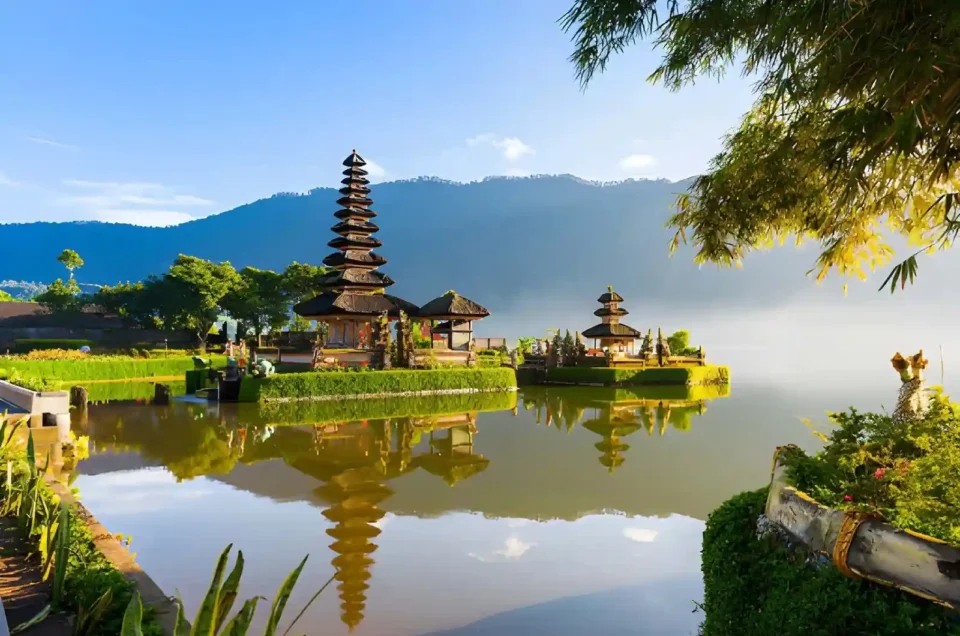
Bali has long been one of the world’s most fascinating island destinations. Travelers come for the dramatic coastlines, ancient temples, lush rice terraces, and a culture that still shapes everyday life across villages and towns. While the island continues to evolve with new cafés, beach clubs, and luxury resorts, the core experiences that made Bali famous remain deeply rooted in nature, spirituality, and local traditions.
In 2026, Bali continues to offer a remarkable mix of iconic landmarks and meaningful travel experiences. From cliffside temples overlooking the Indian Ocean to volcanic landscapes and quiet cultural villages, the island presents countless places worth exploring.
With so many destinations spread across Bali, you might wonder which attractions truly deserve a spot on your itinerary. Here’s a curated guide to the best places to visit across the island.
Quick Overview About the Best Tourist Attractions in Bali in 2026
The best tourist attractions in Bali in 2026 include iconic temples, scenic rice terraces, volcanic viewpoints, dramatic coastal cliffs, and cultural villages spread across the island. Many of these destinations are located in regions such as Ubud, Uluwatu, East Bali, North Bali, and the Nusa islands, each offering a different side of Bali’s landscape and culture.
Some of the most popular and highly recommended attractions include:
- Uluwatu Temple for its dramatic cliffside sunset views
- Tanah Lot Temple, one of Bali’s most photographed sea temples
- Tegallalang Rice Terrace near Ubud
- Mount Batur for sunrise trekking experiences
- Lempuyang Temple, famous for the Gates of Heaven
- Sekumpul Waterfall in North Bali
- Jatiluwih Rice Terraces, a UNESCO cultural landscape
- Kelingking Beach in Nusa Penida
These destinations represent a combination of natural beauty, cultural heritage, and unique experiences that continue to make Bali one of the most compelling travel destinations in the world.
Iconic Temples That Define Bali
Temples are an essential part of Bali’s cultural and spiritual landscape. Across the island, thousands of temples serve as places of worship, community gathering spaces, and important cultural landmarks. Many of Bali’s most famous tourist attractions are temples located in spectacular natural settings, whether perched on ocean cliffs, surrounded by rice fields, or built along volcanic slopes.
For visitors exploring Bali in 2026, several temples stand out not only for their historical significance but also for the unique experiences they offer.
1. Uluwatu Temple – Bali’s Most Dramatic Cliffside Temple
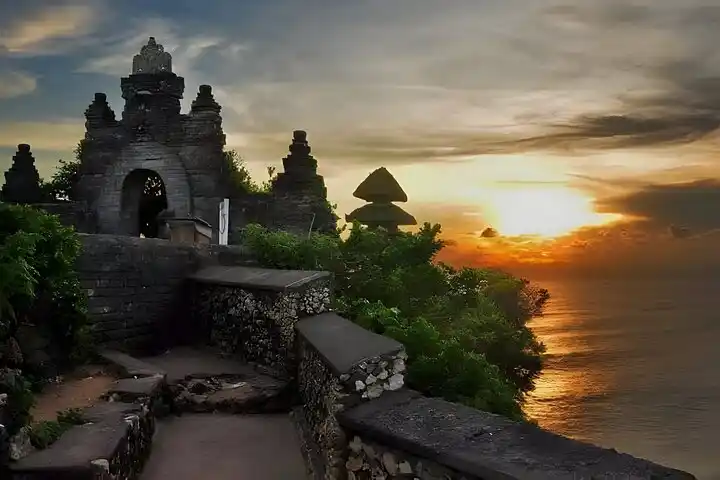
Perched high on limestone cliffs overlooking the Indian Ocean, Uluwatu Temple is one of the most spectacular cultural landmarks in Bali. The temple sits about 70 meters above the ocean, creating panoramic views that become especially striking during sunset.
The site itself is part of a network of directional temples that spiritually protect the island. Visitors typically walk along the cliffside pathways that connect several viewpoints, each revealing dramatic perspectives of the coastline below.
What makes Uluwatu Temple one of the most popular attractions in Bali:
- Cliffside location with sweeping ocean views
- Famous sunset atmosphere overlooking the Indian Ocean
- Traditional Kecak fire dance performed in an open air amphitheater
- One of the key spiritual temples in Balinese Hindu culture
Arriving in the late afternoon allows visitors to explore the temple grounds before watching the sunset and experiencing the traditional Kecak dance performance that takes place as the sky turns orange over the sea.
2. Tanah Lot Temple – The Iconic Sea Temple of Bali
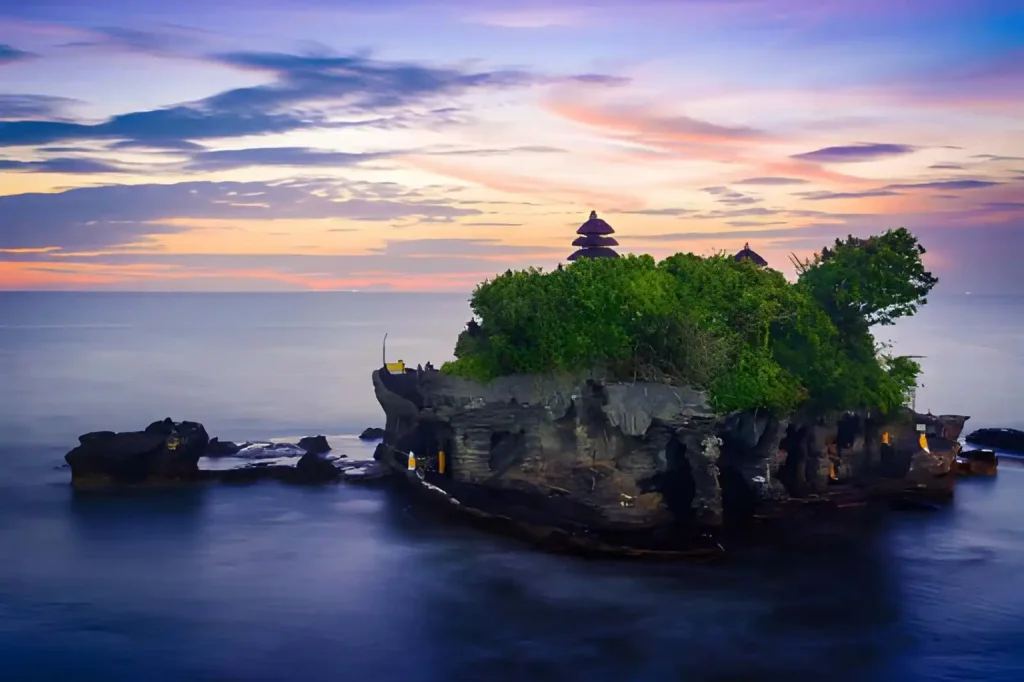
Tanah Lot Temple is one of the most recognizable landmarks in Bali and remains a highlight for many first time visitors. Built on a rocky outcrop just offshore, the temple appears to float on the sea when the tide rises.
The temple dates back to the 16th century and has long been associated with Balinese sea worship. Although visitors cannot enter the inner shrine, the surrounding coastal area offers multiple viewpoints and walking paths that make the visit memorable.
Reasons Tanah Lot continues to be a major Bali attraction:
- Unique sea temple built on a coastal rock formation
- One of the most photographed sunset locations in Bali
- Cultural and spiritual significance in Balinese Hinduism
- Wide viewing areas along the surrounding coastline
During low tide, visitors can walk closer to the base of the temple and see the natural cave formations beneath the rock.
3. Besakih Temple – The Mother Temple of Bali
Located on the slopes of Mount Agung, Besakih Temple is the largest and most important temple complex in Bali. Often referred to as the “Mother Temple,” it consists of more than twenty separate temples spread across a terraced hillside.
The elevated location provides sweeping views across eastern Bali, while the temple complex itself reflects centuries of religious history and ceremonial traditions.
What makes Besakih Temple one of the island’s most significant landmarks:
- Largest temple complex in Bali
- Located on the sacred slopes of Mount Agung
- Major site for Balinese religious ceremonies
- Multiple temple courtyards connected by stone stairways
Visiting Besakih offers a deeper look into the spiritual foundation of Balinese culture, making it one of the most meaningful cultural attractions on the island.
4. Lempuyang Temple – The Famous Gates of Heaven
Lempuyang Temple has become one of the most recognizable temple landmarks in Bali, largely because of the famous “Gates of Heaven” viewpoint that frames Mount Agung in the distance. Located in East Bali, the temple sits on the slopes of Mount Lempuyang and forms part of a larger temple complex spread across the mountain.
Reaching the upper temple areas involves a long series of steps, but the journey itself is part of the experience. As you climb higher, the landscape opens to sweeping views of eastern Bali, often with Mount Agung rising dramatically in the background.
Why Lempuyang Temple remains one of Bali’s most iconic attractions:
- The famous “Gates of Heaven” viewpoint overlooking Mount Agung
- A historic temple complex located on a sacred mountain
- Expansive views across East Bali landscapes
- Strong spiritual significance within Balinese Hindu traditions
Many visitors arrive early in the morning when the mountain views are clearer and the atmosphere feels calmer. The temple’s elevated setting creates a peaceful environment that feels very different from Bali’s coastal destinations.
5. Ulun Danu Beratan Temple – The Floating Temple of Lake Beratan
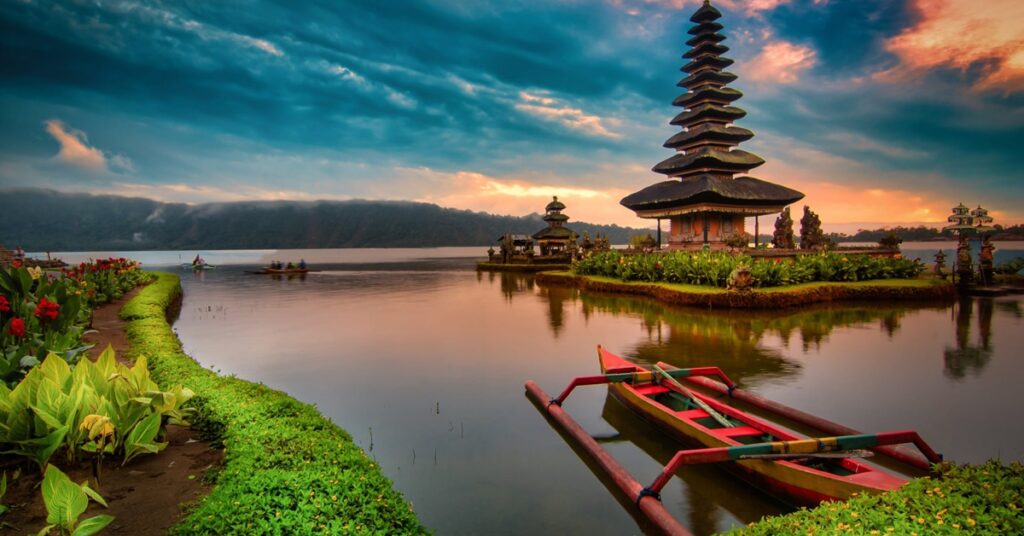
Ulun Danu Beratan Temple is one of Bali’s most picturesque temples, located along the shores of Lake Beratan in the cool highlands of Bedugul. Surrounded by misty mountains and calm lake waters, the temple appears to float when water levels rise, creating one of the island’s most photogenic landscapes.
Unlike cliffside temples such as Uluwatu, Ulun Danu is closely connected to Bali’s agricultural traditions. The temple is dedicated to Dewi Danu, the goddess of lakes and water, who is believed to protect the island’s irrigation system that supports rice farming across Bali.
What makes Ulun Danu Beratan Temple a must visit attraction:
- A temple complex built directly along the lake’s edge
- Cool mountain climate different from southern Bali
- Cultural connection to Bali’s ancient irrigation system
- One of the most photographed temple landscapes on the island
The surrounding Bedugul area also offers botanical gardens, mountain viewpoints, and fruit markets, making it an enjoyable stop during a day trip through Bali’s central highlands.
Rice Terraces and Cultural Landscapes
Rice cultivation has shaped Bali’s landscapes for centuries. Across the island, terraced rice fields follow the natural contours of hills and valleys, forming some of the most recognizable scenery in Southeast Asia.
These landscapes are supported by the subak irrigation system, a traditional water management practice that reflects the deep relationship between agriculture, spirituality, and community life in Bali.
If you visiting Bali in 2026, several rice terrace areas stand out not only for their beauty but also for the cultural heritage they represent.
6. Tegallalang Rice Terrace – The Famous Ubud Rice Landscape
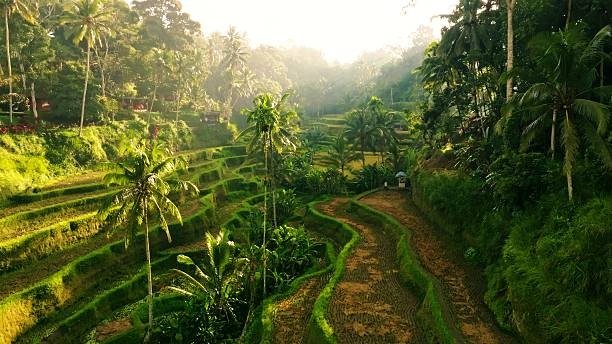
Located just north of Ubud, Tegallalang Rice Terrace is one of the most accessible and visually striking rice field landscapes in Bali. The terraces cascade down a narrow valley, creating layered green patterns that change color throughout the growing seasons.
Because of its proximity to Ubud, Tegallalang has become a popular stop for visitors exploring central Bali. Despite its popularity, the landscape remains an active farming area where local farmers continue cultivating rice using traditional methods.
Highlights of visiting Tegallalang Rice Terrace:
- Classic stepped rice terraces overlooking a lush valley
- Walking paths that allow visitors to explore the fields
- Nearby cafés with panoramic terrace views
- Easy access from Ubud and surrounding cultural sites
Arriving early in the morning often provides the best experience, when the air is cooler and the terraces are illuminated by soft sunlight.
7. Jatiluwih Rice Terraces – Bali’s UNESCO Cultural Landscape
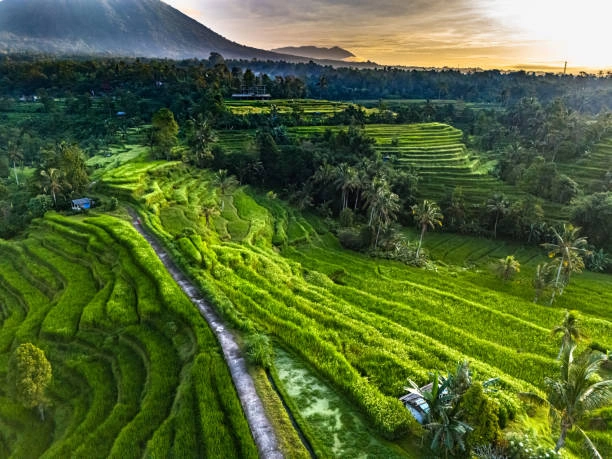
While Tegallalang is famous for its compact terraces, Jatiluwih offers a much broader landscape. Located in the Tabanan region on the slopes of Mount Batukaru, this area forms part of a UNESCO recognized cultural landscape that preserves Bali’s traditional farming system.
The rice terraces here stretch across vast hillsides, creating a panoramic agricultural landscape that feels expansive and peaceful. Walking and cycling routes allow visitors to explore the area at a slower pace while observing farming activities throughout the valley.
Why Jatiluwih stands out among Bali’s rice terrace destinations:
- UNESCO recognized cultural landscape
- Extensive terraces spreading across wide valleys
- Scenic walking and cycling routes through farmland
- Strong connection to Bali’s traditional subak irrigation system
If you interested in both scenery and cultural heritage, Jatiluwih provides a deeper perspective on how agriculture has shaped Bali’s identity.
Bali’s Most Beautiful Waterfalls
Beyond temples and rice terraces, Bali is also home to an impressive number of waterfalls scattered across its jungles and mountain valleys. Many of the island’s most beautiful waterfalls are located in the northern and central regions, where dense forests, rivers, and volcanic terrain create dramatic natural landscapes.
Some waterfalls are easily accessible and popular with visitors, while others require a short trek through tropical greenery. For travelers exploring Bali in 2026, these waterfalls offer refreshing escapes into nature and some of the most scenic environments on the island.
8. Sekumpul Waterfall – Often Called the Most Beautiful Waterfall in Bali
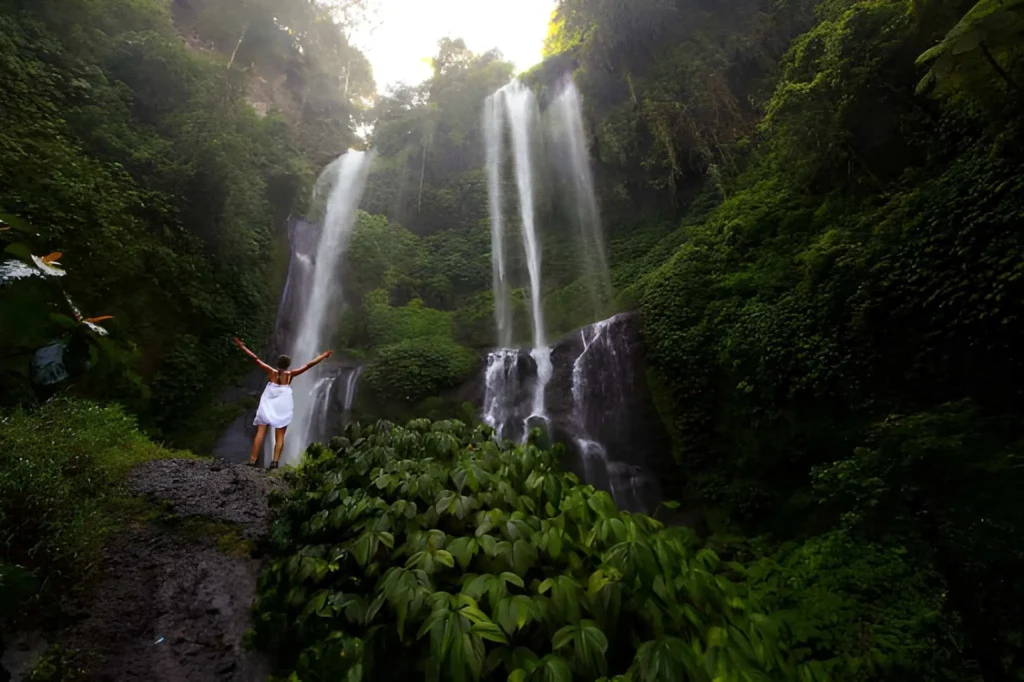
Located in the northern region of Bali, Sekumpul Waterfall is widely regarded as the most spectacular waterfall on the island. Rather than a single cascade, Sekumpul consists of several powerful streams of water falling from high jungle cliffs into a lush valley below.
Reaching the waterfall requires a short trek down a series of steps and pathways through tropical forest, but the journey adds to the sense of adventure. As you approach the valley, the sound of rushing water grows louder until the full view of the cascading falls appears through the trees.
Why Sekumpul Waterfall stands out among Bali’s waterfalls:
- Multiple waterfalls flowing side by side down steep cliffs
- Surrounded by dense tropical jungle landscapes
- Considered one of the most dramatic natural sights in Bali
- A rewarding trek that leads to panoramic waterfall views
Because of its location in North Bali, visiting Sekumpul usually involves a longer drive, but many travelers find the scenery and atmosphere well worth the journey.
9. Banyumala Twin Waterfall – A Peaceful Mountain Waterfall
Banyumala Twin Waterfall is located in the highlands of North Bali, not far from Lake Buyan and Lake Tamblingan. Compared to some of the island’s larger waterfalls, Banyumala offers a calmer and more intimate atmosphere.
Two main streams of water flow side by side into a clear natural pool surrounded by jungle vegetation. The peaceful setting makes it a favorite spot for travelers who want to enjoy nature without large crowds.
Highlights of visiting Banyumala Twin Waterfall:
- Twin cascades flowing into a calm natural swimming pool
- Located in Bali’s cooler northern highlands
- Short scenic trek through forest to reach the falls
- Often quieter than more central waterfalls
The cool mountain air and lush greenery create a refreshing environment, making Banyumala an ideal stop when exploring North Bali’s natural landscapes.
10. Tegenungan Waterfall – The Closest Waterfall to Ubud
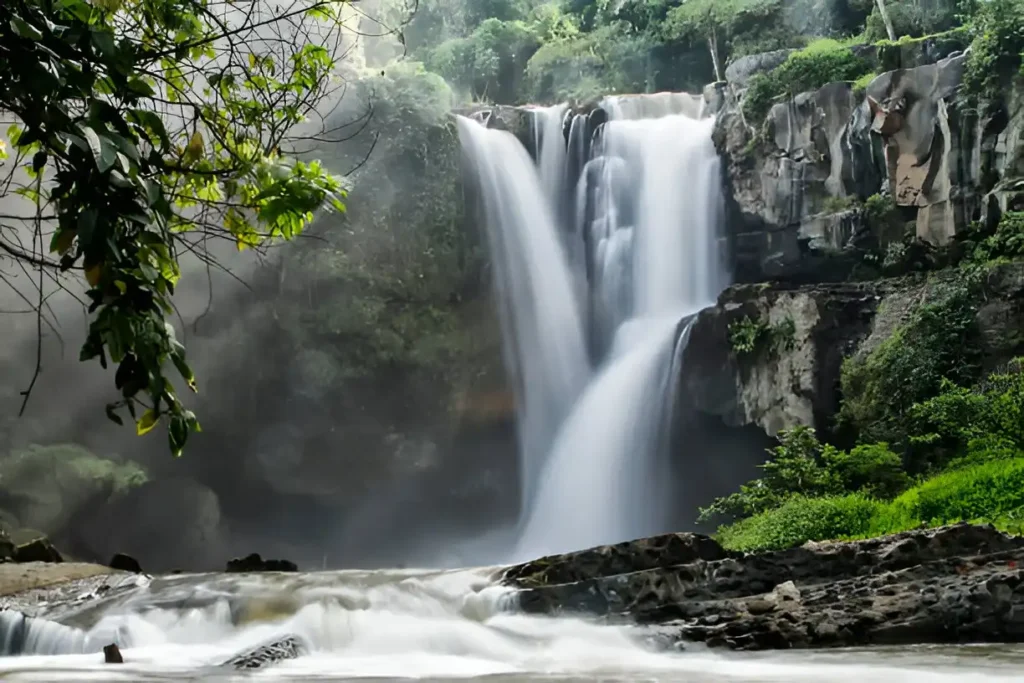
Tegenungan Waterfall is one of the most accessible waterfalls in Bali, located just a short drive south of Ubud. Because of its convenient location, it has become one of the most visited waterfalls on the island.
Despite its popularity, Tegenungan remains an impressive natural attraction. The waterfall flows strongly into a wide river pool, framed by steep green cliffs and dense vegetation.
Reasons Tegenungan Waterfall remains a popular stop for travelers:
- One of the closest waterfalls to Ubud
- Wide and powerful cascade surrounded by jungle
- Viewing platforms and stairs leading down to the river
- Nearby cafés and scenic viewpoints overlooking the valley
Visiting early in the morning is often the best way to experience Tegenungan with fewer visitors and softer lighting.
11. Leke Leke Waterfall – A Hidden Waterfall in Central Bali
Leke Leke Waterfall is located in the Tabanan region of central Bali and has gained popularity in recent years thanks to its unique shape and tranquil surroundings. Unlike wide waterfalls, Leke Leke features a narrow stream of water falling gracefully down a tall cliff.
The path leading to the waterfall passes through forest trails and a small bamboo bridge, creating a scenic approach before reaching the falls themselves.
What makes Leke Leke Waterfall a memorable stop:
- A tall and slender waterfall flowing down a rocky cliff
- Short scenic walk through tropical forest
- A peaceful atmosphere surrounded by nature
- Often combined with nearby temple and mountain destinations
Its picturesque setting and relatively easy access make Leke Leke a great addition to a nature focused Bali itinerary.
Scenic Volcano and Mountain Experiences
Bali’s landscapes are deeply shaped by volcanic activity. Mountains such as Mount Batur and Mount Agung dominate the island’s interior, creating dramatic scenery that contrasts with the tropical coastline.
These volcanic regions are not only visually striking but also culturally significant, as many temples and villages are built around the slopes of these sacred mountains.
If you want to explore Bali in 2026, the volcanic highlands offer some of the island’s most memorable panoramic views and outdoor adventures.
12. Mount Batur Sunrise Trek – One of Bali’s Most Popular Adventures

Mount Batur is one of Bali’s most famous volcanoes and one of the island’s most popular trekking destinations. The early morning hike to the summit has become a classic Bali adventure, allowing visitors to watch the sunrise from above the clouds while overlooking Lake Batur and the surrounding caldera.
The trek usually begins before dawn, with hikers setting off under the stars and reaching the summit just as the first light appears over the horizon. Once at the top, the panoramic views across the volcanic landscape create an unforgettable moment.
Why Mount Batur sunrise trekking is one of Bali’s top experiences:
- Sunrise views from the summit of an active volcano
- Panoramic views of Lake Batur and surrounding mountains
- One of the most unique outdoor adventures in Bali
- Guided treks available for different experience levels
The hike is considered moderately challenging but manageable for most travelers with basic fitness, making it one of the most accessible volcano treks in Southeast Asia.
13. Kintamani – The Best Viewpoint for Mount Batur and Lake Batur
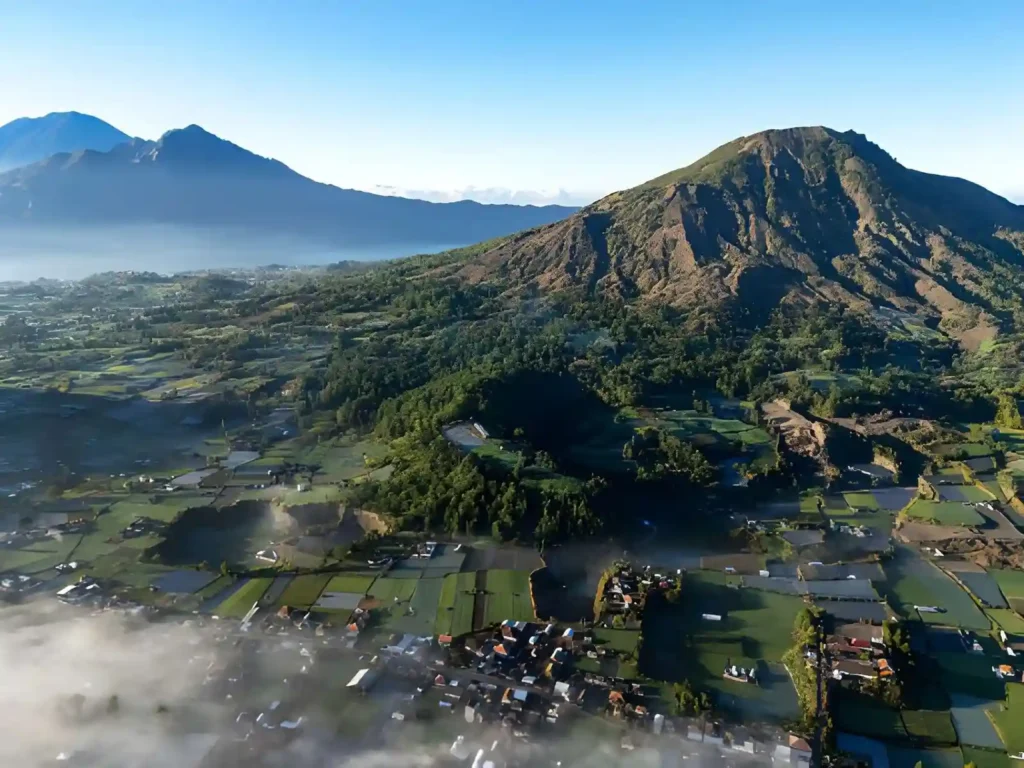
While Mount Batur trekking offers a summit experience, the nearby region of Kintamani provides some of the best panoramic viewpoints of the entire volcanic caldera. From elevated ridgelines and roadside viewpoints, visitors can look across Lake Batur with the volcano rising dramatically from the landscape.
Kintamani has long been a stop on many Bali travel routes because it offers one of the island’s most striking natural panoramas without requiring a hike.
What makes Kintamani one of the most scenic areas in Bali:
- Expansive views across the Mount Batur volcanic caldera
- Cool mountain climate compared to southern Bali
- Scenic cafés and restaurants overlooking the lake
- Gateway area for Mount Batur trekking routes
Many visitors combine a stop in Kintamani with nearby villages and temples, creating a scenic day trip through Bali’s highland region.
For deeper insight about kintamani, you can explore our guide here: 12 Best Things to Do in Kintamani: A Complete Guide to Bali’s Volcano and Lake Region
Beaches and Coastal Landscapes
Although Bali’s interior landscapes are spectacular, the island is equally famous for its dramatic coastlines. From towering limestone cliffs in the south to quieter black sand beaches in the east and north, Bali offers a wide range of coastal environments.
Some beaches are known for surfing and beach culture, while others are valued for their raw scenery and peaceful atmosphere. For travelers visiting Bali in 2026, several coastal destinations stand out as some of the island’s most visually impressive locations.
14. Kelingking Beach – The Iconic Cliff of Nusa Penida
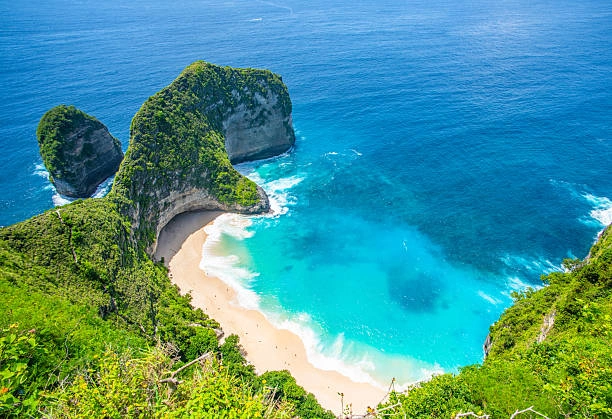
Kelingking Beach on Nusa Penida has become one of the most recognizable coastal landmarks in Indonesia. The dramatic cliff formation resembles the shape of a dinosaur head, which is why it is often nicknamed the “T Rex cliff.”
From the main viewpoint at the top, visitors can see the sweeping curve of the cliff dropping down toward turquoise water and a remote beach far below. The scenery is both dramatic and unique, making it one of the most photographed landscapes in Bali.
Reasons Kelingking Beach attracts travelers from around the world:
- One of the most dramatic coastal cliffs in Southeast Asia
- Iconic panoramic viewpoint overlooking turquoise ocean water
- A steep hiking path leading down to the hidden beach
- Located on the rugged island of Nusa Penida
Even for visitors who choose not to hike down to the beach, the viewpoint alone offers one of the most memorable coastal views in the region.
15. Nyang Nyang Beach – A Secluded Beach Below Uluwatu Cliffs
Located on the southern Bukit Peninsula near Uluwatu, Nyang Nyang Beach remains one of the quieter beaches in this region. The beach is hidden beneath tall limestone cliffs, and reaching it requires walking down a steep path from the cliff top.
Because of this access, the beach rarely feels crowded even during busy travel seasons. Once you reach the shoreline, you are greeted by a long stretch of sand with dramatic cliffs rising behind it.
What makes Nyang Nyang Beach stand out:
- A long and relatively undeveloped stretch of coastline
- Dramatic limestone cliffs framing the beach
- Fewer crowds due to the steep access path
- Wide open scenery ideal for photography and sunset views
For travelers willing to make the walk down the cliff path, Nyang Nyang offers a quieter coastal experience compared to many beaches in South Bali.
Cultural Villages and Unique Experiences in Bali
Beyond landscapes and beaches, Bali’s cultural traditions are a central part of what makes the island unique. Many villages still maintain centuries old customs, architecture, and community traditions that continue to shape daily life.
For travelers visiting Bali in 2026, exploring these cultural environments and traditional experiences offers a deeper understanding of the island beyond its natural scenery.
16. Penglipuran Village – One of the Cleanest Traditional Villages in Bali
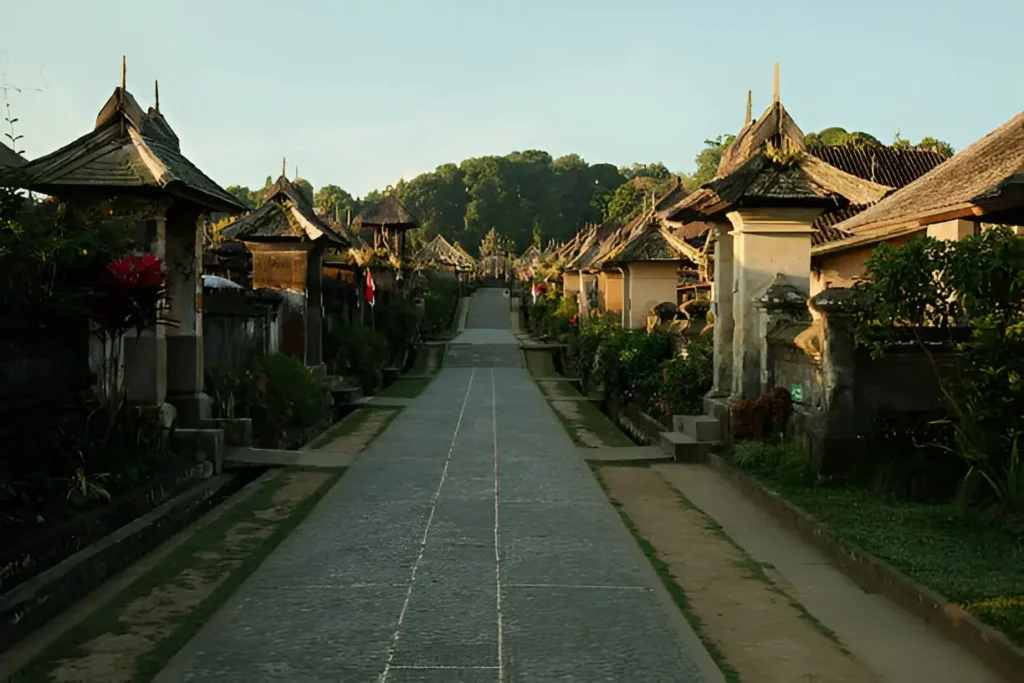
Penglipuran Village is widely known as one of the cleanest villages in Indonesia and one of the most well preserved traditional communities in Bali. Located in the Bangli region, the village is famous for its symmetrical layout of traditional Balinese houses lining a central stone pathway.
The atmosphere in Penglipuran feels calm and orderly, with beautifully maintained gardens, bamboo forests surrounding the village, and traditional architecture that reflects Bali’s cultural heritage.
What makes Penglipuran Village a special cultural destination:
- Traditional Balinese compound architecture
- A peaceful pedestrian village environment
- Bamboo forests surrounding the settlement
- One of the most well maintained villages in Bali
Walking through the village offers visitors a glimpse into the traditional layout of Balinese communities that has been preserved for generations.
17. Tenganan Village – Home of Bali’s Ancient Bali Aga Culture
Tenganan Village, located in East Bali near Candidasa, is one of the oldest traditional communities on the island. The residents belong to the Bali Aga culture, which predates many of the cultural influences that later shaped Balinese society.
Because of this heritage, Tenganan maintains unique customs, ceremonies, and crafts that are rarely found elsewhere in Bali. One of the village’s most famous cultural traditions is the production of Geringsing, a rare double ikat textile that is woven using complex traditional techniques.
Highlights of visiting Tenganan Village:
- One of the oldest Bali Aga communities
- Traditional ceremonies and preserved cultural traditions
- Production of rare Geringsing textiles
- Quiet village environment surrounded by hills
Exploring Tenganan offers a deeper look into Bali’s cultural diversity and long standing traditions.
Unique Activities and Experiences in Bali
In addition to temples, beaches, and cultural villages, Bali also offers a range of activities that have become iconic parts of the island’s travel experience. These activities combine nature, scenery, and adventure, allowing visitors to experience Bali in a more interactive way.
18. Bali Swing – One of the Most Photogenic Experiences in Bali
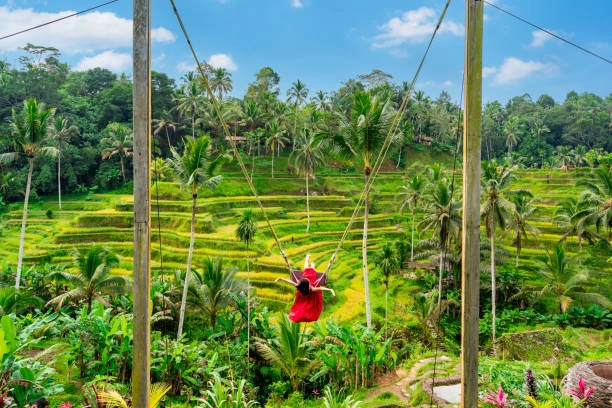
The Bali Swing experience has become widely known for its dramatic views over jungle valleys and rice terraces. Suspended high above the landscape, the swing allows visitors to glide out over the valley while enjoying panoramic views of Bali’s lush tropical environment.
Although several swing locations exist across the island, many of the most popular ones are located near Ubud where the terrain features deep river valleys and dense forest.
Why the Bali Swing has become a popular Bali activity:
- Dramatic views over jungle and valley landscapes
- A unique perspective of Bali’s tropical scenery
- Popular photography locations for travelers
- Often combined with rice terrace visits in Ubud
For many travelers, the Bali Swing offers a fun and memorable way to experience the island’s landscape from a different viewpoint.
19. Ayung River Rafting – One of Bali’s Best Adventure Activities

The Ayung River, located near Ubud, is one of Bali’s most popular rafting destinations. Flowing through jungle valleys and carved limestone cliffs, the river provides a scenic route for rafting adventures through some of the island’s most beautiful natural environments.
Rafting along the Ayung River typically includes several kilometers of gentle to moderate rapids, making it suitable for beginners as well as travelers looking for an outdoor activity.
What makes Ayung River rafting a memorable Bali experience:
- Rafting through lush tropical jungle scenery
- Views of waterfalls and carved cliff walls
- Suitable rapids for beginners and families
- One of the most accessible rafting locations in Bali
The combination of adventure and scenery makes Ayung River rafting a popular addition to many Bali travel itineraries.
20. Amed Coastline – Bali’s Quiet Eastern Coastal Escape

Amed is a quiet coastal region located in East Bali, known for its relaxed atmosphere and traditional fishing villages. Unlike the busier beach areas in South Bali, Amed offers a slower pace of life with scenic views of Mount Agung rising behind the coastline.
The coastline stretches across several small villages, each offering black sand beaches, coral reefs, and excellent snorkeling opportunities close to shore.
Reasons travelers visit Amed:
- Quiet coastal villages away from major tourist hubs
- Excellent snorkeling and diving locations
- Scenic views of Mount Agung across the coastline
- Relaxed atmosphere with small guesthouses and cafés
For travelers looking to experience a quieter side of Bali’s coast, Amed provides a refreshing contrast to the island’s busier beach destinations.
How to Explore Bali Tourist Attractions Efficiently
Bali offers an extraordinary range of places to explore, from cliffside temples and terraced rice fields to waterfalls hidden in the jungle and dramatic coastal landscapes. Each region of the island reveals a different character, which is why many travelers want to experience more than just one area during their trip.
At the same time, Bali’s most famous attractions are spread across several regions. Without a clear plan, travel time between destinations can quickly take up a large part of the day. Planning routes carefully helps visitors explore more places while still enjoying the journey.
To explore Bali attractions more efficiently, many travelers usually focus on a few key strategies:
- Group destinations by region such as Ubud, Uluwatu, Kintamani, North Bali, or East Bali to reduce long travel times
- Start early in the morning to visit popular attractions before crowds arrive
- Combine nearby highlights like rice terraces, waterfalls, and temples within the same route
- Allow enough time for scenery and rest stops, not just rushing between locations
Because local knowledge makes a significant difference when planning routes, many visitors choose to explore Bali with experienced local guides and drivers.
Through Bali Island Vacations, you can arrange private tours and customized itineraries designed to connect Bali’s most iconic attractions in a practical way. Instead of worrying about navigation, parking, or travel timing, visitors can simply enjoy the temples, landscapes, and cultural sites that make Bali such a remarkable destination.
With the right planning and local insight, discovering Bali’s temples, waterfalls, villages, and coastlines becomes a journey that feels far more relaxed and rewarding.
Frequently Asked Questions About Bali Tourist Attractions
What are the most popular tourist attractions in Bali?
The most popular tourist attractions in Bali include Uluwatu Temple, Tanah Lot Temple, Tegallalang Rice Terrace, Mount Batur, Sekumpul Waterfall, Kelingking Beach, and Ulun Danu Beratan Temple. These destinations represent Bali’s diverse landscapes, combining cultural temples, volcanic scenery, waterfalls, and dramatic coastal viewpoints.
How many days do you need to explore Bali’s main attractions?
Most travelers need around 5 to 7 days to explore Bali’s main attractions comfortably. This allows time to visit cultural temples, rice terraces near Ubud, waterfalls in the north, volcanic viewpoints around Kintamani, and beaches along the southern coastline without rushing between destinations.
What is the best time to visit Bali tourist attractions?
The best time to visit Bali tourist attractions is during the dry season from April to October, when the weather is generally sunny and outdoor conditions are ideal for sightseeing, trekking, and beach activities. Early mornings are also the best time to visit many attractions to avoid crowds.
Are Bali attractions spread across the island?
Yes, Bali attractions are spread across several regions of the island. Temples such as Uluwatu and Tanah Lot are located in South Bali, rice terraces and waterfalls are commonly found around Ubud and North Bali, while volcanic landscapes like Mount Batur are located in the central highlands.
Which Bali attractions are best for nature lovers?
Nature lovers often visit places such as Sekumpul Waterfall, Jatiluwih Rice Terraces, Mount Batur, Banyumala Waterfall, and the coastal scenery around Nusa Penida. These locations highlight Bali’s natural landscapes including jungles, mountains, rivers, and dramatic ocean cliffs.
Is Bali suitable for first time travelers to Southeast Asia?
Yes, Bali is considered one of the most beginner friendly destinations in Southeast Asia. The island offers a wide range of attractions, well developed tourism infrastructure, and many organized tours that make it easy for first time visitors to explore temples, landscapes, and cultural experiences.
If you want to explore more travel guides and local insights about Bali, you can also discover our related guides below.
- Bali Travel Guide 2026: Best Time, Costs, Places & Tips for First-Time Visitors
- Best Bali Vacation Ideas for 2026: Places, Experiences, and Things to Do
- Bali Travel Trends in 2026: What Is Changing and What It Means for You
- 20+ Top Things to Do in Bali with Family You’ll Love
- Best Places to Visit in Bali for Your First Trip