

Planning your first trip to Bali can feel surprisingly overwhelming at first. The island has so many different areas, beaches, rice fields, temples, cliffs, cafes, waterfalls, and islands, that many first-time visitors end up trying to do too much in a short amount of time. What looks close on a map can easily turn into long travel days once traffic and distance are involved.
That’s why having a realistic route matters. Instead of constantly moving between places, a smoother itinerary helps you experience Bali in a way that feels more enjoyable and less exhausting. With the right balance between sightseeing, relaxation, and travel pace, your first Bali trip becomes much easier to enjoy. Here’s a practical Bali itinerary for first timers that helps you explore the island more comfortably.
Quick Overview of This Bali Itinerary
This itinerary is designed for first-time visitors who want to experience the most popular parts of Bali without rushing between too many locations. The route combines beaches, cultural areas, scenic landscapes, and slower days to create a more balanced trip overall.
- ideal for: first-time Bali visitors
- recommended duration: 7 days
- main areas covered: Ubud, Uluwatu, and Canggu / Seminyak
- travel style: balanced sightseeing and relaxation
- best time to visit: dry season from around April to October
- best suited for: couples, solo travelers, and first-time international visitors
Why Planning Your Bali Route Matters
One of the biggest surprises for first-time travelers is realizing that Bali feels much larger once you actually start moving around the island. Travel time between areas can quickly add up, especially in busy parts of South Bali where traffic is common throughout the day.
At the same time, every area in Bali offers a completely different atmosphere. Ubud feels calmer and more cultural, while places like Canggu and Seminyak are more social and beach-oriented. Uluwatu, on the other hand, is known for cliffs, surf beaches, and sunset scenery.
Without proper route planning, many first-time visitors end up spending too much time inside cars instead of actually enjoying the island.
A smoother Bali itinerary usually works better when you:
- stay longer in fewer areas instead of changing hotels every day
- group nearby attractions into the same route
- balance active sightseeing days with slower relaxation days
- avoid trying to cover all parts of Bali in one short trip
The goal is not to see everything at once, but to experience Bali in a way that still feels enjoyable by the end of the trip.
Recommended Bali Itinerary for First Timers
One of the best ways to enjoy your first trip to Bali is by not trying to do everything at once. Bali looks small on a map, but each area has a completely different atmosphere, and moving between them takes more time than many first-time visitors expect.
Instead of building a rushed itinerary filled with constant hotel changes and long driving hours, this route focuses on a smoother flow between Bali’s most rewarding areas. The idea is to experience the island properly while still leaving room to slow down and actually enjoy where you are.
Day 1 – Arrive in Bali & Ease Into the Island Atmosphere

Your first day in Bali doesn’t need to be packed with activities. After a long flight, Bali usually feels much more enjoyable when you give yourself time to settle in rather than immediately chasing waterfalls or jumping into a full sightseeing schedule.
Areas like Canggu and Seminyak work especially well for a first arrival because they combine beaches, restaurants, cafes, and sunset spots in a way that’s easy to explore without much planning.
The atmosphere here naturally helps you transition into Bali’s slower rhythm. You can spend the afternoon walking near the beach, enjoying dinner somewhere casual, or simply watching sunset without feeling like you need to “maximize” the day.
To keep the first day comfortable, many travelers simply focus on:
- a relaxed beach sunset
- casual dinner spots near the coast
- beach clubs or cafes for an easy first evening
- proper rest before more active travel days begin
Suggested stay area: Canggu or Seminyak
Best for: easy arrival, beach atmosphere, and relaxing into the trip
Ideal pace: slow and flexible
Day 2 – Explore Uluwatu’s Cliffs, Beaches & Sunset Views



After settling into South Bali, the second day is where the scenery starts becoming more dramatic. Moving toward Uluwatu introduces a completely different side of Bali, towering limestone cliffs, hidden beaches below steep staircases, and some of the island’s most memorable ocean views.
What makes Uluwatu enjoyable isn’t just checking beaches off a list, but the feeling of moving between viewpoints, cliff roads, and quieter coastal corners throughout the day. Some beaches feel lively and social, while others feel slower and more scenic depending on where you stop.
Instead of trying to visit every beach in the Bukit Peninsula, the experience usually feels better when you combine just a few well-paced locations. Beaches like Padang Padang Beach, Balangan Beach, or Melasti Beach each offer very different scenery and atmosphere.
As the afternoon progresses, the coastline becomes even more rewarding. Uluwatu’s west-facing cliffs make this one of the best sunset areas in Bali, especially when the light softens across the ocean.
A balanced Uluwatu day often includes:
- scenic cliff viewpoints and beaches
- relaxed seaside cafes or lunch spots
- sunset watching along the coastline
- optional evening visit to Uluwatu Temple and the Kecak Dance performance
Suggested stay area: continue staying in South Bali
Best for: cliffs, beaches, surf atmosphere, and sunset scenery
Ideal pace: active but still relaxed enough to enjoy the surroundings properly
Day 3 – Travel to Ubud & Experience Bali’s Greener Side
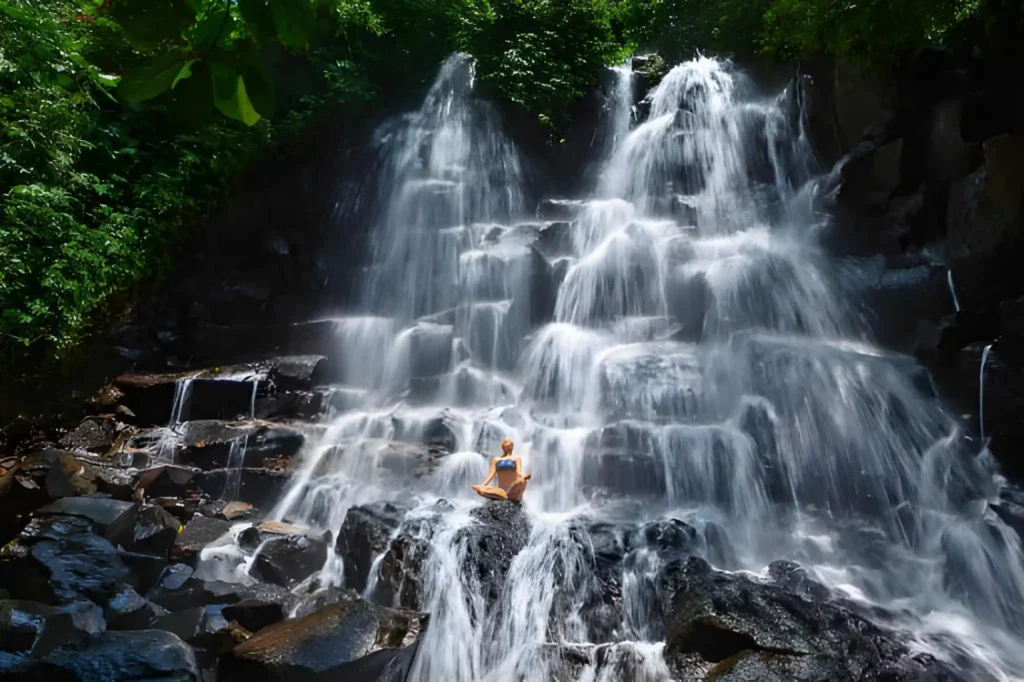


After spending time around the coastline, moving toward Ubud changes the pace of the trip completely. The atmosphere becomes quieter, greener, and more connected to Bali’s natural and cultural landscape. Instead of beach clubs and cliff roads, the scenery shifts into rice terraces, jungle valleys, small villages, and slower countryside views.
This part of the itinerary works best when you treat the transfer itself as part of the experience rather than just a drive between destinations. Along the way, many travelers stop at waterfalls, rice field viewpoints, or cafes overlooking the jungle to break up the journey naturally.
Compared to South Bali, Ubud usually feels less rushed. Even the rhythm of the day changes a bit here, which is exactly why many first-time visitors end up enjoying this part of Bali more than expected.
A comfortable transfer day to Ubud often includes:
- rice terrace scenery around Tegallalang
- short waterfall stops near central Bali
- scenic cafes overlooking jungle or rice fields
- slower countryside drives between villages
Once you arrive in Ubud, keeping the evening relaxed makes the experience much more enjoyable. This is usually the point where the trip starts feeling less like fast-paced sightseeing and more like actually settling into Bali.
Suggested stay area: central Ubud or nearby rice field areas
Best for: nature, cafes, rice terraces, and slower travel atmosphere
Ideal pace: moderate sightseeing with relaxed transitions
Day 4 – Explore Ubud’s Temples, Culture & Natural Surroundings

Your full day in Ubud is where the cultural side of Bali becomes more noticeable. Unlike the beach-focused atmosphere in the south, Ubud combines temples, traditional art, jungle scenery, and everyday Balinese culture in a way that feels much more grounded and immersive.
Rather than rushing through too many attractions, this day usually feels better when you combine a few meaningful stops with slower moments in between. Ubud is less about “seeing everything” and more about enjoying the atmosphere surrounding each place.
Many first-time visitors spend part of the day exploring spots like Sacred Monkey Forest Sanctuary, where the jungle setting feels very different from the coastal areas visited earlier in the trip. Others continue toward temples such as Tirta Empul Temple, known for its traditional water purification pools and spiritual atmosphere.
Between temple visits and sightseeing, Ubud also naturally invites slower experiences—walking through small art streets, stopping at local cafes, or simply enjoying the greener surroundings.
A balanced Ubud day often includes:
- visiting temples and cultural sites
- exploring the Monkey Forest area
- scenic jungle or rice field cafes
- art shops, local crafts, and quieter village streets
By the end of the day, Ubud usually leaves a very different impression compared to the southern beach areas, giving your first Bali trip much more variety overall.
Suggested stay area: continue staying in Ubud
Best for: culture, temples, nature, and slower exploration
Ideal pace: relaxed sightseeing with flexible downtime
Day 5 – Choose Between Nusa Penida or Mount Batur


By the fifth day, many first-time visitors are usually ready for a more memorable full-day experience outside the usual Bali route. This is a good point in the itinerary to choose between two very different types of adventure depending on the kind of trip you want.
If you prefer dramatic coastal scenery and ocean views, a day trip to Nusa Penida offers cliffs, beaches, and some of the most iconic landscapes around Bali. Places like Kelingking Beach and Diamond Beach feel completely different from mainland Bali, with a much more rugged and dramatic atmosphere.
On the other hand, if you enjoy cooler mountain scenery and early-morning adventure, the Mount Batur sunrise trek gives a very different experience. The hike starts before dawn, but reaching the viewpoint during sunrise creates one of the most rewarding panoramic views in Bali.
Because both experiences take a full day and involve significant travel time, choosing one instead of trying to combine too much usually creates a much smoother trip overall.
Depending on your travel style, Day 5 can include:
- a scenic island trip to Nusa Penida
- snorkeling or coastal viewpoints
- a sunrise hike at Mount Batur
- slower recovery time afterward to avoid burnout
Suggested stay area: return to Ubud or South Bali depending on your route
Best for: adventure, scenery, and iconic Bali experiences
Ideal pace: one major experience instead of multiple rushed activities
Day 6 – Slow Down & Enjoy a More Relaxed Bali Day

One of the most common mistakes first-time visitors make in Bali is trying to fill every single day with nonstop sightseeing. By this point in the trip, having a slower and more flexible day in Bali often feels far more rewarding than squeezing in another packed itinerary.
After several active travel days, Bali naturally becomes more enjoyable when you give yourself time to slow down and simply enjoy the atmosphere around you. This is the perfect day to avoid strict schedules and focus on experiences that feel lighter and more relaxing.
Depending on where you stay, many travelers use this day for:
- spa and wellness treatments
- slower cafe hopping or beach time
- relaxing by the pool
- sunset dinners without rushing between locations
- casual shopping or short nearby explorations
This slower pacing also helps balance the overall trip, especially before your departure day. Instead of ending the vacation feeling exhausted, the experience feels more complete and comfortable.
Suggested stay area: Ubud, Seminyak, or Canggu
Best for: recovery, flexibility, and enjoying Bali more slowly
Ideal pace: fully relaxed with minimal travel time
Day 7 – Final Shopping, Flexible Time & Departure

The last day in Bali is usually best kept as flexible as possible. Flight schedules, airport traffic, and travel time can vary quite a lot depending on where you stay, so leaving room in the itinerary helps avoid unnecessary stress before departure.
Rather than planning major sightseeing activities, most travelers use this day for lighter experiences before heading to the airport. Depending on your departure timing, it can also become a good opportunity to revisit favorite cafes, enjoy one final beach walk, or pick up souvenirs and local products.
Areas like Seminyak and Canggu are especially convenient for casual shopping and final dining stops before leaving the island.
A practical final day often includes:
- souvenir shopping and local products
- relaxed brunch or coffee stops
- extra buffer time for airport traffic
- one final sunset or beach visit if timing allows
Keeping the final day lighter usually makes the entire trip end more smoothly, especially for first-time visitors unfamiliar with Bali’s traffic patterns and airport timing.
Suggested stay area: South Bali for easier airport access
Best for: flexible departure planning and relaxed final moments
Ideal pace: slow and stress-free before flying home
You may also want to read this: 15+ Bali Travel Tips for First Timers You Should Know
Best Time to Follow This Bali Itinerary
This itinerary can work throughout most of the year, but your overall experience in Bali can feel quite different depending on the season, weather conditions, and holiday periods.
The dry season, usually from around April to October, is generally considered the most comfortable time for first-time visitors. You’ll typically get sunnier days, lower humidity, clearer coastal views, and better conditions for beaches, island trips, and outdoor sightseeing.
At the same time, Bali’s shoulder season, especially around April – June and September – October, is often the sweet spot for many travelers. The island still feels lively, but crowds and accommodation prices are usually more manageable compared to peak holiday months.
A few things worth knowing before planning:
- Dry season (April – October): best overall weather for sightseeing and beach activities
- Shoulder season: often less crowded while still offering good conditions
- Peak holiday periods: July, August, Christmas, and New Year usually bring heavier traffic and higher hotel prices
- Rainy season: tropical showers are common, but full-day rain doesn’t happen every day
It’s also important to keep realistic expectations about Bali’s weather. Even during dry season, short rain showers can still happen occasionally, while tropical heat and humidity remain part of the island experience year-round.
You may also want to read this: Bali Travel Guide 2026: Best Time, Costs, Places & Tips for First-Time Visitors
Plan Your First Bali Trip More Comfortably
Your first trip to Bali doesn’t need to feel rushed to become memorable. In many cases, a smoother route, slower pacing, and better area planning create a far more enjoyable experience than trying to fit every destination into one short vacation.
By combining places like Canggu, Uluwatu, and Ubud in a more balanced way, you can experience different sides of Bali without constantly feeling exhausted from travel time.
Through Bali Island Vacations, you can plan your Bali vacation more comfortably and explore the island with a smoother, more realistic travel flow.
To help you plan your Bali trip more easily, continue reading these related Bali travel guides below.
- Bali Tourist Attractions in 2026: 20 Best Places to Visit Across the Island
- Summer Holidays in Bali: Best Places, Weather, Things to Do & Travel Tips
- Bali Travel Cost Breakdown in 2026: What You Actually Spend
FAQ – Bali Itinerary for First Timers
How many days do first timers need in Bali?
For most first-time visitors, around 7 days is a comfortable amount of time to explore Bali without rushing too much between areas.
Which area should first-time visitors stay in Bali?
Popular areas for first-time travelers include Seminyak, Canggu, Ubud, and Uluwatu depending on your travel style.
Is Bali easy for first-time travelers?
Yes. Bali is generally considered beginner-friendly for international travelers, especially in popular tourist areas where infrastructure and tourism services are well developed.
Should I stay in Ubud or Seminyak first?
Many travelers prefer starting in Seminyak or Canggu first after arriving, then moving toward Ubud later for a slower and more cultural atmosphere.
Is 7 days enough for Bali?
Yes. A 7-day itinerary is usually enough for first-time visitors to experience Bali’s beaches, culture, scenery, and relaxation without feeling overly rushed.
What should first timers avoid in Bali?
Common mistakes include overpacking the itinerary, changing hotels too often, underestimating traffic, and trying to visit too many distant areas in one short trip.