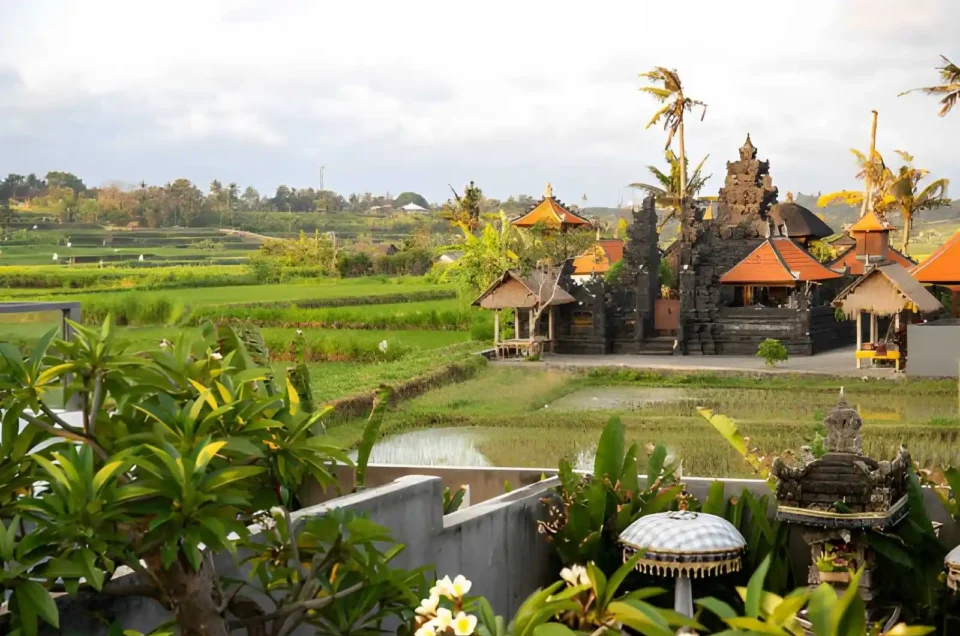
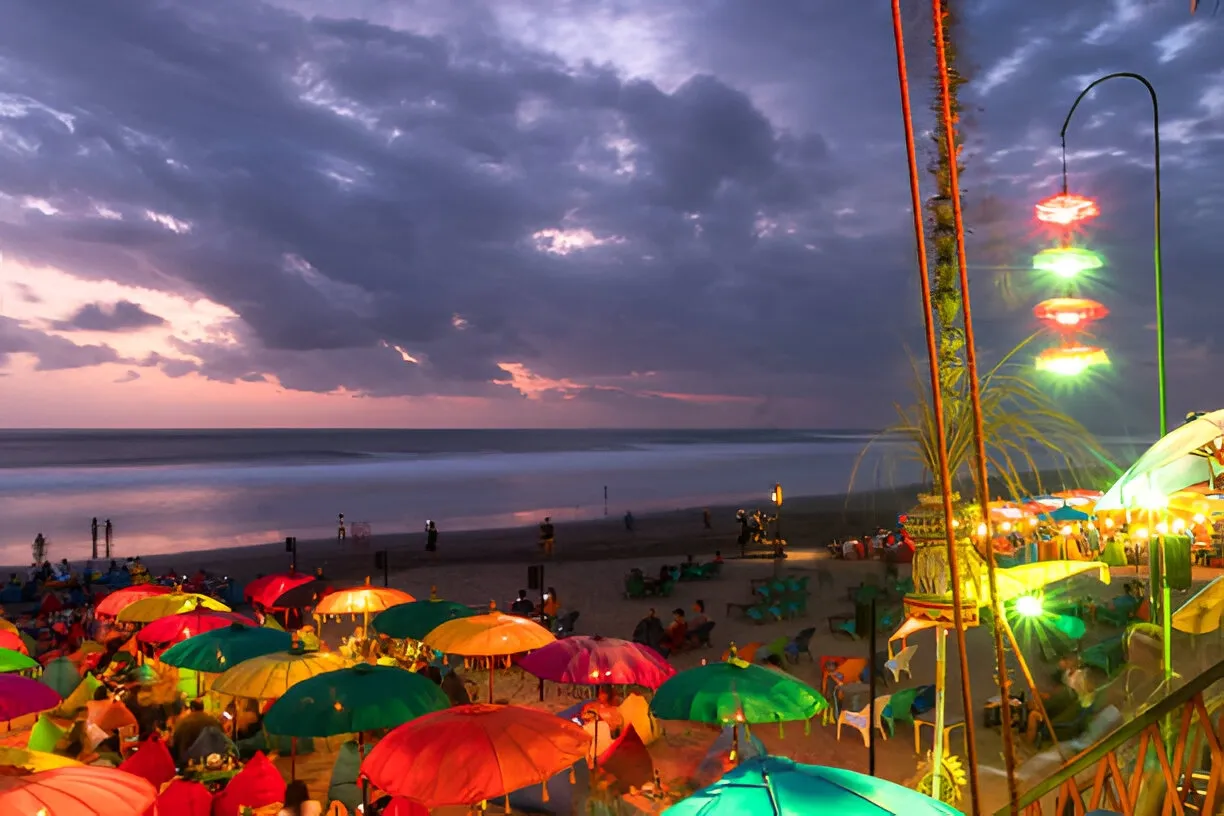
Seminyak is often described as stylish or upscale, but that label alone does not explain why people choose to stay here. What really defines Seminyak is how easy it feels once you arrive. You are close to the beach, surrounded by good food, and never too far from where you want to be, without feeling trapped in constant noise or crowds.
If you are planning a Bali trip and want a base that balances comfort, atmosphere, and accessibility, Seminyak usually sits right in the middle. This guide breaks down how Seminyak actually works today, starting with where it is, how it feels, and what kind of stay it realistically offers you.
Where Seminyak Is and Why Location Matters

Seminyak sits on Bali’s southwest coast, positioned between Legian and Canggu. On a map, it looks like a short stretch of coastline, but once you are there, you quickly realize that Seminyak works more like a zone made up of several distinct pockets. Where you place yourself inside this zone directly affects how easy or tiring your days feel.
One of the biggest reasons people choose Seminyak is location efficiency. You are close enough to Ngurah Rai International Airport to avoid long transfers, yet far enough from Kuta’s intensity to feel settled. Beach access is simple, dining options are concentrated, and many of Bali’s most established spas, boutiques, and villas are within short driving or walking distance. If you want to minimize daily travel time and keep your plans flexible, Seminyak supports that style naturally.
To choose wisely, it helps to understand how each part of Seminyak feels in practice:
- Petitenget area suits you if you prefer quieter surroundings and easy access to the beach. This side has more upscale villas, established beach clubs, and a calmer residential feel.
- Oberoi and Eat Street works well if you want walkability. Staying here means you can step out for coffee, shopping, or dinner without relying on transport, from early morning until late at night.
- The Legian border is more active and generally more affordable. It can feel busier, but it also places you closer to shopping streets and nightlife spillover from Kuta and Legian.
In Seminyak, choosing the right area often matters more than choosing a luxury label or hotel rating. Your location sets the tone for how relaxed or hectic your stay becomes.
What Seminyak Actually Feels Like Day to Day
Seminyak does not revolve around sightseeing schedules or must-see landmarks. Instead, your days here are shaped by rhythm. Mornings usually start slow, with cafés opening early and the streets still relatively calm. Afternoons tend to revolve around the beach, a pool break, or a spa session, especially if you plan around the heat.
As the day moves into evening, Seminyak gradually shifts its energy. Restaurants begin to fill, sunset spots become social, and the area feels lively without becoming overwhelming. You are rarely pressured to rush from one attraction to another, because most experiences here are layered close together.
What you may notice is that Seminyak feels organized compared to other parts of Bali. You can plan structured days if you like, but you can also let the day unfold naturally without feeling like you are missing something important. Even with traffic during peak hours, the density of cafés, shops, and beaches keeps your daily movement compact. That sense of balance is what continues to make Seminyak appealing for first timers, repeat visitors, and longer stays alike.
Best Areas to Stay in Seminyak
Choosing the right area to stay in seminyak is less about hotel stars and more about how you want your days in Seminyak to flow.
Below are the three most practical areas to consider, explained in real terms so you can match them to your travel style.
1. Petitenget Area
Petitenget works best if you want Seminyak to feel calm, polished, and slightly removed from constant activity. This area sits closer to the beach and leans heavily toward private villas and high end resorts, which naturally keeps foot traffic lower, especially at night.
One of the main advantages here is beach proximity without crowds. You are close to Petitenget Beach and Batu Belig, which are quieter than the central Seminyak shoreline. That makes early morning walks and sunset time feel less hectic. Many well known beach clubs and upscale dining spots are also based here, but they are spaced out enough that the area never feels dense.
Petitenget is a strong choice if:
- You prefer villa stays or resort style accommodation
- You want quieter evenings after dinner
- You plan to spend more time relaxing than hopping between shops
It suits longer stays particularly well, where comfort and atmosphere matter more than walkable density.
2. Oberoi & Eat Street Area
If you want to step out of your accommodation and have everything within easy reach, this is the most practical area in Seminyak. Oberoi and Eat Street form the social core of the district, where cafés, restaurants, boutiques, and spas are packed into walkable streets.
Staying here means your days are logistically simple. You can walk to breakfast, return for a rest, head out again for shopping, and finish the night with dinner or cocktails without needing a driver. This is especially valuable if your stay is short and you want to maximize time without planning transport.
This area works best if:
- You value walkability over quiet
- You enjoy having many dining options close by
- You are staying for a few nights and want efficiency
The trade off is activity. Streets are busier, especially in the evening, but for many travelers, that energy is exactly what makes Seminyak feel alive.
3. Seminyak–Legian Border
The Seminyak–Legian border offers a more budget friendly and energetic version of Seminyak living. Accommodation here often provides better value for money, with easier access to shopping streets and a wider range of casual restaurants.
This area tends to be busier and more transitional. You are closer to Legian’s movement and commercial zones, which means more traffic and footfall, particularly during peak hours. However, it also means you are well positioned if shopping and accessibility are priorities.
This area makes sense if:
- You want better value accommodation
- You plan to spend more time shopping or exploring nearby areas
- You do not mind a livelier environment
It suits travelers who are out most of the day and treat their accommodation as a comfortable base rather than a retreat.
If you are still deciding where Seminyak fits within your overall Bali route, this breakdown in Best Areas to Stay in Bali for First Time Visitors explains how each area works for different travel styles.
What You’ll Actually Do in Seminyak
Seminyak is about simple, repeatable activities done in the right places and at the right time. You are not chasing landmarks, you are moving between cafés, shops, beaches, and restaurants that sit close enough to feel effortless.
Here is what you will actually spend your days doing in Seminyak.
1. Café Hopping Along Jalan Petitenget and Jalan Kayu Aya
Your mornings in Seminyak usually begin with coffee and breakfast within walking distance of where you stay. Streets like Jalan Petitenget and Jalan Kayu Aya (Eat Street) concentrate many of the area’s best cafés, making it easy to ease into the day without planning transport.
You are not rushing from place to place. You sit, linger, and let the morning stretch. Many travelers return to the same café more than once simply because it feels familiar and comfortable.
What you typically do:
- Have breakfast or brunch at cafés around Petitenget or Eat Street
- Walk short distances instead of driving
- Spend time planning the rest of the day or doing nothing at all
This slow start helps you avoid traffic and heat while setting a relaxed tone for the day.
2. Shopping and Browsing Around Eat Street and Seminyak Village
Late morning is when Seminyak becomes ideal for walking based exploration. Around Eat Street, Seminyak Square, and Seminyak Village, shopping feels casual rather than overwhelming.
Instead of markets, you browse boutique clothing stores, homeware shops, and local designer outlets. Everything is close together, air conditioned, and easy to dip in and out of.
What this looks like:
- Browsing boutiques along Jalan Kayu Aya
- Walking between Seminyak Village and nearby side streets
- Taking breaks at cafés when the heat builds
Shopping here feels more like wandering than hunting for items.
3. Spa Treatments and Indoor Breaks During Midday Heat
By early afternoon, Seminyak naturally slows down. Heat and traffic peak, and this is when most visitors retreat indoors. Spa treatments along Petitenget, Sunset Road, and central Seminyak become part of the daily rhythm.
Rather than pushing sightseeing, you use this time to recharge.
Common midday choices:
- Booking a massage or spa treatment nearby
- Returning to your villa or hotel to rest
- Sitting indoors at cafés or lounges
This pause is one of the reasons Seminyak feels comfortable rather than exhausting.
4. Sunset Time at Seminyak Beach and Double Six Beach
The beach in Seminyak works best late in the day. Seminyak Beach and Double Six Beach are most enjoyable around sunset, when the light softens and the temperature drops.
You are usually not there to swim for hours. Instead, you come with intention.
Typical sunset routines:
- Short walks along the shoreline
- Sitting at beachfront bars with a drink
- Watching the sky change rather than focusing on activities
Sunset becomes a daily marker rather than a special event.
6. Dinner and Evening Drinks Around Petitenget and Eat Street
Evenings in Seminyak revolve around food. Restaurants around Petitenget and Eat Street dominate the night, offering everything from casual dining to refined experiences without feeling formal.
Most nights follow a simple flow:
- Dinner within walking distance of where you stay
- One drink afterward at the same venue or nearby
- Returning early without nightlife pressure
While clubs exist, many visitors choose relaxed evenings built around conversation and comfort.
Best Time to Visit Seminyak
Seminyak works best when the weather supports its walking based rhythm. Because most of what you do here involves cafés, shopping streets, beaches, and short walks between places, timing has a direct impact on how comfortable your days feel.
Dry season from May to September is generally the most reliable period. Days are sunnier, humidity is lower, and evenings are consistently pleasant for sunset walks and dining. This is when the flow described earlier truly makes sense: slow mornings, walkable late mornings, indoor breaks at midday, and outdoor evenings.
That said, shoulder months like April and October are often overlooked and can feel more balanced. Rain is lighter, crowds thin slightly, and prices are often more reasonable, while daily routines remain largely uninterrupted.
A few practical timing notes:
- Mornings are best for cafés and shopping before heat and traffic build
- Midday suits indoor activities like spas or rest, regardless of season
- Sunset hours remain the highlight year round, even in wetter months
Rainy season between November and March does not stop Seminyak from functioning, but it does compress activities indoors. If your plan relies heavily on walking and outdoor dining, dry season months feel noticeably easier.
For a more detailed seasonal breakdown, understanding the Best Time to Visit Bali will help you decide when this area truly works for your trip.
How Many Days You Should Stay in Seminyak
Seminyak is not a place you rush through, but it also does not demand a long stay to make sense. The ideal length depends on how much you want to lean into its routines rather than treat it as a checklist destination.
For most travelers, 3 to 4 days is the sweet spot. This allows you to settle into café mornings, repeat favorite places, enjoy multiple sunsets, and still feel relaxed rather than repetitive.
A general guide:
- 2 days works if Seminyak is a short stop focused on dining and shopping
- 3 to 4 days allows the natural daily rhythm to form without feeling slow
- 5 days or more suits travelers using Seminyak as a comfortable base rather than an exploration hub
Staying longer only makes sense if you enjoy repetition and ease. Seminyak rewards familiarity more than constant discovery, which is why many people find themselves extending their stay once routines feel established.
Seminyak vs Other Areas in Bali
Choosing Seminyak often means you are prioritizing balance. To see whether it truly fits your trip, it helps to understand how Seminyak compares to other popular areas in Bali, especially in terms of daily rhythm, convenience, and travel style.
Seminyak vs Canggu
Seminyak feels more established and predictable compared to Canggu. In Seminyak, cafés, boutiques, beach clubs, and restaurants are concentrated along clear main streets like Jalan Kayu Aya and Petitenget, making it easy for you to walk or move short distances.
Canggu, on the other hand, is more spread out. Areas like Berawa, Batu Bolong, and Pererenan often require scooters or cars to move between spots. If you prefer structured days and minimal logistics, Seminyak feels easier. If you enjoy a more experimental, surf centric, and community driven vibe, Canggu may suit you better.
Seminyak vs Ubud
Seminyak is coastal and lifestyle oriented, while Ubud is inland and culture focused. In Ubud, your days revolve around rice terraces, temples, wellness retreats, and early mornings. Evenings are quieter and activity slows down earlier.
Seminyak offers a different pace. You still have calm mornings, but evenings stay active with dining, beach sunsets, and social spaces. If you want a base where you can enjoy Bali without committing to early starts or long travel days, Seminyak provides more flexibility.
Seminyak vs Nusa Dua
Nusa Dua is controlled, resort based, and designed for contained holidays. You mostly stay inside your resort area, and movement outside often requires planned transport.
Seminyak feels more open and organic. You are not locked into a single property experience. You can explore freely, choose where to eat, walk to the beach, and adjust plans spontaneously. For travelers who want comfort without isolation, Seminyak sits in the middle ground.
Is Seminyak the Right Base for Your Bali Trip?
Seminyak works best for you if you value convenience, variety, and a smooth daily flow. It suits travelers who want Bali to feel easy: good food within walking distance, flexible schedules, and a base that does not demand constant planning or long transfers.
If your Bali trip is about combining relaxation with exploration, and you want a base that connects naturally to other areas like Canggu, Ubud, or the south coast, Seminyak becomes a practical starting point. This is why many curated journeys under Bali Island Vacation often place Seminyak as a lifestyle anchor before moving on to more specialized destinations across the island.
After exploring Seminyak, you might want to compare it with other areas across the island. In the next guides, we will walk you through different Bali destinations, each offering a very different travel experience.