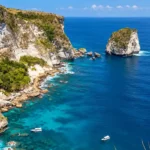
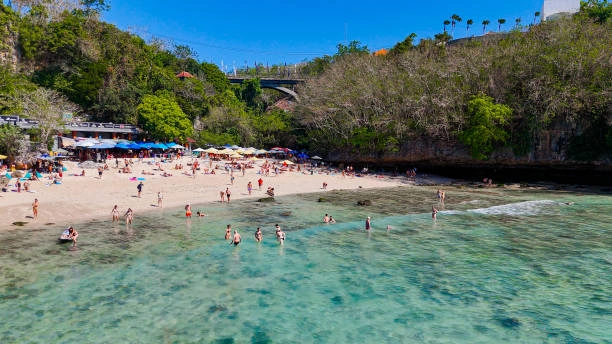
Bali is often introduced through surf breaks, rolling waves, and dramatic coastlines. That image is real, but it is not the full story. Alongside its famous surf beaches, Bali also offers stretches of coastline where the sea feels calmer, shallower, and far more inviting for swimming.
These beaches are shaped differently. Protected by reefs, softened by natural bays, and influenced by gentle tides, they allow you to enter the water without tension. You are not bracing against waves or watching the horizon with caution. You are simply swimming, floating, and staying longer than planned.
So where can you actually swim comfortably in Bali without worrying about strong currents or rough surf? This guide helps you choose beaches based not on popularity alone, but on safety, water depth, and the overall feeling of being in the ocean itself.
Why Some Bali Beaches Are Swimmable and Others Are Not
Not every beautiful beach in Bali is meant for swimming, and that difference comes down to geography rather than reputation.
Many of Bali’s swimmable beaches are protected by coral reefs that sit just offshore. These reefs break incoming waves before they reach the sand, creating calmer water that feels more like a lagoon than an open ocean. In contrast, beaches facing directly into the Indian Ocean receive uninterrupted swells, making them stunning to look at but challenging to enter.
Natural bays play an equally important role. When a beach curves inward, water movement slows, currents soften, and the sea becomes more predictable. Tide timing adds another layer, with some beaches offering calm conditions throughout the day while others change character depending on water level and season.
Understanding this is key. In Bali, a beach can be breathtaking yet unsuitable for swimming, while another may look quieter but offer a far more enjoyable experience in the water.
Swimmable Beaches in South Bali
South Bali is often associated with surf breaks and dramatic waves, but not every beach here is built for surfing. In fact, several beaches along the southern coast are naturally protected by reefs, curved bays, or coastal design that makes swimming feel calm, controlled, and genuinely enjoyable.
If you are staying near the airport, Nusa Dua, Jimbaran, or Sanur, these beaches offer the most reliable swimming conditions in South Bali, especially for travelers who want to enter the water without second guessing the ocean.
1. Sanur Beach
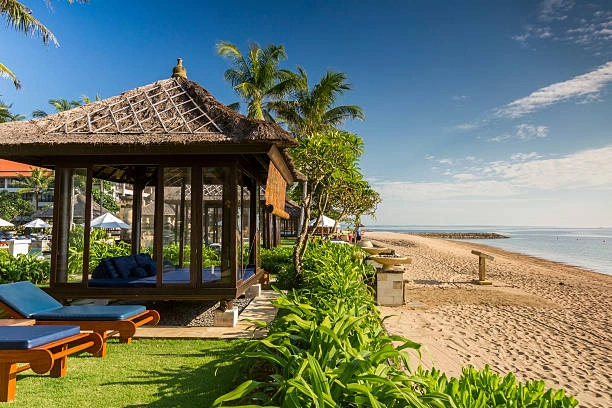
Sanur stands apart from most beaches in South Bali because the ocean here behaves more like a lagoon than an open sea. A long coral reef stretches parallel to the shore, absorbing wave energy far offshore and leaving the water near the beach calm and predictable throughout the day.
Swimming at Sanur feels gradual. The seabed slopes gently, allowing you to walk into the water without sudden depth changes. Even during higher tides, the water movement remains soft, making it easy to float, swim casually, or simply stand and relax without constantly watching the waves.
Mornings are the best time to swim, when the water is clearest and the surface feels almost glassy. This is why Sanur consistently attracts families, older travelers, and first time visitors who want a stress free swimming experience without strong currents or surprise waves.
2. Nusa Dua Beach
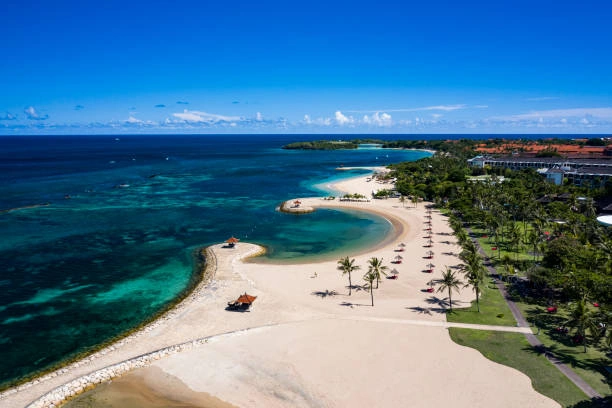
Nusa Dua is one of the most controlled beach environments in Bali, and that directly affects how safe and comfortable the water feels for swimming. The coastline here is shielded by offshore reefs, and many sections are maintained daily, keeping both sand and water conditions clean and stable.
Entering the sea at Nusa Dua feels smooth and reassuring. The sandy bottom is soft underfoot, and the water depth increases slowly, which helps swimmers feel confident staying in the ocean longer. There are no strong pull currents, and waves tend to roll in gently rather than breaking forcefully.
Nusa Dua is especially ideal during mid to high tide, when the water level creates perfect swimming depth without turbulence. This beach suits resort guests, beginner swimmers, and anyone who values comfort, clarity, and consistency over raw coastal drama.
3. Geger Beach (Nusa Dua)
Geger Beach sits slightly away from the main resort stretch of Nusa Dua, offering a calmer and more intimate swimming environment. The beach faces a naturally protected section of the coast, where the water remains shallow and gentle, especially during low to mid tide.
Swimming here feels unhurried. The water stays clear, the waves are minimal, and the sandy bottom makes it easy to move around without slipping. Because the beach is less crowded, you can focus on enjoying the water rather than navigating around other swimmers.
Geger is particularly well suited for couples or travelers looking for a peaceful swim with fewer distractions. The calm conditions make it easy to stay in the water longer, whether you are floating, snorkeling lightly near the reef edge, or simply cooling off under the sun.
3. Jimbaran Bay
Jimbaran’s wide bay shape naturally softens incoming waves, creating one of the calmest swimming environments in South Bali, especially in the late afternoon. Unlike open ocean beaches, the water here rarely feels aggressive, even when the tide rises.
The seabed is mostly sandy, and entry into the water is smooth without sudden drops. While waves do exist, they arrive as slow rolling swells rather than sharp breaks, making swimming feel relaxed rather than reactive.
Jimbaran is best enjoyed closer to sunset, when the wind drops and the bay becomes even calmer. This beach is ideal for travelers who want to combine a gentle swim with a laid back coastal atmosphere, followed by seafood dinners just steps away from the shore.
4. Pandawa Beach
Pandawa Beach is visually dramatic, but the swimming conditions here can be surprisingly calm when timed correctly. The beach sits between high limestone cliffs, which help reduce wind and wave intensity during certain parts of the day.
During low to mid tide, the water near the shore becomes clear and manageable, with gentle movement that allows for relaxed swimming. The wide beach area also means swimmers are not concentrated in one spot, reducing the sense of crowding in the water.
Pandawa works best for visitors who check tide conditions before swimming. When the timing is right, it offers a rare combination of scenic surroundings and safe water, making it suitable for casual swimmers who want something more visually striking without sacrificing comfort.
5. Tanjung Benoa Beach
Tanjung Benoa is known for water activities, but its swimming conditions are often overlooked. Thanks to surrounding reefs and a naturally sheltered position, the water here stays relatively calm, especially in designated swimming areas.
The sea floor is shallow near the shore, and currents are generally mild. This makes it easier for beginners and children to stay balanced while swimming or wading. The overall feel of the water is controlled rather than unpredictable.
Tanjung Benoa is best suited for daytime swimming, particularly in the morning when visibility is higher and boat activity is lower. It is a practical choice for families who want a safe swim combined with easy beach access.
6. Mengiat Beach (Nusa Dua)
Mengiat Beach offers one of the most comfortable swimming experiences in South Bali, especially for travelers who value ease and accessibility. The beach is wide, the sand is soft, and the water depth increases gradually.
Swimming here feels steady and calm, with minimal wave energy reaching the shore. Sunbeds, shade, and nearby facilities make it easy to take breaks between swims without leaving the beach area.
Mengiat is ideal for relaxed swimming sessions rather than quick dips. It suits travelers who want to spend long stretches near the water, moving in and out of the sea without dealing with rough conditions or changing tides.
Swimmable Beaches in East & North Bali
While South Bali offers convenience and easy access, East and North Bali reward you with a very different kind of swimming experience. Here, the beaches feel more spacious, the pace slows down, and the ocean often feels calmer for longer periods of the day.
These regions are ideal if you are willing to travel a bit further for water that feels less pressured by crowds and coastal activity.
7. Virgin Beach (Perasi, Karangasem)
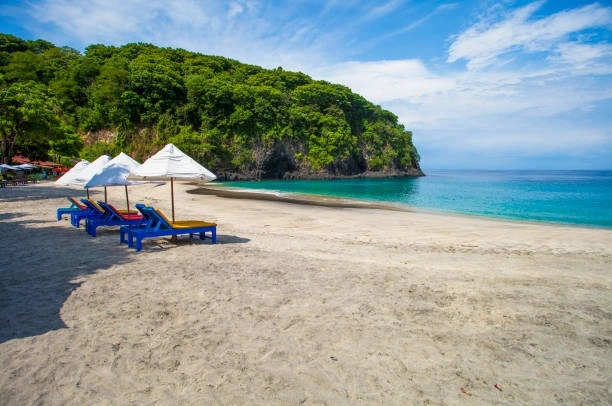
Virgin Beach, also known locally as Perasi Beach, feels almost untouched compared to South Bali. The coastline curves gently, creating a natural buffer that keeps the water calm most of the year.
Swimming here feels peaceful rather than energetic. The waves arrive slowly, and the water stays clear enough to see your feet beneath the surface. The sandy seabed makes it comfortable to walk in and out of the water without worrying about sharp rocks or sudden depth changes.
Virgin Beach is especially rewarding in the morning, when the sea is at its calmest and the atmosphere feels quiet and personal. This is a beach for travelers who want to swim without noise, pressure, or visual clutter.
8. Pasir Putih Beach (East Bali)
Pasir Putih offers a similar experience to Virgin Beach but on a slightly larger scale. The beach stretches wide, allowing swimmers to spread out rather than cluster near one entry point.
The water here remains calm under normal conditions, with gentle waves that feel predictable rather than forceful. Swimming is best during mid tide, when the depth feels comfortable and the surface stays smooth.
This beach suits travelers who enjoy slow swims and floating sessions rather than active water play. It is less about facilities and more about space, clarity, and unhurried time in the ocean.
9. Bias Tugel Beach (Padangbai)
Bias Tugel sits inside a small natural bay near Padangbai harbor. Despite its size, it offers some of the most controlled swimming conditions in East Bali when the sea is calm.
The cove shape reduces wave intensity, allowing the water to remain relatively still. Swimming here feels contained and safe, especially closer to shore. Visibility is often high, making it enjoyable for light snorkeling alongside casual swimming.
Bias Tugel works best earlier in the day, before harbor activity increases. When timed well, it offers a surprisingly calm swim in a compact and scenic setting.
10. Blue Lagoon Beach (Padangbai)
Just a short distance from Bias Tugel, Blue Lagoon lives up to its name when conditions are right. The water here tends to stay calm, with minimal wave action and excellent clarity.
Swimming feels effortless, particularly during low to mid tide when the sea floor is clearly visible. The beach is popular for snorkeling, but the calm surface also makes it comfortable for relaxed swimming near the shoreline.
Blue Lagoon is best for travelers who enjoy staying close to the water rather than venturing far out. The calmness makes it easy to float, swim slowly, and enjoy the surrounding scenery without constant movement.
11. Lovina Beach (North Bali)
Lovina offers a completely different ocean personality from the south. Facing the Bali Sea, this northern coastline experiences far less wave energy, resulting in water that feels almost lake-like on calm days.
Swimming in Lovina feels steady and predictable. The black sand seabed slopes gently, and the absence of strong surf makes it easy to stay relaxed in the water. Even less confident swimmers often feel at ease here.
Lovina is ideal for morning swims, when the sea is calmest and visibility is best. It is perfect for travelers seeking a slow, controlled swimming environment far from Bali’s busier beach scenes.
Swimmable Beaches in Bali (Condition-Based)
Not every swimmable beach in Bali offers consistent conditions throughout the day. Some beaches can feel calm and inviting at certain tides, then become unsuitable for swimming just hours later. Understanding timing is key.
12. Padang Padang Beach
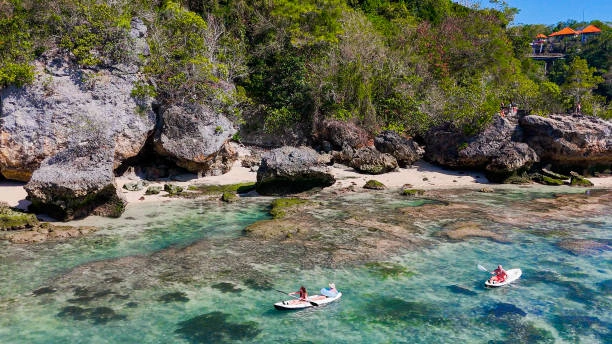
Padang Padang is visually iconic, but swimming here depends heavily on tide and timing. Inside the cove, the rock formations help block wave energy, creating calm water during mid to high tide.
When conditions align, swimming feels safe and controlled, especially close to the shore. However, during low tide or strong swell, exposed rocks and increased wave activity make swimming less comfortable.
Padang Padang suits travelers who check conditions carefully and prefer short, scenic swims rather than long sessions in the water.
13. Amed Beach
Amed’s coastline is generally calm, especially in the morning, but the black volcanic sand and steeper entry require more awareness. The water itself stays relatively still, making swimming comfortable once you are in.
Swimming here feels immersive, with clear water and a quiet atmosphere. While the seabed drops faster than white sand beaches, experienced swimmers often find the conditions enjoyable and stable.
Amed is best for travelers who feel confident in the water and enjoy combining swimming with snorkeling in a peaceful setting.
If you want to explore beyond calm swimming spots, our guide to the Best Beaches in Bali for Every Type of Island Experience helps you find beaches that match how you want to experience the island.
How to Choose the Right Swimmable Beach for You
With so many beaches in Bali labeled as “calm” or “safe for swimming,” choosing the right one often comes down to how you want to experience the water. A beach that feels perfect for one traveler may feel uncomfortable for another.
Here are a few simple ways to narrow it down naturally.
If you are traveling with kids or first time swimmers, look for beaches with reef protection and a gradual entry. Places like Sanur, Nusa Dua, or Mengiat Beach allow you to walk far into the water while still feeling stable and in control.
If you prefer shallow water for relaxed floating rather than active swimming, calm bays and east coast beaches work beautifully. Virgin Beach or Pasir Putih offer space, predictability, and a slower rhythm in the water.
For those deciding between quiet beaches or resort style comfort, the difference is more about atmosphere than safety. Resort areas tend to have lifeguards, sunbeds, and easy access, while quieter beaches trade facilities for space, silence, and a more personal connection to the sea.
And if you enjoy combining swimming with light snorkeling, look for beaches with clear water and minimal wave action rather than strong coral breaks. Amed, Blue Lagoon, and Bias Tugel allow you to move naturally between swimming and observing marine life without feeling rushed or overwhelmed.
Choosing the right swimmable beach in Bali is less about finding the “best” spot, and more about matching the water’s character with your comfort and travel style.
Safety Tips for Swimming in Bali
Bali offers many swimmable beaches, but the ocean here is still a living system that changes throughout the day. A little awareness can turn a good swim into a genuinely enjoyable one.
Before entering the water, always take a moment to observe the sea. If waves feel inconsistent or the current looks active, it is worth waiting or choosing a different section of the beach.
A few simple tips to keep in mind:
- Be aware of tides
Water depth and calmness can change quickly. Many beaches feel safest during mid tide, when waves are gentler and the seabed is easier to navigate. - Respect the beach flag system
Red flags signal dangerous conditions, even if the water looks calm. Green or yellow flags usually indicate safer zones for swimming. - Wear footwear on coral or rocky beaches
Some calm beaches have sharp coral or stones beneath the surface. Lightweight water shoes can make entry and exit far more comfortable. - Listen to local advice
If locals or beach staff suggest avoiding certain areas, it is best to follow their guidance. They understand the daily patterns of the sea far better than any map.
Swimming in Bali is at its best when you feel relaxed, informed, and in tune with the conditions around you.
Choosing a Swimmable Beach in Bali Without Worry
Swimming in Bali is not about chasing waves or dramatic scenery alone. It is about finding a place where the water feels welcoming, where your body relaxes naturally, and where time seems to slow once you step into the sea.
Whether you choose the calm lagoons of Sanur, the polished comfort of Nusa Dua, or the quieter bays further east, the best swimmable beach is the one that allows you to enjoy the ocean without hesitation. When safety, timing, and atmosphere align, swimming becomes less of an activity and more of a moment you genuinely remember.
At Bali Island Vacations, we believe meaningful travel begins with feeling comfortable and informed. Our curated guides are designed to help you choose experiences that fit your pace, your preferences, and the way you want to connect with the island. Not rushed. Not generic. Just thoughtfully planned, so your time in Bali feels as natural as the water you swim in.
If you are planning your first visit or simply want a calmer way to experience Bali’s coastline, let us guide you toward beaches and moments that truly feel right for you.