Bali is often called the Island of the Gods, but that phrase alone does not fully explain why this small island leaves such a deep impression on people from all over the world.
Bali is famous not just because it is beautiful, but because it feels alive. Culture is not locked inside museums. Spirituality is not reserved for special occasions. Nature is not just scenery in the background. Everything moves together as part of daily life.
From the moment you arrive, you notice it. Morning offerings on the sidewalk. Temples standing quietly beside beaches and villages. Music, incense, rituals, and smiles blending naturally into everyday moments. Bali does not try to impress you. It simply invites you to experience it.
So what exactly makes Bali famous? And why do so many travelers feel that Bali is more than just another destination? Let us break it down, starting from the essence before moving into the places that bring it to life.
What Bali Is Truly Known For
Bali is not famous for one single thing. It is known for how different elements flow together without trying to compete. Nature, spirituality, creativity, and daily life do not exist separately here. They move as one.
1. A Living Culture That Shapes Everyday Life
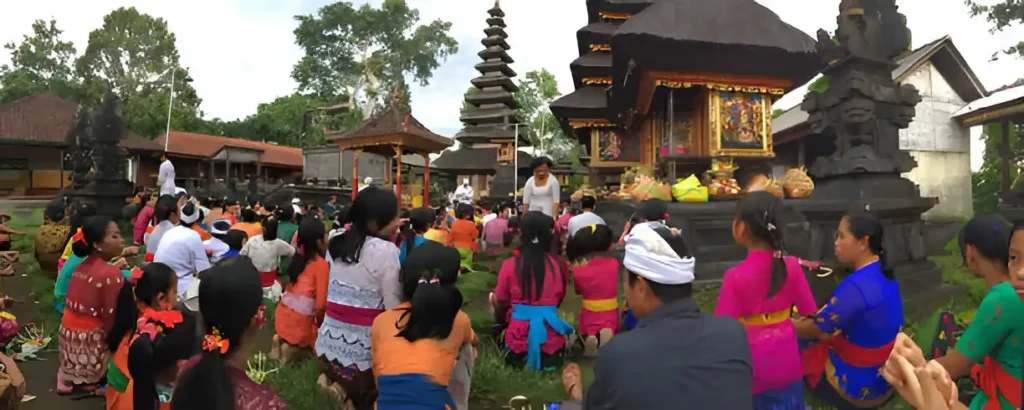
One of the main reasons Bali is famous is its deeply rooted Hindu culture, which continues to shape how people live, work, celebrate, and connect with one another.
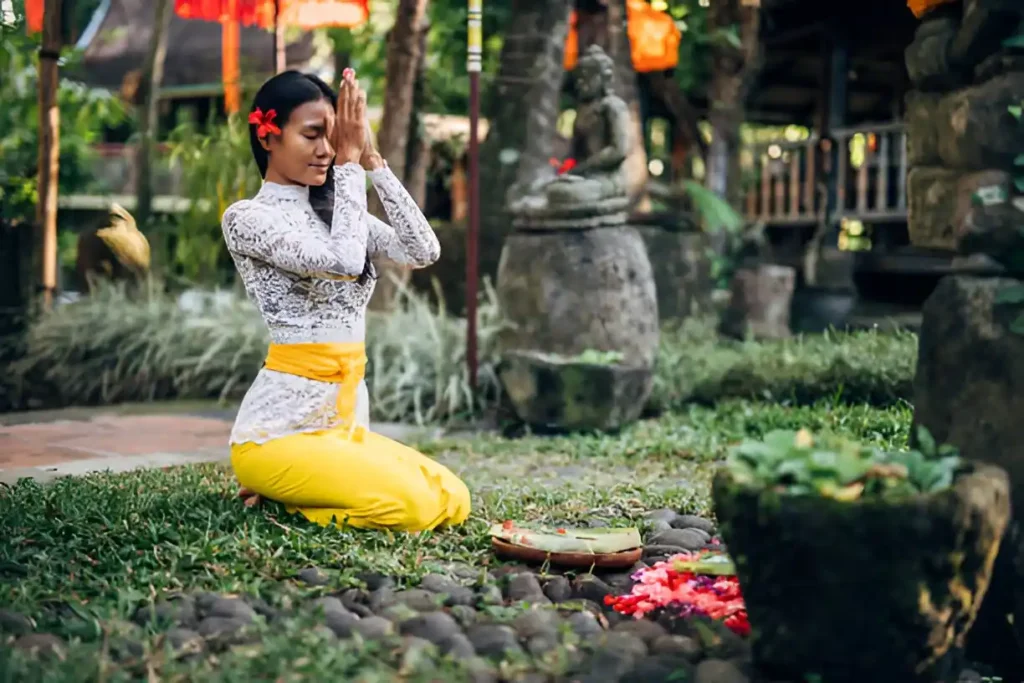
Balinese Hinduism is unique to the island. It blends ancient animist beliefs, Hindu philosophy, and local traditions into a spiritual system that feels both sacred and practical. Religion here is not separated from daily life. It flows through it.
You see this in the small woven offerings placed in front of homes and shops every morning. You hear it in temple bells and gamelan music drifting through villages. You feel it during ceremonies, where locals dress in traditional clothing and gather not for performance, but for devotion.
This is one of the key reasons Bali stands out globally. Visitors are not just observing culture. They are surrounded by it, invited to respect it, and often moved by its sincerity.
2. Spirituality Beyond Religion
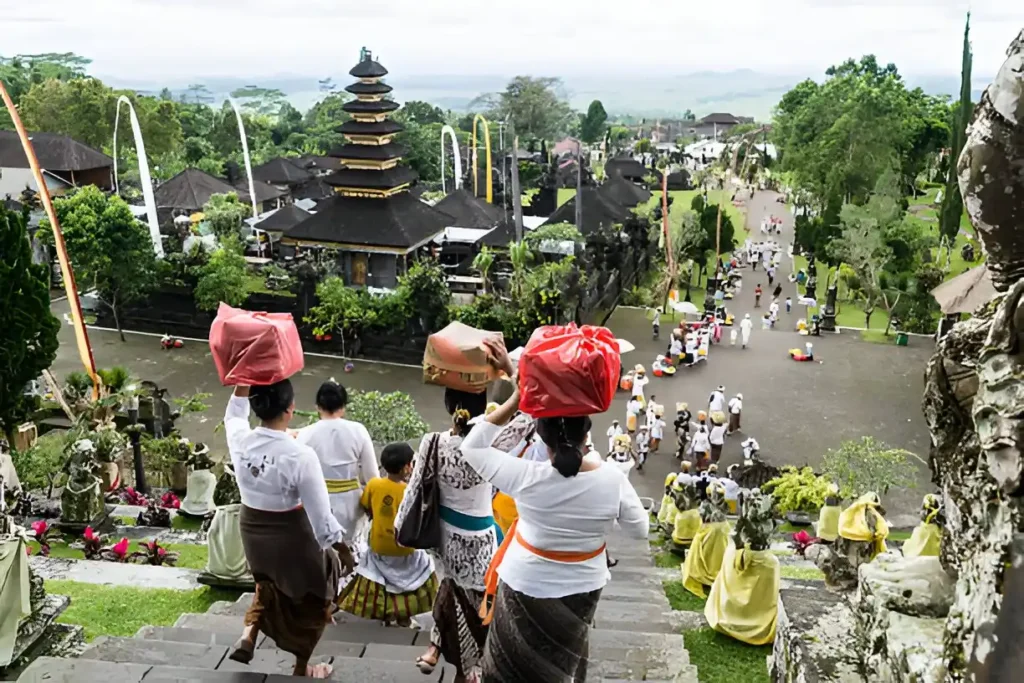
Bali is also famous for its spiritual atmosphere, which goes far beyond formal religious practices.
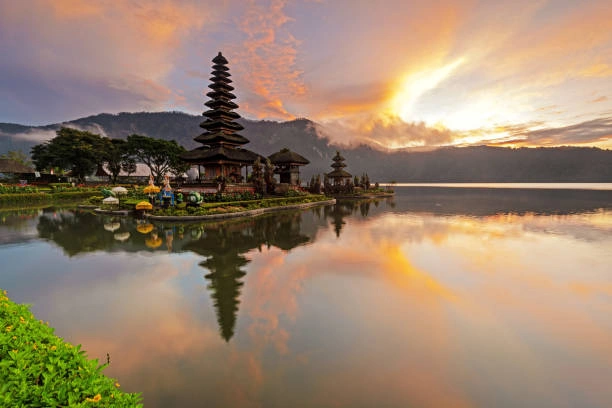
Many travelers describe Bali as calming, grounding, or even transformative. This feeling comes from the island’s balance between the physical and the spiritual. Temples are not only places of worship but spaces for reflection. Nature is treated as sacred, not something to conquer.
This spiritual foundation is what later gave rise to Bali’s global reputation as a center for yoga, meditation, healing retreats, and wellness travel. While these experiences are modern, they are deeply connected to values that have existed on the island for centuries.
3. Natural Beauty That Feels Intimate
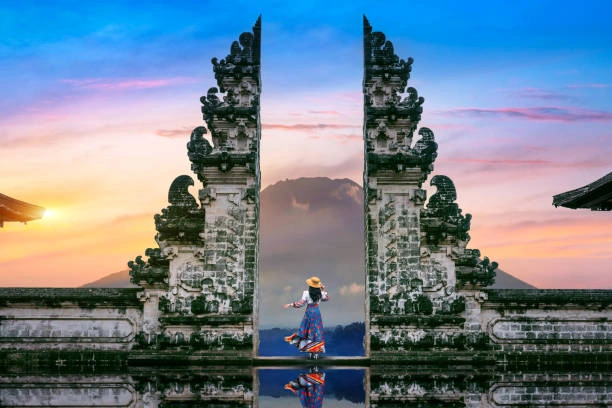
Bali is famous for its natural beauty, but what makes it special is how close that beauty feels.
Mountains, beaches, rice fields, rivers, and forests are not faraway attractions. They are part of daily routines. A temple might sit beside a cliff. A rice field might stretch behind a café. A waterfall might be hidden just minutes from a village road.
This closeness between nature and life creates a feeling that Bali is not something you visit from the outside. It is something you step into
Understanding what Bali is famous for becomes even more meaningful when you visit at the right moment, which we explain in our guide to the best time to visit Bali.
The Most Famous and Unique Places That Represent Bali
After understanding what truly makes Bali famous, the places themselves begin to make more sense. Each well known area in Bali reflects a different side of the island’s identity, from culture and spirituality to lifestyle and nature.
1. Ubud and the Soul of Bali
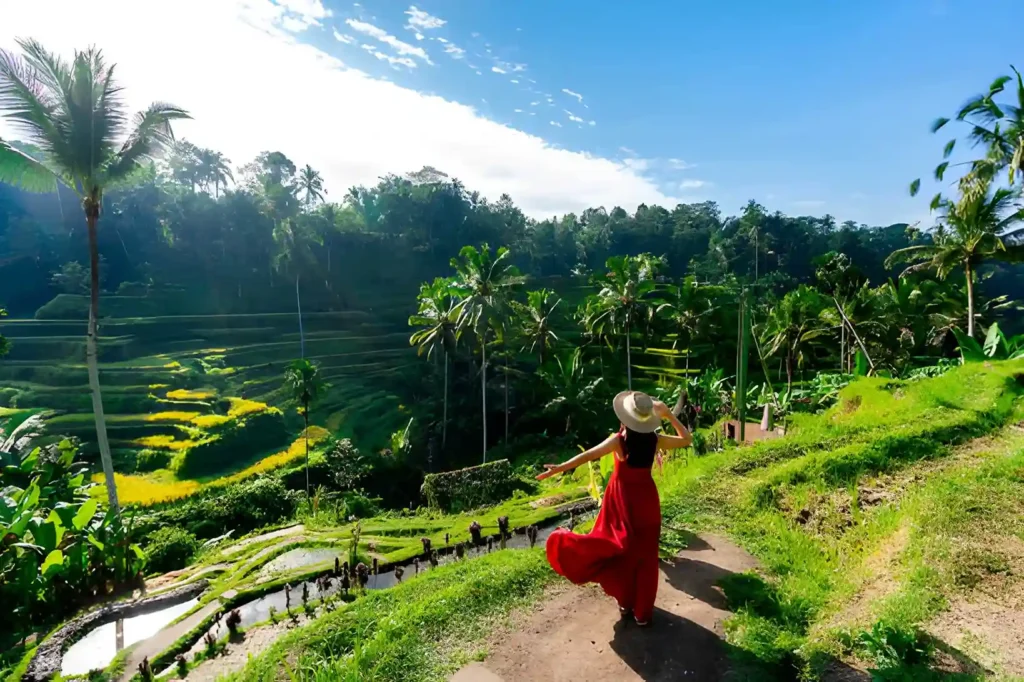
Ubud is often seen as the cultural and spiritual heart of Bali, and that reputation feels natural the moment you arrive.
Surrounded by rice fields, rivers, and traditional villages, Ubud represents a slower and more reflective side of the island. Art, spirituality, and daily life blend effortlessly here. Yoga studios sit close to temples, and ceremonies happen quietly without needing attention.
One of Ubud’s strongest symbols is its rice terraces, shaped by the ancient Subak irrigation system. These landscapes are not just beautiful. They reflect cooperation, balance, and respect for nature, values that define Balinese culture itself.
Ubud is famous not because it is busy, but because it gives people space to pause, breathe, and reconnect.
2. Uluwatu and Bali’s Sacred Ocean Energy
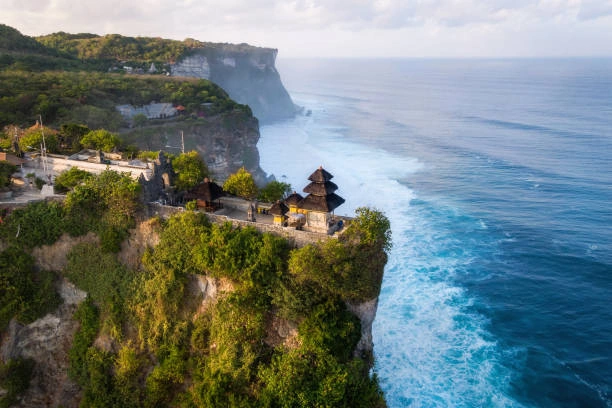
Uluwatu is where Bali’s spiritual identity meets the power of the ocean.
Famous for its dramatic cliffs and temple overlooking the sea, Uluwatu shows how closely religion and nature are connected in Bali. The temple here is not a viewpoint built for visitors, but a sacred site believed to protect the island from negative forces coming from the ocean.
Standing near the edge, watching waves crash far below, many travelers feel a strong sense of scale and perspective. It is a quiet reminder that Bali’s beauty often comes with meaning.
Uluwatu also represents contrast. Lively beach clubs exist alongside sacred spaces, showing how tradition continues even in areas touched by modern tourism.
3. Seminyak and Bali’s Stylish Side

Seminyak represents the more refined and modern lifestyle that Bali is also famous for.
Known for its beach clubs, boutique shopping, and dining scene, Seminyak shows how Bali blends global influences with local atmosphere. Even in its most stylish corners, offerings, temples, and ceremonies remain part of daily life.
For many visitors, Seminyak feels comfortable and easy. It is a place where you can enjoy the beach, good food, and sunsets without feeling disconnected from Balinese culture.
Seminyak proves that Bali’s identity is not frozen in tradition. It evolves while still respecting its roots.
4. Canggu and the New Generation of Bali

Canggu has become one of the most talked about places in Bali, especially among younger travelers and digital nomads.
Known for its surf culture, cafés, and creative energy, Canggu represents a new rhythm of island life. It feels casual, social, and fast moving, yet still grounded in rice fields and village life just beyond the main roads.
What makes Canggu interesting is how modern lifestyles exist side by side with traditional surroundings. You might work from a café in the morning, then pass a temple ceremony on your way back.
Canggu shows how Bali continues to adapt without losing its soul.
5. East Bali and Timeless Traditions
East Bali feels quieter and more traditional compared to the island’s busier areas.
Villages here maintain customs that feel deeply rooted and unchanged by time. Ceremonies are symbolic, daily life moves at a slower pace, and the landscapes feel open and honest.
This part of Bali often appeals to travelers who want to understand the island beyond its popular areas. It shows that Bali’s fame is built on living traditions, not just tourism highlights.
East Bali reminds visitors that authenticity still exists, waiting for those willing to look a little deeper.
6. North Bali and the Island’s Calmer Side

North Bali offers a different experience altogether, one that feels peaceful and less influenced by crowds.
Known for its waterfalls, mountains, traditional towns, and black sand beaches, this area shows a softer, quieter side of the island. Life here feels more local, more relaxed, and closely tied to nature.
For travelers who associate Bali only with beaches and nightlife, North Bali often comes as a surprise. It adds depth to the idea of what Bali truly is.
This region proves that Bali’s reputation goes far beyond its most famous postcards.
If you want to explore these iconic areas more deeply, this guide to the best places to visit in Bali helps you choose what fits your first journey best.
Experience What Bali Is Truly Famous For With the Right Journey
Bali is famous not because it tries to impress you, but because it aligns with you.
The island does not rush your attention. It gently invites presence. When you slow down even slightly, Bali begins to reveal layers that feel personal rather than performative. Moments unfold naturally, often in between destinations rather than at them.
What most people remember is not a single temple, beach, or viewpoint. It is the quiet walk after sunset, the scent of offerings in the morning air, the rhythm of days that somehow feel balanced without effort.
Experiencing Bali with intention changes everything. Understanding what the island is truly known for allows you to move beyond surface level travel and into something more meaningful.
At Bali Island Vacation, we design journeys that respect that depth. Whether this is your first time in Bali or a return shaped by new intentions, we help you experience the island in a way that feels unforced, thoughtful, and true to you.
Because Bali is not just famous for what it offers. It is remembered for how it makes you feel while you are here, and how it stays with you after you leave.