

Your first time in Bali often starts with excitement and expectation. Photos make the island look simple and effortless, but once you arrive, you realize Bali has layers. Distances feel shorter than they are, culture quietly shapes daily life, and the rhythm of the island does not always follow a clock.
This is why first time visitors sometimes feel overwhelmed, even when everything looks beautiful. Bali rewards those who arrive prepared, not with rigid plans, but with understanding. Knowing how the island works helps you move through it with ease, respect, and enjoyment.
These Bali travel tips are written for you who want your first trip to feel smooth, meaningful, and unforced. Not rushed, not confusing, and never disconnected from the local rhythm that makes Bali special.
Practical Bali Travel Tips to Help You Travel With Ease
Before diving into places and experiences, it helps to understand how Bali actually moves. These tips focus on real situations you will encounter, not just general advice, so you can travel confidently from the moment you arrive.
1. Understand That Bali Is Not Just One Destination
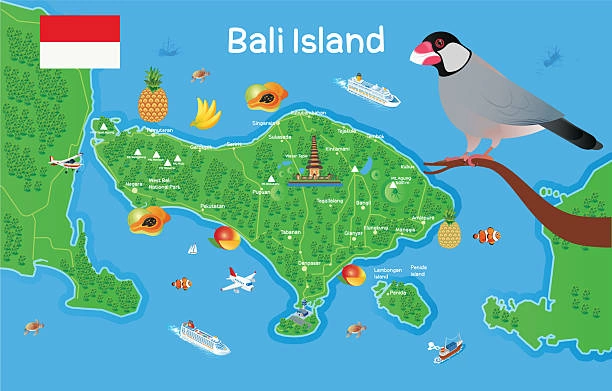
Bali may look small on a map, but it feels very different once you start moving around. Each area has its own atmosphere, pace, and purpose. Ubud feels reflective and cultural, Seminyak is social and energetic, while places like Sidemen or Munduk are quiet and grounded.
For first timers, the biggest mistake is assuming you can experience everything from one base. Travel time matters more than distance here. Roads are narrow, traffic is unpredictable, and short drives can easily take longer than expected.
When you understand Bali as a collection of regions rather than a single destination, your planning becomes more realistic. You stop trying to fit everything in and start choosing experiences that actually fit together.
This mindset alone can change your entire trip from rushed to enjoyable.
2. Choose Your First Stay Based on How You Want to Feel

Where you stay in Bali shapes how you experience the island. If this is your first visit, ask yourself how you want your days to feel. Calm and cultural, relaxed and family friendly, or lively and social.
Ubud works well if you want nature, temples, and a slower pace. Nusa Dua suits first timers looking for comfort and easy beach access. Seminyak and Canggu offer convenience, dining, and a more modern vibe.
Avoid moving accommodations too often on your first trip. Changing hotels frequently may look efficient on paper, but it adds unnecessary stress. Staying longer in fewer places allows you to settle into the rhythm of each area.
A well chosen base makes Bali feel welcoming rather than overwhelming.
3. Accept That Traffic Will Shape Your Daily Plans
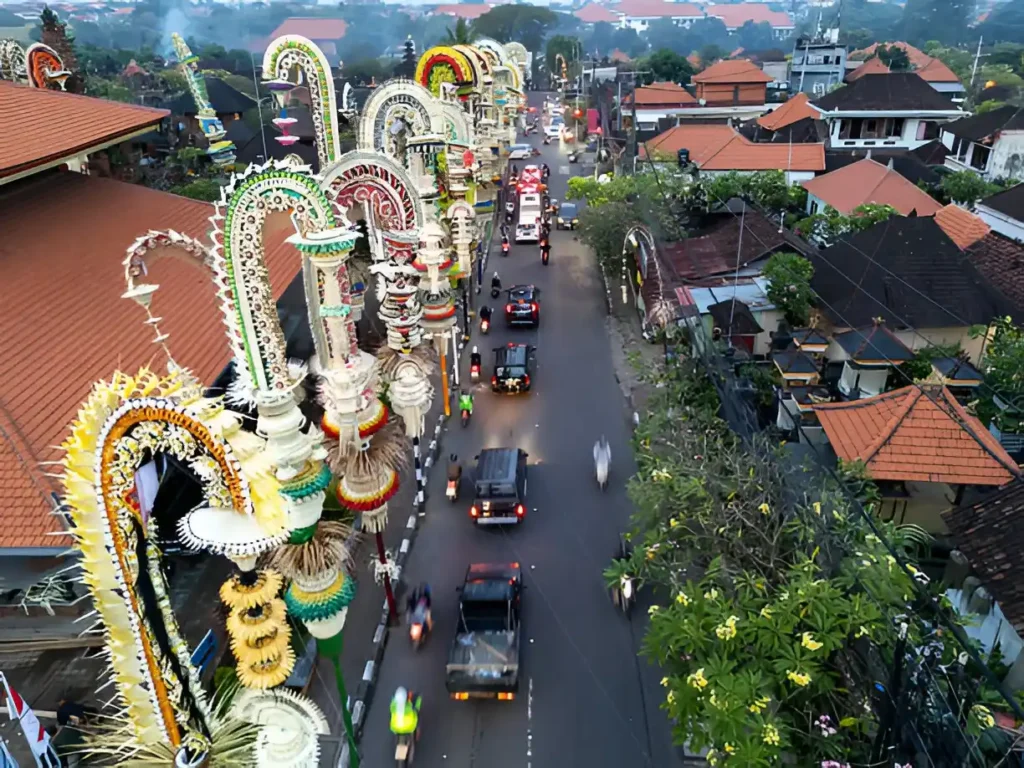
Traffic is part of daily life in Bali, and ignoring it can quietly drain your energy. Peak hours, ceremonies, and school times all affect travel flow. What looks like a short drive may take longer than expected.
For first timers, the key is not avoiding traffic completely, but planning around it. Group nearby activities together and avoid crossing the island multiple times in one day.
Early mornings are often the calmest time to explore. Late afternoons can be slow, especially in popular areas. Understanding this helps you move with Bali rather than against it.
Once you adjust expectations, travel feels less frustrating and more manageable.
4. Dress Respectfully Without Overthinking It

Bali is relaxed, but it is also deeply spiritual. Knowing when and how to dress respectfully helps you feel comfortable everywhere you go.
Casual clothing is fine for beaches and cafes, but temples require covered shoulders and knees. Sarongs are often provided, so you do not need to overpack special outfits.
For first timers, the balance is simple. Dress lightly, modestly, and practically. Avoid extremes. Respect does not require formality, just awareness.
When you dress appropriately, interactions feel smoother and more natural.
5. Learn Basic Temple Etiquette Before You Visit

Temples are living spaces, not attractions. People pray there daily, and ceremonies happen regularly. Understanding a few basics makes a big difference.
If you are menstruating, you should not enter temples. Always wear a sarong and sash. Avoid stepping in front of people who are praying.
First timers who approach temples with curiosity and respect often find the experience deeply rewarding. You feel welcomed rather than intrusive.
This awareness transforms temple visits from photo stops into meaningful moments.
6. Do Not Overpack Your Daily Itinerary

It is tempting to plan full days, especially when visiting Bali for the first time. But overpacked schedules often lead to exhaustion rather than enjoyment.
Bali experiences work best when given space. A temple visit followed by a quiet lunch and rest often feels better than rushing from one attraction to another.
Leave room for pauses. Coffee stops, short walks, or unexpected moments often become highlights of the trip.
A lighter plan allows Bali to unfold naturally around you.
Once you understand how Bali works, it becomes easier to choose the top things to do in Bali that truly match your travel style.
7. Understand Weather Beyond the Forecast
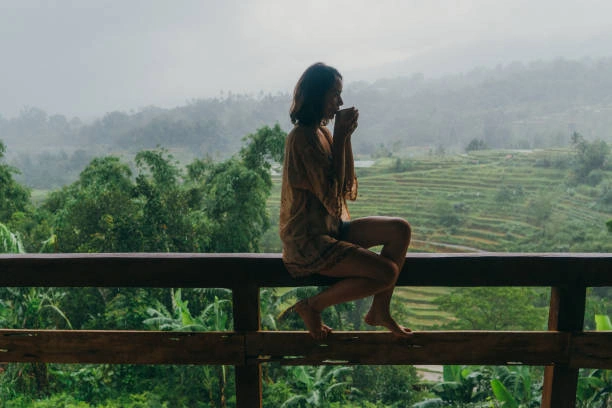
Bali’s weather is tropical and can change quickly. Rain often comes in short bursts rather than all day storms, especially outside peak rainy season.
First timers sometimes worry too much about forecasts. Instead, plan flexibility into your days. Outdoor activities in the morning, indoor or relaxed plans later in the day.
Humidity is often more noticeable than heat. Staying hydrated and dressing lightly helps you adapt faster.
Once you stop fighting the weather, it becomes part of the experience.
8. Balance Popular Places With Quieter Moment
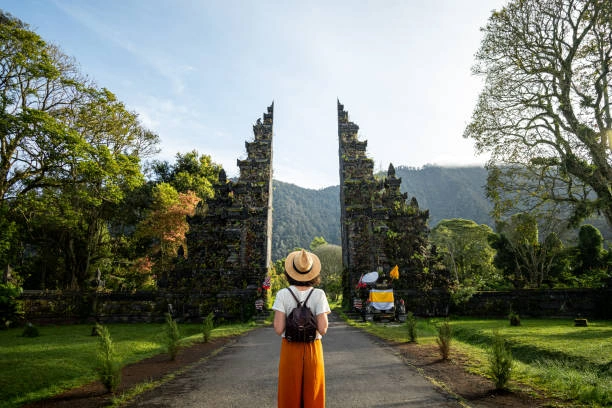
Popular spots exist for a reason, and first timers should experience them. But balance matters. Pair busy locations with calmer spaces to avoid burnout.
Visiting temples early, choosing quieter beaches, or spending a day in the countryside creates contrast. That contrast helps you appreciate both sides of Bali.
This is also where exploring lesser known areas adds depth to your journey, without feeling disconnected from the main highlights.
Balance is what keeps your first Bali trip enjoyable from start to finish.
If you want a quieter side of the island, exploring Bali’s hidden gems lets you experience places that still feel personal and unhurried.
9. Know How Cash and Cards Really Work in Bali

While Bali is increasingly card friendly, cash is still essential in daily life. Small cafes, local markets, temple donations, and parking fees often require cash.
For first timers, withdrawing money from reputable ATMs attached to banks is the safest option. Avoid carrying large amounts at once. Daily withdrawals keep things simple and secure.
Cards work well at hotels, restaurants, and established businesses, but relying on them alone can limit flexibility. Having both options allows you to move easily without hesitation.
Understanding this balance removes unnecessary worry and keeps your focus on enjoying the island.
10. Choose Transportation Based on Comfort, Not Speed

Transportation in Bali is less about speed and more about comfort. Ride hailing apps work well in many areas, but availability varies depending on location and local regulations.
For first timers, hiring a driver for day trips often feels easiest. It removes navigation stress and allows you to focus on the journey rather than the road.
Scooters offer freedom but require confidence and awareness. If you are not used to riding, it is better to observe Bali than struggle through traffic.
Choosing the right transport makes your days feel lighter and more enjoyable.
11. Food Safety Is About Awareness, Not Fear

Balinese food is one of the joys of visiting the island. From local warungs to fine dining, eating well is easy when you follow simple awareness.
Drink bottled or filtered water, wash your hands before meals, and choose places with steady local or visitor traffic. Freshly cooked food is generally safe and delicious.
First timers sometimes avoid local food out of caution, but this often means missing out on meaningful cultural experiences. Trust your senses and take it slow.
Food in Bali becomes a pleasure rather than a concern when approached with balance.
12. Understand Local Hospitality Without Misreading It

Balinese people are warm and welcoming, but their hospitality is subtle. Smiles, soft tones, and patience are expressions of respect, not weakness or invitation.
As a first timer, matching this energy matters. Speak calmly, avoid confrontation, and show appreciation even in small interactions.
Understanding this cultural communication style helps you connect genuinely and avoid misunderstandings.
Respect is often returned with kindness in Bali.
13. Learn When to Slow Down and When to Explore

Bali rewards balance. Some days invite exploration, while others feel better spent resting or observing. Learning to sense this rhythm enhances your experience.
After busy sightseeing days, allow yourself slower mornings or quiet afternoons. The island offers plenty of spaces designed for rest.
First timers who listen to their energy levels often enjoy Bali more deeply. There is no need to rush through beauty.
This awareness turns travel into presence rather than consumption.
14. Pay Attention to Cultural Timing
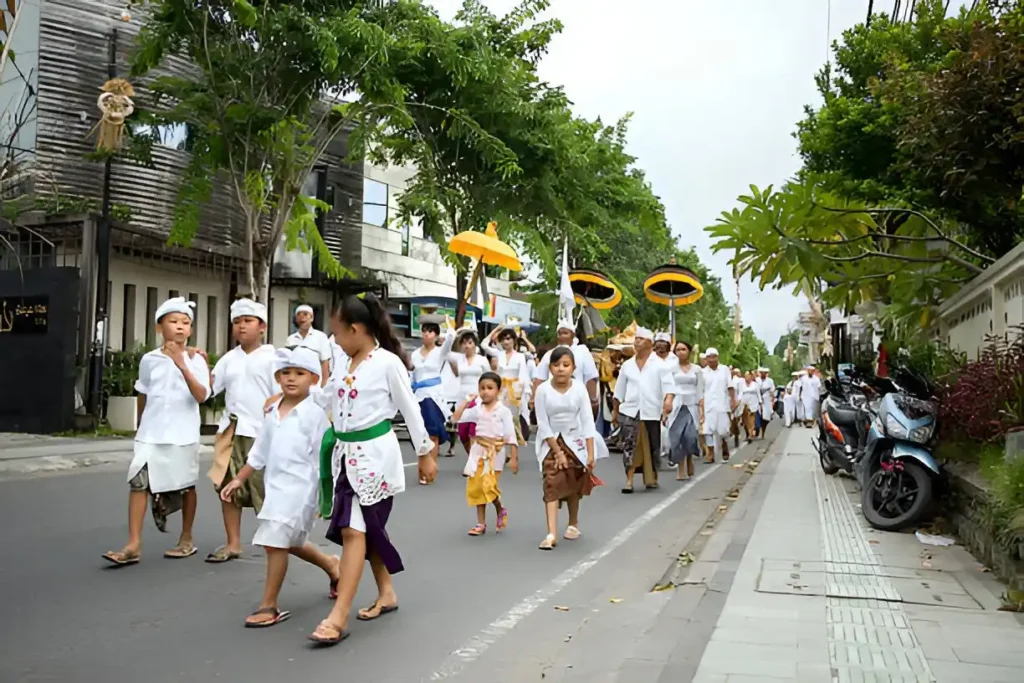
Ceremonies, religious days, and village events influence daily life in Bali. Roads may close, schedules shift, and routines change without warning.
For first timers, this can feel inconvenient if unexpected. But when understood, it adds cultural richness to your visit.
Checking local calendars or asking your accommodation for advice helps you plan with respect.
Cultural timing teaches patience and perspective.
15. Know When a Guide Enhances the Experience

Not every experience needs a guide, but some benefit greatly from context. Temples, ceremonies, and rural areas often feel more meaningful with explanation.
A good guide does not rush or overwhelm. They translate culture, answer questions, and help you understand what you are seeing.
For first timers, choosing guided experiences selectively brings depth without losing freedom.
This balance allows you to explore confidently and respectfully.
16. Avoid Trying to See Everything on Your First Trip

Bali is not a destination to finish. It is a place you return to, physically or in memory.
Trying to see everything often leads to fatigue and shallow experiences. Choosing fewer moments and experiencing them fully creates lasting impressions.
First timers who leave space often feel more connected to Bali than those who rush.
This understanding turns your first visit into the beginning of a relationship with the island.
17. Let Your First Trip Set the Tone, Not the Checklist

Your first time in Bali shapes how you remember the island. Let it be about feeling comfortable, curious, and open rather than completing an itinerary.
When you allow experiences to flow naturally, Bali reveals itself in quiet ways. Conversations, unexpected views, and simple moments become meaningful.
This mindset keeps your journey grounded and personal.
Bali responds best when you meet it with presence.
Let Your First Bali Experience Flow Naturally
Your first trip to Bali does not need to be perfect. It needs to feel right for you. Understanding the island’s rhythm, culture, and practical realities helps you move with confidence and ease.
At Bali Island Vacation, we design journeys that support first timers at every stage. From choosing where to stay to shaping days that flow naturally, our approach is thoughtful, personal, and grounded in real experience.
If you want your first time in Bali to feel smooth, respectful, and genuinely memorable, we are here to help you shape a journey that fits your pace and your priorities.