Bali is often described as beautiful, spiritual, or exotic. But once you arrive, you realize something deeper. Culture here is not a performance scheduled for visitors. It is lived quietly, daily, and with intention. You feel it in the way mornings begin with offerings, in how villages gather without announcement, and in how time moves according to rituals rather than urgency.
If you approach Bali with curiosity and respect, the island opens itself slowly. Not everything is meant to be seen at once. Some experiences unfold when you allow yourself to observe rather than rush. This is where Bali becomes more than a destination. It becomes a place you feel connected to.
Below are cultural experiences that truly exist in Bali. Not staged attractions, but moments rooted in tradition, community, and belief. Each one offers you a deeper understanding of how Balinese culture continues to thrive today.
Cultural Experiences That Reveal the Soul of Bali
Bali’s culture is not concentrated in one place or event. It is spread across temples, homes, villages, and everyday routines. These experiences invite you into that world gently, helping you understand Bali not as a visitor, but as a respectful guest.
1. Witnessing a Balinese Temple Ceremony as It Naturally Happens
Location: Ubud, Gianyar, Bangli, Klungkung
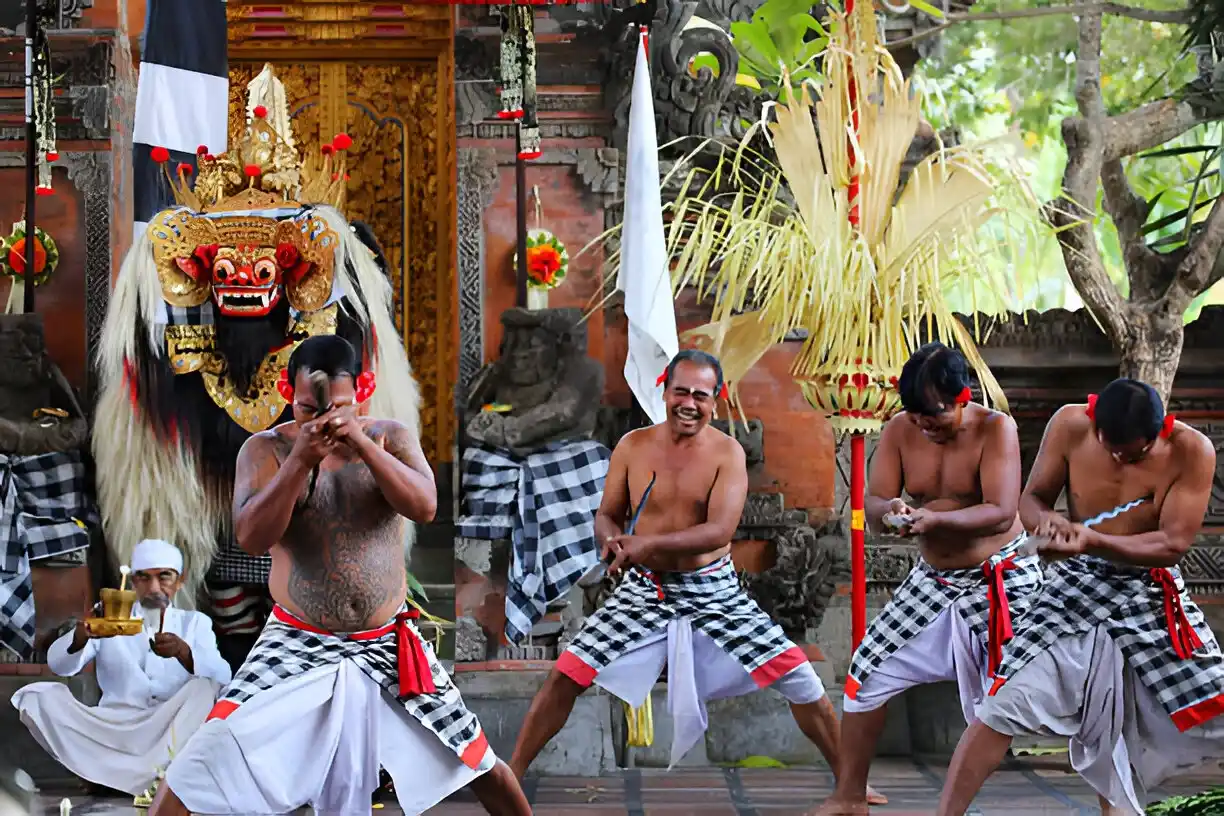
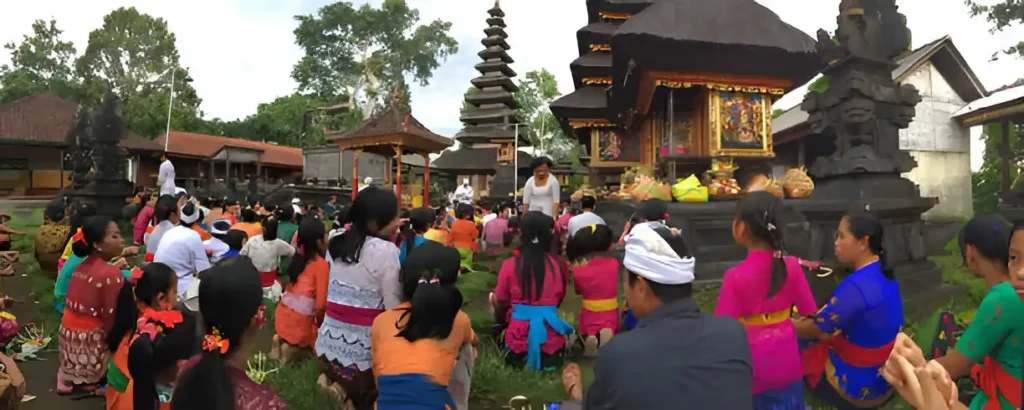
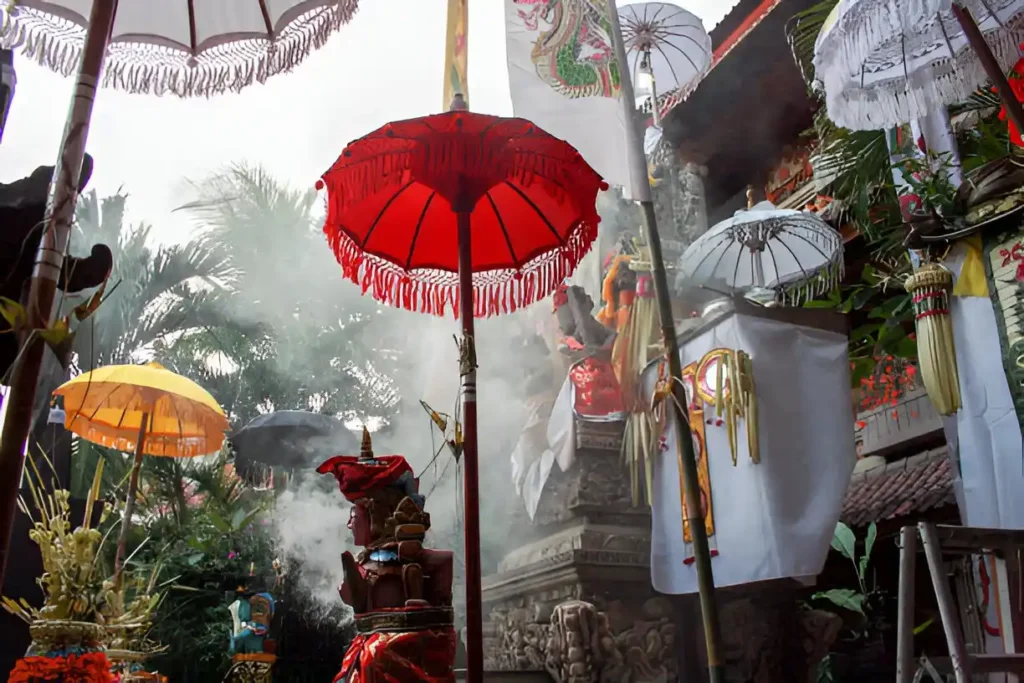
Temple ceremonies, known locally as odalan, are central to Balinese spiritual life. Every temple celebrates its anniversary according to the Balinese calendar, and when that day arrives, the entire village participates. You will see people dressed in traditional attire, carrying offerings, and gathering not out of obligation but devotion.
As you stand quietly at the edge of a ceremony, you notice the rhythm. Gamelan music rises and falls, incense drifts through the air, and prayers are offered with calm focus. Nothing feels rushed. For you, this is not about taking photos, but about observing how spirituality is woven into daily life.
When you understand where to stand, how to dress, and when to remain still, the experience changes. You stop feeling like an outsider. Instead, you feel welcomed into a moment that has been repeated for generations.
This is one of the most authentic cultural experiences in Bali because it is never created for visitors. You simply arrive while life is happening.
2. Learning the Meaning Behind Daily Offerings Through Canang Sari
Location: Ubud, Gianyar villages, Canggu outskirts
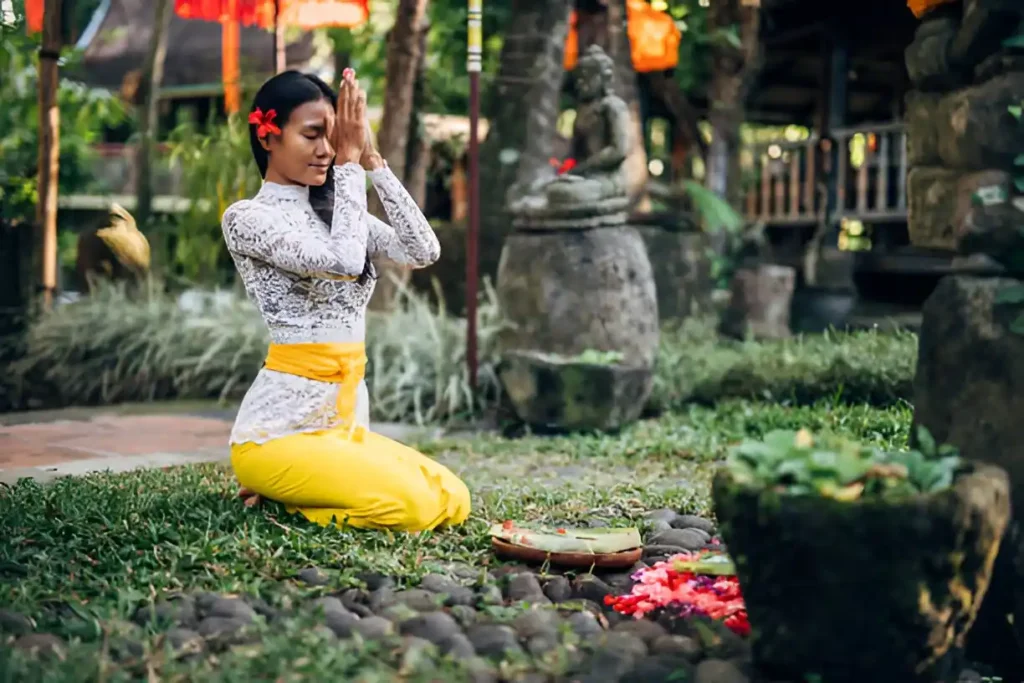
Every morning in Bali begins with small offerings placed at temples, doorways, and even on the ground. These offerings, called canang sari, are not decorations. They are daily expressions of gratitude and balance.
When you sit with a local woman and learn how to arrange flowers, rice, and incense, you begin to understand how much intention goes into something that seems simple. Each color represents a direction and a deity. Each placement carries meaning.
Making canang sari slows you down. The act itself is meditative. You realize that spirituality in Bali does not require grand gestures. It lives in consistency and mindfulness.
By understanding this ritual, you gain insight into how Balinese people maintain harmony between the physical and spiritual worlds every single day.
3. Attending a Traditional Balinese Dance Rehearsal
Location: Ubud, Peliatan, Batubulan
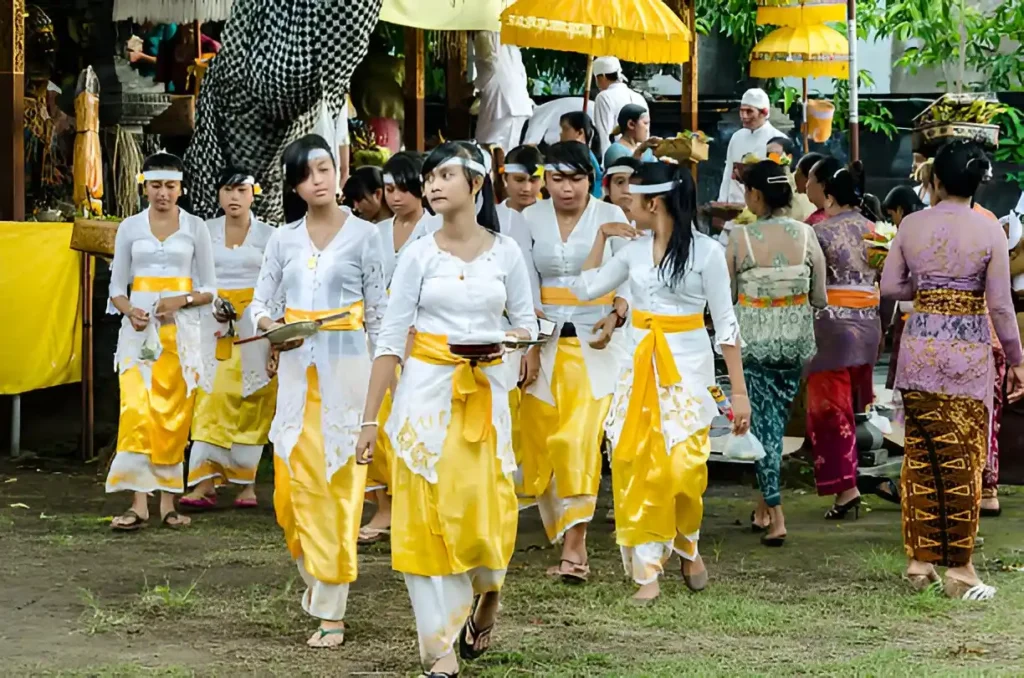
Balinese dance is often seen on stages for visitors, but its true essence is found during rehearsals. In village halls or temple courtyards, dancers practice movements passed down through generations.
Watching a rehearsal allows you to see the discipline behind each gesture. Eye movements, hand positions, and posture are practiced repeatedly. Nothing is random. Every movement tells a story drawn from mythology and belief.
As you observe quietly, you begin to sense how dance in Bali is not entertainment alone. It is a form of devotion and storytelling. Dancers are not performing for applause, but for balance and expression.
This experience offers depth that performances alone cannot provide. You witness culture being preserved, taught, and lived.
4. Taking Part in a Water Purification Ritual

Location: Tirta Empul, Sebatu, Mengening
Water purification rituals, known as melukat, are deeply spiritual experiences in Bali. They are not spa treatments or tourist attractions. They are moments of cleansing, reflection, and renewal.
Standing in sacred spring water, you follow a sequence guided by local custom. Each fountain represents a different intention. As water flows over you, the atmosphere remains calm and focused.
Understanding the meaning behind the ritual changes how you experience it. This is not about physical cleanliness, but spiritual balance. Many locals participate regularly, especially during important moments in life.
For you, this becomes a quiet pause in your journey. A moment to reflect and connect with Bali’s spiritual foundation.
To understand this ritual more deeply, read our complete guide: Tirta Empul Temple: Bali’s Sacred Holy Spring and What to Know Before You Visit.
4. Exploring Traditional Balinese Architecture Inside a Family Compound
Location: Ubud, Gianyar, Sanur villages
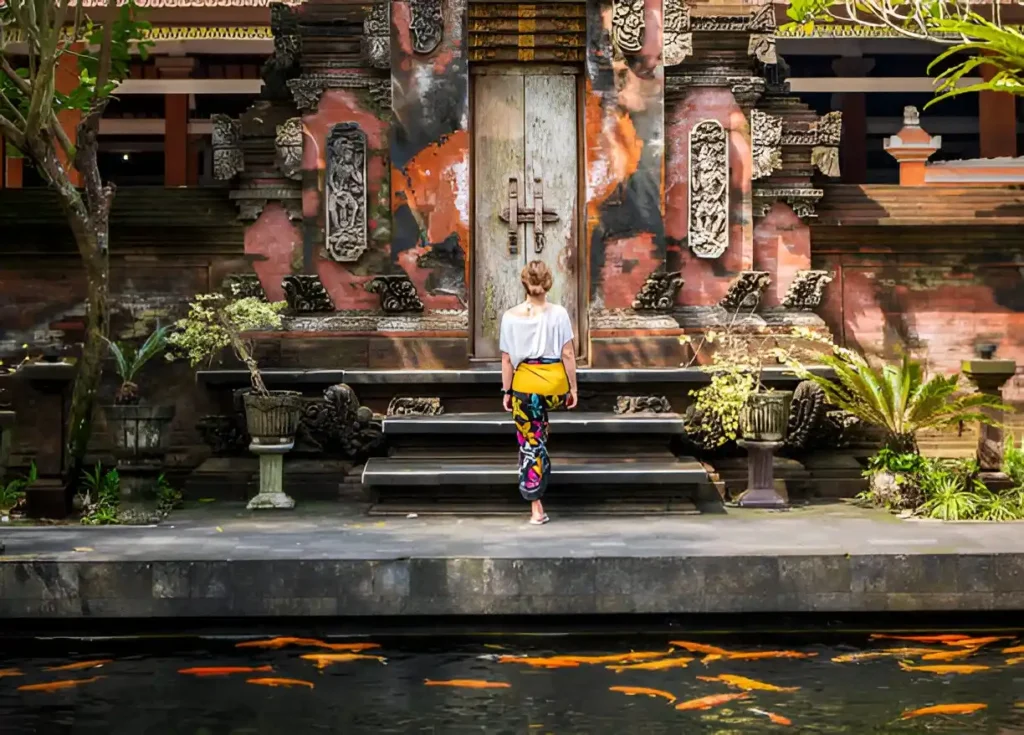
A traditional Balinese home is not a single building. It is a compound with multiple structures, each serving a specific purpose. Walking through one reveals how culture shapes daily life.
You notice open spaces, shrines, and pavilions arranged according to spiritual principles. Orientation matters. Everything is placed in harmony with nature and belief.
As a guest, you see how daily activities unfold within this space. Cooking, prayer, rest, and gathering all happen within the same compound, creating a sense of balance and connection.
This experience helps you understand that culture in Bali is architectural as much as spiritual.
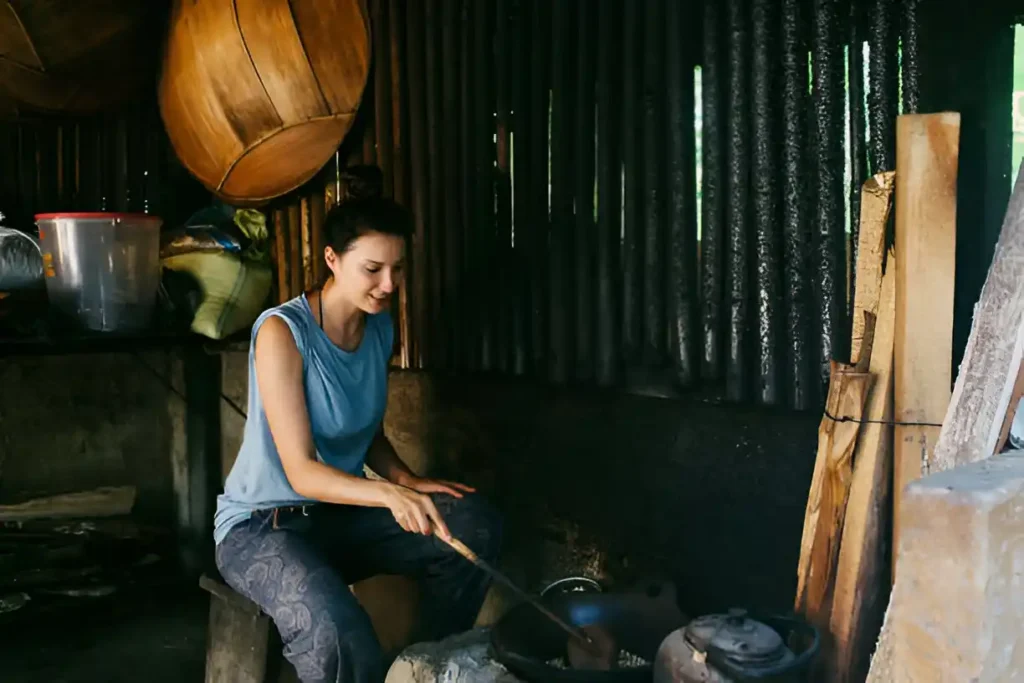
6. Learning Balinese Culture Through Traditional Cook
Location: Ubud, Gianyar, countryside villages
Balinese cooking is deeply connected to ceremony and community. Ingredients are prepared together, often early in the morning, with recipes passed down through families.
When you join a traditional cooking experience, you learn about base genep, the spice foundation of Balinese cuisine. More importantly, you learn why food is prepared in certain ways and for specific occasions.
Cooking becomes a cultural lesson. You hear stories, observe rituals, and understand how food supports both daily life and ceremonies.
This experience allows you to connect with Balinese culture through taste, conversation, and shared activity.
7. Understanding Bali’s Spiritual Calendar and Sacred Days
Location: Island wide
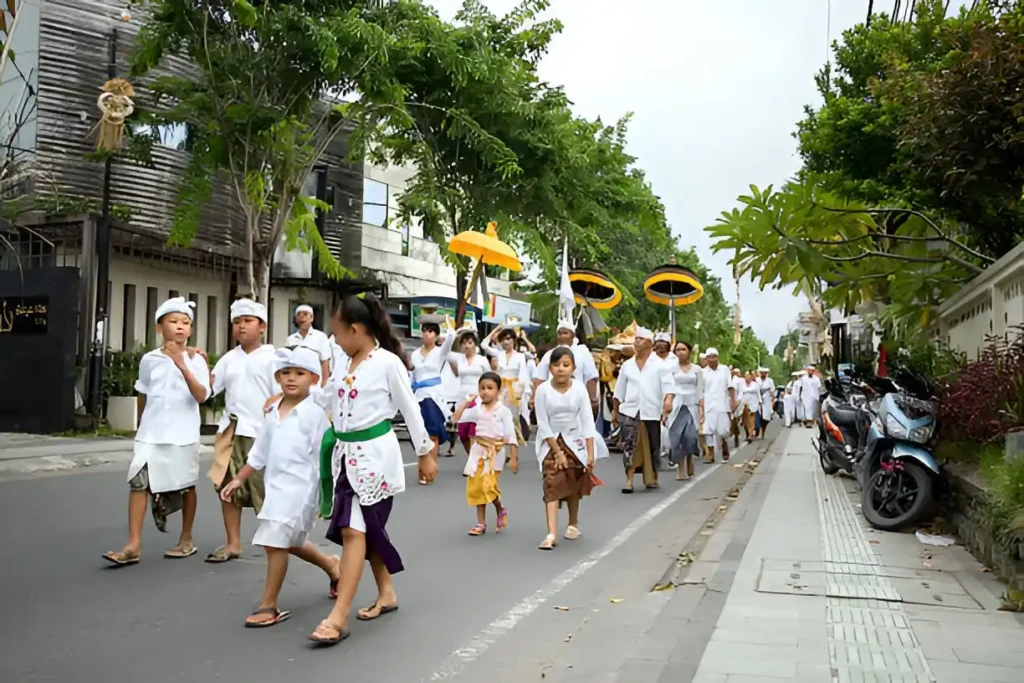
Bali operates on multiple calendars, each guiding religious life. Days like Galungan, Kuningan, and Nyepi are not holidays in the modern sense. They are spiritual milestones.
When you are in Bali during these times, you feel the shift. Villages decorate streets, families gather, and routines change. Even silence becomes meaningful during Nyepi.
Understanding these days helps you align your visit with Bali’s rhythm. It also deepens respect for how belief shapes time itself.
This awareness transforms your experience from sightseeing to cultural immersion.
8. Visiting a Village Where Traditions Lead Daily Life
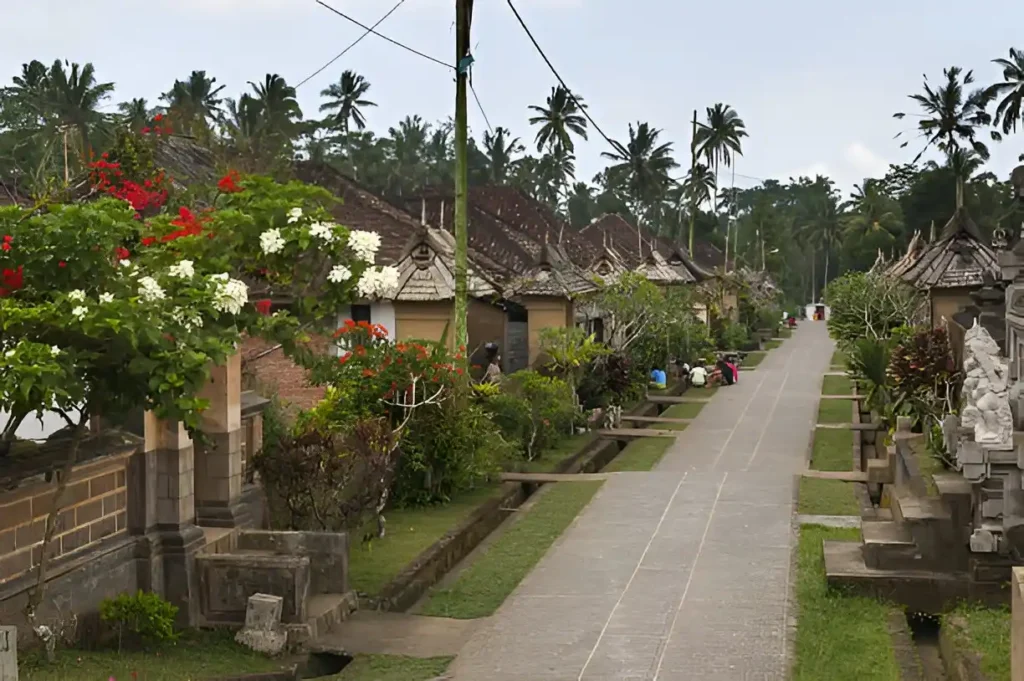
Location: Tenganan, Penglipuran, rural Gianyar
Some villages in Bali continue to live according to strict traditional rules. Visiting them offers insight into how culture is preserved through structure and community.
As you walk through these villages, you observe routines untouched by modern pace. Ceremonies, crafts, and daily life follow ancestral guidance.
You are not entertained here. You are invited to observe respectfully. This distinction matters.
These villages remind you that Bali’s culture survives through commitment, not performance.
9. Understanding the Subak Irrigation System
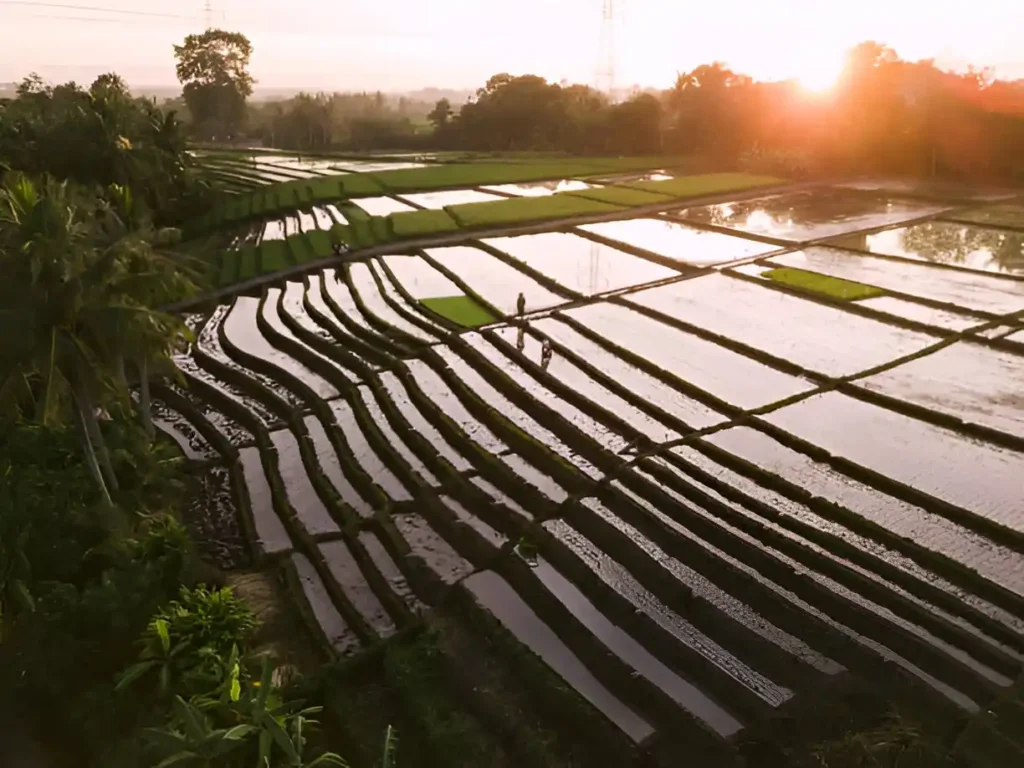
Location: Jatiluwih, Tabanan
Subak is more than irrigation. It is a cooperative system rooted in spiritual belief. Farmers work together to manage water fairly, guided by temples and rituals.
Walking through rice terraces with this context reveals why agriculture in Bali feels sacred. Water connects communities, land, and belief.
You see how cooperation replaces competition. How balance is prioritized over speed.
This experience explains why rice fields are central to Bali’s identity.
10. Witnessing Life Cycle Ceremonies With Cultural Awareness
Location: Villages across Bali
Life cycle ceremonies mark important transitions in Balinese life. Tooth filing, weddings, and cremations are not private events. They are communal.
Observing these ceremonies with understanding allows you to appreciate their meaning. Each ritual prepares individuals spiritually and socially.
You learn that life and death are viewed as continuous cycles. Not endings, but transformations.
This perspective adds depth to how you see Balinese spirituality.
11. Experiencing Gamelan Music Beyond Performances

Location: Village halls, temple courtyards
Gamelan music accompanies ceremonies, rehearsals, and daily life. Listening to it outside a formal performance reveals its role in community rhythm.
You hear it echoing through villages in the evening. Children practice alongside elders.
This is not background music. It is cultural heartbeat. Understanding this changes how you perceive sound in Bali.
Let Bali’s Culture Meet You at the Right Pace
Bali reveals itself differently to every person who arrives. The more present you are, the more the island gives back. Cultural experiences here are not about ticking places off a list, but about how each moment feels while you are living it.
As you move through temples, villages, and everyday rituals, you may notice something subtle shifting. Bali gently invites you to slow down, to observe before acting, and to appreciate meaning over momentum. That is often what stays with you long after the journey ends.
This is where thoughtful planning quietly makes a difference. When experiences are chosen with care and matched to your pace, culture feels welcoming rather than overwhelming. You are not trying to see everything. You are allowing the right moments to unfold naturally.
At Bali Island Vacation, we design journeys with this rhythm in mind. Experiences that feel personal, respectful, and connected to local life. If you want your time in Bali to flow with intention and leave a lasting impression, we are here to help you shape it from the first day to the final sunset.