
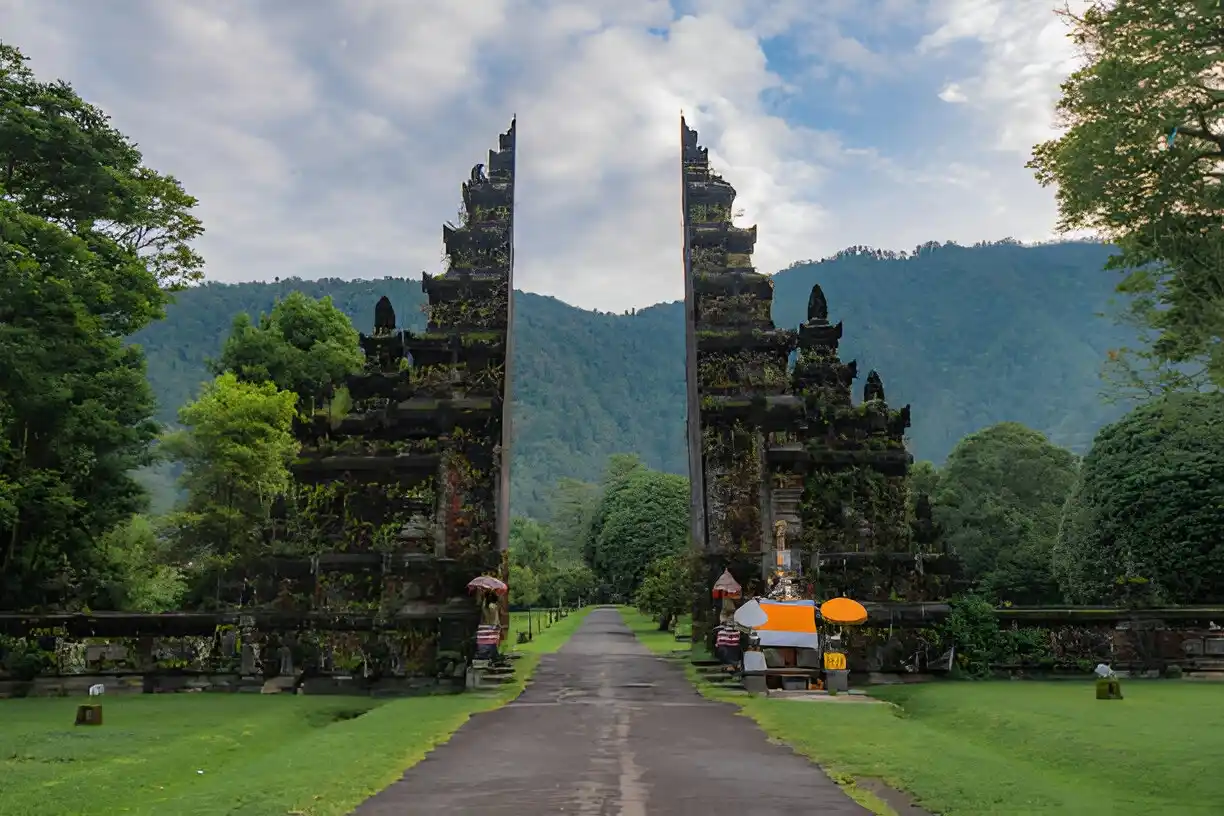
Visiting Bali for the first time is exciting, but it can also feel overwhelming. The island offers beaches, temples, nature, culture, and lifestyle experiences all at once. Without the right direction, it is easy to move too fast, miss the essence, or end up following a rushed itinerary that never really lets you feel Bali.
If this is your first time on the island, the goal is not to see everything. The goal is to experience the right places, in the right order, at a comfortable pace. Bali rewards those who slow down, observe, and let each area reveal its own personality.
This guide is designed to help you do exactly that. Below, you will find the best places to visit in Bali for first timers, explained not just by name, but by why they matter, where they are located, and how they fit into your first Bali journey.
1. Nusa Dua, The Easiest and Most Comfortable Place to Start
Location: South Bali, around 20 minutes from Ngurah Rai International Airport
If this is your first time stepping onto Balinese soil, Nusa Dua offers the softest landing possible. After a long flight, what you need most is not adventure, but clarity and calm. Nusa Dua is clean, organized, and intentionally designed to remove friction from your first days. Roads are wide, beaches are clearly accessible, and the atmosphere feels immediately reassuring.
The beaches here are among the calmest in South Bali, which makes them ideal if you are not used to swimming in the ocean. Geger Beach is especially friendly, with gentle waves and plenty of space to relax without feeling crowded. If you want a scenic walk instead of swimming, Peninsula Island offers cliffside paths where you can stretch your legs while watching the ocean crash below. For a short burst of drama without danger, Water Blow gives you a controlled view of Bali’s ocean power.
What makes Nusa Dua particularly valuable for first timers is how little decision making it requires. You can spend your first full day simply adjusting. Breakfast by the sea, a slow beach walk, an afternoon nap, and dinner at Bali Collection, where multiple restaurants are within walking distance. There is no pressure to navigate chaotic streets or figure out complex transport on day one.
Many first timers skip Nusa Dua because they worry it feels too quiet. In reality, this calm helps reset your body clock and allows you to absorb Bali at a human pace. Starting here makes the rest of your trip feel easier and more enjoyable.
2. Jimbaran – Sunset Evenings That Feel Effortless
Location: Southwest Bali, close to the airport
Jimbaran is not a place you rush through. It is a place you arrive at in the late afternoon and let the evening unfold naturally. Known for its beachfront seafood dinners, Jimbaran introduces you to Bali’s slower, more intimate coastal side without demanding much effort.
The beach here stretches long and wide, making it perfect for a relaxed walk before sunset. Fishing boats line the shore, and the atmosphere feels lived in rather than curated. As evening approaches, tables appear on the sand, candles are lit, and dinner becomes an experience rather than just a meal.
For first timers, Jimbaran works beautifully because it removes complexity. You do not need a packed itinerary. Arrive around four in the afternoon, enjoy the beach, watch the sky change colors, and sit down for dinner as the day cools. It is a reminder that Bali does not always need to be explored aggressively.
A common mistake first timers make is visiting Jimbaran too late at night or only for dinner. Coming earlier allows you to feel the transition from day to night, which is where Jimbaran’s charm truly lives.
3. Sanur – A Calm Coastal Rhythm with Local Character
Location: Southeast Bali
Sanur offers a different coastal energy compared to Bali’s western beaches. Here, mornings are quiet, the sea is calm, and life feels steady rather than dynamic. For first timers who value peace and routine, Sanur provides a comfortable base that feels both local and accessible.
The beachfront promenade is one of Sanur’s highlights. You can walk or cycle along the coast, passing small cafes, fishing boats, and local families going about their day. The water is generally calmer here, making swimming feel less intimidating if you are new to Bali’s beaches.
Sanur also serves as a practical gateway. Boats to nearby islands like Nusa Lembongan often depart from here, making it a smart stop if island hopping is part of your plan. At the same time, evenings remain relaxed, with quiet dinners rather than loud nightlife.
For first timers, Sanur teaches you that Bali can be peaceful without being boring. It shows you how daily life unfolds beyond tourist hotspots, which adds depth to your first impression of the island.
If you are traveling with family, you may also want to explore our guide to the top things to do in Bali with family, where experiences are paced for all ages and moments feel more shared.
4. Seminyak – Bali’s Social and Stylish Introduction
Location: West Coast of South Bali
Seminyak is where many first timers begin to see Bali’s modern lifestyle. This area blends beaches, cafes, boutiques, and beach clubs into a rhythm that feels familiar yet distinctly tropical. It is lively without being chaotic, making it an easy transition from resort calm to social energy.
The beach here is wide and dramatic, especially in the late afternoon when the sun begins to set. While swimming conditions can vary, the real charm lies in the atmosphere. Beach walks, casual drinks, and sunset views define the experience. Nearby streets like Petitenget and Kayu Aya are filled with cafes and shops that invite exploration without pressure.
For first timers, Seminyak offers flexibility. You can be active or slow, social or private, all within a compact area. It is also a good place to observe Bali’s international crowd and creative scene without committing to intense nightlife.
A common first timer mistake is treating Seminyak only as a party destination. In reality, its daytime rhythm and café culture are just as valuable, especially if you explore before sunset.
5. Canggu – Relaxed Creativity and Everyday Island Life
Location: Northwest of Seminyak
Canggu represents Bali’s evolving identity. Rice fields sit beside cafes, surfers share roads with scooters, and days flow without rigid schedules. For first timers, Canggu offers freedom and space to explore Bali at your own pace.
Beaches like Batu Bolong and Echo Beach are popular for sunset walks and watching surfers, even if you are not surfing yourself. Inland, quiet lanes lead to cafes, yoga studios, and local warungs that invite lingering rather than rushing.
What makes Canggu suitable for first timers is its flexibility. There is no “right” way to experience it. You can spend your morning slowly, work remotely for a few hours, or simply sit and observe daily life unfold.
First timers sometimes stay too long here and miss other sides of Bali. Canggu is best enjoyed as a chapter, not the whole story.
6. Uluwatu Temple – Where Bali Meets the Ocean
Location: Uluwatu, South Bali
For many first timers, Uluwatu Temple is the moment Bali finally feels iconic. Sitting on a dramatic cliff edge overlooking the Indian Ocean, this sea temple shows how spiritual life in Bali is inseparable from nature. What makes it powerful is not only the temple itself, but the scale of the ocean and the openness of the landscape around you.
The best time to visit is late afternoon, ideally between 4.30 and 6.30 pm. At this hour, the temperature becomes more comfortable and the light slowly shifts toward sunset. You can explore the temple grounds, walk along the clifftop path, and experience the changing colors of the sky in one smooth flow.
As a first timer, take time to walk beyond the main viewing area. The path reveals different perspectives of the cliffs and sea, making the experience feel immersive rather than rushed. Dress respectfully, stay aware of the monkeys without fear, and move slowly to absorb the atmosphere.
Uluwatu works best as part of an evening plan, paired with a relaxed dinner afterward. This balance between culture, scenery, and rest makes it an essential stop on your first Bali itinerary. patience and presence. Rushing this area means missing its scale and emotion.
7. Ubud – The Cultural and Spiritual Heart of Bali
Location: Central Bali
Ubud feels like a shift, both geographically and emotionally. Surrounded by rice fields, rivers, and temples, this area invites you to slow down and observe Bali’s inner rhythm. Art, spirituality, and daily rituals coexist naturally here.
Walking through the Sacred Monkey Forest early in the morning offers a quieter, cooler experience. Exploring local markets and art galleries reveals the creativity that defines the region. Cafes overlooking rice terraces provide moments to pause and reflect.
For first timers, Ubud helps contextualize everything else you see on the island. It explains Bali’s relationship with nature, art, and spirituality in a way no beach town can.
8. Tegallalang Rice Terraces – Understanding Bali’s Living Landscape
Location: North of Ubud
Tegallalang is often photographed, but its value goes beyond visuals. These terraces represent Bali’s agricultural heritage and the subak irrigation system that has shaped local life for centuries. Walking through the fields helps you understand how land, water, and community are deeply connected.
Arriving early in the morning allows you to explore without crowds. Small paths wind through the terraces, and cafes nearby offer elevated views where you can rest and observe the patterns below.
For first timers, Tegallalang adds grounding. It reminds you that Bali’s beauty is not staged, but lived.
9. Mount Batur and Kintamani – Bali’s Volcanic Identity
Location: Northeast of Ubud
Mount Batur is not just a volcano. It is Bali’s reminder that the island is alive beneath your feet. Sitting within a vast caldera, the area of Kintamani feels wide, open, and dramatically different from the coastal lowlands.
For first timers, you do not need to climb to appreciate this area. Simply driving through Kintamani reveals panoramic views of Lake Batur, volcanic slopes, and villages scattered along the rim. The air is cooler, and the light feels softer, especially in the morning.
If you choose to hike Mount Batur, sunrise is the classic moment. However, even without hiking, cafes along the caldera offer sweeping views that allow you to absorb the scale without physical strain. This balance makes Kintamani accessible while still impactful.
Mount Batur teaches first timers that Bali’s beauty is not limited to beaches. It shows you height, distance, and geological time in a single glance.
10. Lake Batur – Calm Reflections in the Highlands
Location: Kintamani region
Lake Batur sits quietly at the base of Mount Batur, often overlooked by travelers rushing through the area. For first timers who take time here, the lake offers stillness and perspective.
Villages around the lake move slowly. Fishermen work early in the morning, and mist often lingers above the water. This environment encourages observation rather than activity. Sitting by the lake, you feel how Bali’s volcanic geography supports daily life.
For first timers, Lake Batur adds emotional contrast. After busy coastal towns, this quietness feels grounding and expansive.
11. Tirta Empul – Experiencing Living Balinese Rituals
Location: Near Tampaksiring
Tirta Empul is one of the most meaningful temples for understanding Balinese spirituality. Unlike temples you simply observe, this one invites participation through its sacred water purification ritual.
For first timers, this experience can feel deeply personal. Entering the spring-fed pools, moving from fountain to fountain, and following local customs creates a moment of reflection and respect. The atmosphere remains calm, even with visitors present.
What makes Tirta Empul important is its authenticity. Locals come here regularly, not for display, but for devotion. As a first timer, witnessing and respectfully joining this ritual creates a connection that lasts beyond photographs.
12. Goa Gajah – History Carved into Stone
Location: Southeast of Ubud
Goa Gajah, or the Elephant Cave, introduces first timers to Bali’s ancient past. The carved entrance, meditation caves, and surrounding gardens reflect a blend of Hindu and Buddhist influences.
Walking through the site feels intimate rather than grand. Paths wind through stone structures, small pools, and shaded areas that invite quiet exploration. The site is compact but layered with meaning.
For first timers, Goa Gajah demonstrates how Bali preserves its history in places that feel approachable and human-scaled.
13. Sekumpul Waterfall – Nature at Its Most Powerful
Location: North Bali
Sekumpul is often described as Bali’s most beautiful waterfall, and for first timers willing to make the journey, the reward is immense. Multiple cascades pour down a lush valley, creating a sense of scale rarely seen elsewhere on the island.
Reaching Sekumpul requires walking through villages and forest paths. This effort is part of the experience, gradually removing you from tourist-heavy areas and into nature.
For first timers, Sekumpul represents commitment. It shows that Bali reveals its most dramatic beauty when you are willing to slow down and walk into it.
14. Gitgit Waterfall – An Easier Introduction to Bali’s Waterfalls
Location: Near Singaraja, North Bali
Gitgit offers a gentler alternative to Sekumpul. The path is shorter, the walk easier, and the environment welcoming for those new to Bali’s inland terrain.
Surrounded by dense greenery, the waterfall creates a cool, refreshing atmosphere. Local vendors along the path add a sense of community and familiarity.
For first timers, Gitgit is ideal if you want to experience Bali’s waterfalls without committing to a long trek.
15. Lovina – Quiet Coastlines and Early Mornings
Location: North Coast of Bali
Lovina feels far removed from South Bali’s energy. Black sand beaches, calm waters, and early morning routines define the area. The most famous activity here is dolphin watching at sunrise.
While the activity itself is optional, what makes Lovina special is its pace. Days are slow, nights are quiet, and life feels locally rooted.
For first timers, Lovina teaches that Bali’s coastal life varies greatly from region to region.
16. Besakih Temple – Bali’s Mother Temple
Location: Slopes of Mount Agung
Besakih is the largest and most important temple complex in Bali. Set high on Mount Agung’s slopes, it carries both spiritual and visual weight.
Walking through the complex, you feel scale and devotion. Multiple temples serve different purposes, and ceremonies often unfold throughout the grounds.
For first timers, Besakih provides cultural depth. It shows how religion shapes Balinese life at the highest level.
17. Sidemen Valley – Bali Without the Noise
Location: East Bali
Sidemen Valley often surprises first timers because it shows a side of Bali that feels untouched by urgency. Rolling rice fields stretch across gentle valleys, villages move at an unhurried pace, and daily life continues without performing for visitors. This is where Bali feels quiet without feeling empty.
The best time to experience Sidemen is in the morning or late afternoon, when the light softens and the valley breathes. Walks through the rice fields feel effortless at these hours, and the atmosphere invites reflection rather than distraction. Unlike busier areas, there is no pressure to see everything at once.
As a first timer, Sidemen works best when you slow down intentionally. Simple walks, quiet meals overlooking the valley, and moments of stillness become the experience itself. This is not a place to rush between spots, but to let the surroundings guide your pace.
Sidemen fits beautifully into a first Bali itinerary as a contrast to coastal areas. It grounds your journey, offering space to absorb the island beyond crowds and curated attractions.
18. Tirta Gangga – Water Palaces and Balance
Location: East Bali
Tirta Gangga introduces first timers to Bali’s relationship with water, architecture, and spiritual harmony. The former royal water palace is defined by stone pathways, reflective pools, and flowing fountains that create a calm and structured environment.
Visiting in the morning allows you to experience Tirta Gangga at its most peaceful. The air feels cooler, reflections on the water are clearer, and the space invites quiet movement rather than hurried exploration.
As you walk across the stepping stones, take your time and observe how the design encourages balance and awareness. The koi filled pools, garden layout, and surrounding hills create a setting that feels both intentional and meditative.
For first timers, Tirta Gangga adds symbolic depth to the journey. It shows how beauty and spirituality are woven into everyday spaces in Bali, not separated from them.
19. Padang Padang Beach – A First Taste of Bali’s Intimate Beaches
Location: Uluwatu Area
Padang Padang offers a very different beach experience compared to Bali’s long open coastlines. Hidden behind a narrow rock passage, the beach opens into a compact cove surrounded by cliffs, instantly creating a sense of discovery even for first timers.
Morning is the best time to visit, especially during calm tide conditions. The water is clearer, the sand feels quieter, and swimming becomes more comfortable. Visiting too late in the day can make the beach feel crowded and less relaxing.
Rather than moving around too much, choose a spot and stay present. Padang Padang is not about exploring distance, but about enjoying the intimacy of the setting. This slower pace helps first timers feel connected rather than overwhelmed.
Padang Padang fits well into a half day around Uluwatu, adding a gentle beach pause between temple visits and cliffside viewpoints.
20. Bingin Beach – Slow Afternoons and Simple Pleasures
Location: Pecatu, Uluwatu
Bingin Beach introduces first timers to a slower, more grounded side of Bali’s coastline. Reached by descending a series of steps, the beach feels removed from busy roads and commercial areas, creating a calm and timeless atmosphere.
Late morning to early afternoon is ideal, when cafes are open and the tide allows easy access to the sand. This timing lets you enjoy both the beach and a relaxed meal without feeling rushed.
Instead of planning activities, allow the environment to guide your time. Sit, eat, watch the waves, and let the afternoon pass naturally. Bingin is about presence, not productivity.
For first timers, Bingin adds depth to the Uluwatu area, showing that Bali’s beauty often reveals itself when you slow down.
21. Tanah Lot – Iconic, But Still Worth It
Location: West of Canggu
Tanah Lot is often one of the first images people associate with Bali, and for first timers, it provides an important introduction to the island’s spiritual symbolism. The temple sits on a rocky outcrop surrounded by the sea, illustrating how Balinese belief systems are deeply tied to natural elements.
The best time to visit is mid to late afternoon, before sunset crowds reach their peak. Arriving earlier allows you to walk around the area calmly, understand the setting, and observe how the temple relates to the surrounding coastline.
Rather than focusing only on photographs, take time to learn the story behind the temple and its role in Balinese mythology. This context transforms the visit from a visual stop into a cultural experience.
For first timers, Tanah Lot works as a cultural anchor. It helps you understand why temples are not just landmarks in Bali, but living symbols of belief and tradition.
22. Jatiluwih Rice Terraces – Understanding Bali’s Agricultural Soul
Location: Central West Bali
Jatiluwih offers insight into Bali beyond beaches and temples. The expansive rice terraces are part of the Subak irrigation system, a UNESCO recognized practice that shapes agriculture, community, and daily life across the island.
Visiting late morning provides clear views and comfortable walking conditions. At this time, the terraces feel open and calm, allowing you to fully appreciate their scale without feeling rushed.
Walking through the fields reveals how water distribution, land use, and cooperation are deeply connected. This experience helps first timers understand that rice cultivation in Bali is both practical and spiritual.
Jatiluwih explains why rice fields are essential to Bali’s identity. It adds depth to your journey by showing how tradition continues to guide modern life.
23. Munduk – Cool Air and Quiet Roads
Location: North Central Bali
Munduk sits in Bali’s highlands, offering a noticeable change in temperature and atmosphere. Misty mornings, coffee plantations, and quiet village roads define the experience, creating a sense of retreat from coastal areas.
The best time to explore Munduk is in the morning, when the air is cool and visibility is clear. This timing enhances walks through nature and visits to nearby viewpoints and waterfalls.
Rather than covering many locations, Munduk is best enjoyed slowly. Short walks, simple meals, and time spent observing the landscape create the most meaningful experience.
For first timers, Munduk introduces Bali’s climate diversity. It shows that the island offers more than tropical heat and beaches.
24. Blue Lagoon Beach – Clear Water Without Crowds
Location: Padangbai, East Bali
Blue Lagoon Beach is a small, protected cove known for its clear water and calm conditions. For first timers, it offers an easy introduction to snorkeling without the pressure of larger or more crowded destinations.
Morning visits are ideal, as the water is calmer and visibility is better. This makes exploring the underwater life comfortable even if you have no prior snorkeling experience.
The beach itself is compact, allowing you to focus on the water rather than moving between areas. Renting simple snorkeling gear and staying close to shore is often enough.
Blue Lagoon adds variety to a first Bali itinerary by introducing marine life in a relaxed and accessible way.
25. Lempuyang Temple – Perspective and Patience
Location: East Bali
Lempuyang Temple is widely recognized for its iconic gate, but the deeper experience lies in the journey and atmosphere. As one of Bali’s oldest temples, it carries strong spiritual significance for locals.
Arriving early in the morning is essential to avoid long waits and intense heat. This timing allows you to experience the temple grounds with greater calm and respect.
Moving slowly, dressing appropriately, and understanding that this is a place of worship changes how the visit feels. The focus shifts from visuals to presence and reflection.
For first timers, Lempuyang teaches patience and awareness. It reinforces that Bali’s temples are living spiritual spaces, not just scenic backdrops.
26. Nusa Penida – Raw and Untamed
Location: Southeast of Bali
Nusa Penida offers a dramatic contrast to mainland Bali, defined by rugged cliffs, open ocean views, and undeveloped landscapes. A day trip introduces first timers to the island’s wilder side.
Starting early is important due to travel time and road conditions. Accepting a slower pace helps you enjoy the experience rather than feeling rushed.
Instead of trying to see everything, focus on a few key locations. This allows time to appreciate the scenery without exhaustion.
For first timers, Nusa Penida works best as a highlight. It adds contrast and perspective, deepening your appreciation of Bali as a whole.
Before choosing where to go, understanding the best time to visit Bali can help you enjoy these places at the right pace, weather, and atmosphere.
Your First Time in Bali, Let’s Make It Feel Right
Your first time in Bali should not feel like a checklist. It should feel like a flow. One place leading naturally to the next, without rushing, without feeling lost, and without wondering whether you are doing Bali the right way.
As a first timer, every destination shapes your impression of the island. The temples you visit, the landscapes you slow down in, and the moments where you simply sit and take it all in. When the balance is right, Bali does not feel crowded or confusing. It feels welcoming, layered, and surprisingly personal.
That is where thoughtful planning quietly matters. Not by packing more into your days, but by choosing places that make sense for your pace, your interests, and the kind of experience you want to remember years from now.
At Bali Island Vacation, we help first timers experience Bali with clarity and comfort. No rushing, no unnecessary detours, just a journey that unfolds naturally and lets you enjoy Bali as it is meant to be experienced.
If you want your first Bali trip to feel smooth, meaningful, and genuinely enjoyable, we are here to help you shape it, from your first step on the island to your last sunset.